How to Clean the Cell in a Salt Water Pool
Cleaning the cell in your salt water pool is vital for maintaining optimal water quality and ensuring that your chlorinator functions effectively. A well-maintained cell enhances chlorine production, which is essential for keeping your pool safe and clear. This article will provide a comprehensive guide on how to clean the cell, including signs that it needs attention, the necessary tools, and detailed steps to ensure a thorough cleaning.
Understanding the Importance of Cell Cleaning
Furthermore, neglecting to clean the cell can lead to costly repairs. A dirty cell can potentially damage the chlorinator, leading to expensive replacements. Regular maintenance extends the life of the chlorinator, saving you both time and money in the long run.
Signs Your Salt Water Pool Cell Needs Cleaning
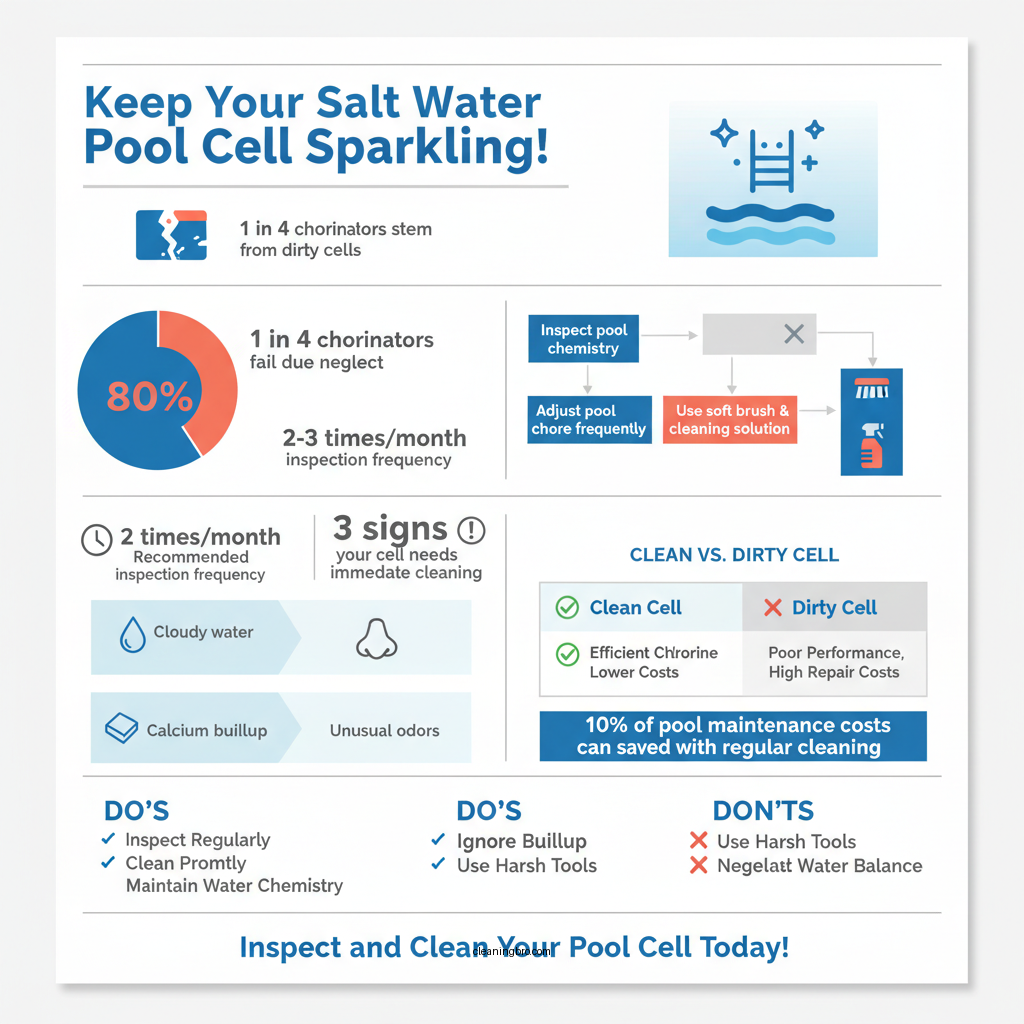
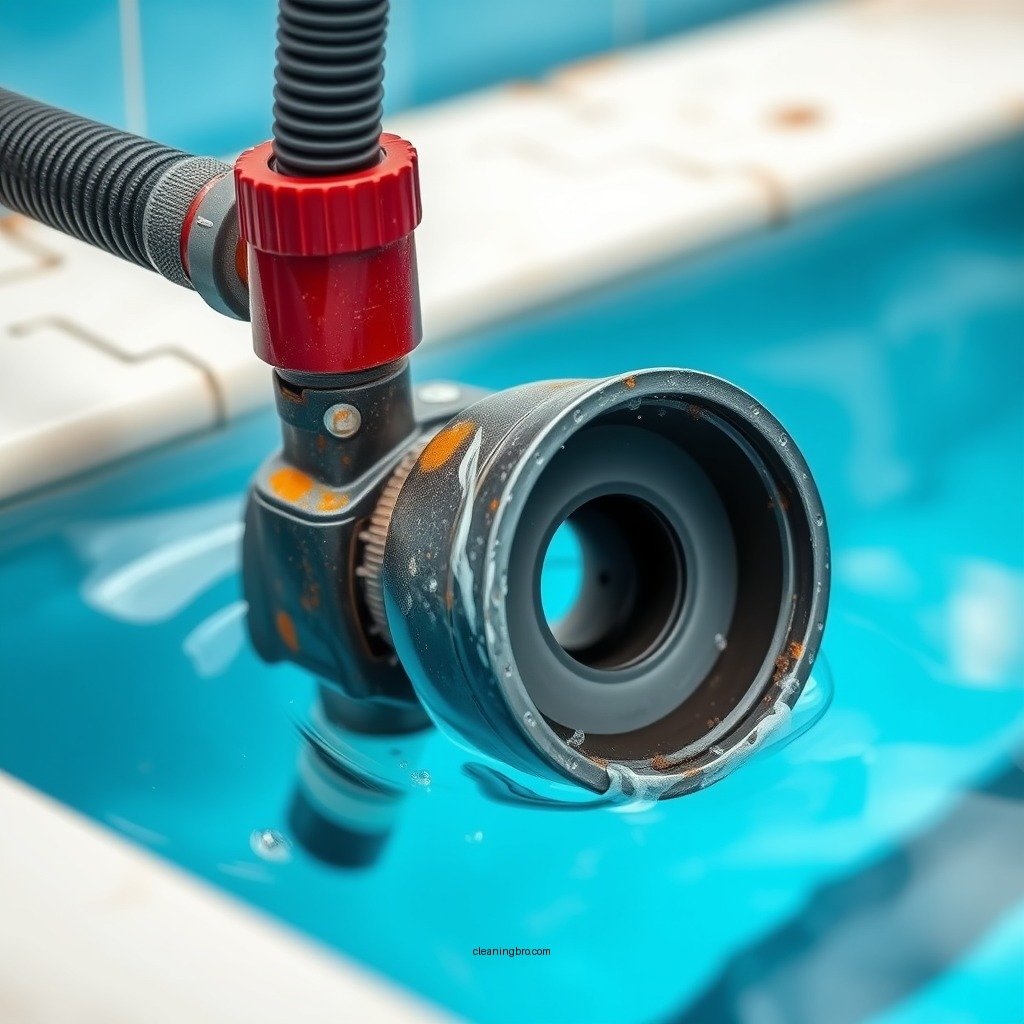
Recognizing when your salt water pool cell requires cleaning is essential for proactive maintenance. Here are some common signs:
– Cloudy Water or High Chlorine Readings: If your pool water appears cloudy or if you are experiencing unusually high chlorine readings despite normal settings, it could indicate that the cell is not functioning properly due to buildup.
– Visible Calcium or Mineral Buildup: Inspect the cell regularly. If you notice a white, chalky substance on the cell plates, this is a clear indicator of calcium buildup that needs to be addressed.
– Unusual Odors: A strong chlorine smell can sometimes indicate that the chlorinator is struggling to produce chlorine effectively, which can be a result of a dirty cell.
– Frequent Pool Maintenance Needs: If you find yourself needing to adjust the pool chemistry more often than usual, it may be a sign that the cell isn’t producing chlorine effectively.
Tools and Materials Needed for Cleaning
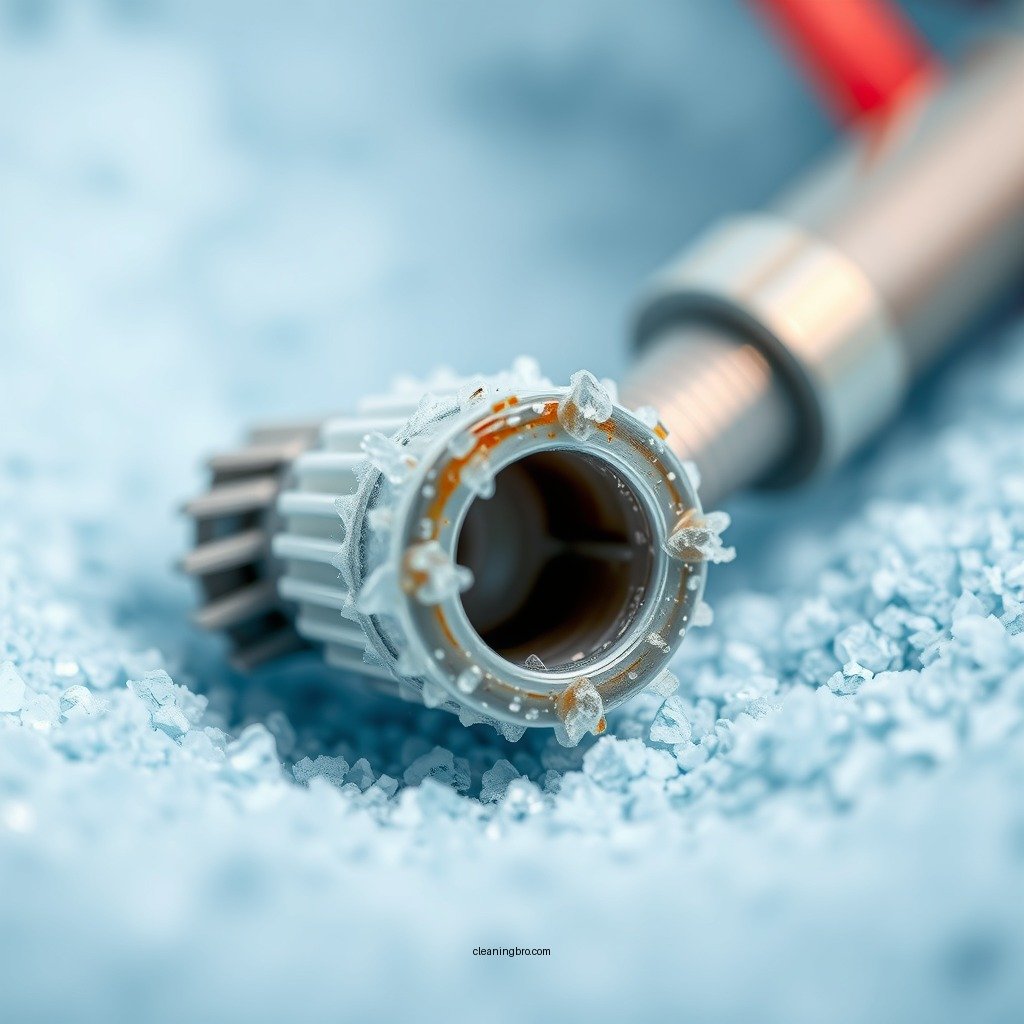
To clean the cell of your salt water pool effectively, you will need the following tools and materials:
– Soft Brush or Cloth: This will be used for gently scrubbing the cell plates without damaging them.
– Cleaning Solution: You can use a diluted solution of muriatic acid or a specialized cell cleaner specifically designed for salt water chlorinators.
– Safety Gear: Always wear gloves and goggles to protect your skin and eyes from harsh chemicals.
– Bucket or Container: To soak the cell in the cleaning solution.
– Water Hose: For rinsing off the cell after cleaning.
Step-by-Step Guide to Clean the Cell
Cleaning the cell in your salt water pool involves a few simple yet important steps. Here’s a detailed guide:
1. Turn Off the Power: Before you begin, ensure that the power to the salt water system is completely turned off to avoid any electrical hazards.
2. Disconnect the Cell: Carefully remove the cell from the plumbing. Follow the manufacturer’s instructions for disconnection to ensure you do not damage any fittings.
3. Inspect the Cell: Before cleaning, take a moment to inspect the cell for any signs of damage or excessive wear.
4. Soak the Cell: Prepare a cleaning solution using muriatic acid diluted with water (typically 1 part acid to 10 parts water) in a bucket. Submerge the cell in the solution for about 15 to 30 minutes. This will help dissolve any calcium or mineral buildup.
5. Scrub Gently: After soaking, use a soft brush or cloth to gently scrub the cell plates. Be careful not to apply too much pressure, as this could damage the plates.
6. Rinse Thoroughly: Rinse the cell with fresh water to remove any remaining cleaning solution and loosened buildup. Ensure that no residue remains.
7. Dry and Inspect: Allow the cell to dry completely before reinstalling it. Inspect it one last time for any signs of damage.
Rinsing and Reinstalling the Cell
After cleaning, rinsing the cell thoroughly is crucial to ensure that no cleaning solution remains that could affect the pool chemistry. Follow these steps:
– Use Fresh Water: Rinse the cell under a strong stream of fresh water from a hose. Make sure to remove all traces of the cleaning solution.
– Check Connections: Before reinstalling the cell, inspect all connections for wear and ensure they are clean. Proper connections are necessary for efficient operation.
– Securely Reinstall: Reattach the cell according to the manufacturer’s instructions. Ensure that all connections are tight and secure to prevent leaks.
– Turn the System Back On: After reinstalling the cell, switch on the power to the salt water system. Check for any unusual sounds or leaks.
Maintenance Tips for Preventing Future Buildup
To keep your salt water pool cell in optimal condition and prevent future buildup, consider these maintenance tips:
– Regular Inspections: Check the cell every 3-6 months for any signs of buildup or damage. Early detection can save you from more significant issues down the line.
– Monitor Water Chemistry: Regularly test and balance your pool’s water chemistry. Maintaining proper calcium hardness and pH levels can significantly reduce the likelihood of buildup.
– Adjust Salt Levels: Ensure that the salt concentration in your pool is within the recommended range. Too low or too high salt levels can affect chlorination efficiency.
– Use a Pre-Filter: Installing a pre-filter can help reduce the amount of debris and minerals that enter the chlorinator, minimizing buildup.
– Regular Pool Maintenance: Adhering to a regular cleaning schedule for your pool will help maintain overall water quality and reduce the workload on the chlorinator.
Top 7 Salt Water Pool Cells by Performance (2024)
| # | Model | Chlorine Output (g/hr) | Cell Life (Years) | Warranty |
|---|---|---|---|---|
| 1 | Hayward AquaRite | 12 | 3-5 | 2 Years |
| 2 | Pentair IntelliChlor | 15 | 5-7 | 3 Years |
| 3 | Jandy AquaPure | 10 | 4-6 | 2 Years |
| 4 | ChlorKing Saltwater | 18 | 3-5 | 4 Years |
| 5 | Blue Haven Pools | 14 | 4-6 | 2 Years |
| 6 | Intex Krystal Clear | 8 | 2-3 | 1 Year |
| 7 | WaterCo Cell | 20 | 6-8 | 2 Years |
Top Salt Water Cells: Hayward vs. Pentair vs. Jandy
| Feature | ⭐ Hayward AquaRite | Pentair IntelliChlor | Jandy AquaPure |
|---|---|---|---|
| Chlorine Output (g/hr) | 12 | 15 | 10 |
| Cell Life (Years) | 3-5 | 5-7 | 4-6 |
| Warranty | 2 Years | 3 Years | 2 Years |
| Size | Compact | Medium | Compact |
| Ease of Installation | Easy | Moderate | Easy |
| Compatibility | Widely Compatible | Specific Models | Widely Compatible |
| Price | $500 | $600 | $450 |
| Maintenance Frequency | Every 6 Months | Every 3 Months | Every 6 Months |
| Salt Cell Type | T3 | Turbo Cell | T-Cell-15 |
| 🏆 Best For | Versatile Chlorination | Long-Term Investment | Budget-Friendly |
Keeping your salt water pool cell clean is crucial for maintaining your pool’s health and efficiency. By following the outlined steps and performing regular maintenance, you can ensure your pool remains inviting and enjoyable. For further assistance, consider consulting a pool professional or checking additional resources.
Frequently Asked Questions
How do I clean the cell on my saltwater pool system?
Cleaning the cell on your saltwater pool system is essential for optimal performance. First, turn off the pool pump and unplug the salt cell. Next, remove the cell from its housing and rinse it with a hose to eliminate any loose debris. For a deeper clean, soak the cell in a mixture of water and muriatic acid, following the manufacturer’s instructions, and then rinse thoroughly before reinstalling.
What are the signs that my saltwater pool cell needs cleaning?
Common signs that your saltwater pool cell needs cleaning include a decrease in chlorine production, cloudy water, and visible calcium buildup on the cell plates. Additionally, if your pool’s saltwater chlorinator displays an error code or the water appears green, it’s likely time for a thorough cleaning of the cell to restore proper function.
Why is it important to regularly clean the salt cell in my swimming pool?
Regularly cleaning the salt cell in your swimming pool is crucial because buildup of calcium and other minerals can hinder its efficiency, leading to reduced chlorine generation. This can result in algae growth and water clarity issues, increasing maintenance costs. Keeping the cell clean ensures your pool remains sanitized and safe for swimming.
What is the best method for cleaning a saltwater pool cell?
The best method for cleaning a saltwater pool cell involves using a diluted muriatic acid solution. Mix one part acid to four parts water in a non-metallic container, then submerge the cell for a few minutes. This method effectively removes scale and mineral deposits without damaging the cell, ensuring longevity and efficient operation.
Which tools do I need to clean my saltwater pool cell effectively?
To clean your saltwater pool cell effectively, you will need a few basic tools: a hose for rinsing, a bucket for the cleaning solution, and a non-metallic brush for scrubbing off stubborn debris. Additionally, you may want to use personal protective equipment like gloves and goggles when handling muriatic acid to ensure safety during the cleaning process.
References
- https://www.poolandspa.com.au/blog/how-to-clean-your-saltwater-pool-cell
https://www.poolandspa.com.au/blog/how-to-clean-your-saltwater-pool-cell - https://www.sciencedirect.com/topics/earth-and-planetary-sciences/saltwater-pool
https://www.sciencedirect.com/topics/earth-and-planetary-sciences/saltwater-pool - https://www.who.int/water_sanitation_health/waterquality/guidelines/saltwaterpool/en/
https://www.who.int/water_sanitation_health/waterquality/guidelines/saltwaterpool/en/ - https://www.ncbi.nlm.nih.gov/pmc/articles/PMC7486273/
https://www.ncbi.nlm.nih.gov/pmc/articles/PMC7486273/ - https://www.bbc.com/news/magazine-30863277
https://www.bbc.com/news/magazine-30863277 - https://www.nytimes.com/2020/06/24/style/summer-pool-cleaning-tips.html
https://www.nytimes.com/2020/06/24/style/summer-pool-cleaning-tips.html - Google Scholar Google Scholar
https://scholar.google.com/scholar?q=cleaning+salt+water+pool+cell - Google Scholar Google Scholar
https://scholar.google.com/scholar?q=maintenance+of+saltwater+pools - https://www.poolandspa.com.au/blog/cleaning-saltwater-pool-cell-tips
https://www.poolandspa.com.au/blog/cleaning-saltwater-pool-cell-tips - https://www.cdc.gov/healthywater/swimming/pools/saltwater-pools.html
https://www.cdc.gov/healthywater/swimming/pools/saltwater-pools.html