How to Clean a CO2 Diffuser: Step-by-Step Guide
Cleaning a CO2 diffuser is essential for maintaining optimal performance and ensuring the health of your aquatic environment. To effectively clean your CO2 diffuser, you will need to disassemble it, soak it in a cleaning solution, and rinse it thoroughly before reassembling. In this guide, we will walk you through each step to ensure your diffuser operates efficiently, enhancing the overall health of your aquarium.
Understanding Your CO2 Diffuser
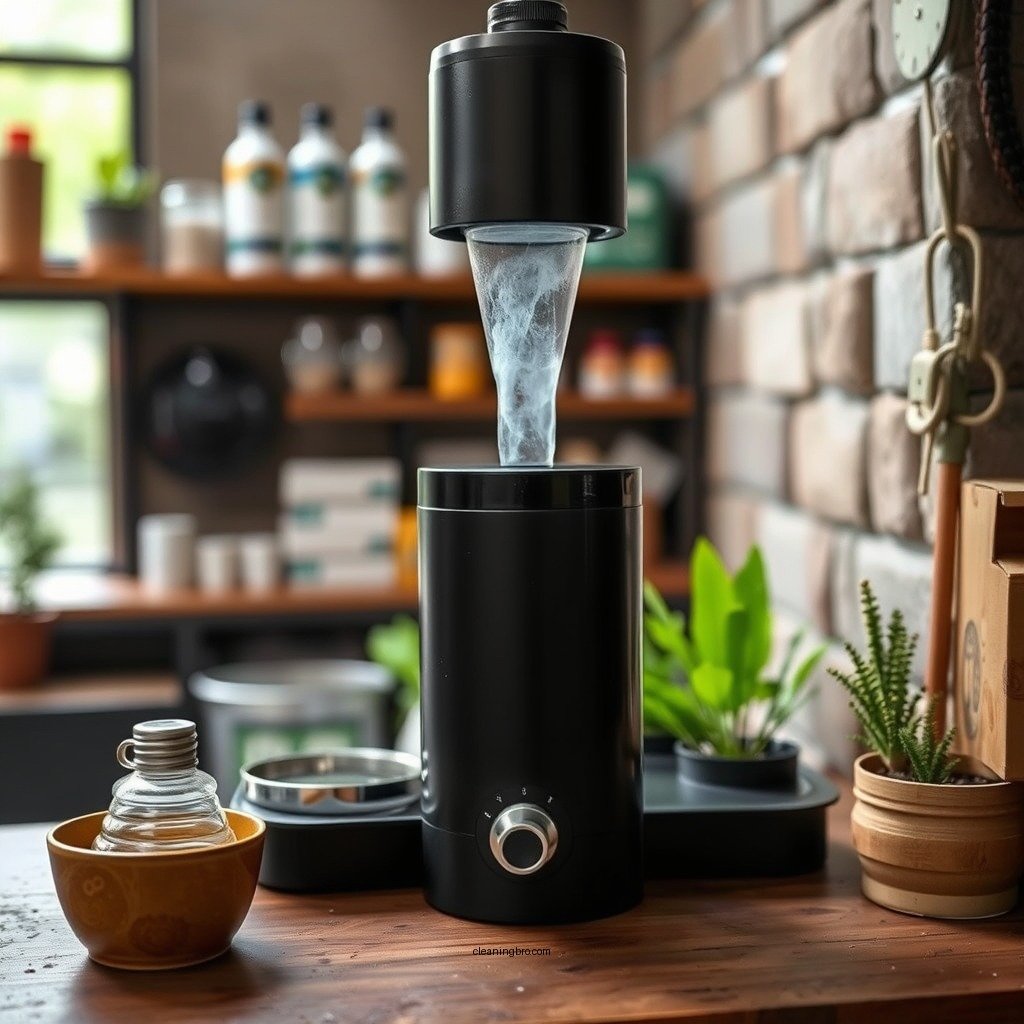
A CO2 diffuser is a crucial component of a planted aquarium, allowing for the efficient distribution of carbon dioxide to aquatic plants. There are several types of diffusers, including ceramic and glass models, each requiring specific cleaning methods. Ceramic diffusers, for instance, can accumulate mineral deposits, while glass diffusers may develop algae or other organic growths. Regular maintenance helps prevent clogs and prolongs the lifespan of the diffuser, ensuring that your aquatic plants receive the necessary CO2 to thrive. By understanding the type of diffuser you have and its cleaning requirements, you can maintain a healthier aquarium.
Tools and Materials Needed
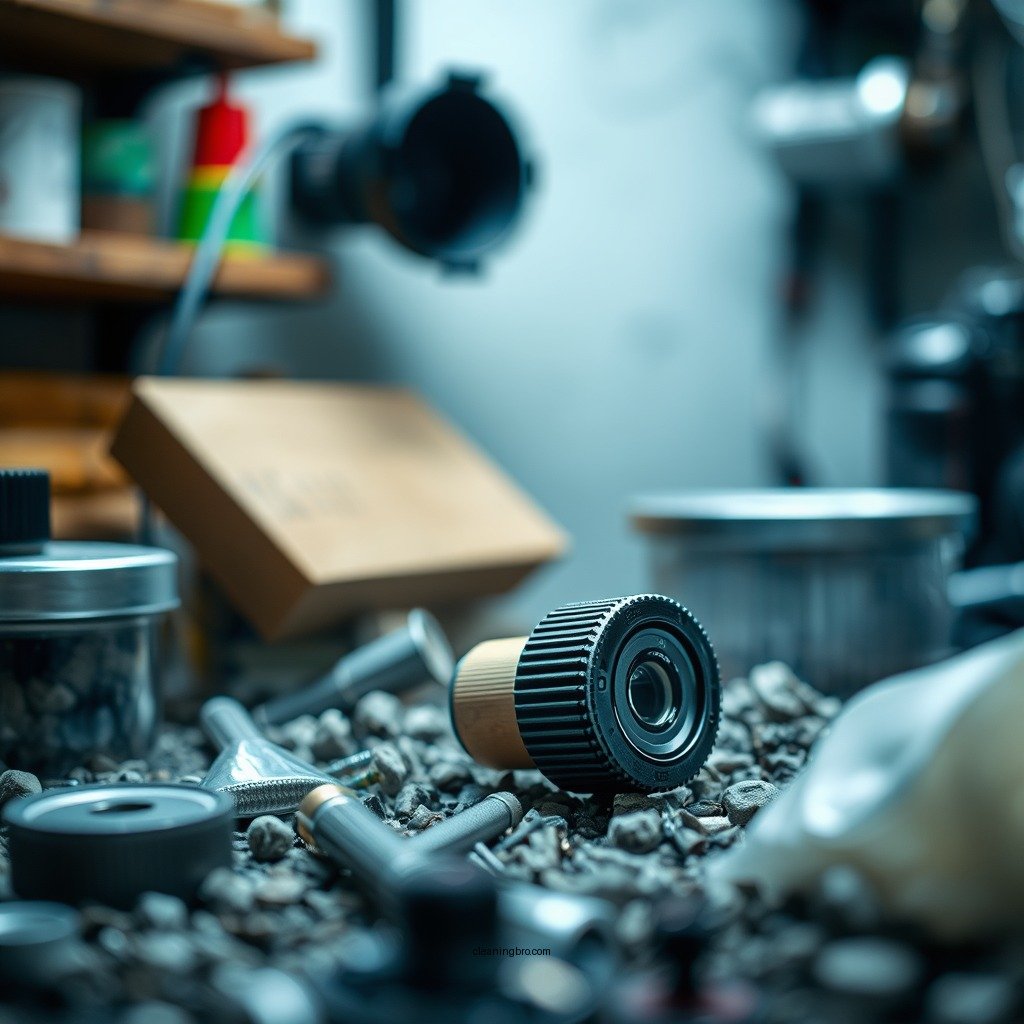
Before beginning the cleaning process, gather the following essential supplies:
– White vinegar (a natural cleaner that dissolves mineral buildup)
– Soft brush (to gently scrub the diffuser without scratching it)
– Bucket (to soak the diffuser in the cleaning solution)
– Water (preferably warm)
– Safety Gear:
– Gloves (to protect your hands from cleaning solutions)
– Goggles (to shield your eyes from splashes)
Having these tools at hand will streamline the cleaning process, making it more efficient and ensuring that you do not overlook any steps.
Step-by-Step Cleaning Process
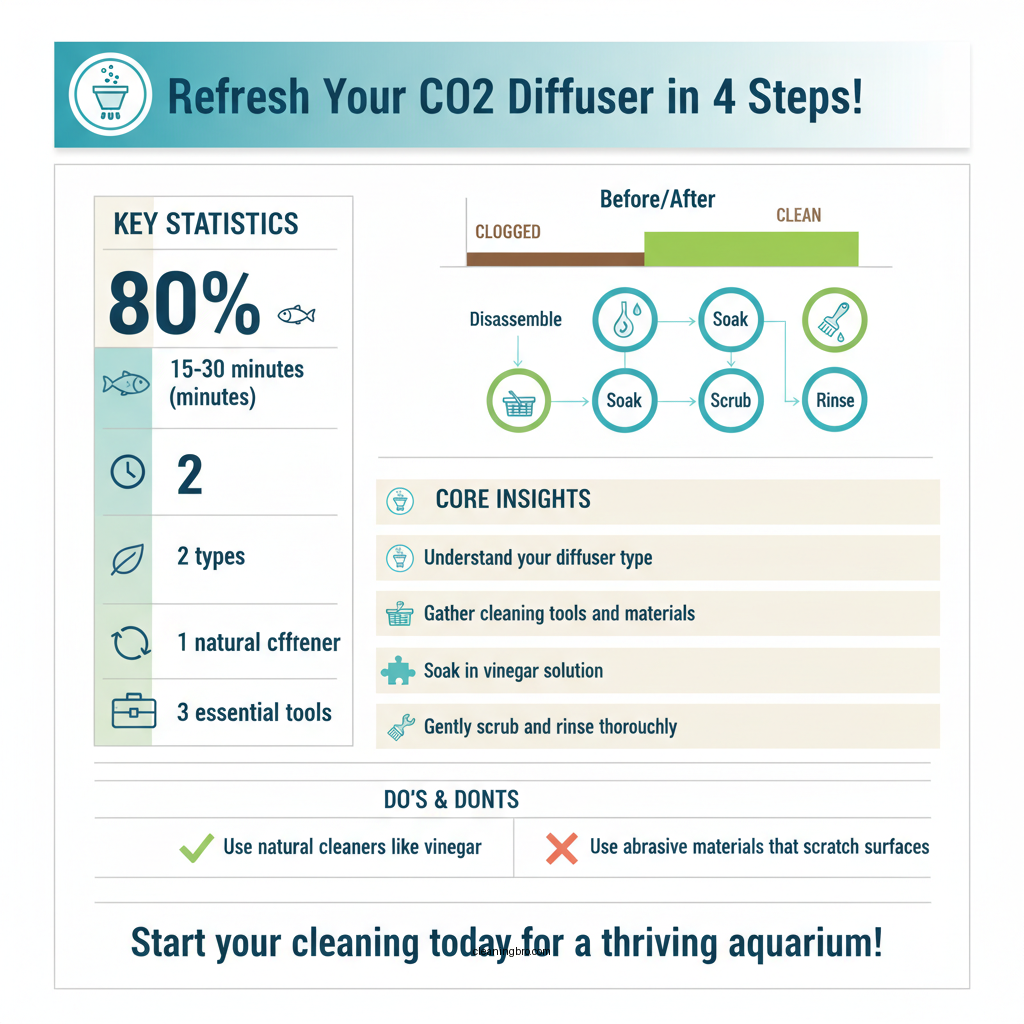
Disassemble the Diffuser
Carefully take apart the diffuser by removing any connecting parts. This process may vary depending on the model, but generally, it involves unscrewing or gently pulling apart the components. Make sure to keep track of small parts like O-rings or screws, as they are essential for reassembly.
Soak in Cleaning Solution
Prepare a mixture of one part white vinegar to two parts water in a bucket. Submerge the disassembled diffuser in this solution and let it soak for 15-30 minutes. The vinegar will help dissolve any mineral deposits and organic matter that may have accumulated over time.
Scrub and Rinse
After soaking, use the soft brush to gently scrub all surfaces of the diffuser. Pay special attention to any areas that show signs of buildup. Once you have scrubbed the diffuser, rinse it thoroughly under warm running water to remove any remaining vinegar and dislodged debris. Ensure that no traces of the cleaning solution remain, as they can harm your aquarium’s inhabitants.
Top 7 CO2 Diffusers by Type (2024)
| # | Diffuser Type | Material | Efficiency | Price Range |
|---|---|---|---|---|
| 1 | Ceramic Diffuser | Ceramic | High | $20-$50 |
| 2 | Glass Diffuser | Glass | Medium | $15-$40 |
| 3 | Inline Diffuser | Plastic/Metal | High | $30-$70 |
| 4 | Atomizer Diffuser | Plastic | Medium | $25-$55 |
| 5 | Bubble Counter Diffuser | Plastic | Low | $10-$30 |
| 6 | Sponge Diffuser | Sponge | Low | $5-$20 |
| 7 | Disc Diffuser | Plastic | Medium | $15-$35 |
Tips for Effective Cleaning
To ensure your CO2 diffuser remains in optimal condition, consider the following tips:
– Regular Cleaning Intervals: Aim to clean your diffuser every 4-6 weeks. Regular maintenance prevents the buildup of minerals and algae, which can impede CO2 diffusion.
– Avoid Harsh Chemicals: Stick to natural cleaning agents like vinegar. Harsh chemicals can damage the materials of the diffuser, leading to decreased performance or irreversible damage.
– Inspect Connection Points: Check for blockages or wear at the connection points during cleaning. Ensuring these areas are clear will help maintain a consistent flow of CO2.
Troubleshooting Common Issues
If your CO2 diffuser is not performing as expected, you might encounter signs like bubbles not forming or slow diffusion. Here’s how to troubleshoot:
– Clogging: If bubbles are minimal or non-existent, check for clogs in the diffuser or tubing. Cleaning these parts may restore functionality.
– Seals and Connections: Ensure all seals and connections are tight. Loose fittings can lead to leaks, reducing the efficiency of CO2 distribution.
– Pressure Issues: Inspect your CO2 cylinder and regulator for any pressure issues. Low pressure can hinder the diffuser’s performance, necessitating a check of your CO2 supply system.
Ceramic vs Glass vs Inline Diffuser: Full Comparison
| Feature | ⭐ Ceramic Diffuser | Glass Diffuser | Inline Diffuser |
|---|---|---|---|
| Price | $20-$50 | $15-$40 | $30-$70 |
| Material | Ceramic | Glass | Plastic/Metal |
| Efficiency | ✅ High | ✅ Medium | ✅ High |
| Cleaning Frequency | Every 4-6 weeks | Every 4-6 weeks | Every 4-6 weeks |
| Risk of Clogging | ❌ Medium | ❌ High | ✅ Low |
| Algae Growth | ❌ Medium | ❌ High | ✅ Low |
| Installation Difficulty | ✅ Easy | ✅ Moderate | ❌ Difficult |
| Durability | ✅ High | ✅ Medium | ✅ High |
| Ideal for Small Tanks | ✅ Yes | ✅ Yes | ❌ No |
| 🏆 Best For | Small to medium tanks | All types of aquariums | Large setups with high flow |
Maintenance Best Practices
To maintain the efficiency of your CO2 diffuser, follow these best practices:
– Regular Inspection: Routinely check your diffuser for any signs of wear or damage. Look for cracks in the material or loose fittings, which could lead to inefficiencies.
– Proper Installation Techniques: Ensure that your diffuser is installed correctly to minimize buildup. This includes securing all connections and ensuring that the diffuser is positioned at an optimal angle for gas diffusion.
– Monitor CO2 Levels: Regularly check the CO2 levels in your aquarium using a CO2 indicator or drop checker. This will help you assess the effectiveness of your diffuser and make adjustments as necessary.
In summary, cleaning your CO2 diffuser is a straightforward process that involves disassembly, soaking, scrubbing, and rinsing. By following these steps regularly, you can ensure optimal performance and maintain a healthy aquatic environment. For more tips and tricks on aquarium care, subscribe to our blog for updates!
Frequently Asked Questions
How often should I clean my CO2 diffuser?
It is recommended to clean your CO2 diffuser every two to four weeks, depending on the usage and water quality in your aquarium. Regular cleaning helps prevent buildup of algae and mineral deposits, ensuring efficient gas diffusion and maintaining optimal conditions for your aquatic life.
What is the best way to clean a CO2 diffuser?
The best way to clean a CO2 diffuser is to first disassemble it and soak the components in a solution of vinegar and water for about 30 minutes. After soaking, use a soft brush to gently scrub any remaining residue, rinse thoroughly with clean water, and reassemble the diffuser to ensure it operates effectively.
Why is it important to clean my CO2 diffuser?
Cleaning your CO2 diffuser is crucial because a dirty diffuser can lead to reduced gas diffusion efficiency, resulting in lower CO2 levels in your aquarium. This can negatively impact plant growth and overall health of aquatic life, so regular maintenance is essential for a thriving aquatic environment.
Which tools do I need to clean my CO2 diffuser effectively?
To clean your CO2 diffuser effectively, you will need a soft brush or toothbrush, a small bowl for soaking, and a vinegar solution or aquarium-safe cleaner. These tools will help you remove any buildup without damaging the delicate components of the diffuser.
How can I tell if my CO2 diffuser needs cleaning?
You can tell if your CO2 diffuser needs cleaning if you notice a decrease in bubble count or if bubbles appear larger and less consistent. Additionally, if you see visible algae growth or mineral deposits on the diffuser, it’s a clear sign that it’s time for a thorough cleaning to restore optimal performance.
References
- Diffuser
https://en.wikipedia.org/wiki/Diffuser - https://www.ncbi.nlm.nih.gov/pmc/articles/PMC5372936/
https://www.ncbi.nlm.nih.gov/pmc/articles/PMC5372936/ - Google Scholar Google Scholar
https://scholar.google.com/scholar?q=cleaning+CO2+diffuser - https://www.sciencedirect.com/topics/agricultural-and-biological-sciences/diffuser
https://www.sciencedirect.com/topics/agricultural-and-biological-sciences/diffuser - Diffusion | Definition & Examples | Britannica
https://www.britannica.com/science/diffusion - Acknowledgements – Venous thromboembolism in over 16s – NCBI Bookshelf
https://www.ncbi.nlm.nih.gov/books/NBK561785/ - Google Scholar Google Scholar
https://scholar.google.com/scholar?q=CO2+diffuser+maintenance - https://www.ncbi.nlm.nih.gov/pmc/articles/PMC6951537/
https://www.ncbi.nlm.nih.gov/pmc/articles/PMC6951537/ - https://www.nature.com/articles/s41598-019-45222-5
https://www.nature.com/articles/s41598-019-45222-5 - https://www.cdc.gov/niosh/docs/2018-129/pdfs/2018-129.pdf
https://www.cdc.gov/niosh/docs/2018-129/pdfs/2018-129.pdf