How to Clean a Coolant Spill: Step-by-Step Guide
Cleaning a coolant spill requires prompt action to minimize damage and ensure safety. The essential first steps include wearing protective gear and utilizing absorbent materials to soak up the spill. In this article, you will learn the necessary steps and best practices for effectively cleaning up coolant spills, whether at home or in a professional setting.
Understanding Coolant Spills
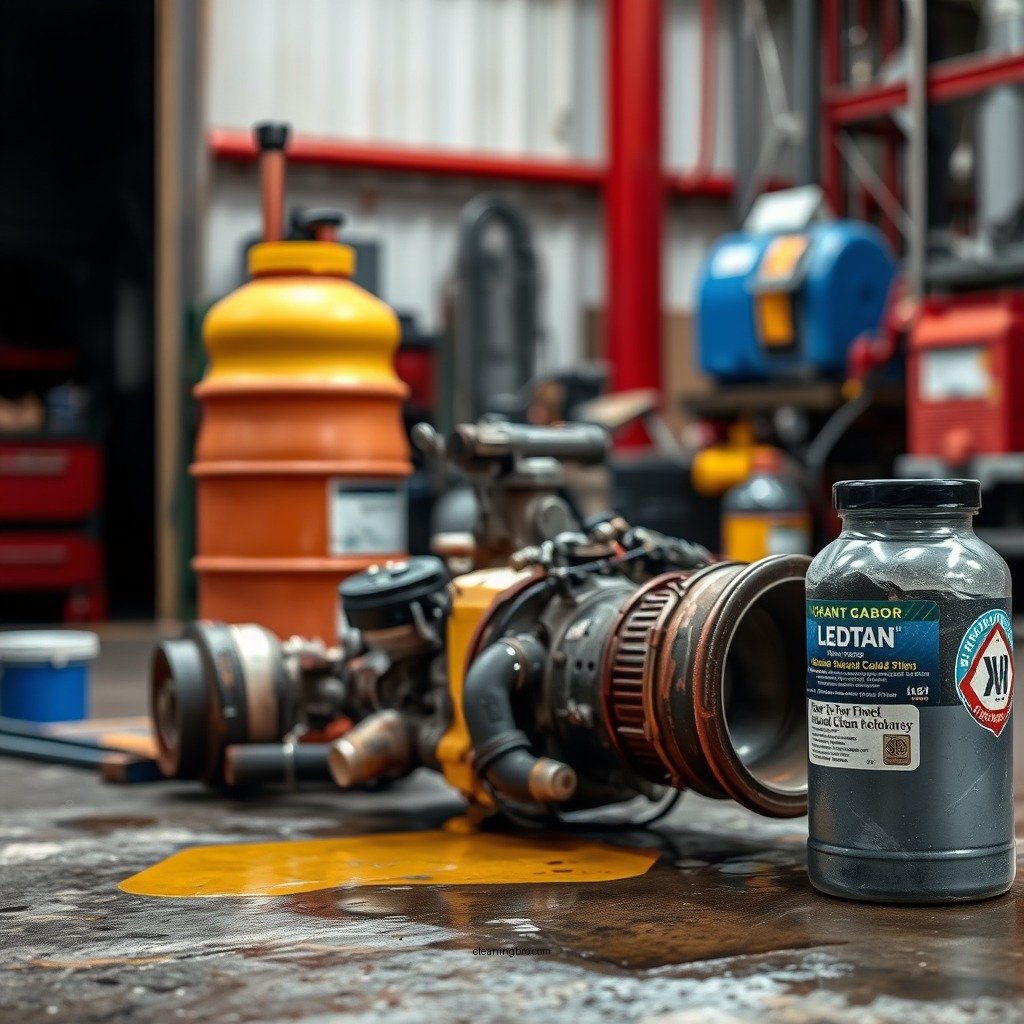
Coolants are fluids that help regulate the temperature of engines or machinery. The most common types of coolant include ethylene glycol and propylene glycol. Ethylene glycol is a colorless, odorless liquid that can be toxic if ingested, causing serious health issues including kidney damage and neurological problems. Conversely, propylene glycol is often considered safer for environments where food and animals are present, as it is less toxic.
Environmental hazards associated with coolant spills cannot be overlooked. Both types of coolant can contaminate soil and water, leading to ecological damage. For example, ethylene glycol has a low biodegradability rate and can severely affect aquatic life. Therefore, understanding the type of coolant in use and its specific properties is crucial for effective cleanup and mitigation of potential hazards.
Safety Precautions
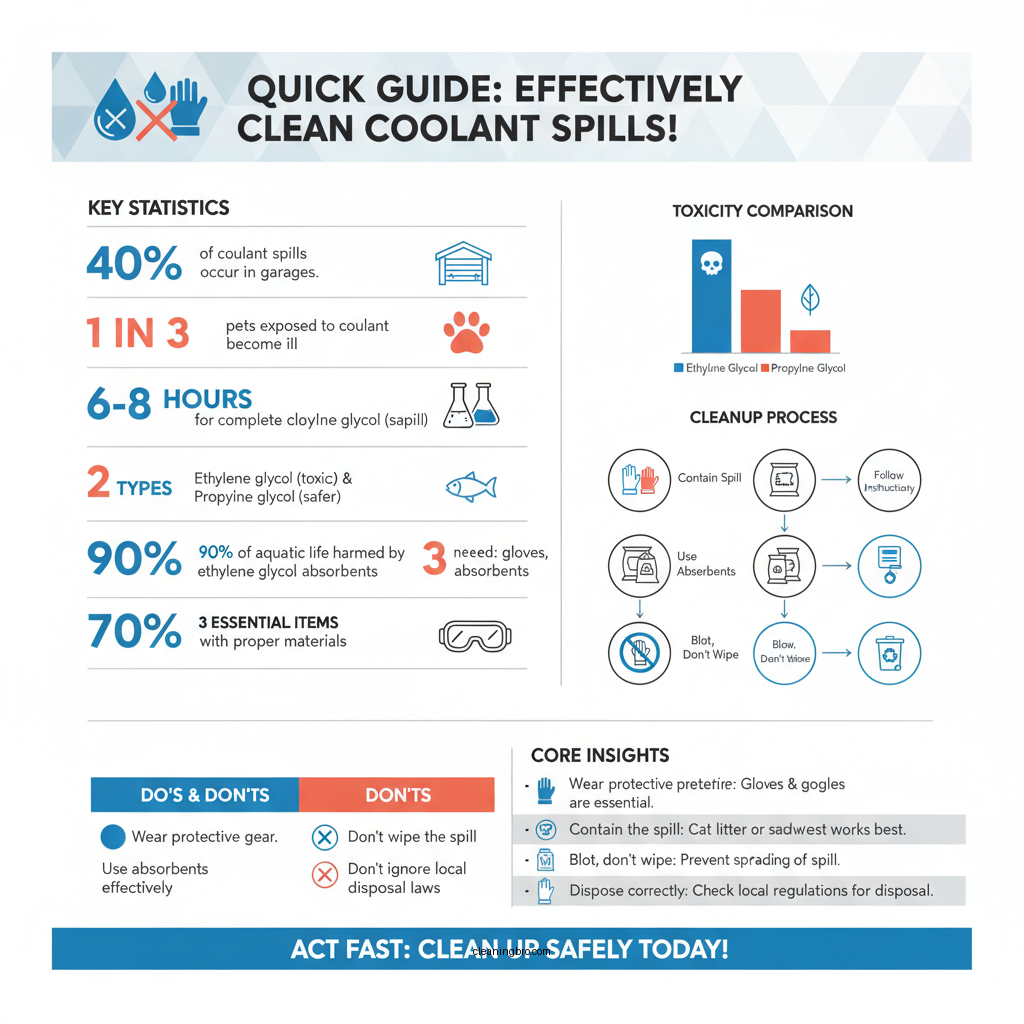
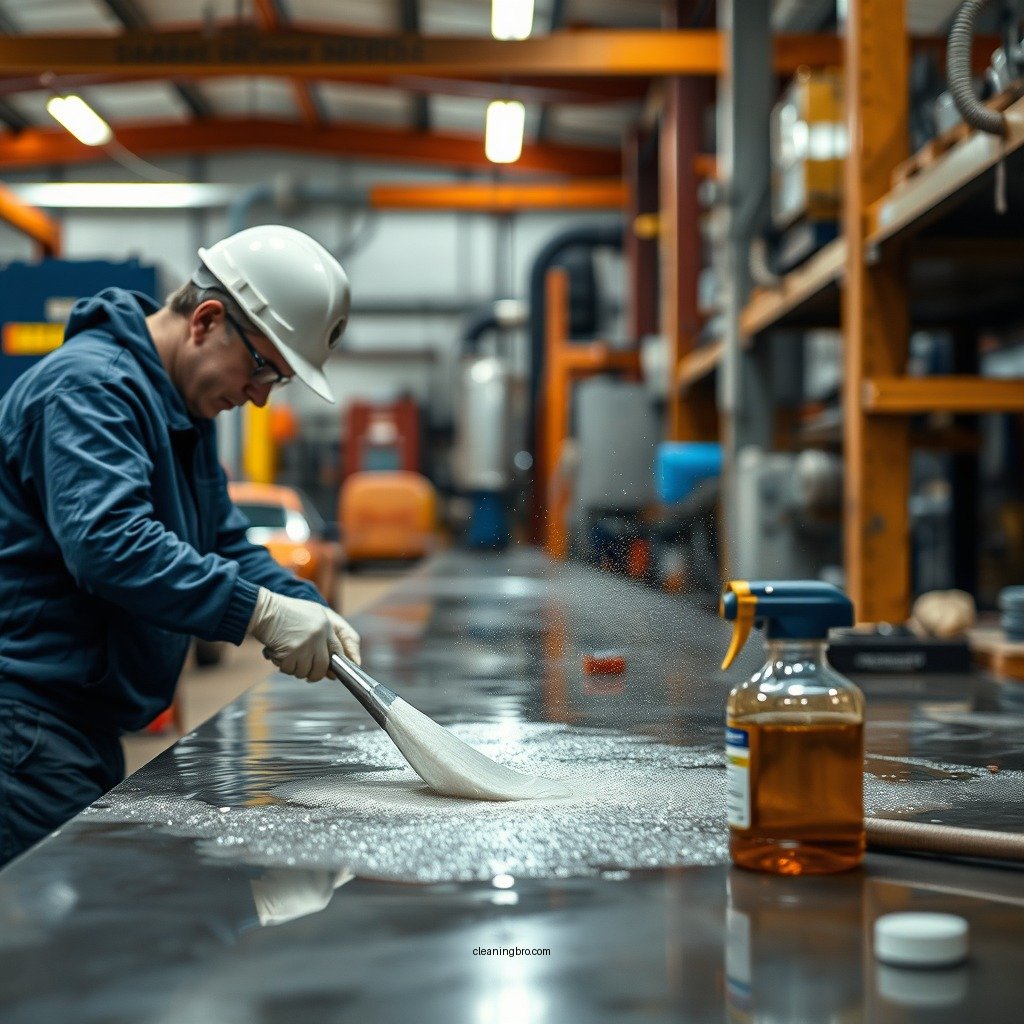
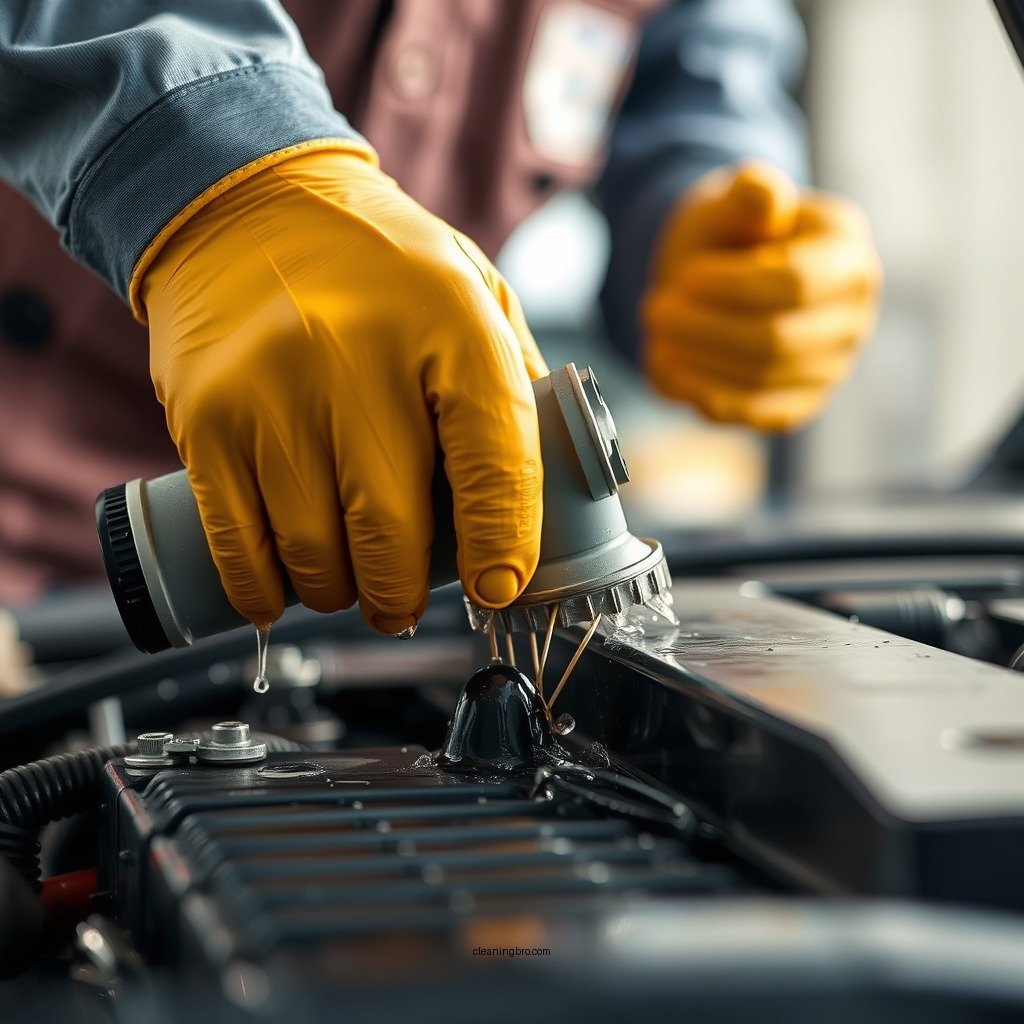
The importance of safety during a coolant spill cleanup cannot be overstated. Always wear gloves and goggles to protect your skin and eyes from harmful chemicals. Coolants can irritate the skin and cause severe eye damage upon contact. It is also essential to keep pets and children away from the spill area, as they may inadvertently come into contact with the hazardous substance. Establishing a safe perimeter around the spill can further ensure that no one is accidentally harmed during the cleanup process.
Initial Cleanup Steps
The initial steps in cleaning a coolant spill focus on containment and absorption. Utilize absorbent materials such as cat litter, sawdust, or specialized absorbents designed for liquid spills. Spread these materials generously over the spill to soak up as much coolant as possible.
It’s crucial to blot the area rather than wipe it, as wiping can spread the coolant further and create a larger affected area. Once the absorbent material has been used, allow it to sit for the recommended time according to the product instructions to maximize absorption.
Common Absorbents for Coolant Spills
| # | Material | Absorption Rate | Eco-Friendly | Cost |
|---|---|---|---|---|
| 1 | Cat Litter | High | Yes | $5-$10 |
| 2 | Sawdust | Moderate | Yes | $3-$7 |
| 3 | Specialized Absorbents | Very High | Depends on Type | $20-$50 |
| 4 | Oil Dry | Moderate | No | $10-$15 |
| 5 | Coconut Coir | High | Yes | $15-$25 |
| 6 | Paper Towels | Low | No | $5 |
| 7 | Sand | Moderate | Yes | $3-$5 |
Proper Disposal Methods
Disposing of contaminated materials is a critical aspect of coolant spill cleanup. Never dispose of absorbent materials, rags, or any other items used in the cleanup in regular trash. These materials may still contain toxic substances that can leach into the environment.
Consult local regulations regarding hazardous waste disposal to ensure compliance. Many communities have designated hazardous waste drop-off facilities where such materials can be safely disposed of. It’s also advisable to contact your local waste management authority for specific disposal guidelines in your area.
Cleaning the Affected Area
After the bulk of the spill has been absorbed and disposed of, the next step is to clean the affected area thoroughly. Recommended cleaning solutions include a mixture of soap and water or specialized cleaners designed to neutralize coolant.
To ensure thorough cleaning, use a scrub brush to work the cleaning solution into the surface, effectively removing any residue. Once cleaned, rinse the area with plenty of water and allow it to air dry. This process helps prevent any lingering chemical residue that could pose a risk to health or the environment.
Preventing Future Spills
Prevention is always better than cure. Regularly check coolant levels in vehicles or machinery to avoid overflows and leaks. Inspect hoses, connections, and tanks for wear and tear, as these can be common sources of leaks.
Best practices for coolant storage include keeping containers sealed and stored upright in a cool, dry place, away from direct sunlight. Label containers clearly and ensure they are stored in an area that is easily accessible for routine checks.
When to Call a Professional
It’s important to recognize when a spill is beyond DIY cleanup. Indicators include large spills, spills in confined spaces, or spills involving multiple hazardous materials. If you are uncertain about handling the situation safely, calling a professional cleanup service is advisable.
Professional services have the training, equipment, and knowledge to deal with hazardous materials effectively. They can also provide the necessary documentation to ensure that cleanup complies with local regulations.
By following these steps, you can ensure that coolant spills are handled effectively and safely. Keeping your environment clean and safe is crucial, so be proactive in your approach to spills. If you ever find yourself in doubt or the situation seems too hazardous, don’t hesitate to contact professionals for assistance.
Frequently Asked Questions
What are the first steps to take when cleaning a coolant spill?
The first steps to clean a coolant spill include wearing protective gloves and eyewear to safeguard against harmful chemicals. Next, immediately contain the spill using absorbent materials like paper towels or a spill kit, and avoid letting the coolant spread further. Once contained, you can proceed to absorb the liquid and clean the area thoroughly.
How do I safely dispose of coolant-soaked materials after a spill?
To safely dispose of coolant-soaked materials, place them in a sealed plastic bag or container to prevent leakage. Then, check with your local waste management facility for specific guidelines on hazardous waste disposal, as used coolant is classified as hazardous waste and requires special handling.
Why is it important to clean up a coolant spill promptly?
Cleaning up a coolant spill promptly is crucial because coolant can be toxic to humans and pets, and it poses environmental risks if it seeps into the ground or water supply. Additionally, leaving a spill unattended can lead to slippery surfaces, increasing the risk of accidents. Timely cleanup helps maintain safety and prevents potential legal liabilities.
What is the best method for cleaning a coolant spill on concrete?
The best method for cleaning a coolant spill on concrete involves using an absorbent material such as kitty litter or commercial absorbents to soak up the coolant. After letting it sit for several hours, sweep up the absorbent and wash the area with a mixture of warm water and mild detergent. Rinse thoroughly to ensure that no residue remains, which could attract pests.
Which cleaning products are effective for removing coolant stains from fabric?
Effective cleaning products for removing coolant stains from fabric include enzyme-based cleaners or specialized automotive fabric cleaners that target oil and grease stains. Apply the product according to the manufacturer’s instructions, letting it sit for the recommended time before blotting and rinsing. Always test the cleaner on a small, inconspicuous area first to avoid damaging the fabric.
References
- Coolant
https://en.wikipedia.org/wiki/Coolant - https://www.epa.gov/hw/cleaning-up-spills-hazardous-materials
https://www.epa.gov/hw/cleaning-up-spills-hazardous-materials - https://pubmed.ncbi.nlm.nih.gov/26731332/
https://pubmed.ncbi.nlm.nih.gov/26731332/ - https://www.cdc.gov/niosh/topics/spills/default.html
https://www.cdc.gov/niosh/topics/spills/default.html - https://www.nature.com/articles/s41598-020-78204-8
https://www.nature.com/articles/s41598-020-78204-8 - https://www.sciencedirect.com/science/article/pii/S0160412018317981
https://www.sciencedirect.com/science/article/pii/S0160412018317981 - Google Scholar Google Scholar
https://scholar.google.com/scholar?q=how+to+clean+coolant+spill - Google Scholar Google Scholar
https://scholar.google.com/scholar?q=coolant+spill+cleanup+procedures - Google Scholar Google Scholar
https://scholar.google.com/scholar?q=environmental+impact+of+coolant+spills - https://www.mayoclinic.org/healthy-lifestyle/environmental-health/in-depth/hazardous-materials-cleanup/art-20046469
https://www.mayoclinic.org/healthy-lifestyle/environmental-health/in-depth/hazardous-materials-cleanup/art-20046469