How to Clean Damascus Steel: Effective Techniques and Tips
Cleaning Damascus steel is essential for maintaining its beauty and preventing corrosion. To clean your Damascus steel items effectively, you’ll want to use gentle cleaning methods and avoid harsh chemicals. This article will guide you through the best practices for cleaning and caring for your Damascus steel knives or tools, ensuring they remain functional and aesthetically pleasing for years to come.
Understanding Damascus Steel
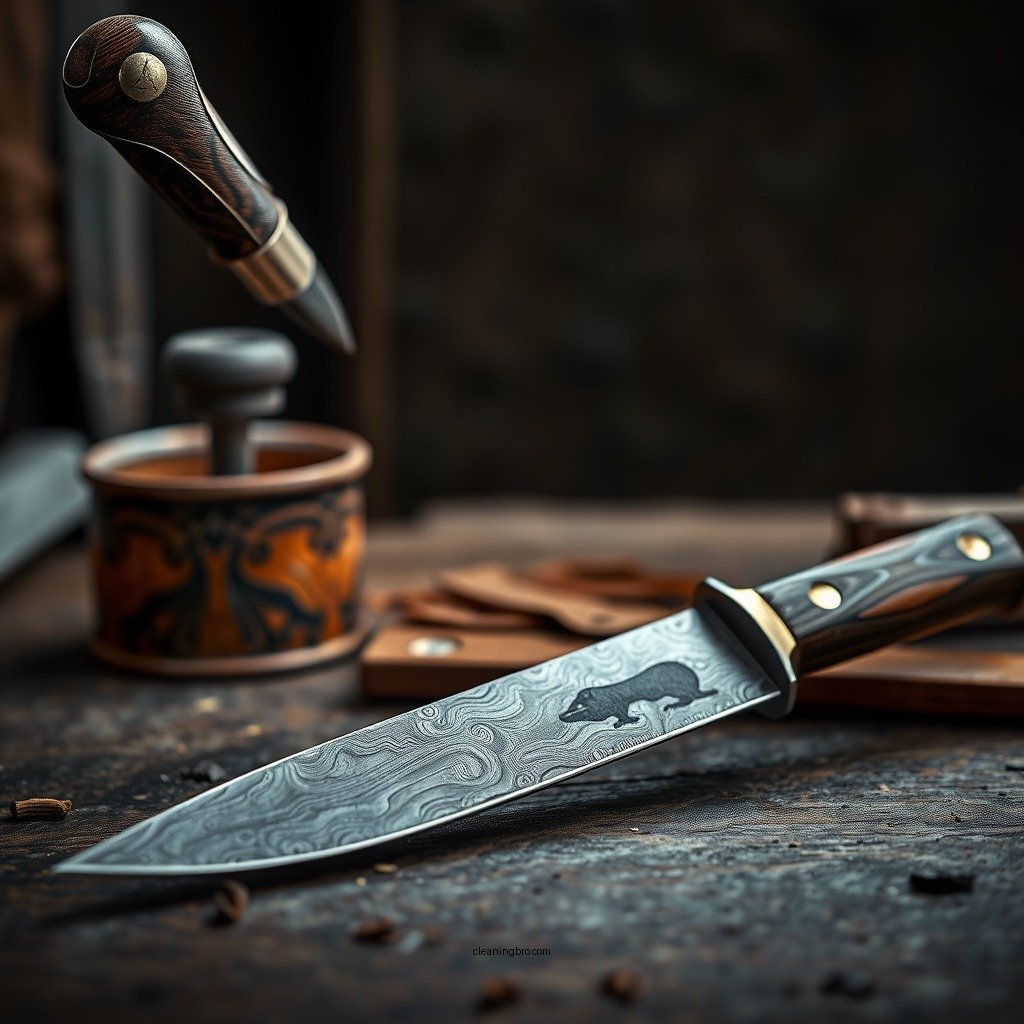
Damascus steel is renowned for its distinct patterns and exceptional strength, created by layering different types of steel. This unique structure not only contributes to the blade’s beauty but also impacts its maintenance. Understanding the composition of Damascus steel—typically consisting of high-carbon steel layers forged together—allows you to choose appropriate cleaning methods that won’t compromise its integrity. The layered design can be susceptible to corrosion if not cared for properly; thus, knowing how to clean it effectively is critical to preserving both its functionality and appearance.
Tools and Materials Needed
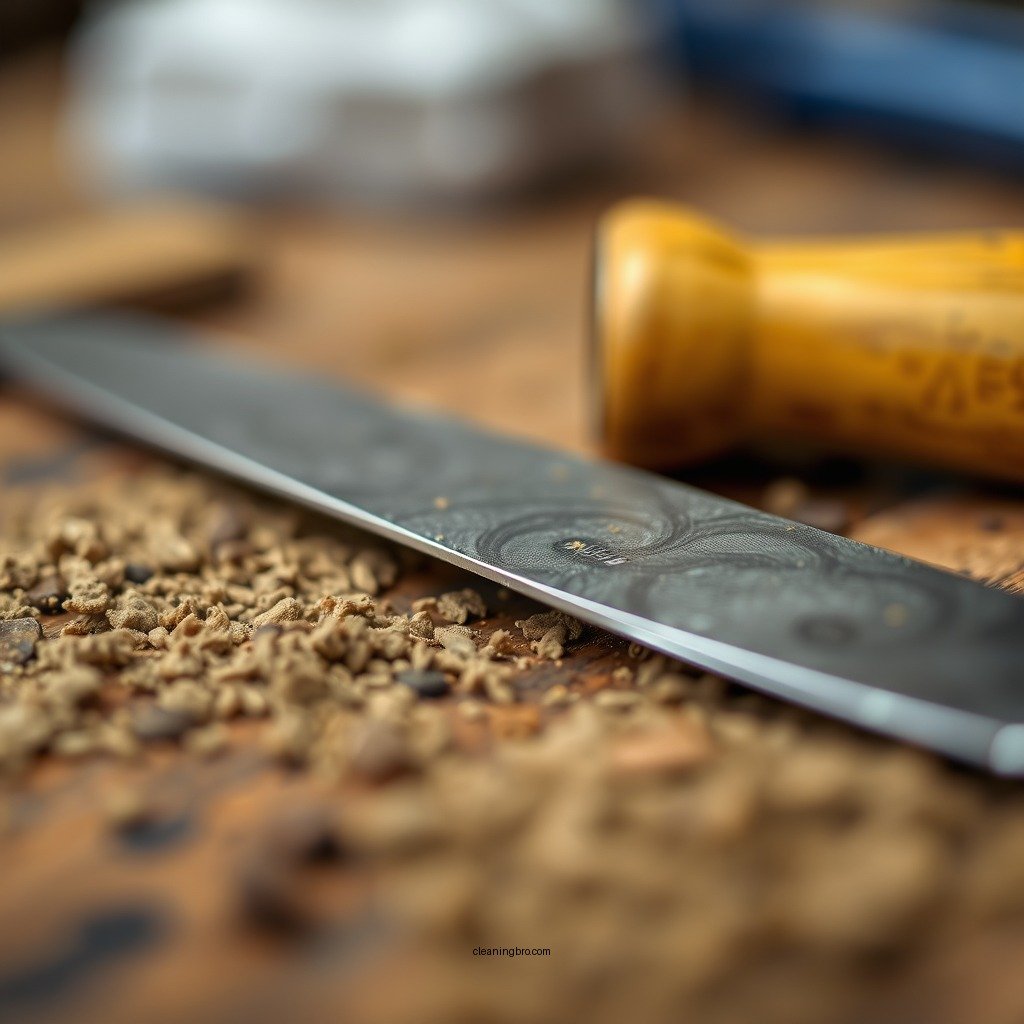
To clean your Damascus steel items effectively, gather the following tools and materials:
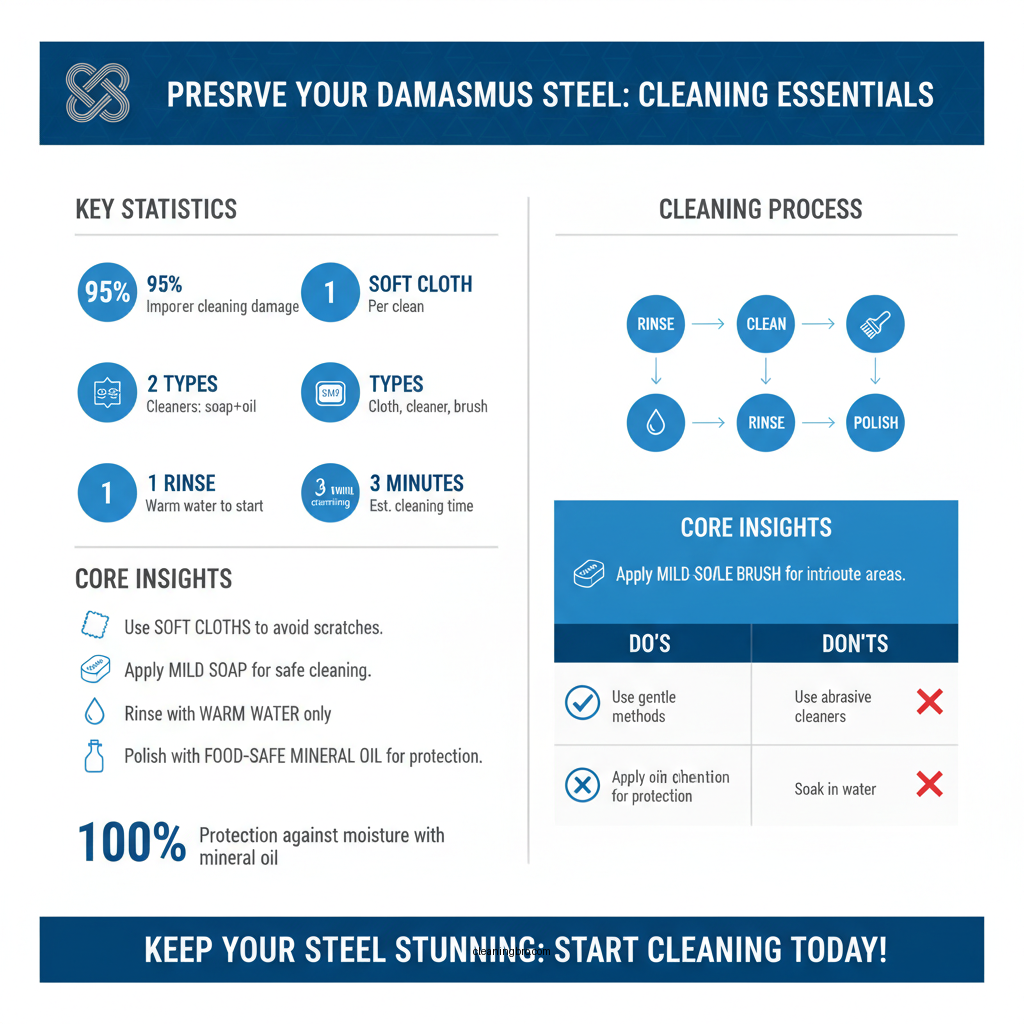
– Soft cloths or microfiber towels: These are essential for gentle cleaning without scratching the surface of the steel.
– Mild soap or specialized metal cleaner: Always opt for non-abrasive cleaners to protect the finish and ensure that the intricate patterns remain intact.
– A soft-bristle brush: This can help clean hard-to-reach areas without damaging the surface.
– Food-safe mineral oil: This not only helps in polishing but also adds a protective layer against moisture and corrosion.
By using the right tools, you can ensure that your Damascus steel items are cleaned without risk of damage.
Step-by-Step Cleaning Process
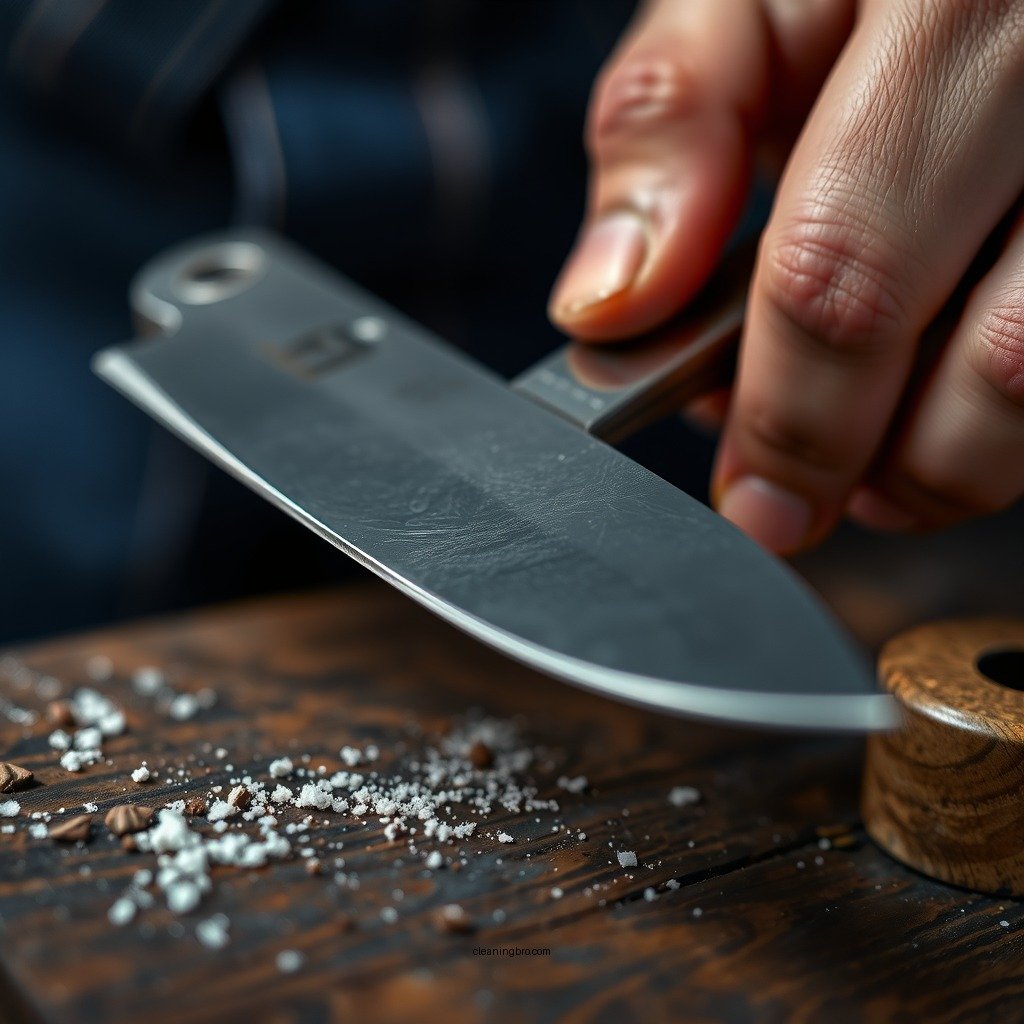
Follow these steps for an effective cleaning process:
– Rinse under warm water: Start by rinsing your Damascus steel item under warm water to remove any debris or food particles. Avoid using hot water, as it can cause the steel to expand and contract rapidly, potentially leading to warping.
– Apply cleaner: Use a small amount of mild soap on a soft cloth or sponge. Gently scrub the surface in a circular motion. Make sure to focus on any areas with built-up grime or residue, but avoid excessive scrubbing that could damage the finish.
– Use a soft-bristle brush: For intricate patterns or hard-to-reach spots, a soft-bristle brush can effectively remove dirt without scratching the surface. Ensure that you use light pressure when scrubbing.
– Rinse thoroughly: After cleaning, rinse the item again under warm water to remove any soap residue, which can attract dirt if left on the surface.
– Dry immediately: Use a soft cloth to dry the item thoroughly. This step is crucial to prevent water spots and rust from forming.
Top 7 Damascus Steel Brands by Quality and Popularity (2024)
| # | Brand | Material Quality | Pattern Complexity | Popularity Rating |
|---|---|---|---|---|
| 1 | Shun | High | Intricate | ★★★★★ |
| 2 | Dalstrong | High | Complex | ★★★★☆ |
| 3 | Miyabi | Very High | Exquisite | ★★★★☆ |
| 4 | Global | High | Moderate | ★★★★☆ |
| 5 | Victorinox | High | Simple | ★★★☆☆ |
| 6 | Ninja | Moderate | Intricate | ★★☆☆☆ |
| 7 | Kershaw | Good | Moderate | ★★★☆☆ |
Drying and Polishing
After cleaning, the drying process is just as crucial.
– Dry immediately with a soft cloth: This prevents water spots and rust from forming. Use a clean, dry cloth to ensure moisture is completely removed from the surface. Pay special attention to areas where moisture might accumulate, such as the pivot points of folding knives or the bolsters.
– Consider using a food-safe mineral oil: After drying, applying a thin layer of mineral oil can enhance the shine and provide a protective barrier against moisture and corrosion. Simply apply a few drops to a clean cloth and wipe down the blade, ensuring an even coat. This step not only improves the appearance of your Damascus steel but also extends its lifespan.
Preventative Maintenance
Maintaining your Damascus steel items goes beyond just cleaning. Here are some preventative measures:
– Regular cleaning after each use: This practice helps maintain the steel’s integrity and appearance. Ideally, you should clean your Damascus steel items after each use, especially if they have come into contact with food or moisture.
– Store properly: Store your Damascus steel items in a dry place. When storing knives, consider using protective sheaths or covers to prevent scratches and moisture accumulation. If you’re storing them in a drawer, ensure they are separated to avoid contact with other metal items, which can lead to scratching.
Common Mistakes to Avoid
When cleaning and maintaining Damascus steel, avoid these common pitfalls:
– Avoid soaking in water: Prolonged exposure to water can lead to rusting and damage. Never leave your Damascus steel items submerged in water or in a damp environment.
– Don’t use abrasive cleaners or scouring pads: These can scratch the surface and ruin the intricate pattern of the steel. Stick to soft cloths and mild soaps to ensure you don’t inadvertently damage your investment.
When to Seek Professional Help
There may come a time when your Damascus steel items require more than just basic cleaning:
– Recognizing when to consult a professional: If your Damascus steel has significant rust or damage, seeking expert help may be necessary. A professional can restore the steel’s original beauty and functionality.
– Choosing the right professional: Look for specialists in metal restoration or those who specifically work with high-end cutlery. Their expertise will ensure that your Damascus steel items receive the care they need.
Maintaining the beauty and functionality of your Damascus steel items is achievable with the right cleaning techniques. Regular care, proper tools, and avoiding common mistakes will ensure your items remain in pristine condition. By implementing these tips, you can enjoy the elegance and durability of your Damascus steel for years to come!
Frequently Asked Questions
How do I properly clean Damascus steel knives without damaging them?
To clean Damascus steel knives, start by rinsing them under warm water to remove any food particles. Use a soft sponge or cloth with mild dish soap to gently scrub the blade, avoiding abrasive materials that could scratch the surface. After cleaning, dry the knife immediately with a soft towel to prevent rusting, and consider applying a light coat of mineral oil to protect the blade.
What is the best way to remove rust from Damascus steel?
The best way to remove rust from Damascus steel is to create a paste using baking soda and water. Apply the paste to the rusted area and gently scrub with a soft cloth or toothbrush until the rust lifts. Afterward, rinse the blade with water, dry it thoroughly, and apply a thin layer of oil to prevent future rust formation.
Why is it important to keep Damascus steel clean and well-maintained?
Keeping Damascus steel clean is crucial because it helps to maintain its unique pattern and prevents corrosion. The intricate layers of steel can trap moisture and debris, which may lead to rust and dullness over time. Regular cleaning and maintenance ensure that your Damascus steel retains its aesthetic appeal and functional sharpness.
Which cleaning products are safe to use on Damascus steel?
When cleaning Damascus steel, it’s best to use mild dish soap and warm water, as harsh chemicals can damage the finish. Avoid abrasive cleaners, steel wool, or scouring pads that can scratch the surface. Additionally, using food-safe mineral oil after cleaning can help protect the blade from moisture and enhance its appearance.
How often should I clean my Damascus steel knife?
You should clean your Damascus steel knife after each use to prevent food residue and moisture from causing corrosion. Additionally, if you notice any signs of rust or buildup, clean the knife immediately. Regular maintenance not only keeps the knife looking beautiful but also ensures its longevity and performance in the kitchen.
References
- Damascus steel
https://en.wikipedia.org/wiki/Damascus_steel - https://pubmed.ncbi.nlm.nih.gov/
https://pubmed.ncbi.nlm.nih.gov/ - https://www.sciencedirect.com/topics/materials-science/damascus-steel
https://www.sciencedirect.com/topics/materials-science/damascus-steel - Google Scholar Google Scholar
https://scholar.google.com/scholar?q=how+to+clean+damascus+steel - Google Scholar Google Scholar
https://scholar.google.com/scholar?q=Damascus+steel+maintenance - Google Scholar Google Scholar
https://scholar.google.com/scholar?q=cleaning+Damascus+steel+knives - Damascus steel | Description, Production, & Facts | Britannica
https://www.britannica.com/science/Damascus-steel - Journals | Royal Society
https://www.royalsociety.org/journals/ - https://www.nature.com/articles/
https://www.nature.com/articles/ - https://www.cdc.gov/healthywater/drinking/home-water-treatment.html
https://www.cdc.gov/healthywater/drinking/home-water-treatment.html