How to Clean Dental Braces: A Step-by-Step Guide
Keeping your dental braces clean is crucial for maintaining oral hygiene and preventing issues like plaque buildup and cavities. Proper cleaning techniques not only contribute to a healthier mouth but also enhance the effectiveness of your orthodontic treatment. In this guide, you’ll learn effective methods and practical tips for cleaning your braces thoroughly, ensuring your teeth and gums remain healthy throughout your orthodontic journey.
Understanding the Importance of Cleaning Braces
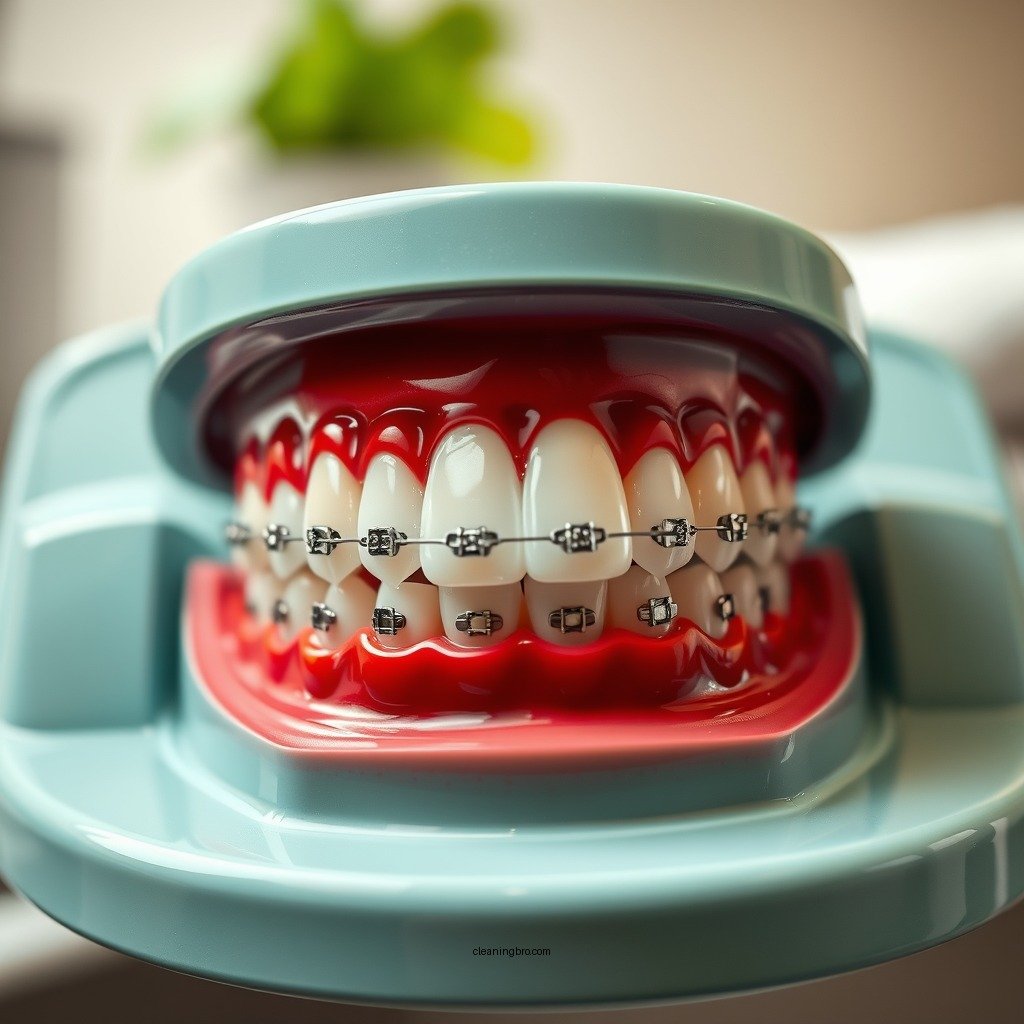
Maintaining clean braces is essential for several reasons. First and foremost, clean braces help prevent cavities and gum disease. Brackets, wires, and bands can trap food particles and plaque, leading to bacteria growth that can result in dental issues if not addressed. Regular cleaning routines are vital in reducing the risk of these problems.
Moreover, maintaining oral hygiene also supports the effectiveness of your orthodontic treatment. When braces are cleaned properly, the teeth can shift into their desired positions more effectively, reducing the overall time spent in treatment. Neglecting to clean your braces can lead to complications that may extend the duration of your orthodontic care.
Essential Tools for Cleaning Braces
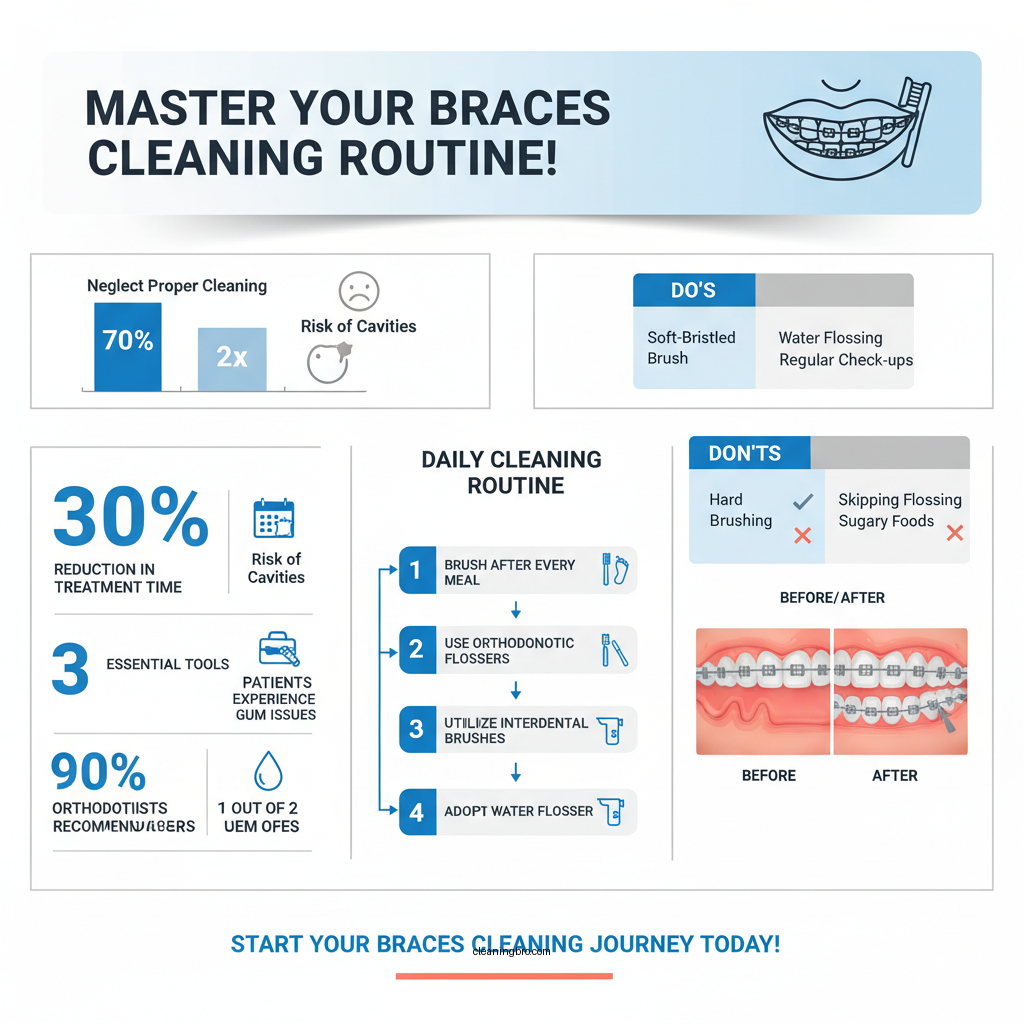
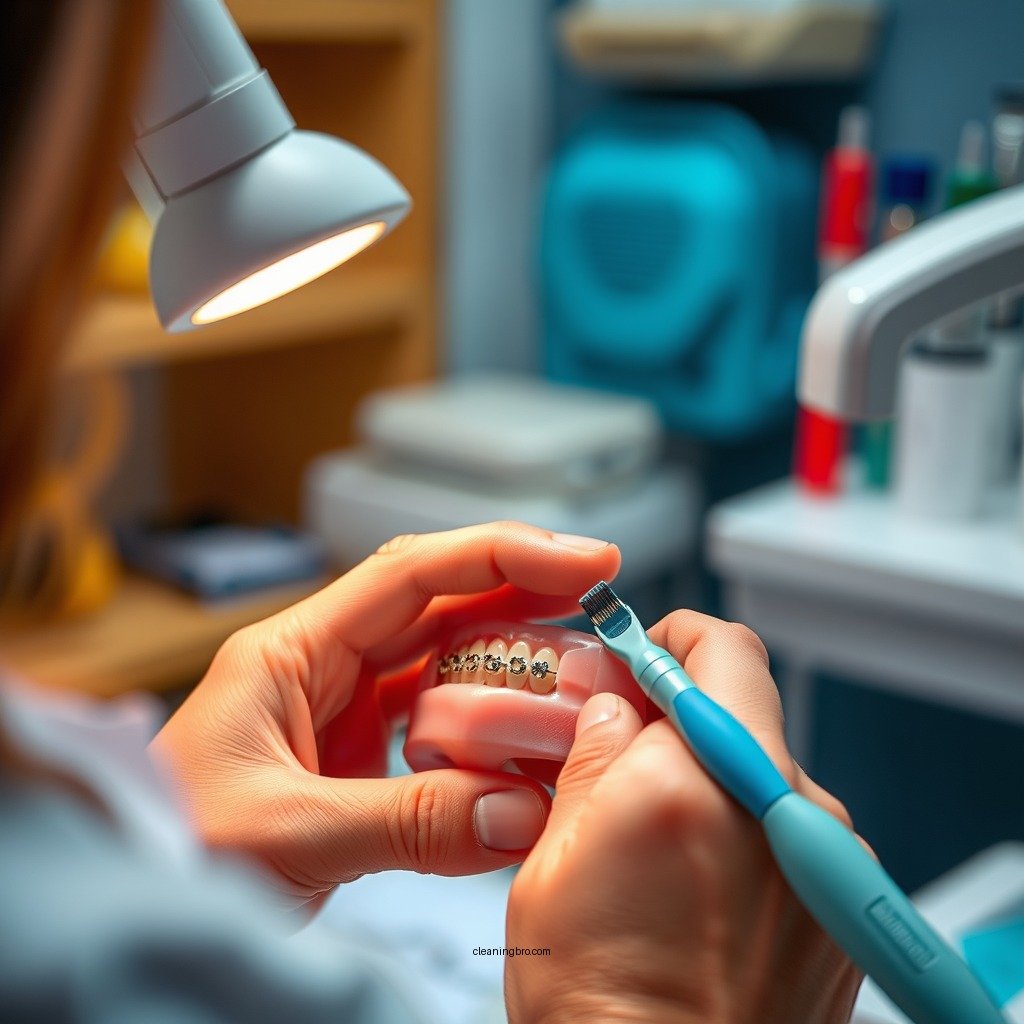
The right tools can make a significant difference in how effectively you clean your braces. Here are some essential tools you should consider incorporating into your oral hygiene routine:
– Soft-Bristled Toothbrush: A toothbrush designed specifically for braces is ideal. It features soft bristles that can gently clean around the brackets and wires without causing damage.
– Orthodontic Flossers: These are specially designed flossers that allow you to access difficult areas between brackets and wires. They often come with a built-in threader that makes flossing easier and more effective.
– Interdental Brushes: These small brushes are perfect for cleaning between the brackets and wires, helping to remove food particles and plaque that a regular toothbrush might miss.
– Water Flosser: A water flosser can be beneficial for those with braces. It uses a stream of pulsating water to remove plaque and food debris from between teeth and around braces.
Daily Cleaning Routine for Braces
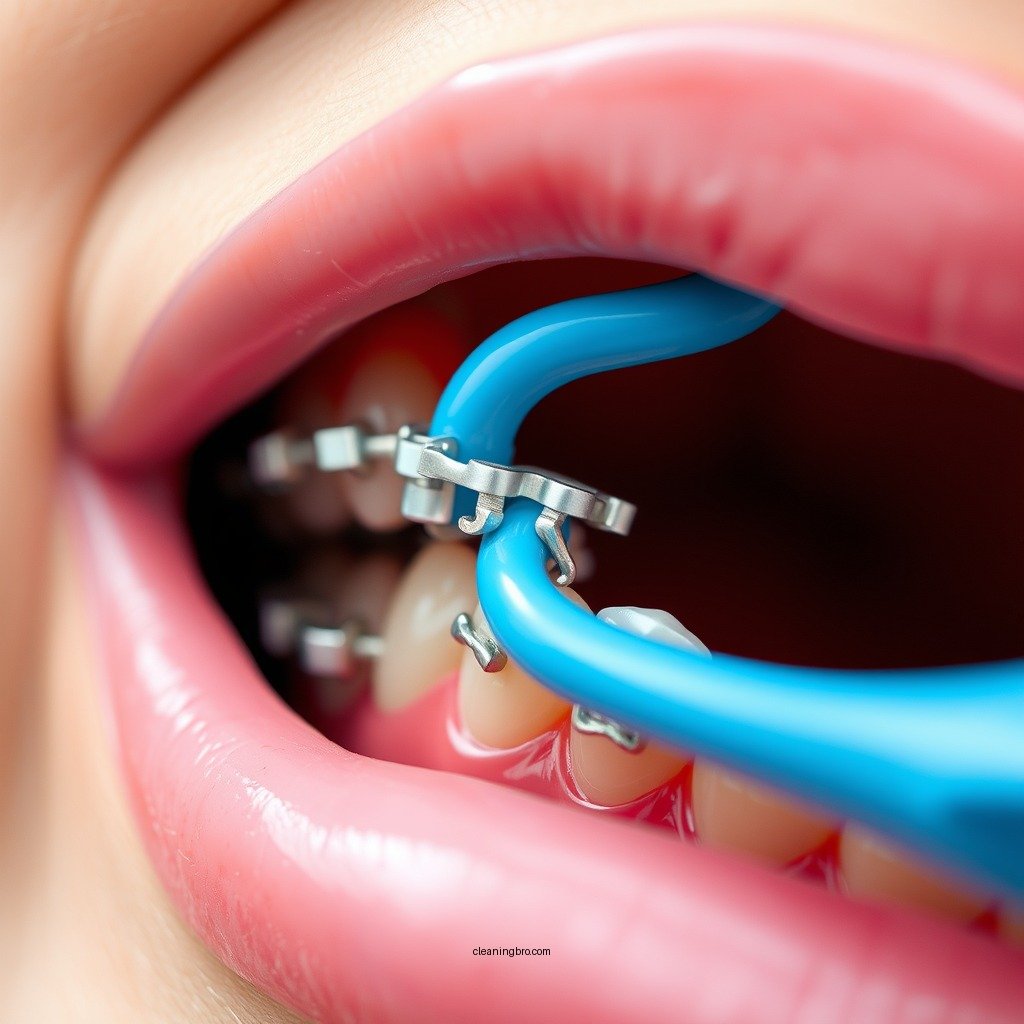
Establishing a consistent daily cleaning routine is key to maintaining oral hygiene while wearing braces. Here’s a recommended step-by-step routine:
1. Brush After Every Meal: Aim to brush your teeth after every meal to remove food particles. Use a soft-bristled toothbrush and fluoride toothpaste to ensure thorough cleaning.
2. Use the Right Technique: Hold your toothbrush at a 45-degree angle to your gums and use gentle circular motions to clean around the brackets and wires. Be sure to brush all surfaces of your teeth, including the chewing surfaces.
3. Floss Daily: Flossing should be done at least once a day. Use orthodontic flossers to make this process easier. Gently slide the flosser between your teeth and around the braces to clean effectively.
4. Rinse: After brushing and flossing, rinse your mouth with an antibacterial mouthwash to help reduce plaque buildup and freshen your breath.
5. Check for Remaining Food: After rinsing, use a mirror to check for any remaining food particles stuck in your braces. If you find any, use a toothbrush or interdental brush to remove them.
Top 7 Tools for Cleaning Dental Braces (2024)
| # | Tool | Type | Benefits |
|---|---|---|---|
| 1 | Soft-Bristled Toothbrush | Manual | Gentle on teeth and braces |
| 2 | Orthodontic Flossers | Floss | Easier access to tight spaces |
| 3 | Interdental Brushes | Brush | Effective plaque removal |
| 4 | Water Flosser | Electric | Cleans hard-to-reach areas |
| 5 | Fluoride Toothpaste | Paste | Strengthens enamel |
| 6 | Antibacterial Mouthwash | Liquid | Reduces plaque buildup |
| 7 | Tongue Scraper | Tool | Removes bacteria from the tongue |
Recommended Cleaning Products
Choosing the right products is equally important when it comes to cleaning your braces. Consider the following recommendations:
– Fluoride Toothpaste: Look for toothpaste containing fluoride, which helps strengthen enamel and prevent decay. Brands like Colgate and Crest offer fluoride options specifically designed for braces.
– Antibacterial Mouthwash: An antibacterial mouthwash can help reduce plaque and bacteria in your mouth, providing an extra layer of protection. Brands such as Listerine and ACT offer effective mouthwash formulations for braces wearers.
– Mouth Rinses with Xylitol: These rinses can also help inhibit the growth of bacteria, making them a good choice for those with braces. They provide a sweet taste without contributing to cavity formation.
– Specialty Orthodontic Products: Various brands offer cleaning products specifically designed for orthodontic patients, including wax for braces irritation and special cleaning tablets for retainers and aligners.
Tips for Cleaning Braces on the Go
Cleaning your braces while on the go can be challenging, but with a few strategies, you can maintain your oral hygiene even outside your home:
– Travel Toothbrush and Toothpaste: Always carry a travel-sized toothbrush and toothpaste in your bag or backpack. This allows you to brush your teeth after meals, no matter where you are.
– Rinse with Water: If you can’t brush right away, rinsing your mouth with water can help dislodge food particles. Swishing water around your mouth can be a temporary solution until you can clean your braces properly.
– Portable Flossers: Consider keeping a pack of portable orthodontic flossers in your bag for quick access. They’re small enough to fit in your pocket and can be used anytime you need to clean between your teeth.
– Choose Your Snacks Wisely: Opt for braces-friendly snacks that are less likely to get stuck in your braces, such as yogurt, cheese, or soft fruits. Avoid sticky or hard foods that can complicate your cleaning routine.
Common Mistakes to Avoid
While maintaining braces, it’s essential to avoid common mistakes that can hinder your oral health. Some mistakes to watch out for include:
– Skipping Flossing: Failing to floss daily can lead to plaque buildup, which may result in cavities or gum disease. Always prioritize flossing as part of your routine.
– Using Hard Brushes: Hard-bristled toothbrushes can damage your braces and irritate your gums. Stick to soft-bristled options designed for use with braces.
– Ignoring Discomfort: If you experience discomfort while cleaning your braces, don’t ignore it. Adjust your technique or consult your orthodontist for advice on how to alleviate any pain.
– Neglecting Regular Check-Ups: Skipping orthodontic appointments can lead to complications and prolong your treatment. Regular check-ups ensure your braces are working effectively and that your oral hygiene practices are on track.
Best Orthodontic Cleaning Products: A Comparison
| Feature | ⭐ Fluoride Toothpaste | Antibacterial Mouthwash | Orthodontic Flossers |
|---|---|---|---|
| Cavity Protection | ✅ High | ✅ Moderate | ❌ Low |
| Plaque Reduction | ✅ Good | ✅ Excellent | ✅ Moderate |
| Ease of Use | ✅ Simple | ✅ Very Easy | ✅ Easy |
| Flavor Options | ✅ Various | ✅ Many | ❌ Limited |
| Price Range | $2 – $5 | $5 – $10 | $3 – $8 |
| Availability | Widely Available | Widely Available | Available Online |
| Customer Ratings | ★★★★☆ | ★★★★★ | ★★★☆☆ |
| Special Features | Enamel Protection | Freshens Breath | Convenient Flossing |
| 🏆 Best For | Cavity Protection | Overall Oral Hygiene | Flossing Ease |
When to Consult Your Orthodontist
It’s essential to maintain open communication with your orthodontist throughout your treatment. Here are some scenarios where you should consult them:
– Regular Check-Ups: Schedule regular appointments to ensure your braces are functioning correctly and to receive guidance on your cleaning techniques.
– Report Discomfort: If you experience discomfort while cleaning your braces or notice any unusual changes, such as loosened brackets, inform your orthodontist immediately.
– Seek Advice on Products: If you’re unsure about which cleaning products or methods to use, your orthodontist can provide personalized recommendations tailored to your specific needs.
– Monitor Progress: Your orthodontist will monitor your progress and can adjust your treatment plan as needed, ensuring that your cleaning routine supports your overall orthodontic goals.
Maintaining clean dental braces is crucial for achieving the best results from your orthodontic treatment. By following the outlined cleaning techniques and utilizing the right tools, you can ensure your oral health remains a priority. Remember to incorporate these practices into your daily routine and consult your orthodontist for personalized advice. By staying diligent in your oral hygiene, you can enjoy a healthier smile and a smoother orthodontic journey.
Frequently Asked Questions
How often should I clean my dental braces?
You should clean your dental braces at least twice a day, ideally after every meal. This helps prevent plaque buildup and reduces the risk of cavities and gum disease. Using a soft-bristled toothbrush and fluoride toothpaste can effectively remove food particles and maintain oral hygiene.
What is the best way to brush my teeth with braces?
The best way to brush your teeth with braces is to use a soft-bristled toothbrush and fluoride toothpaste. Start by angling the brush at 45 degrees to your gums and gently brush the brackets and wires, making sure to cover all surfaces of the teeth. Don’t forget to brush the areas between the brackets and the gumline for a thorough clean.
Why is it important to clean around braces properly?
Cleaning around braces properly is crucial because food particles and plaque can easily accumulate around the brackets and wires. If not removed, this buildup can lead to tooth decay, gum disease, and discoloration of your teeth. Maintaining good oral hygiene will help ensure a healthier mouth and a more successful orthodontic treatment.
Which tools are best for cleaning braces effectively?
The best tools for cleaning braces effectively include a soft-bristled toothbrush, dental floss, and orthodontic cleaning aids like floss threaders or interdental brushes. Additionally, using a water flosser can help remove debris and plaque from hard-to-reach areas, ensuring a comprehensive clean around your braces.
How can I prevent bad breath while wearing braces?
To prevent bad breath while wearing braces, maintain a consistent oral hygiene routine that includes brushing after every meal and using mouthwash. Additionally, consider using sugar-free gum to stimulate saliva production, which helps wash away food particles and bacteria. Regular dental check-ups will also ensure your braces and teeth are in optimal condition.
References
- https://www.mayoclinic.org/healthy-lifestyle/adult-health/in-depth/braces/art-20047078
https://www.mayoclinic.org/healthy-lifestyle/adult-health/in-depth/braces/art-20047078 - https://www.ncbi.nlm.nih.gov/pmc/articles/PMC5843106/
https://www.ncbi.nlm.nih.gov/pmc/articles/PMC5843106/ - https://www.ncbi.nlm.nih.gov/pmc/articles/PMC6288635/
https://www.ncbi.nlm.nih.gov/pmc/articles/PMC6288635/ - Oral health
https://www.who.int/news-room/fact-sheets/detail/oral-health - https://www.cdc.gov/oralhealth/conditions/orthodontics.html
https://www.cdc.gov/oralhealth/conditions/orthodontics.html - Google Scholar Google Scholar
https://scholar.google.com/scholar?q=how+to+clean+dental+braces - Google Scholar Google Scholar
https://scholar.google.com/scholar?q=orthodontics+oral+hygiene - Google Scholar Google Scholar
https://scholar.google.com/scholar?q=braces+cleaning+techniques - how to clean dental braces – Search results
https://en.wikipedia.org/wiki/Special:Search?search=how+to+clean+dental+braces - https://www.ncbi.nlm.nih.gov/search/research-articles/?term=how+to+clean+dental+braces
https://www.ncbi.nlm.nih.gov/search/research-articles/?term=how+to+clean+dental+braces