How to Clean Foam Cushions: A Simple Guide
Cleaning foam cushions is straightforward and can be done effectively with a few simple steps. In this article, you’ll learn the best methods for removing stains and odors, ensuring your cushions look and smell fresh without compromising their integrity. Foam cushions are popular for their comfort, but they can attract dirt, spills, and odors over time. Following this guide will help you maintain their appearance and prolong their lifespan.
Understanding Your Foam Cushion Material
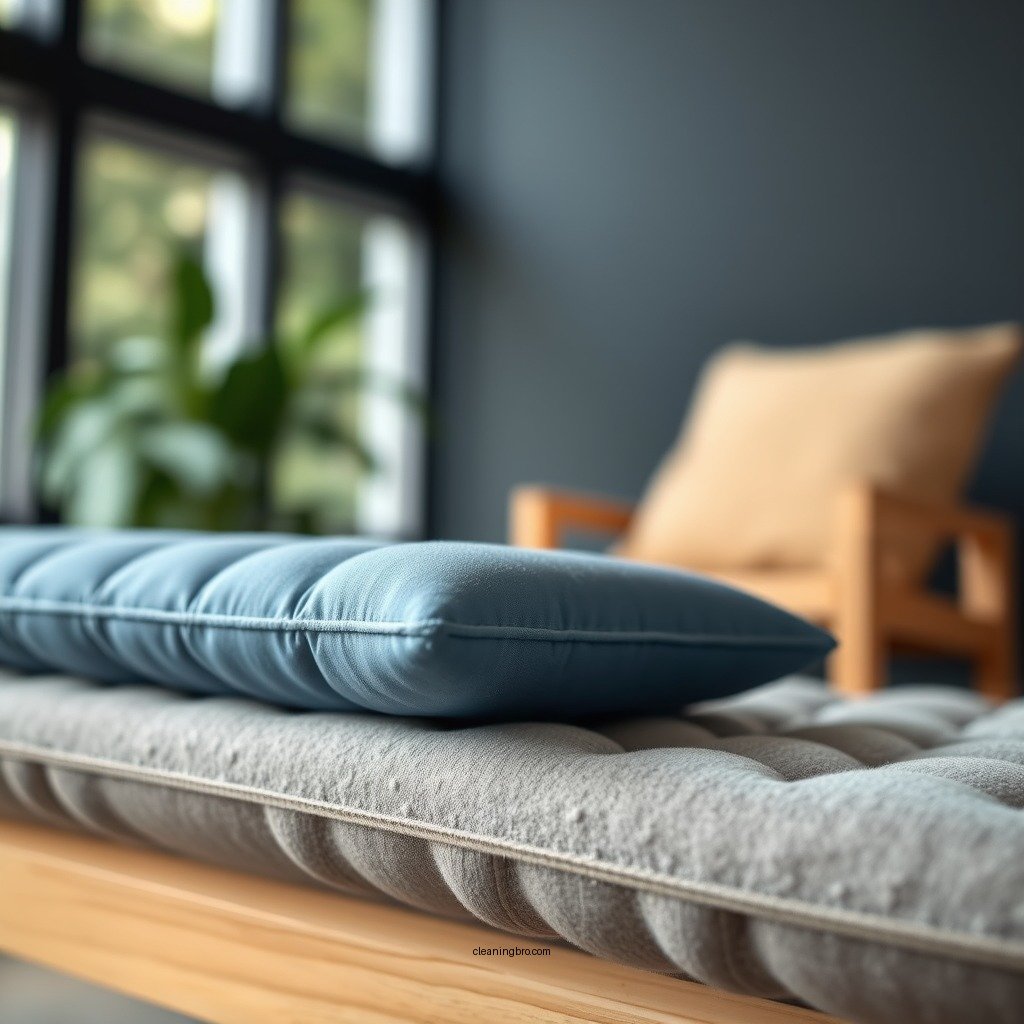
Different types of foam require different cleaning methods; knowing if your cushion is made from polyurethane, memory foam, or latex will ensure you choose the most effective cleaning approach. Polyurethane foam is commonly used in furniture and can generally tolerate water. Memory foam, on the other hand, is more sensitive to moisture and should be treated with caution to avoid damaging its structure. Latex foam is resilient and more water-resistant, but it’s still advisable to avoid soaking it completely. Always check for the manufacturer’s care instructions, as these guidelines will provide specific recommendations to prevent damage during the cleaning process.
Gather Your Cleaning Supplies
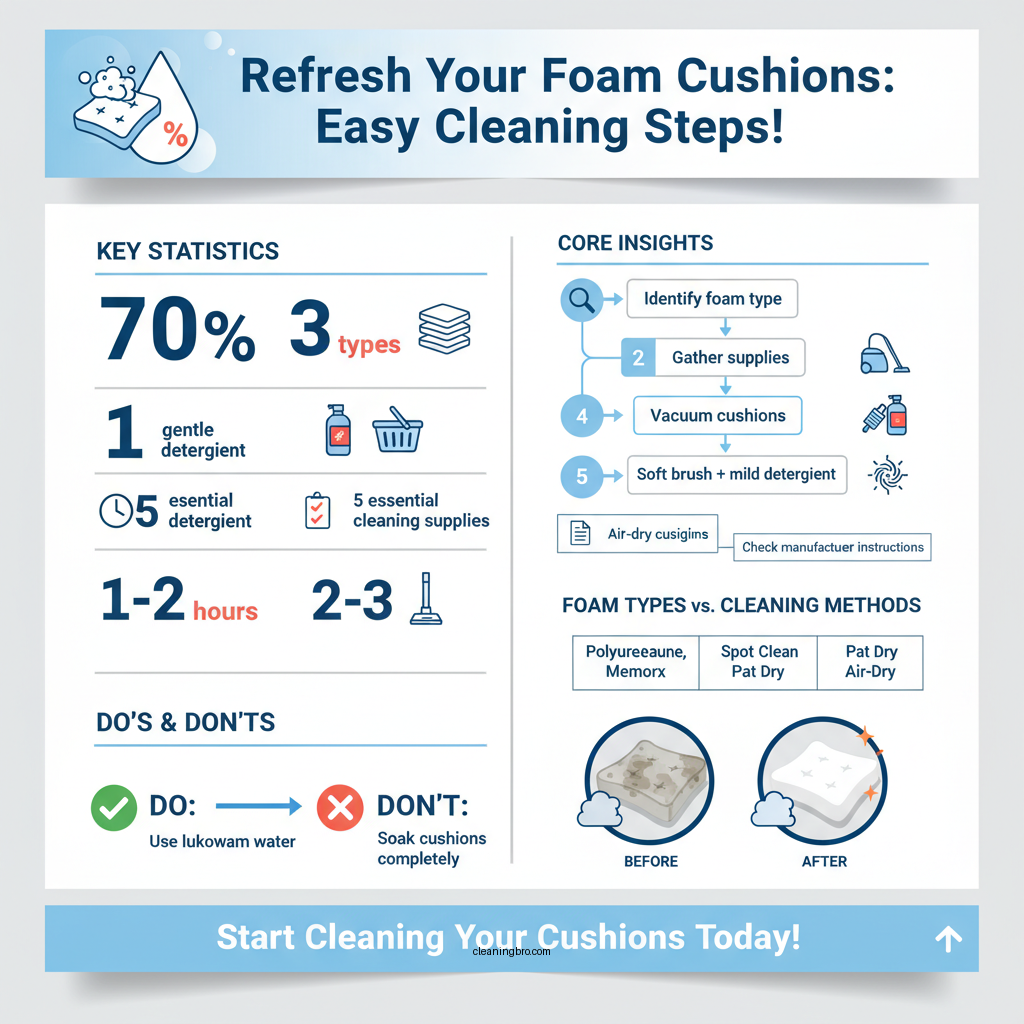
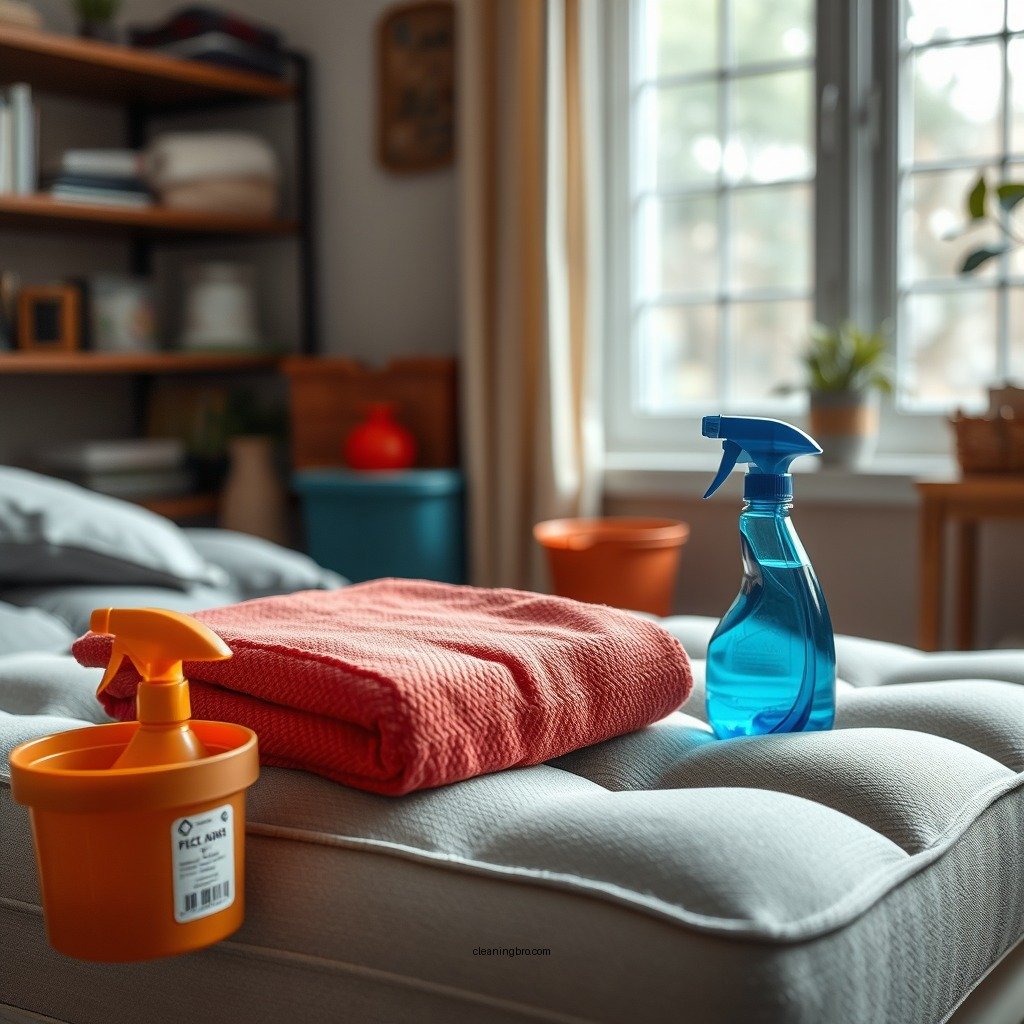
Before you begin cleaning, it’s essential to gather the necessary supplies. Here are the essential items you will need:
– Mild Detergent: A gentle detergent is crucial to avoid damaging the foam. Look for a detergent designed for delicate fabrics.
– Water: Use lukewarm water for cleaning, as hot water can damage some types of foam.
– Soft Brush: A soft-bristled brush or cloth is ideal for scrubbing away stains without harming the foam.
– Vacuum Cleaner with Upholstery Attachment: This will help you remove dust and debris effectively.
– Natural Cleaners: Consider using eco-friendly options like vinegar or baking soda for deodorizing and stain removal.
Having these supplies on hand will streamline the cleaning process and make it more effective.
Vacuuming Your Foam Cushions
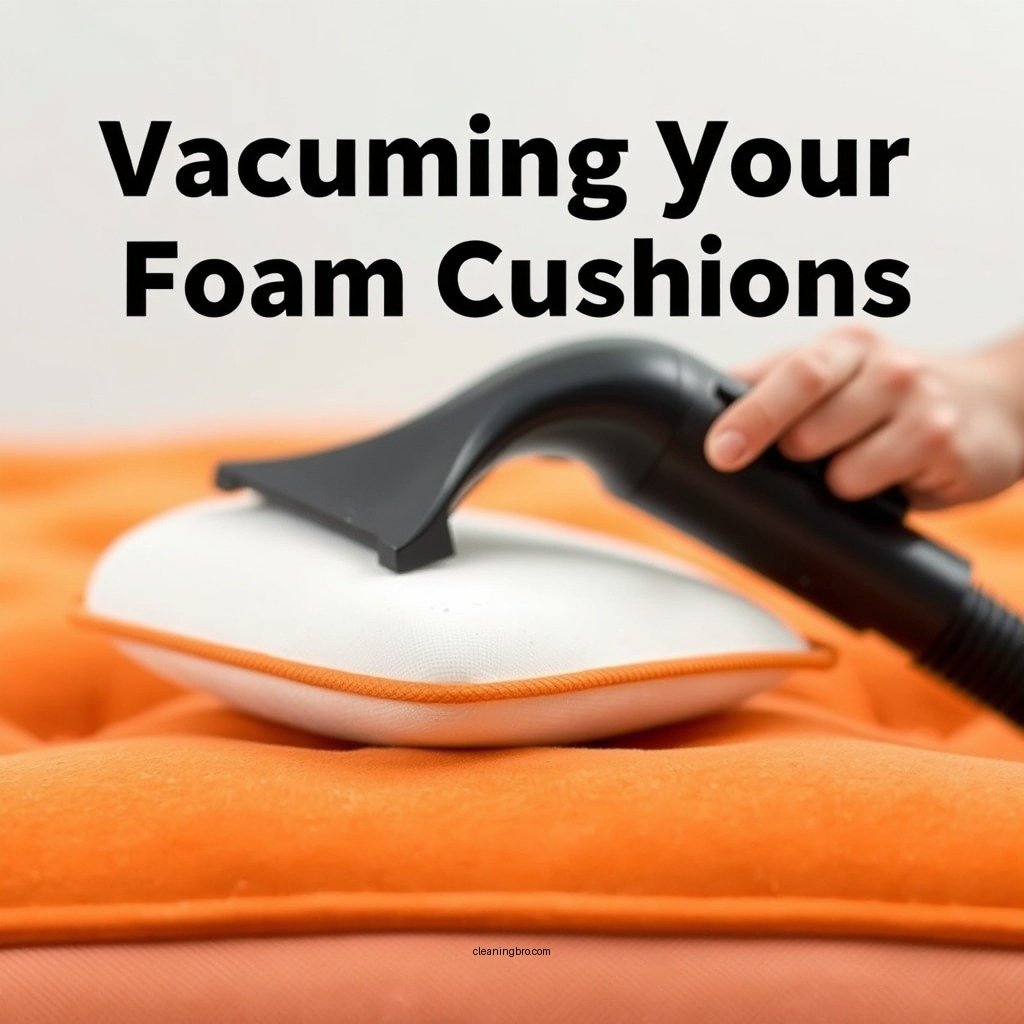
Begin by thoroughly vacuuming the cushions to remove dust, dirt, and debris. Use the upholstery attachment on your vacuum to ensure that you can reach into seams and crevices where dirt may accumulate. Pay special attention to areas that experience frequent contact, such as the sides and corners of the cushions. This step is essential as it prepares the surface for deeper cleaning and prevents dirt from being pushed further into the foam.
Common Foam Types and Their Cleaning Needs
| # | Foam Type | Water Sensitivity | Cleaning Method | Drying Time |
|---|---|---|---|---|
| 1 | Polyurethane | Moderate | Mild detergent + Water | 3-5 hours |
| 2 | Memory Foam | High | Spot clean only | Overnight |
| 3 | Latex | Low | Mild detergent + Water | 2-4 hours |
Spot Cleaning Stains
If you encounter stains on your foam cushions, immediate action is crucial to prevent permanent damage. Use a mixture of mild detergent and water to treat stains. It’s advisable to test this mixture on a small, inconspicuous area first to ensure it doesn’t adversely affect the foam. When applying the solution, gently scrub the stained area with a soft brush or cloth, utilizing a dabbing motion rather than aggressive scrubbing, which can damage the foam. Avoid excessive moisture, as too much water can lead to mold or mildew growth within the cushion.
Deep Cleaning Foam Cushions
For a thorough clean, especially if your cushions have absorbed odors or are heavily soiled, you may need to deep clean them. This process can be executed in a bathtub filled with lukewarm water mixed with a mild detergent solution. Submerge the cushions completely and allow them to soak for about 15-30 minutes. After soaking, rinse them thoroughly with clean water to remove any soap residue. It’s crucial to ensure all soap is rinsed out, as leftover detergent can lead to a sticky surface and attract more dirt. After rinsing, allow the cushions to air dry completely in a well-ventilated area, ideally outside but not in direct sunlight, which can degrade the foam.
Deodorizing Your Cushions
Odors can cling to foam cushions, making them less inviting. One effective method for deodorizing is to sprinkle baking soda over the foam surface. Let it sit for at least 15 minutes before vacuuming it off. Baking soda is known for its odor-absorbing properties and can help neutralize unpleasant smells. Alternatively, you can use a fabric spray specifically designed for upholstery, which can leave your cushions smelling fresh without the need for extensive cleaning. Ensure that any product you choose is safe for use on foam materials.
Maintaining Clean Foam Cushions
Regular maintenance is key to prolonging the life of your foam cushions. Develop a routine that includes vacuuming your cushions at least once a month to prevent dust and allergens from building up. Spot clean any spills or stains as soon as they occur to prevent them from setting in. Additionally, consider using cushion covers or protectors that can be removed and washed. These not only help to minimize wear and tear on the foam but also can be cleaned more easily than the cushions themselves.
Foam Cushion Care Techniques: Spot Clean vs. Deep Clean vs. Deodorize
| Technique | ⭐ Spot Cleaning | Deep Cleaning | Deodorizing |
|---|---|---|---|
| Effectiveness | ✅ Quick & Effective | ✅ Thorough Cleaning | ✅ Odor Neutralization |
| Time Required | 15-30 minutes | 1-2 hours | 15 minutes |
| Materials Needed | Detergent + Cloth | Bathtub + Detergent | Baking Soda or Spray |
| Risk of Damage | Low | Moderate | Low |
| Frequency Recommended | As Needed | Every 6-12 months | Monthly |
| Suitable For | Minor Spills | Deep Stains | Odor Issues |
| Recommended For | All Cushions | Heavy Use Cushions | Odor-Prone Areas |
| User Skill Level | Beginner | Intermediate | Beginner |
| Favorite Add-ons | Fabric Protectors | Foam Spray Cleaners | Air Fresheners |
| 🏆 Best For | Quick Maintenance | Deep Cleaning Needs | Odor Removal |
Cleaning your foam cushions can greatly extend their life and enhance your living space’s comfort and aesthetics. By following these steps, you’ll keep your cushions looking and feeling like new. Regular maintenance through vacuuming and spot cleaning, combined with occasional deep cleaning and deodorization, will help you maintain a fresh and inviting environment. If you found these tips helpful, consider sharing this guide with others who might benefit from a fresh start with their cushions!
Frequently Asked Questions
What is the best way to clean foam cushions?
The best way to clean foam cushions is to first remove any covers and check for specific care instructions. For spot cleaning, use a mixture of mild detergent and water, applying it gently with a cloth. If deeper cleaning is needed, you can soak the foam in lukewarm water with a gentle cleaner, then rinse thoroughly and allow it to dry completely.
How can I remove odors from foam cushions?
To remove odors from foam cushions, sprinkle baking soda over the surface and let it sit for several hours or overnight. Baking soda absorbs odors effectively; simply vacuum it off afterward. For persistent smells, consider using a fabric freshener or a mixture of water and white vinegar sprayed lightly on the foam, ensuring it dries completely.
Why is it important to properly clean foam cushions?
Properly cleaning foam cushions is essential to maintain their appearance and prolong their lifespan. Dirt, dust mites, and allergens can accumulate, leading to potential health issues and unpleasant odors. Regular cleaning helps to keep your cushions fresh, hygienic, and visually appealing.
Which cleaning products are safe for foam cushions?
Safe cleaning products for foam cushions include mild detergents, upholstery cleaners specifically designed for foam, and natural options like vinegar and baking soda. Always avoid harsh chemicals, bleach, or solvents, as these can damage the foam material. Always perform a patch test on a small area before applying any cleaner.
How often should I clean my foam cushions?
You should clean your foam cushions at least every six months, or more frequently if they are used heavily or show visible dirt and stains. Regular vacuuming can help manage dust and allergens, while deeper cleaning can be done seasonally. Keeping a consistent cleaning schedule will help maintain the quality and longevity of your cushions.
References
- Foam | Structure, Properties, Uses | Britannica
https://www.britannica.com/technology/foam - https://www.cdc.gov/niosh/topics/cleaning.html
https://www.cdc.gov/niosh/topics/cleaning.html - https://pubmed.ncbi.nlm.nih.gov/21150379/
https://pubmed.ncbi.nlm.nih.gov/21150379/ - https://www.nature.com/articles/s41598-020-65423-5
https://www.nature.com/articles/s41598-020-65423-5 - Google Scholar Google Scholar
https://scholar.google.com/scholar?q=how+to+clean+foam+cushion - Google Scholar Google Scholar
https://scholar.google.com/scholar?q=foam+cushion+cleaning+methods - Google Scholar Google Scholar
https://scholar.google.com/scholar?q=cleaning+foam+cushions+materials - Page Not Found – Site Help – Mayo Clinic
https://www.mayoclinic.org/healthy-lifestyle/cleaning-and-organizing/expert-answers/cleaning-foam/faq-20058044 - https://www.sciencedirect.com/topics/earth-and-planetary-sciences/cleaning-foam
https://www.sciencedirect.com/topics/earth-and-planetary-sciences/cleaning-foam - how to clean foam cushion – Search results
https://en.wikipedia.org/wiki/Special:Search?search=how+to+clean+foam+cushion