How to Clean Moldy Leather: Effective Techniques and Tips
Cleaning moldy leather is essential to restore its appearance and prolong its life. Mold can weaken leather fibers, leading to irreversible damage if not addressed promptly. By following a few straightforward steps with the right tools and solutions, you can effectively remove mold and protect your leather items from future growth. This guide will walk you through the best methods for cleaning and maintaining your leather belongings.
Assessing the Damage
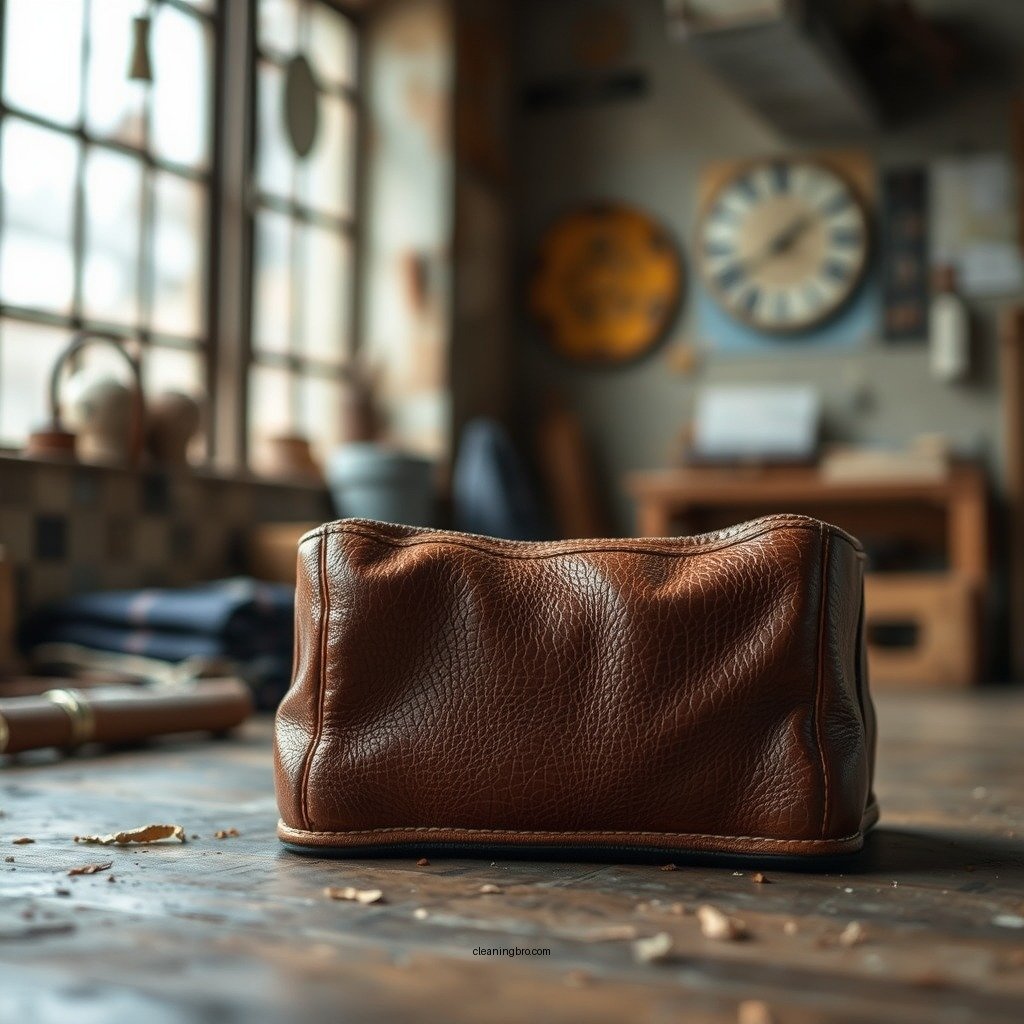
Before you start cleaning, it’s crucial to assess the extent of the mold damage. Mold on leather can manifest in various forms, from surface spots to deeper infiltrations. Begin by examining the leather item for the severity and type of mold. Look for discoloration, a musty smell, or fuzzy growths on the surface. If the mold is confined to the surface, it is typically easier to clean. However, if the mold has penetrated deeper into the leather, a more extensive cleaning process may be necessary, and in some cases, professional help may be required.
Preparing for Cleaning
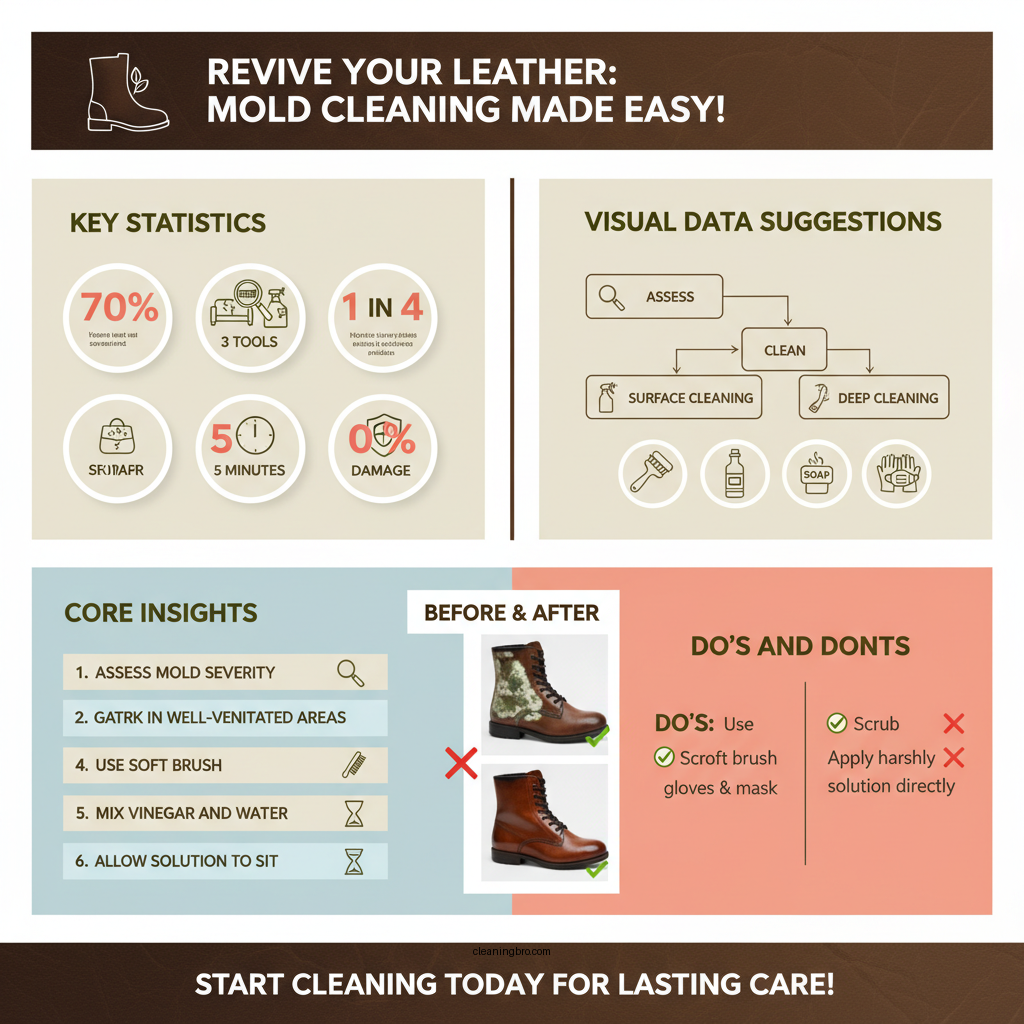
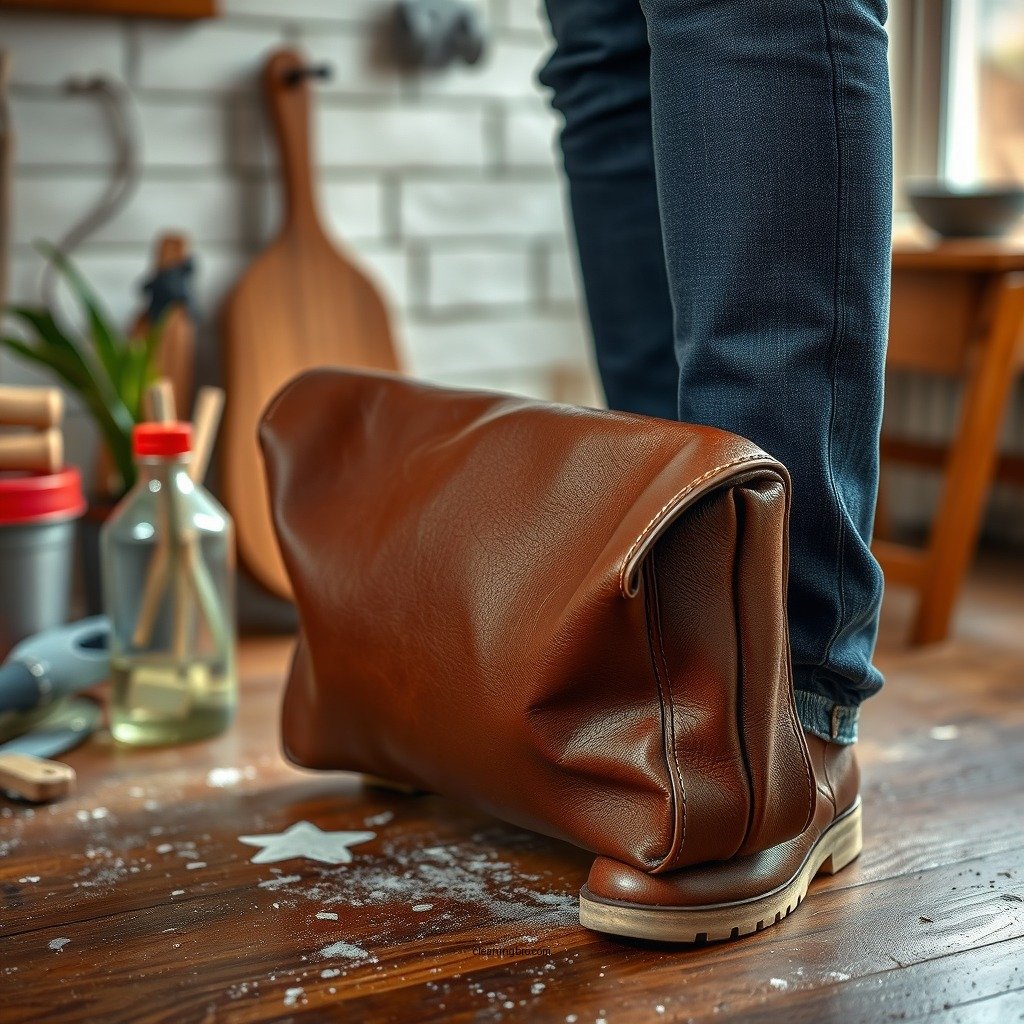
Proper preparation is key to an effective cleaning process. Gather all necessary supplies before you start. You will need:
– A soft brush for gently removing loose mold spores.
– Mild soap (such as saddle soap) to clean the leather without causing damage.
– White vinegar, a natural mold killer that is safe for leather.
– Microfiber cloths to apply cleaning solutions and buff the leather.
Additionally, it is essential to work in a well-ventilated area to ensure safety and efficiency. Open windows, use fans, or consider working outdoors if possible. Always protect your hands with gloves and wear a mask to avoid inhaling mold spores.
Cleaning Surface Mold
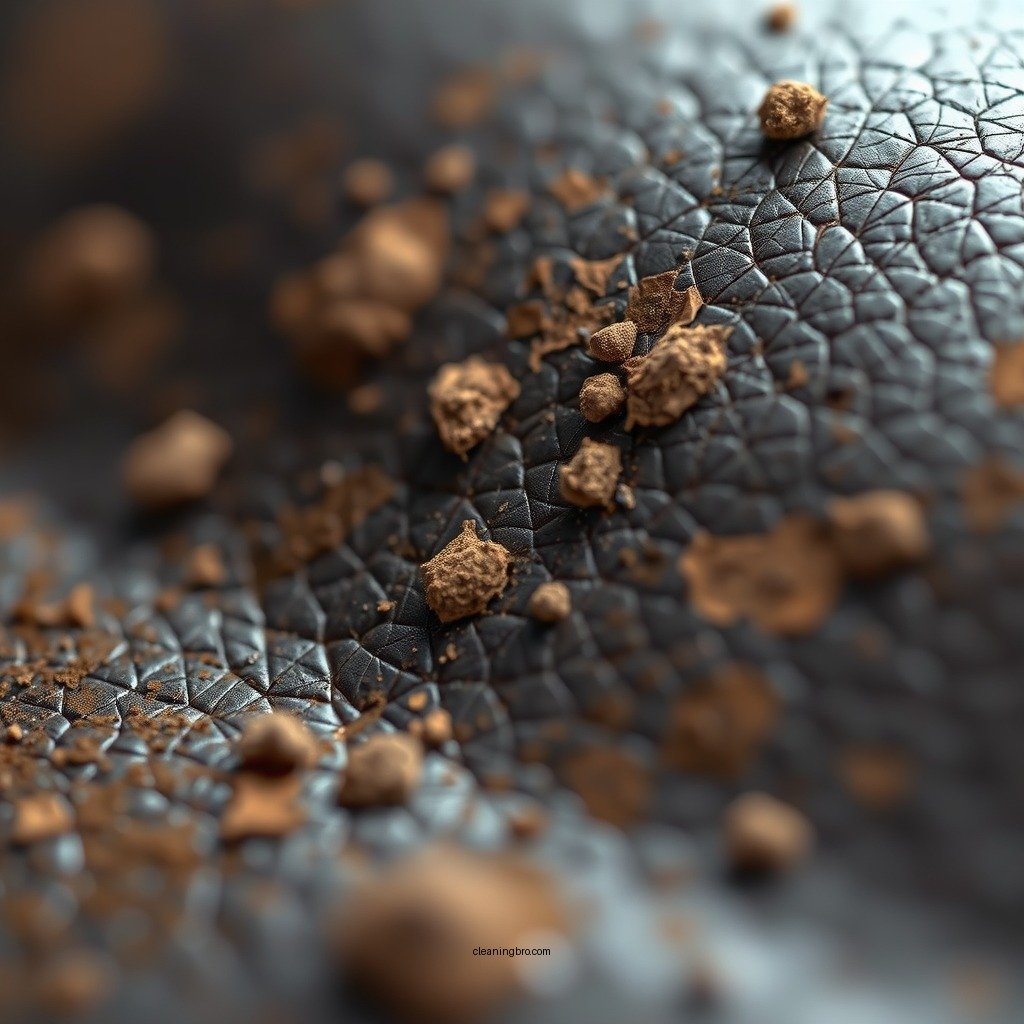
Once you have prepared your workspace and gathered your supplies, you can begin the cleaning process. Start by using a soft brush to gently remove any loose mold from the leather surface. Be cautious not to scrub harshly, as this can damage the material.
Next, create a cleaning solution by mixing equal parts water and white vinegar in a spray bottle. Spray the solution onto a microfiber cloth, not directly onto the leather, to avoid oversaturation. Wipe the affected area gently with the damp cloth, ensuring you cover all moldy spots. Allow the solution to sit for a few minutes to kill the mold spores before wiping it off with a clean, dry microfiber cloth.
Deep Cleaning Techniques
For stubborn mold that remains after the initial cleaning, a deeper cleaning technique may be required. In a bowl, mix a few drops of mild soap with warm water to create a sudsy solution. Using a clean microfiber cloth, dip it into the soapy water and wring it out to remove excess moisture. Gently scrub the affected area, ensuring you do not soak the leather.
Always test a small, inconspicuous area of the leather first to ensure that the soap does not damage or discolor the material. If the test area is successful, proceed with cleaning the entire moldy section. After scrubbing, wipe down the area with a damp cloth to remove soap residue, then dry it with a separate cloth.
Common Types of Leather and Their Mold Resistance (2024)
| # | Leather Type | Mold Resistance | Common Uses | Care Requirements |
|---|---|---|---|---|
| 1 | Full Grain | Moderate | Handbags, Furniture | Regular Conditioning |
| 2 | Top Grain | Low | Shoes, Apparel | Low Maintenance |
| 3 | Suede | Very Low | Jackets, Bags | High Care Needed |
| 4 | Nubuck | Low | Footwear, Upholstery | Regular Cleaning |
| 5 | Bonded Leather | Low | Budget Products | Minimal Care |
| 6 | Patent Leather | Moderate | Accessories, Shoes | Easy to Clean |
| 7 | Bicast Leather | Moderate | Furniture, Cases | Low Maintenance |
Drying and Conditioning Leather
After cleaning, it’s crucial to dry the leather properly to prevent further mold growth and damage. Allow the leather to air dry naturally in a location away from direct sunlight or heat sources, as these can cause the material to crack or warp. Do not use a hairdryer or radiator to speed up the drying process.
Once the leather is completely dry, apply a leather conditioner. Conditioning helps restore moisture and flexibility to the leather, which can be depleted during the cleaning process. Choose a high-quality leather conditioner and follow the manufacturer’s instructions for application. This step not only revives the leather but also creates a protective barrier against future mold growth.
Preventing Future Mold Growth
Preventing mold from returning to leather items is as important as cleaning them. Store leather items in a cool, dry place with good airflow to reduce humidity levels. Avoid storing leather in damp basements or attics, which can create an ideal environment for mold to thrive.Additionally, regularly clean and condition your leather items to keep them in optimal condition. Consider using silica gel packs or dehumidifiers in storage areas to absorb excess moisture. If you notice any signs of mold, address them immediately to prevent escalation.
Best Leather Cleaning Products: Comparison
| Feature | ⭐ Leather Honey | Bickmore Bick 4 | Lexol |
|---|---|---|---|
| Type | Conditioner | Conditioner | Cleaner/Conditioner |
| Application Method | Cloth | Cloth | Cloth/Spray |
| Natural Ingredients | ✅ | ✅ | ❌ |
| Water Resistant | ✅ | ✅ | ✅ |
| Non-Toxic | ✅ | ✅ | ❌ |
| Conditioning Effect | Long-lasting | Moderate | Short-lived |
| Price | $20 | $12 | $10 |
| Scent | Pleasant | Neutral | Chemical |
| Availability | Widely Available | Common | Specialty Stores |
| 🏆 Best For | All types of leather care | General conditioning | Basic cleaning |
Taking prompt action to clean moldy leather can protect your belongings and extend their lifespan. By assessing the damage, preparing adequately, and following effective cleaning techniques, you can restore your leather items to their former glory. Additionally, implementing preventive measures will help keep your leather mold-free in the future. Remember, regular cleaning and conditioning are key to maintaining the quality and appearance of your leather goods.
Frequently Asked Questions
What are the best methods to clean moldy leather?
The best methods to clean moldy leather include using a mixture of equal parts water and white vinegar or rubbing alcohol. Gently wipe the affected areas with a soft cloth soaked in the solution, then dry the leather thoroughly to prevent further mold growth. Always test on a small, inconspicuous area first to ensure there’s no damage.
How can I remove mold from leather without damaging it?
To remove mold from leather without causing damage, use a soft brush to gently scrub off the mold. Follow this by applying a leather-safe cleaner or a mix of water and vinegar. Avoid using harsh chemicals or excessive moisture, as these can lead to further damage or discoloration of the leather.
Why does mold grow on leather items?
Mold grows on leather items primarily due to high humidity and poor ventilation, which create the perfect environment for mold spores to thrive. Leather is porous and can retain moisture, making it susceptible to mold growth if not properly stored or maintained. Regular cleaning and conditioning can help prevent mold from developing.
Which products are safe for cleaning moldy leather?
Safe products for cleaning moldy leather include white vinegar, rubbing alcohol, and specialized leather cleaners that are pH-balanced. When choosing a product, ensure it does not contain harsh chemicals or bleach, as these can damage the leather. Always follow up with a leather conditioner to keep the material supple and protected.
How can I prevent mold from forming on my leather goods?
To prevent mold from forming on your leather goods, store them in a cool, dry place with good air circulation. Regularly clean and condition your leather items, and avoid exposing them to moisture or damp environments. Using silica gel packets or dehumidifiers in storage areas can also help control humidity levels.
References
- https://www.ncbi.nlm.nih.gov/pmc/articles/PMC6357215/
https://www.ncbi.nlm.nih.gov/pmc/articles/PMC6357215/ - https://www.cdc.gov/mold/dampness_mold.htm
https://www.cdc.gov/mold/dampness_mold.htm - https://www.mayoclinic.org/healthy-lifestyle/consumer-health/in-depth/mold/art-20046743
https://www.mayoclinic.org/healthy-lifestyle/consumer-health/in-depth/mold/art-20046743 - https://www.healthline.com/health/mold-exposure-symptoms
https://www.healthline.com/health/mold-exposure-symptoms - https://www.sciencedirect.com/science/article/pii/S2212076417300328
https://www.sciencedirect.com/science/article/pii/S2212076417300328 - Mold | fungus | Britannica
https://www.britannica.com/science/mold-fungus - https://www.nytimes.com/2020/03/24/style/how-to-clean-leather.html
https://www.nytimes.com/2020/03/24/style/how-to-clean-leather.html - Google Scholar Google Scholar
https://scholar.google.com/scholar?q=clean+moldy+leather - Google Scholar Google Scholar
https://scholar.google.com/scholar?q=removing+mold+from+leather+materials - Google Scholar Google Scholar
https://scholar.google.com/scholar?q=how+to+clean+moldy+leather