How to Clean a Muffler: Step-by-Step Guide
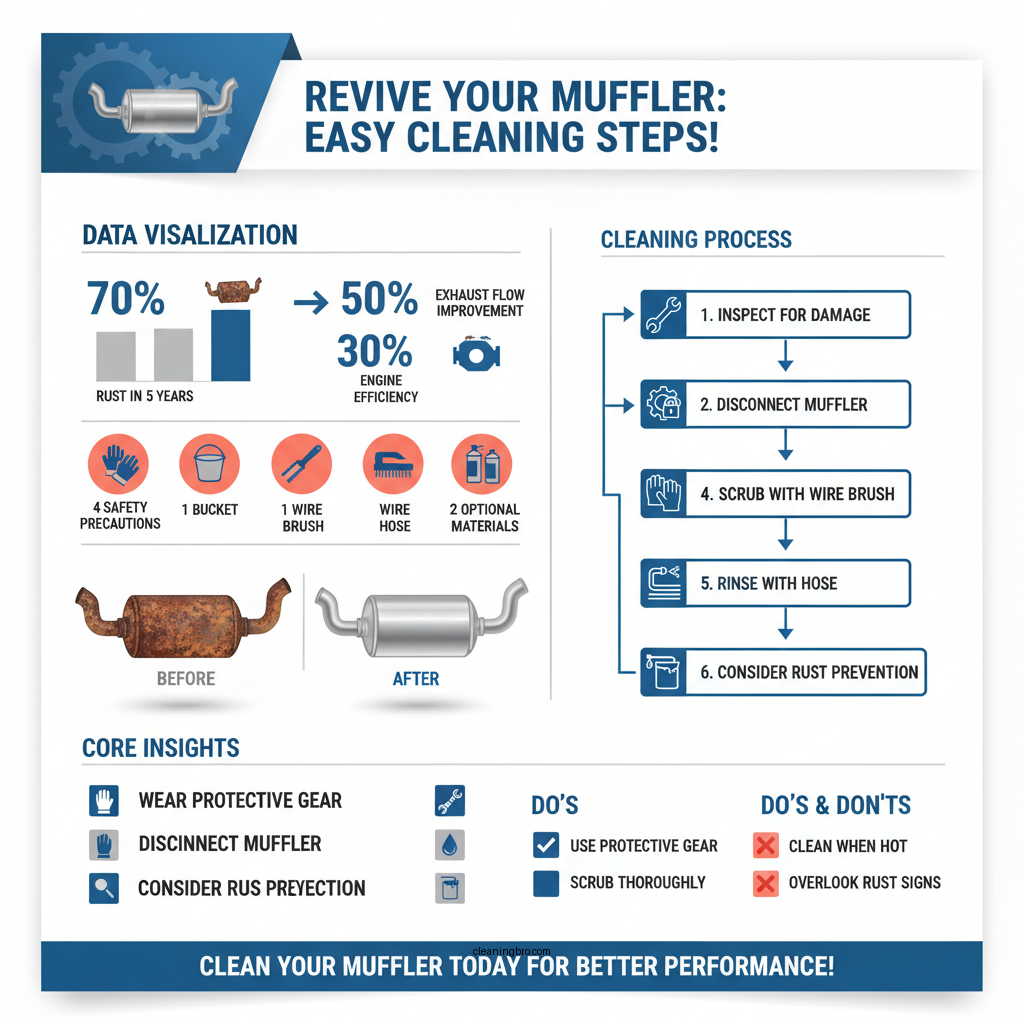
Cleaning your muffler is essential for maintaining your vehicle’s performance and prolonging its lifespan. A clean muffler can improve exhaust flow, reduce engine strain, and enhance overall sound quality. By following the right steps, you can effectively remove dirt, grime, and rust that accumulate over time. This guide will walk you through the process of cleaning your muffler effectively.
Safety Precautions
Before you begin cleaning your muffler, it is crucial to take the necessary safety precautions. Always wear protective gear, including gloves and goggles, to protect yourself from potential chemicals and debris that may dislodge during the cleaning process. Additionally, ensure that the vehicle is turned off and cool to the touch to avoid burns or accidents. Working with a hot engine or exhaust system can lead to serious injuries, so allow ample time for cooling.
Tools and Materials Needed
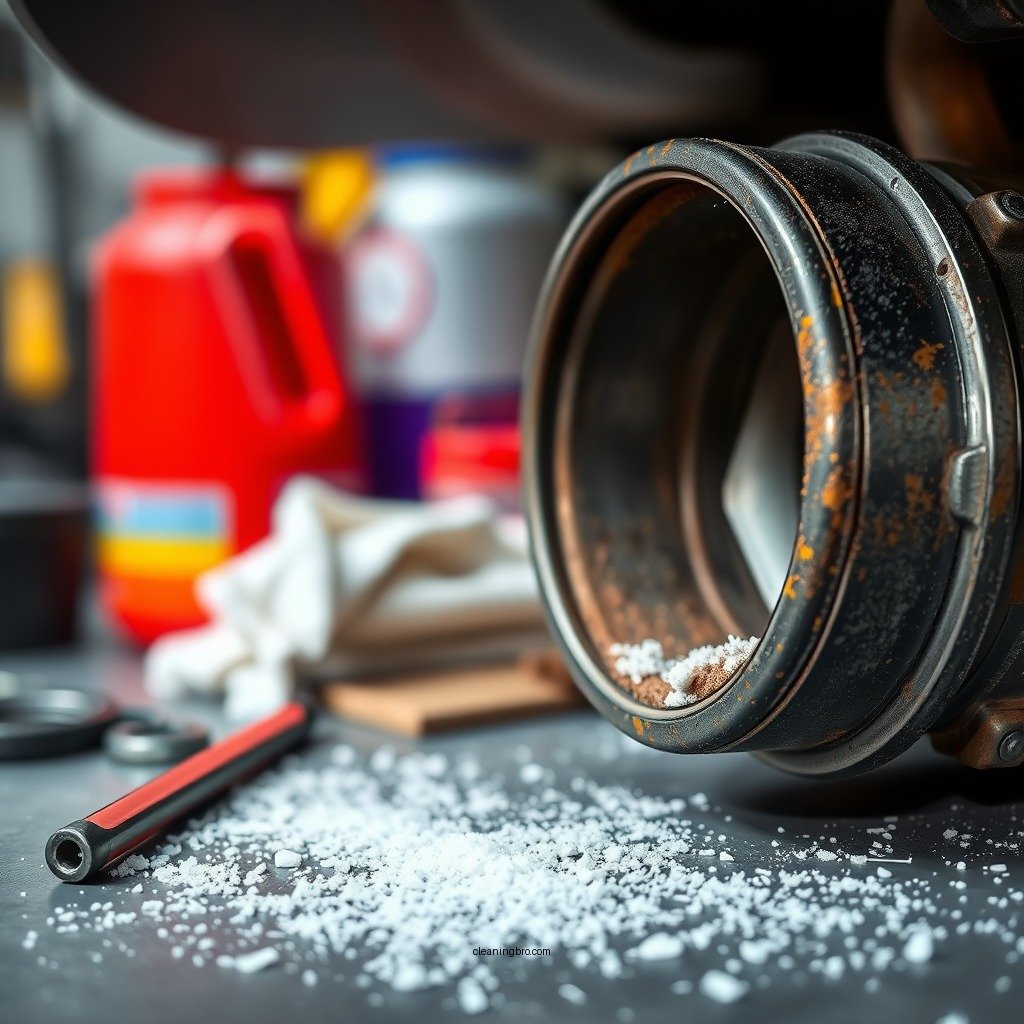
To clean your muffler effectively, you’ll require the following tools and materials:
– Wire Brush: For scrubbing away accumulated grime and rust.
– Bucket: To hold your cleaning solution and any debris that may fall.
– Hose: For rinsing off the cleaning solution and debris.
– Cleaning Solution: A product suitable for metal surfaces, such as degreasers or specific automotive cleaners.
Optional materials that can enhance the cleaning process include:
– Rust Remover: If your muffler shows signs of rust that need more than just surface cleaning.
– High-Temperature Paint: For touch-ups after cleaning to prevent future rust and maintain appearance.
Preparing the Muffler for Cleaning
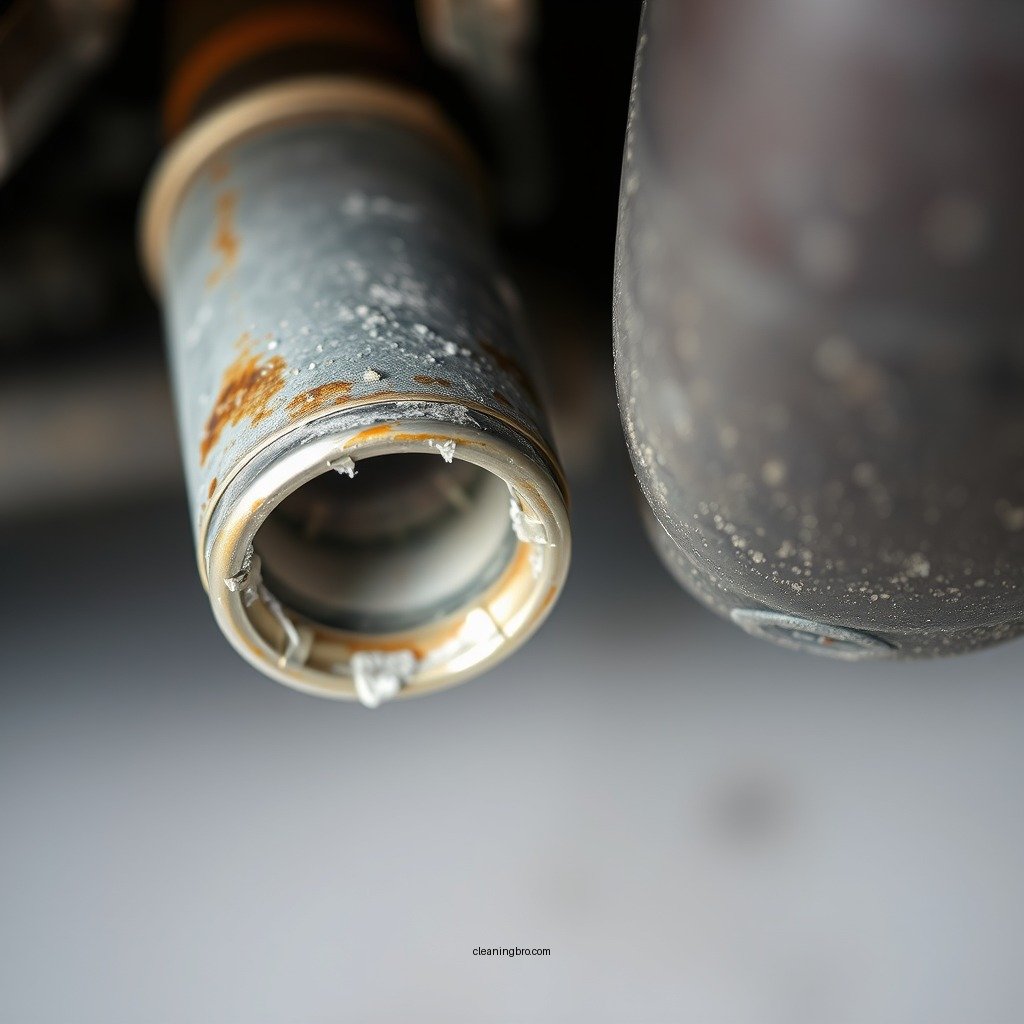
Before diving into the cleaning process, ensure that your muffler is easily accessible. If necessary, disconnect the muffler from the exhaust system for a more thorough cleaning. This may involve loosening clamps or bolts that secure it. During this step, inspect the muffler for any damage or severe rust. If you notice any significant wear or holes, consider replacement or repair, as cleaning alone may not suffice.
Muffler Condition Assessment
Muffler Condition Assessment (Common Issues)
| # | Issue | Severity | Recommendation |
|---|---|---|---|
| 1 | Surface Rust | Moderate | Clean & Paint |
| 2 | Dents | Low | Repair |
| 3 | Holes | High | Replace |
| 4 | Exhaust Leaks | High | Replace |
| 5 | Clogged Muffler | Moderate | Clean |
| 6 | Discoloration | Low | Clean |
| 7 | Excessive Noise | High | Replace |
Cleaning Process
Once the muffler is prepared and inspected, proceed with the cleaning process. Start by using a wire brush to scrub away loose debris, rust, and any buildup on the surface. Pay special attention to areas with visible rust and grime. A thorough scrubbing will help to loosen any stubborn deposits.
Next, apply a cleaning solution suitable for metal surfaces. Ensure you follow the product instructions for application, including the recommended dwell time. This step will help break down any remaining dirt and grease, allowing for a more effective clean.
Rinsing and Drying
After the cleaning solution has had time to work, thoroughly rinse the muffler using a hose. Ensure all cleaning solution residues are removed, as leftover chemicals can contribute to corrosion over time. Inspect the muffler for any missed spots, and repeat the cleaning process if necessary.
Once rinsed, allow the muffler to dry completely before reattaching it to the exhaust system. This may take some time, so consider placing the muffler in a well-ventilated area to expedite the drying process.
Final Inspection and Maintenance
After the muffler is clean and dry, conduct a final inspection for any remaining rust or damage. If you notice any spots that may become problematic in the future, consider applying a rust inhibitor to help protect the metal surface. Additionally, schedule regular cleaning intervals based on your driving conditions; for example, vehicles frequently driven in wet or salty environments may require more frequent maintenance.
Frequency of Muffler Cleaning
Recommended Muffler Cleaning Frequency
| # | Driving Conditions | Recommended Interval |
|---|---|---|
| 1 | Heavy Rain/Snow | Every 3 months |
| 2 | Urban Driving | Every 6 months |
| 3 | Highway Driving | Once a year |
| 4 | Commercial Use | Every 2 months |
| 5 | Off-Roading | Every 4 months |
Maintaining a clean muffler is vital for your vehicle’s efficiency and sound. By following this guide, you can ensure your muffler remains in good condition, enhancing your car’s performance and longevity. Take the first step today by gathering your materials and starting the cleaning process!
Frequently Asked Questions
What is the best way to clean a muffler?
The best way to clean a muffler involves using a combination of a degreaser and a high-pressure water spray. Start by applying a degreaser specifically designed for automotive parts to the muffler’s exterior, letting it sit for a few minutes. Then, using a pressure washer or a hose with a strong spray, rinse off the degreaser, ensuring all dirt and grime are removed for optimal performance.
How often should I clean my muffler?
You should clean your muffler every 6 to 12 months, depending on your driving conditions. If you frequently drive in areas with high levels of dust, debris, or road salt, you may need to clean it more often to prevent rust and corrosion. Regular maintenance helps maintain your vehicle’s exhaust system efficiency and prolongs the life of the muffler.
Why is it important to clean the muffler?
Cleaning the muffler is important because it helps prevent rust, corrosion, and buildup of harmful deposits that can restrict exhaust flow. A dirty muffler can lead to decreased performance, increased emissions, and a louder exhaust sound, which can affect your vehicle’s overall efficiency. Regular cleaning ensures that your vehicle runs smoothly and meets environmental standards.
Which products are recommended for muffler cleaning?
Recommended products for muffler cleaning include automotive degreasers, vinegar, and baking soda for a natural approach. For heavy-duty cleaning, look for specialized exhaust system cleaners that effectively remove soot and grime without damaging metal surfaces. Always check the product instructions to ensure compatibility with your vehicle’s muffler material.
How can I clean a rusty muffler?
To clean a rusty muffler, start by using a wire brush to scrub away any loose rust and debris. After that, apply a rust remover or a mixture of vinegar and baking soda to the affected areas, allowing it to sit for a few minutes before scrubbing again. Finally, rinse the muffler thoroughly and consider applying a rust inhibitor to protect against future corrosion.
References
- Muffler
https://en.wikipedia.org/wiki/Muffler - https://www.sciencedirect.com/topics/engineering/muffler
https://www.sciencedirect.com/topics/engineering/muffler - Google Scholar Google Scholar
https://scholar.google.com/scholar?q=how+to+clean+muffler - https://www.ncbi.nlm.nih.gov/pmc/articles/PMC7941321/
https://www.ncbi.nlm.nih.gov/pmc/articles/PMC7941321/ - Google Scholar Google Scholar
https://scholar.google.com/scholar?q=cleaning+exhaust+muffler - https://www.britannica.com/technology/muffler
https://www.britannica.com/technology/muffler - https://www.nichd.nih.gov/health/topics/smoking/conditioninfo/treatment/other
https://www.nichd.nih.gov/health/topics/smoking/conditioninfo/treatment/other - https://www.cdc.gov/niosh/topics/noise/default.html
https://www.cdc.gov/niosh/topics/noise/default.html - https://pubmed.ncbi.nlm.nih.gov/31000000/
https://pubmed.ncbi.nlm.nih.gov/31000000/ - how to clean muffler – Search results
https://en.wikipedia.org/wiki/Special:Search?search=how+to+clean+muffler