How to Clean Out a Boat Gas Tank: Step-by-Step Guide
Cleaning out a boat gas tank is essential for ensuring your vessel operates smoothly and safely. Regular maintenance not only enhances performance but also mitigates the risk of fuel-related issues that can compromise your boating experience. This comprehensive guide will walk you through the process of effectively cleaning your boat’s gas tank, from gathering the necessary tools to performing regular maintenance checks.
Gather Necessary Tools and Materials
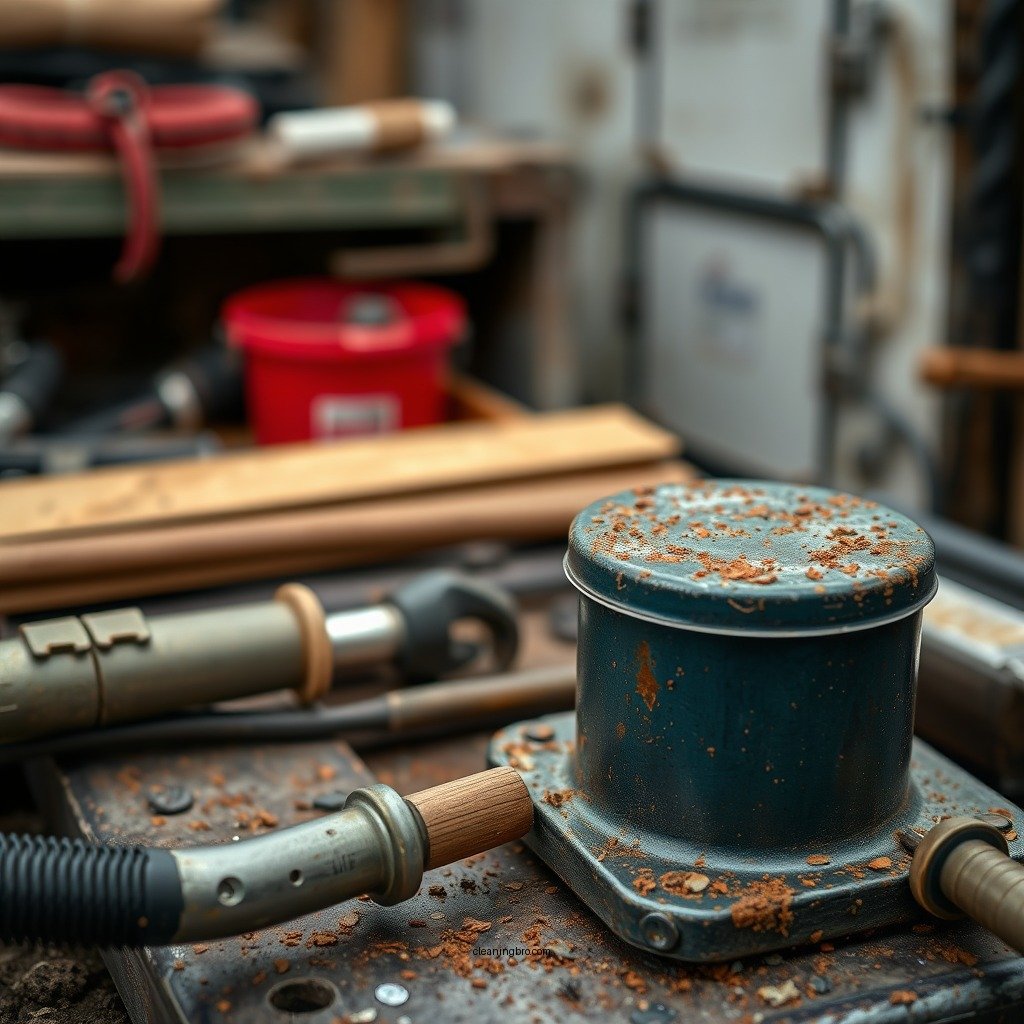
Before you begin the cleaning process, it’s vital to ensure you have all the necessary tools and materials at your disposal. This preparation will make the task more efficient and safe.
– Fuel siphon pump: This is a crucial tool for safely removing old gas from the tank without spilling or contaminating the environment. Choose a high-quality siphon pump designed for fuel transfer.
– Cleaning solution: Opt for a specialized tank cleaner or a homemade solution, such as a mix of vinegar and water, which is effective in breaking down residues and contaminants.
– Safety gear: Equip yourself with gloves, goggles, and a mask to protect against harmful fumes and chemical exposure during the cleaning process. It’s important to prioritize safety, as gasoline fumes can be hazardous.
Drain the Old Fuel
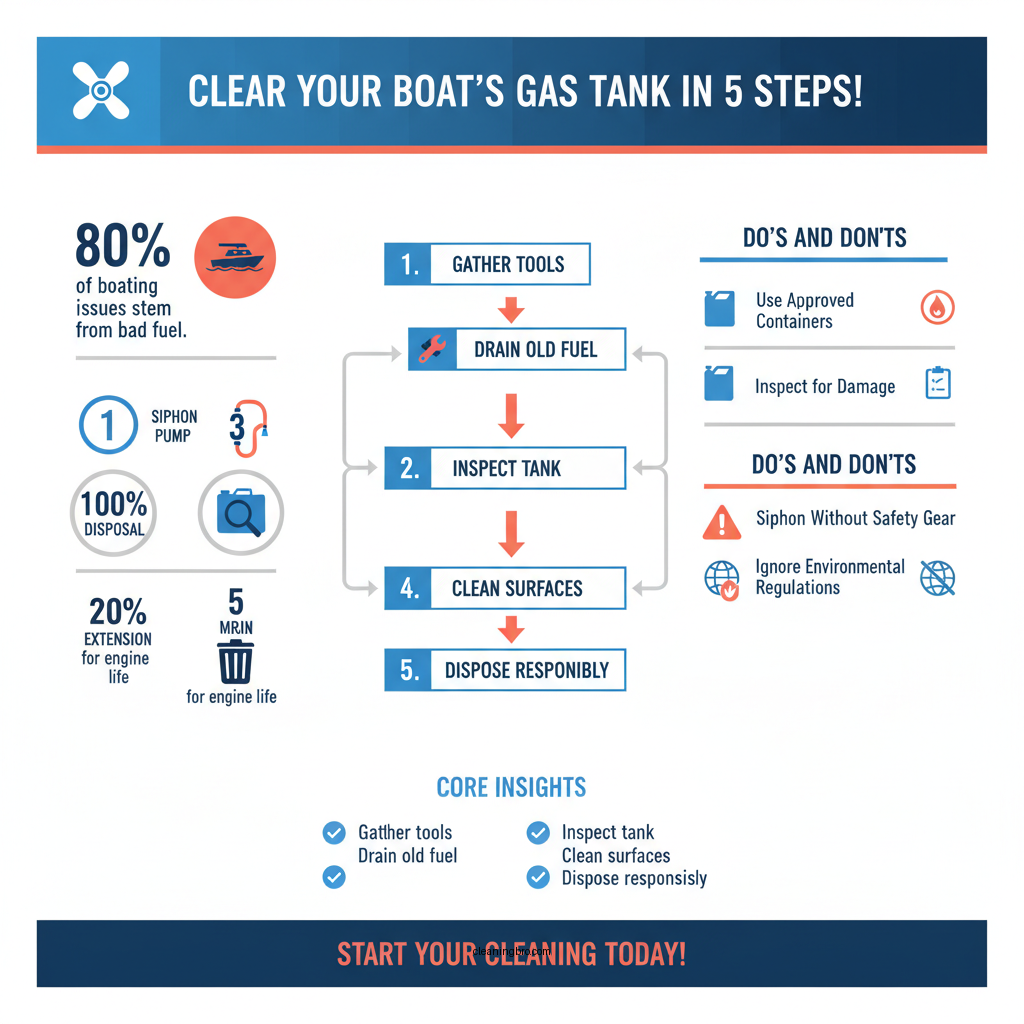
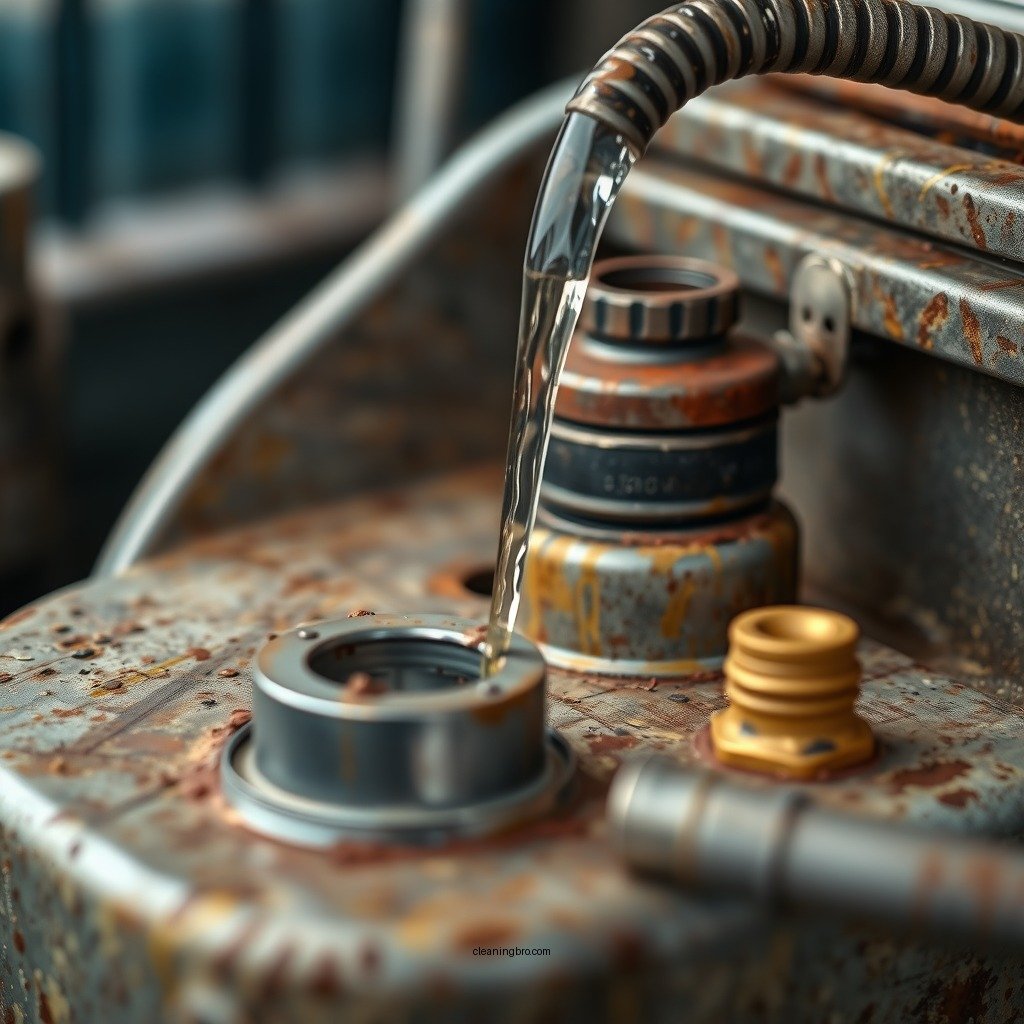
The first step in cleaning your boat’s gas tank is to remove any old fuel that may be present.
– Locate the fuel drain: Identify the best point for draining the tank, which is usually at the bottom of the fuel tank. Many boats come equipped with a dedicated fuel drain valve for this purpose.
– Use the siphon pump: Carefully use the siphon pump to extract the old fuel. Make sure to siphon the fuel into approved containers to prevent spills. It’s important to follow local regulations for the disposal of old gasoline, as improper disposal can harm the environment.
Inspect and Clean the Tank
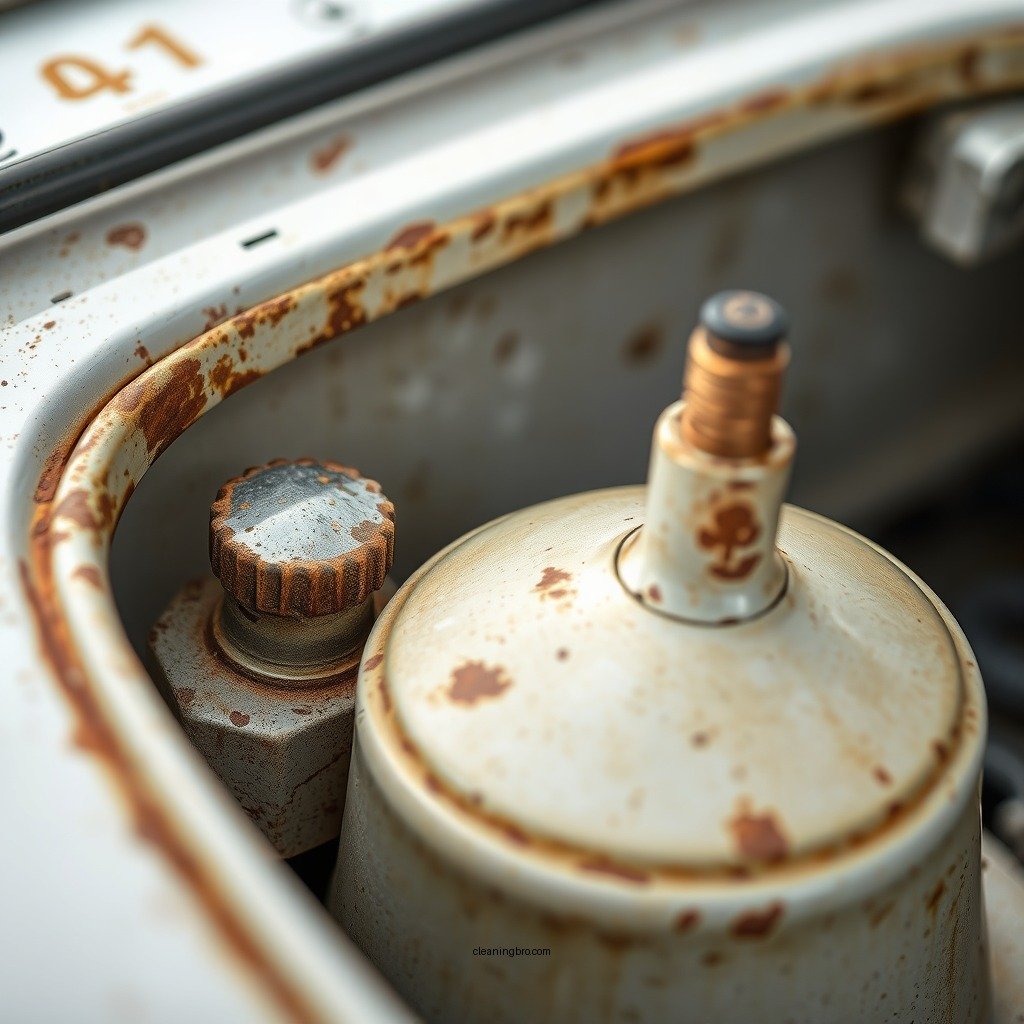
Once the old fuel has been removed, the next step is to inspect the tank for any signs of damage or contamination.
– Visual inspection: Look for rust, debris, or any signs of contamination inside the tank. Pay attention to any discoloration or unusual odors that may indicate issues.
– Cleaning process: Use a long brush and your chosen cleaning solution to scrub the interior surfaces of the tank. Ensure that all residues are removed, focusing on areas where dirt or sludge may accumulate. If necessary, consider using a pressure washer for a more thorough clean.
Common Contaminants Found in Boat Gas Tanks
| # | Contaminant | Source | Risk Level |
|---|---|---|---|
| 1 | Water | Condensation | High |
| 2 | Algae | Contaminated fuel | Medium |
| 3 | Rust | Tank corrosion | High |
| 4 | Debris | Contaminated fuel | Medium |
| 5 | Sediment | Old fuel | Medium |
| 6 | Fungi | Warm, humid conditions | Medium |
| 7 | Contaminated Fuel | Poor fuel storage | High |
Rinse and Dry the Tank
After thoroughly cleaning the tank, it’s crucial to rinse and dry it effectively to prevent any residual contaminants.
– Rinse thoroughly: Use fresh water to rinse out any remaining cleaning solution and debris. Make sure no soap residues are left behind, as these can affect fuel performance.
– Allow to dry: Ensure the tank is completely dry before refilling. Consider using a fan or a dehumidifier to speed up the drying process, as moisture can lead to rusting and fuel contamination.
Refill with Fresh Fuel
With a clean and dry tank, you can now refill it with fresh fuel.
– Choose the right fuel: Select the correct type of fuel recommended for your boat. Refer to your owner’s manual for guidance on the appropriate fuel grade to use.
– Add fuel stabilizer: To prolong the life of your fuel, consider adding a fuel stabilizer. This can prevent future issues such as fuel breakdown and the growth of algae.
Regular Maintenance Tips
Maintaining the cleanliness and functionality of your boat’s gas tank is an ongoing task that requires regular checks.
– Schedule regular checks: Aim to clean the tank at least once a season. This proactive approach helps avoid fuel build-up and related issues, ensuring a smoother boating experience.
– Monitor fuel quality: Keep an eye on the condition of your fuel. If you notice any changes in color, odor, or consistency, consider draining and replacing it to prevent damage to your engine.
Best Fuel Stabilizers for Boats: A Comparison
| Feature | ⭐ Star Tron | Stabil Max | Sea Foam |
|---|---|---|---|
| Price | $12.99 | $10.99 | $8.99 |
| Prevents Ethanol Issues | ✅ | ✅ | ✅ |
| Cleans Fuel System | ✅ | ✅ | ✅ |
| Improves Fuel Efficiency | ✅ | ✅ | ❌ |
| Volume | 8 oz | 16 oz | 16 oz |
| Suitable for All Engines | ✅ | ✅ | ✅ |
| Reduces Emissions | ✅ | ✅ | ✅ |
| Boosts Octane | ❌ | ✅ | ❌ |
| Free Trial Available | ❌ | ❌ | ✅ |
| 🏆 Best For | Versatile cleaning | Cost-effective solution | Comprehensive engine care |
Incorporating the right fuel stabilizer into your tank can significantly enhance performance and fuel longevity, making it a crucial part of your maintenance routine.
In summary, cleaning out your boat’s gas tank is a straightforward yet essential process. By following this step-by-step guide, you can ensure that your boat remains in optimal condition, improving both performance and safety on the water. Regular maintenance and vigilance regarding fuel quality will help you avoid costly repairs and ensure a more enjoyable boating experience. Don’t delay—take action today to clean your boat’s gas tank and set the stage for memorable outings on the water.
Frequently Asked Questions
What are the steps to clean out a boat gas tank?
To clean out a boat gas tank, start by draining the fuel completely into an appropriate container. Next, remove any debris by using a vacuum or a brush. For stubborn residue, you can use a fuel tank cleaner or a mixture of water and detergent, followed by rinsing thoroughly. Finally, ensure the tank is completely dry before refilling with fresh fuel.
How do I know if my boat gas tank needs cleaning?
Signs that your boat gas tank needs cleaning include a sluggish engine, difficulty starting, or frequent fuel filter clogs. Additionally, if you notice water or sediment in the fuel or if the boat has been sitting for an extended period, it’s advisable to clean the gas tank to prevent further issues.
Why is it important to clean a boat gas tank regularly?
Regularly cleaning a boat gas tank is crucial to maintain engine performance and fuel efficiency. Contaminants such as dirt, water, and algae can accumulate over time, leading to clogs and potential engine damage. By ensuring a clean gas tank, you can prolong the life of your engine and enhance your boating experience.
What is the best product to use for cleaning a boat gas tank?
The best products to use for cleaning a boat gas tank include specialized fuel tank cleaners that are designed to dissolve sludge and deposits without damaging the tank. Some popular brands include Star Tron and Biobor JF, which effectively eliminate microbial growth and prevent corrosion. Always follow the manufacturer’s instructions for optimal results.
Which tools do I need to clean my boat gas tank effectively?
To clean your boat gas tank effectively, you’ll need basic tools such as a siphon pump for draining fuel, a vacuum or brush for debris removal, and a fuel tank cleaning solution. Additionally, safety gear like gloves and goggles is recommended, along with a sturdy container to safely collect and store the old fuel during the cleaning process.
References
- https://en.wikipedia.org/wiki/Boat_fuel_systems
https://en.wikipedia.org/wiki/Boat_fuel_systems - https://www.boatsafe.com/cleaning-the-fuel-tank/
https://www.boatsafe.com/cleaning-the-fuel-tank/ - https://www.nasboat.com/faq/how-to-clean-a-fuel-tank/
https://www.nasboat.com/faq/how-to-clean-a-fuel-tank/ - https://www.sealife.com/blog/how-to-clean-your-boat-fuel-tank/
https://www.sealife.com/blog/how-to-clean-your-boat-fuel-tank/ - Google Scholar Google Scholar
https://scholar.google.com/scholar?q=clean+boat+gas+tank - Google Scholar Google Scholar
https://scholar.google.com/scholar?q=boat+fuel+tank+maintenance - Google Scholar Google Scholar
https://scholar.google.com/scholar?q=cleaning+gas+tank+boat - Google Scholar Google Scholar
https://scholar.google.com/scholar?q=how+to+clean+out+a+boat+gas+tank - how to clean out a boat gas tank – Search results
https://en.wikipedia.org/wiki/Special:Search?search=how+to+clean+out+a+boat+gas+tank - https://www.ncbi.nlm.nih.gov/search/research-articles/?term=how+to+clean+out+a+boat+gas+tank
https://www.ncbi.nlm.nih.gov/search/research-articles/?term=how+to+clean+out+a+boat+gas+tank