How to Clean Out a House After Someone Passes Away
Cleaning out a house after someone dies can be an emotionally challenging task that requires sensitivity and organization. The key to managing this process is to approach it with a clear plan and to take it one step at a time. In this article, you will learn practical steps to navigate the emotional and logistical aspects of clearing out a deceased loved one’s home.
Understanding the Emotional Impact

The emotional toll of cleaning out a house after a loved one has passed is profound. Grief can manifest in various ways, from sadness and anger to confusion and even guilt. Recognizing these feelings is the first step in managing them. It’s essential to allow yourself and others involved in the process to take breaks when needed. This may include stepping outside for fresh air, having a quiet moment alone, or sharing memories that can lighten the mood. Engaging in these emotional pauses can facilitate healthier coping mechanisms and promote better decision-making during the clean-out.
For instance, if family members are involved, establish an open line of communication where everyone can express their feelings and concerns. Using a shared journal or a family group chat can help everyone articulate their thoughts, allowing for collective healing during this difficult time.
Preparing for the Clean-Out
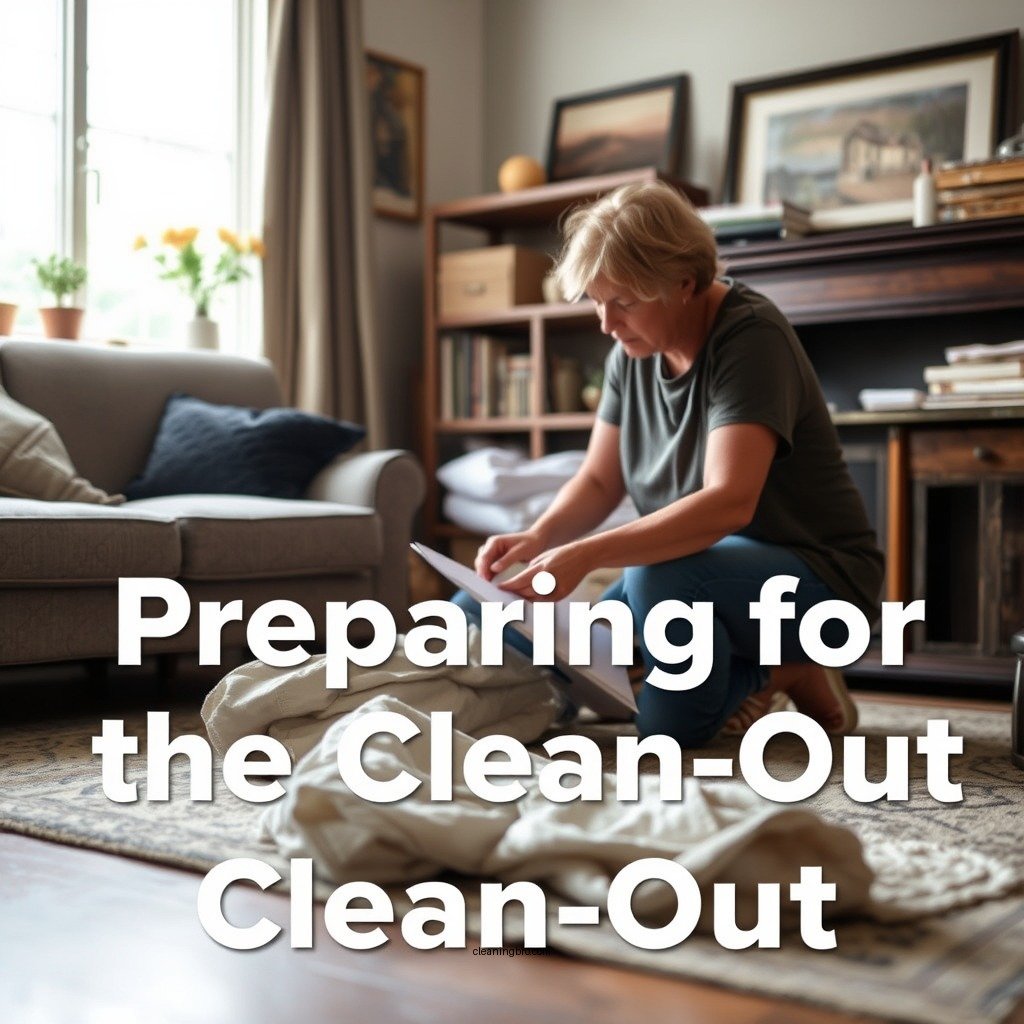
Preparation is crucial for an effective clean-out. Start by gathering necessary supplies, which may include boxes, trash bags, tape, markers, and cleaning materials. Having these items readily available will prevent disruptions during the process. Additionally, it may be beneficial to enlist the help of friends or professionals who have experience in dealing with estate clean-outs. They can provide the manpower needed to tackle this daunting task.
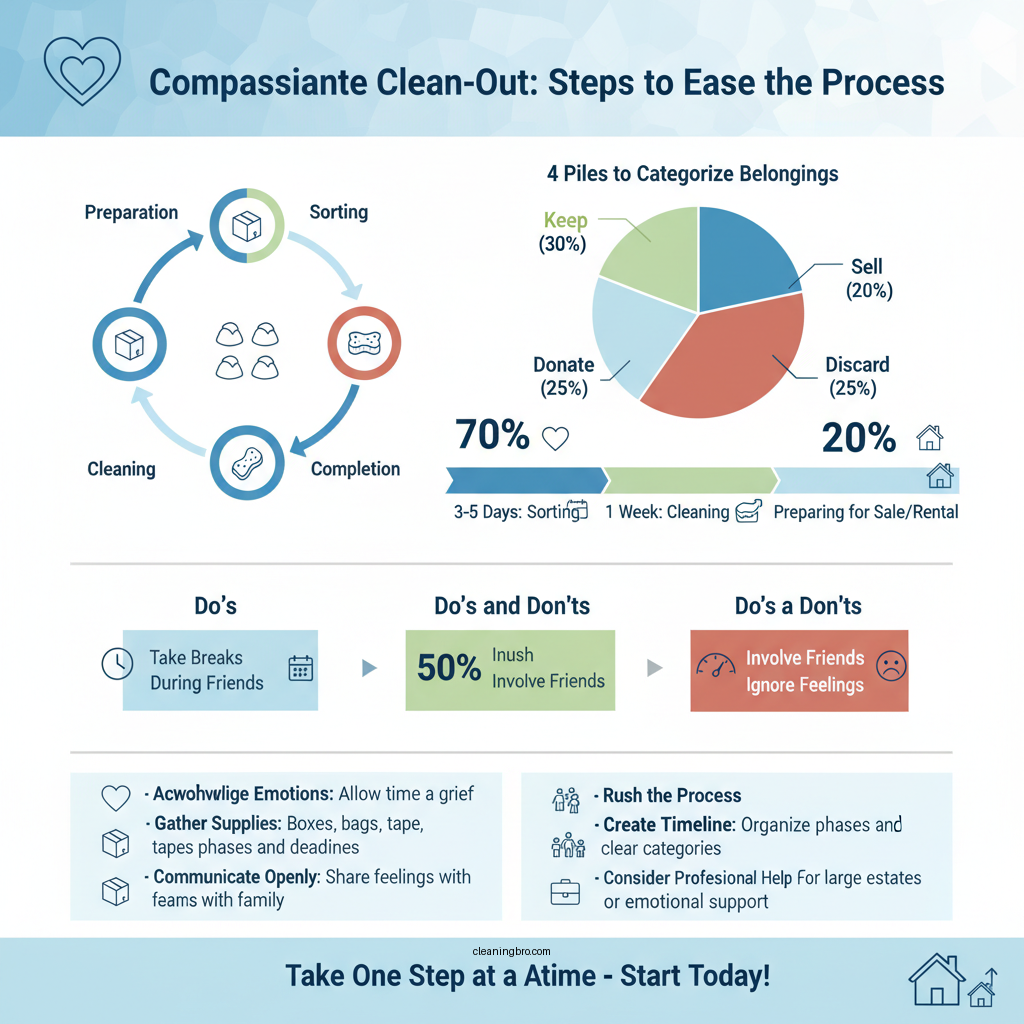
Creating a timeline is equally important. Break down the clean-out into phases, such as sorting belongings, cleaning the home, and preparing for sale or rental. A timeline not only keeps everyone organized but also helps to manage expectations. For example, you might allocate a few days for sorting through belongings and a week for cleaning and maintenance. Setting deadlines for each phase can help to avoid feeling overwhelmed and ensure that progress is made in a timely manner.
Sorting Through Belongings

Sorting through the deceased’s belongings can be one of the most emotionally charged aspects of the clean-out. It is advisable to categorize items into four distinct piles: keep, donate, sell, and discard. This methodical approach simplifies the decision-making process and helps to reduce clutter.
Involving family members in the sorting process can also be beneficial, especially when it comes to sentimental items. Create a designated area for items that hold special meaning, and discuss these pieces together. This collaborative approach not only preserves memories but can also strengthen family bonds during a challenging time. For example, a family member may want to keep an heirloom or a piece of furniture that holds significant memories, while others may feel comfortable donating items to charity, knowing they will be appreciated by others.
Average Time Spent on Sorting Belongings by Item Type
| # | Item Type | Average Time (hours) | Emotional Load (1-10) |
|---|---|---|---|
| 1 | Clothing | 5 | 6 |
| 2 | Furniture | 8 | 7 |
| 3 | Personal Items | 4 | 9 |
| 4 | Electronics | 3 | 5 |
| 5 | Books | 6 | 8 |
| 6 | Keepsakes | 7 | 10 |
| 7 | Miscellaneous | 4 | 4 |
Dealing with Legal and Financial Matters
In addition to the emotional aspects, dealing with the legal and financial repercussions of a loved one’s passing is vital. Consulting with an attorney or estate planner is advisable to understand any legal obligations regarding the estate. This could include settling debts, understanding tax implications, and ensuring that the will is executed properly.
Creating an inventory of valuable items is essential for potential estate sales or appraisals. Items such as jewelry, antiques, and collectibles may have significant value and should be documented thoroughly. Engaging with professionals who specialize in estate sales can help maximize the return on these items and ease the burden of dealing with them. For example, a reputable estate sale company can manage the sale process, allowing family members to focus on their emotional healing rather than logistical challenges.
Cleaning and Maintenance
Once belongings have been sorted and decisions made regarding the estate, cleaning the home is the next critical step. A thorough cleaning prepares the property for sale or rental and can enhance its appeal to potential buyers. It’s advisable to start with the basics such as dusting, vacuuming, and scrubbing surfaces.
Additionally, addressing any necessary repairs or maintenance is crucial. This could include fixing leaky faucets, repainting walls, or even landscaping the yard. A well-maintained property can significantly increase its market value and attract more prospective buyers. Hiring professional cleaners or contractors may be beneficial, especially if the home has been vacant for some time or if there are extensive repairs needed.
Finalizing the Process
As the clean-out process nears completion, consider hiring professionals for heavy lifting or specialized cleaning tasks. This can make the process smoother and alleviate some physical strain. Professional movers can safely transport larger items, while specialized cleaning crews can handle deep cleaning and sanitation.
After all items have been sorted and cleaned, make arrangements for the disposal of unsold items. This may involve donating to charities, scheduling bulk trash pickups, or even recycling. It’s also essential to ensure that the property is secure, which may include changing locks or setting up security measures if the house will be unoccupied for an extended period.
The process of cleaning out a house after someone passes away can be daunting, but with careful planning and support, it can be managed effectively. Remember to take care of your emotional well-being and lean on friends or family for support as you navigate this difficult time. If you’re feeling overwhelmed, don’t hesitate to seek out professional help to make the transition smoother.
Frequently Asked Questions
What are the first steps to take when cleaning out a house after someone dies?
The first steps include assessing the situation and determining the level of help you may need. Begin by securing the property, notifying relevant authorities if necessary, and deciding whether to hire professional cleaning services or manage the cleanup yourself. It’s also essential to gather important documents and personal items before starting the cleaning process.
How do I handle sentimental items during the house cleanout process?
Handling sentimental items requires sensitivity; it’s important to take your time in deciding what to keep, donate, or discard. Create a designated space for items that hold emotional value and involve other family members in the decision-making process. This collaborative approach helps ensure that cherished memories are preserved and respected.
Why is it important to hire professional services when cleaning out a deceased person’s home?
Hiring professional services can alleviate emotional stress and ensure a thorough and efficient cleanup. Professionals have the experience, tools, and resources needed to handle hazardous materials and dispose of items properly, which can be particularly important if the home has been neglected. Their expertise also helps maximize the value of any belongings that may be sold or donated.
What should I do with hazardous materials found during the cleanout?
It’s crucial to properly identify and dispose of hazardous materials, such as chemicals, batteries, and asbestos. Contact local waste management services for guidelines on safe disposal and consider hiring a professional cleaning service that specializes in hazardous materials. This ensures both safety and compliance with local regulations.
Which items should be prioritized for removal during the cleanout?
Prioritize items that are perishable, pose a safety hazard, or have significant financial or sentimental value. Start with perishable food, medications, and anything that can attract pests. Afterward, focus on valuable items like antiques, jewelry, and family heirlooms that may require careful handling or appraisal.
References
- https://www.ncbi.nlm.nih.gov/pmc/articles/PMC5836648/
https://www.ncbi.nlm.nih.gov/pmc/articles/PMC5836648/ - https://www.cdc.gov/niosh/topics/biohazards/cleaning.html
https://www.cdc.gov/niosh/topics/biohazards/cleaning.html - https://www.nytimes.com/2020/03/24/health/coronavirus-death-cleaning.html
https://www.nytimes.com/2020/03/24/health/coronavirus-death-cleaning.html - https://www.bbc.com/future/article/20200325-how-to-grieve-after-someone-dies
https://www.bbc.com/future/article/20200325-how-to-grieve-after-someone-dies - https://www.theguardian.com/lifeandstyle/2021/jul/20/how-to-clean-a-loved-ones-home-after-their-death
https://www.theguardian.com/lifeandstyle/2021/jul/20/how-to-clean-a-loved-ones-home-after-their-death - https://www.mayoclinic.org/healthy-lifestyle/end-of-life/in-depth/death-and-dying/art-20045852
https://www.mayoclinic.org/healthy-lifestyle/end-of-life/in-depth/death-and-dying/art-20045852 - Google Scholar Google Scholar
https://scholar.google.com/scholar?q=clean+out+a+house+after+someone+died - Google Scholar Google Scholar
https://scholar.google.com/scholar?q=dealing+with+death+cleaning+house - Google Scholar Google Scholar
https://scholar.google.com/scholar?q=bereavement+house+cleaning+guidelines - Google Scholar Google Scholar
https://scholar.google.com/scholar?q=how+to+clean+out+a+house+after+someone+dies