How to Clean a Permanent Retainer: Simple Steps
Cleaning a permanent retainer is vital for maintaining oral hygiene and preventing plaque and tartar buildup. This guide provides you with effective methods to clean your retainer properly, ensuring that your smile remains healthy and radiant. By adopting a consistent cleaning routine, you can prolong the life of your retainer while also promoting overall dental health.
Understanding Permanent Retainers

Permanent retainers are fixed devices that orthodontists use to help keep teeth in their new positions after braces or other orthodontic treatments. Typically constructed from a thin wire, these retainers are bonded to the back of your teeth, making them less visible but also more challenging to clean than removable options. The design of permanent retainers often means that food particles and plaque can accumulate around them, making diligent cleaning essential to prevent decay and gum disease.
These retainers serve an important role in maintaining the alignment of your teeth, which is why understanding how to care for them is crucial. Unlike removable retainers that can be taken out and cleaned easily, permanent retainers require a different approach for effective maintenance.
Essential Tools for Cleaning
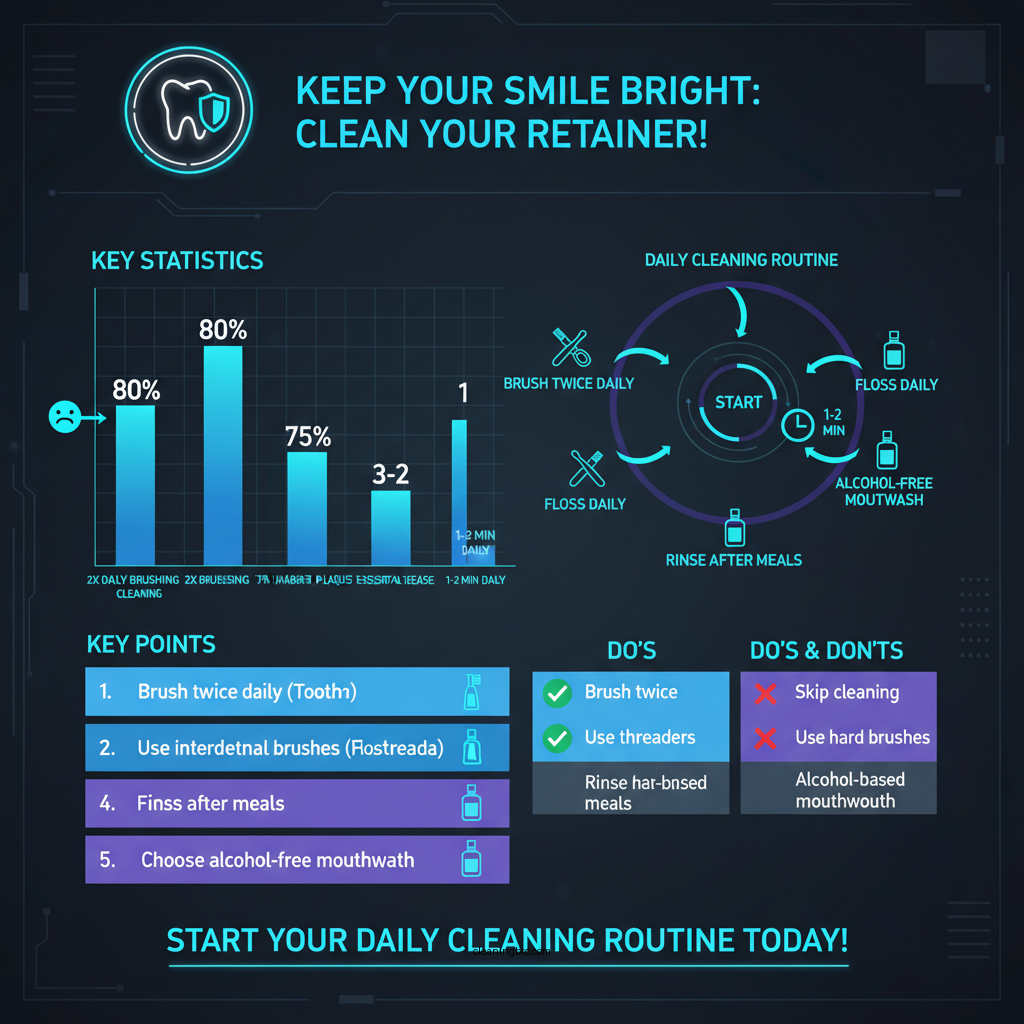
To effectively clean your permanent retainer, you will need a few essential tools. The right tools ensure that you can reach difficult areas without damaging the retainer or your teeth.
– Soft-bristled toothbrush: Using a toothbrush with soft bristles is vital to prevent scratching the retainer or damaging your gums. A gentle brushing technique will effectively remove plaque and food particles.
– Interdental brushes: These small brushes are designed to clean between teeth and around retainers. They are particularly useful for reaching areas that a regular toothbrush may miss.
– Floss threaders: Flossing can be challenging with a permanent retainer; hence, floss threaders allow you to maneuver dental floss around the retainer wire, ensuring that you can clean effectively between teeth.
– Mouthwash: An antibacterial mouthwash can help reduce plaque buildup and freshen your breath. Opt for alcohol-free versions to avoid drying out your mouth.
Daily Cleaning Routine
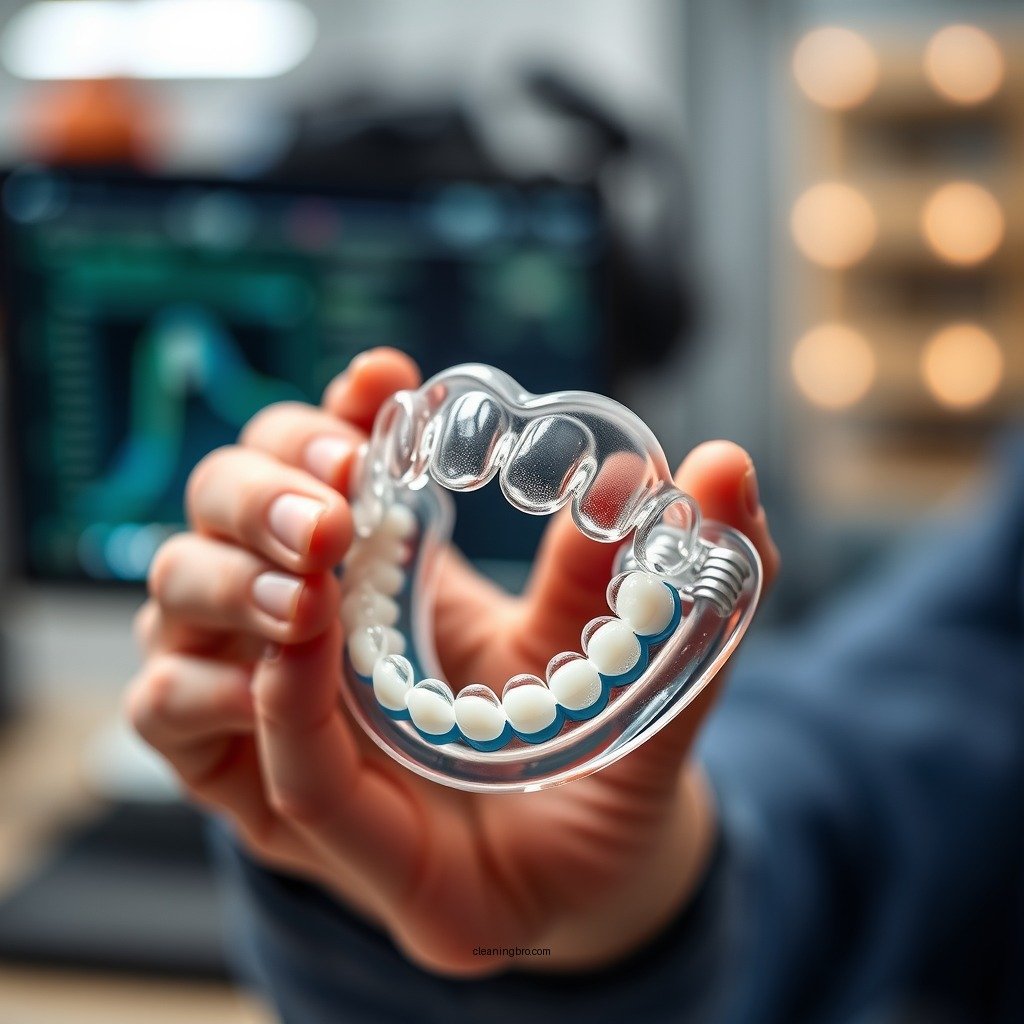
To maintain the cleanliness of your permanent retainer, a daily cleaning routine is essential. Here’s a recommended process:
– Brush your retainer: Brush your retainer at least twice a day, ideally after meals. Use your soft-bristled toothbrush and a fluoride toothpaste to gently scrub the retainer and the surrounding teeth.
– Floss daily: Use a floss threader to clean between your teeth and around the retainer wire. This helps remove plaque and food debris that can accumulate in hard-to-reach areas.
– Rinse with water: After meals, rinse your mouth thoroughly with water to help dislodge any food particles stuck around your retainer. This simple step can significantly reduce plaque buildup.
– Use mouthwash: Incorporate an antibacterial mouthwash into your routine to help control bacteria and maintain fresh breath.
Deep Cleaning Techniques
While daily cleaning is important, committing to deeper cleaning techniques on a regular basis can further enhance the cleanliness of your retainer.
– Weekly baking soda soak: Create a solution of water and baking soda and soak your retainer for about 15-20 minutes once a week. This mixture helps eliminate stains and odors while also disinfecting the retainer.
– Dental cleaning tablets: Consider using dental cleaning tablets specifically designed for retainers. Follow the instructions on the packaging for optimal results. These tablets can effectively remove stubborn stains and kill bacteria.
– Vinegar solution: Mix equal parts of white vinegar and water to soak your retainer for a short period. Rinse thoroughly afterward to eliminate any vinegar residue, as the acidity could affect your dental work if left on too long.
Top Cleaning Methods for Permanent Retainers (2024)
| # | Cleaning Method | Frequency | Effectiveness |
|---|---|---|---|
| 1 | Daily Brushing | Twice Daily | ✅ High |
| 2 | Flossing | Daily | ✅ Very High |
| 3 | Baking Soda Soak | Weekly | ✅ High |
| 4 | Mouthwash Rinse | After Meals | ✅ Moderate |
| 5 | Dental Cleaning Tablets | Weekly | ✅ Very High |
| 6 | Vinegar Solution | Monthly | ✅ High |
| 7 | Regular Dental Visits | Every 6 Months | ✅ Very High |
Dealing with Stains and Tartar
Over time, stains and tartar can develop on your permanent retainer, particularly if oral hygiene is not meticulously maintained. Here’s how to tackle these issues:
– Stubborn stains: If you encounter stubborn stains, create a paste using baking soda and a small amount of water. Gently scrub the affected areas with your soft-bristled toothbrush. This method is effective for removing surface stains without damaging the retainer.
– Tartar buildup: Regular dental checkups are crucial for managing tartar buildup. Your dentist can provide professional cleaning and may recommend specific treatments to help keep your retainer and teeth in optimal condition.
– Preventive measures: To prevent stains and tartar, maintain a consistent daily cleaning routine, limit consumption of staining foods and beverages (like coffee or red wine), and stay hydrated to promote saliva production, which helps neutralize acids in the mouth.
Importance of Regular Dental Checkups
Regular dental appointments are vital for anyone with a permanent retainer. These checkups allow your dentist to monitor the condition of your retainer and address any concerns before they become serious. Here are some key reasons to prioritize these visits:
– Professional cleaning: Dentists have the tools and expertise to clean areas that are difficult to reach at home, ensuring that your retainer and teeth remain in great shape.
– Tailored advice: Your dentist can offer personalized advice on retainer care based on your specific dental needs, helping you maintain optimal oral hygiene.
– Detection of issues: Regular checkups allow for the early detection of any potential problems, such as gum disease or decay, which can be exacerbated by poor retainer care.
Additional Tips for Retainer Care
In addition to regular cleaning and dental visits, consider these additional tips to keep your permanent retainer in the best condition possible:
– Avoid sticky foods: Foods that are sticky or hard can damage the retainer and may lead to discomfort. Be cautious with items like taffy, hard candies, or crusty bread.
– Travel toothbrush: Keep a travel toothbrush in your bag for on-the-go cleaning after meals. This can help remove food particles and plaque immediately, reducing the risk of buildup.
– Hydration: Drink plenty of water to promote saliva production, which naturally helps protect your teeth and retainer from harmful bacteria.
Maintaining a clean permanent retainer is crucial for your dental health and overall hygiene. By following these tips and establishing a consistent cleaning routine, you can ensure that your retainer remains in optimal condition. Remember to consult with your dentist for personalized advice and to schedule regular checkups to keep your smile bright and healthy.
Frequently Asked Questions
How do I clean my permanent retainer effectively?
To clean your permanent retainer effectively, use a soft-bristled toothbrush along with fluoride toothpaste. Gently brush along the retainer and the surrounding gum line to remove plaque and food particles. Additionally, consider using an interdental brush or floss threaders to reach difficult areas around the retainer for a thorough cleaning.
Why is it important to clean my permanent retainer regularly?
Regularly cleaning your permanent retainer is crucial to prevent plaque buildup, tooth decay, and gum disease. Since permanent retainers are fixed and can trap food particles, neglecting their care can lead to oral health issues. Maintaining good hygiene not only ensures your retainer remains in good condition but also promotes overall dental health.
What products are best for cleaning a permanent retainer?
The best products for cleaning a permanent retainer include a fluoride toothpaste, a soft-bristled toothbrush, and dental floss or interdental brushes. You may also consider using an antibacterial mouthwash to help reduce bacteria in your mouth. Avoid using harsh abrasives that could damage the retainer or irritate your gums.
How often should I clean my permanent retainer?
You should clean your permanent retainer at least twice a day, ideally during your regular brushing routine in the morning and evening. Additionally, it’s a good idea to rinse your mouth with water after meals to help dislodge any food particles. Regular cleaning will help maintain oral hygiene and extend the life of your retainer.
Which techniques can I use to make cleaning my permanent retainer easier?
To make cleaning your permanent retainer easier, consider using a water flosser, which can effectively remove debris without the hassle of traditional flossing. Additionally, using a dental mirror can help you see hard-to-reach areas, ensuring a thorough clean. Establishing a consistent cleaning routine will also simplify the process and improve your oral hygiene.
References
- https://www.mayoclinic.org/healthy-lifestyle/adult-health/in-depth/oral-hygiene/art-20046035
https://www.mayoclinic.org/healthy-lifestyle/adult-health/in-depth/oral-hygiene/art-20046035 - https://www.ncbi.nlm.nih.gov/pmc/articles/PMC6467853/
https://www.ncbi.nlm.nih.gov/pmc/articles/PMC6467853/ - https://www.ncbi.nlm.nih.gov/pmc/articles/PMC2994859/
https://www.ncbi.nlm.nih.gov/pmc/articles/PMC2994859/ - https://www.wiki-how.com/Clean-a-Permanent-Retainer
https://www.wiki-how.com/Clean-a-Permanent-Retainer - https://www.reuters.com/article/us-health-oral-care-idUSKBN2A02G
https://www.reuters.com/article/us-health-oral-care-idUSKBN2A02G - Google Scholar Google Scholar
https://scholar.google.com/scholar?q=how+to+clean+permanent+retainer - Google Scholar Google Scholar
https://scholar.google.com/scholar?q=permanent+retainer+oral+hygiene - Google Scholar Google Scholar
https://scholar.google.com/scholar?q=cleaning+permanent+retainers+care - https://www.cdc.gov/oralhealth/publications/faq/dental-care.html
https://www.cdc.gov/oralhealth/publications/faq/dental-care.html - how to clean permanent retainer – Search results
https://en.wikipedia.org/wiki/Special:Search?search=how+to+clean+permanent+retainer