How to Clean Porcelain Figurines: A Step-by-Step Guide
Cleaning porcelain figurines requires gentle techniques to avoid damage while restoring their shine. In this guide, you’ll learn effective methods to safely clean your cherished collectibles, ensuring they remain beautiful for years to come.
Porcelain figurines are beloved collectibles that often hold sentimental value and historical significance. Understanding the unique properties of porcelain is essential to preserving these delicate items. Porcelain is a type of ceramic known for its strength and translucence, but it is also fragile and can chip or crack easily if not handled with care. Additionally, porcelain figurines come in various finishes such as glossy and matte, which may require different cleaning approaches to maintain their aesthetic appeal. This guide will delve into the best practices for cleaning and caring for your porcelain figurines, allowing you to keep them in pristine condition.
Understanding Porcelain Figurines
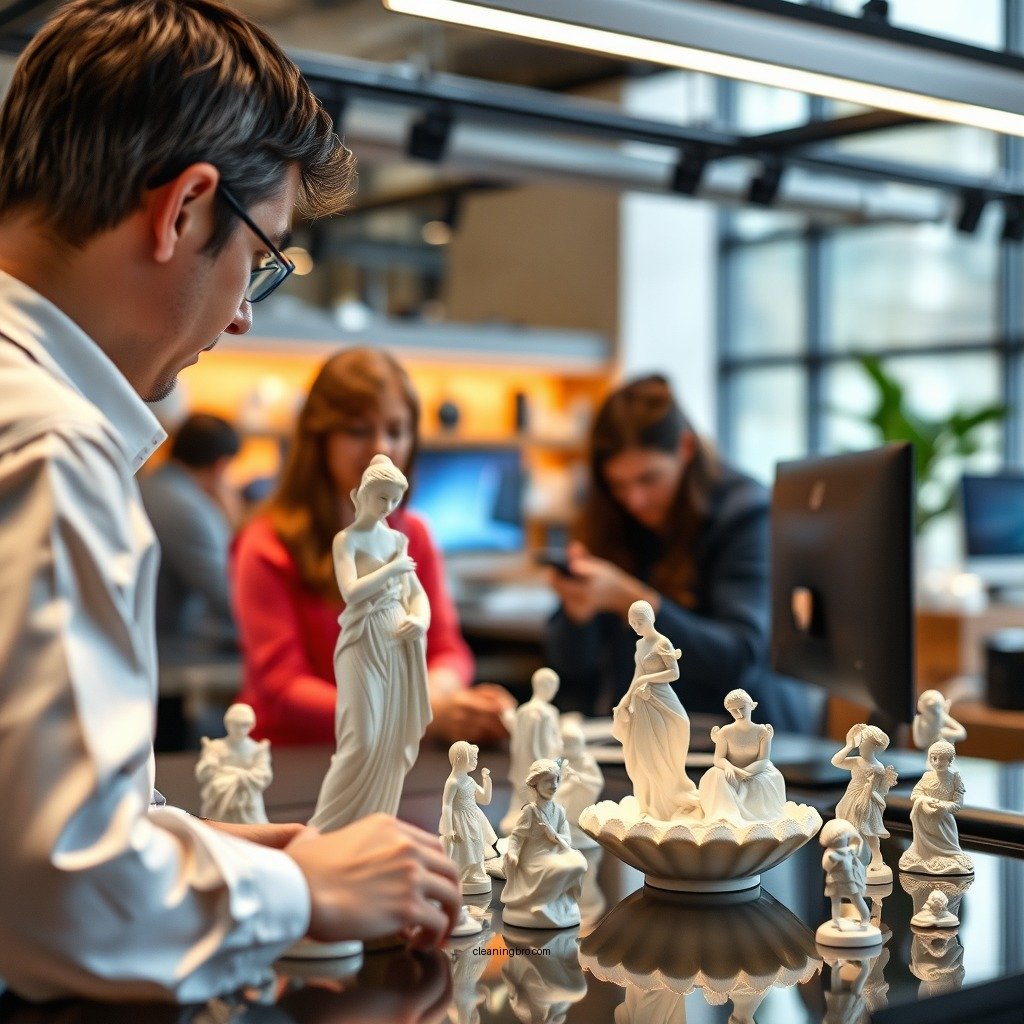
Porcelain is a fine ceramic material that is made by heating kaolin and other materials to high temperatures. This results in a hard, white, and translucent product that is often intricately decorated. Due to its delicate nature, porcelain figurines need special attention during cleaning.
1. Delicate Nature: Unlike other materials, porcelain is susceptible to scratches, chips, and cracks. Even a small amount of pressure can lead to irreversible damage.
2. Different Finishes: The finish of a porcelain figurine can affect the cleaning method. Glossy finishes may show scratches more readily, while matte finishes can retain dust and dirt differently.
Understanding these factors will guide you in selecting the appropriate cleaning techniques and tools.
Tools and Materials Needed
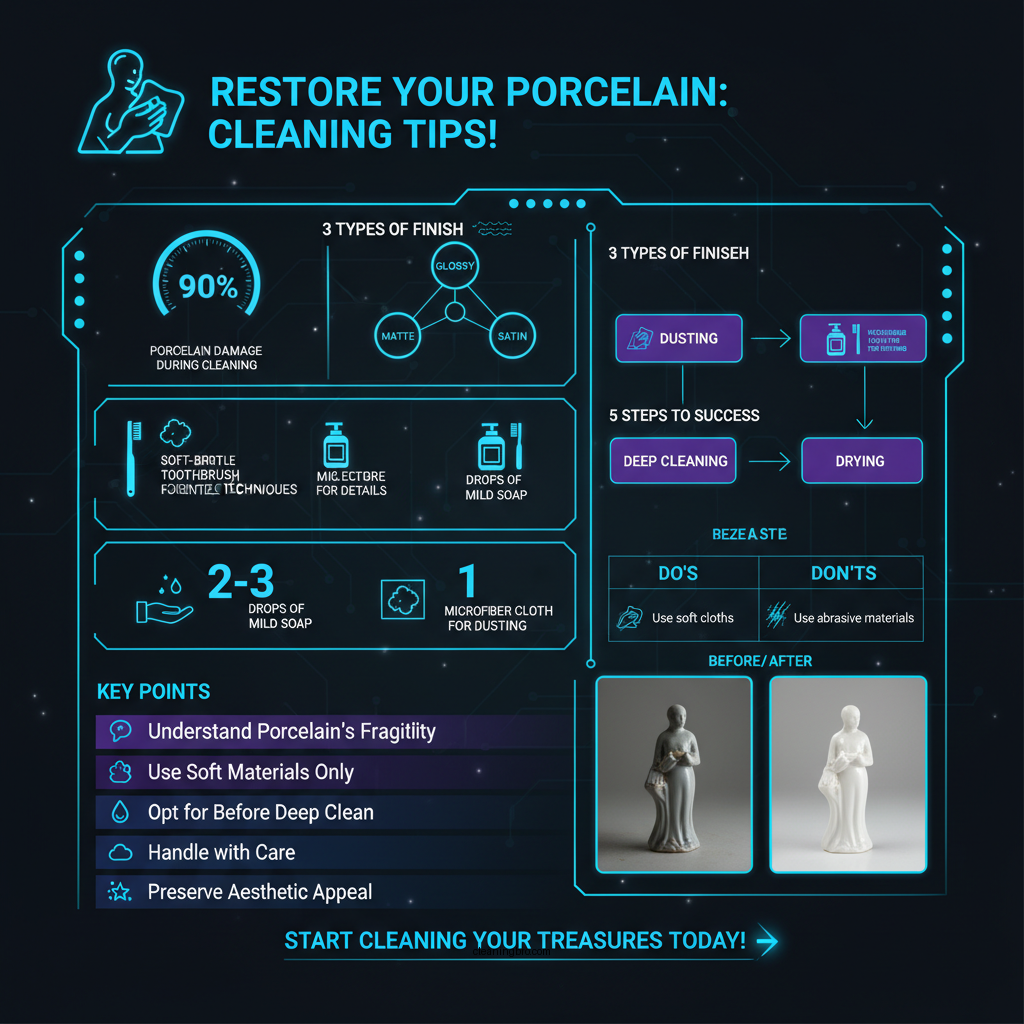
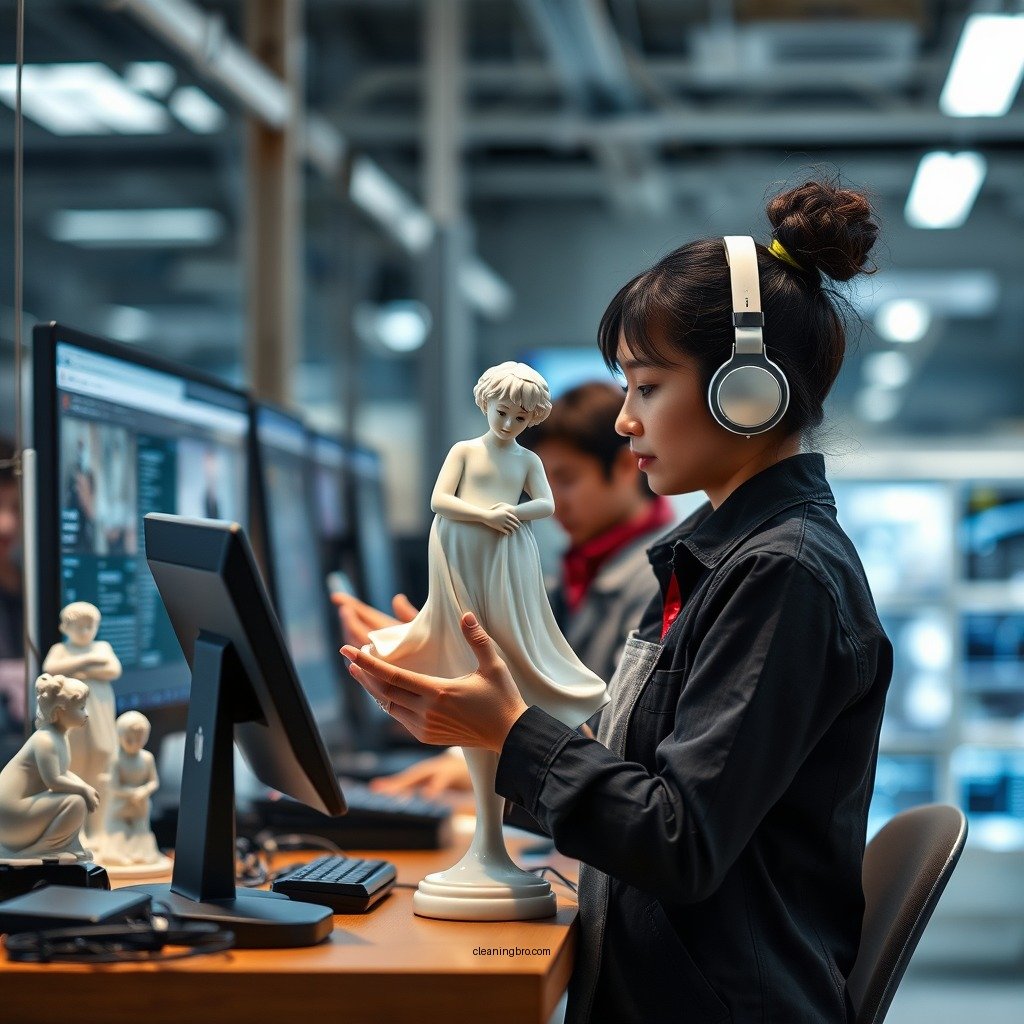
To clean porcelain figurines effectively, gather the following tools and materials:
– Soft, Lint-Free Cloths or Microfiber Towels: These are crucial for dusting and drying, as they will not scratch the surface.
– Mild Soap or Specialized Porcelain Cleaner: Choose a gentle soap that won’t harm the porcelain or its finish. Specialized cleaners can also be beneficial for tough stains.
– Soft-Bristle Toothbrush: Ideal for cleaning intricate details and hard-to-reach areas without causing damage.
Having the right tools on hand will streamline the cleaning process and help prevent potential mishaps.
Basic Cleaning Techniques
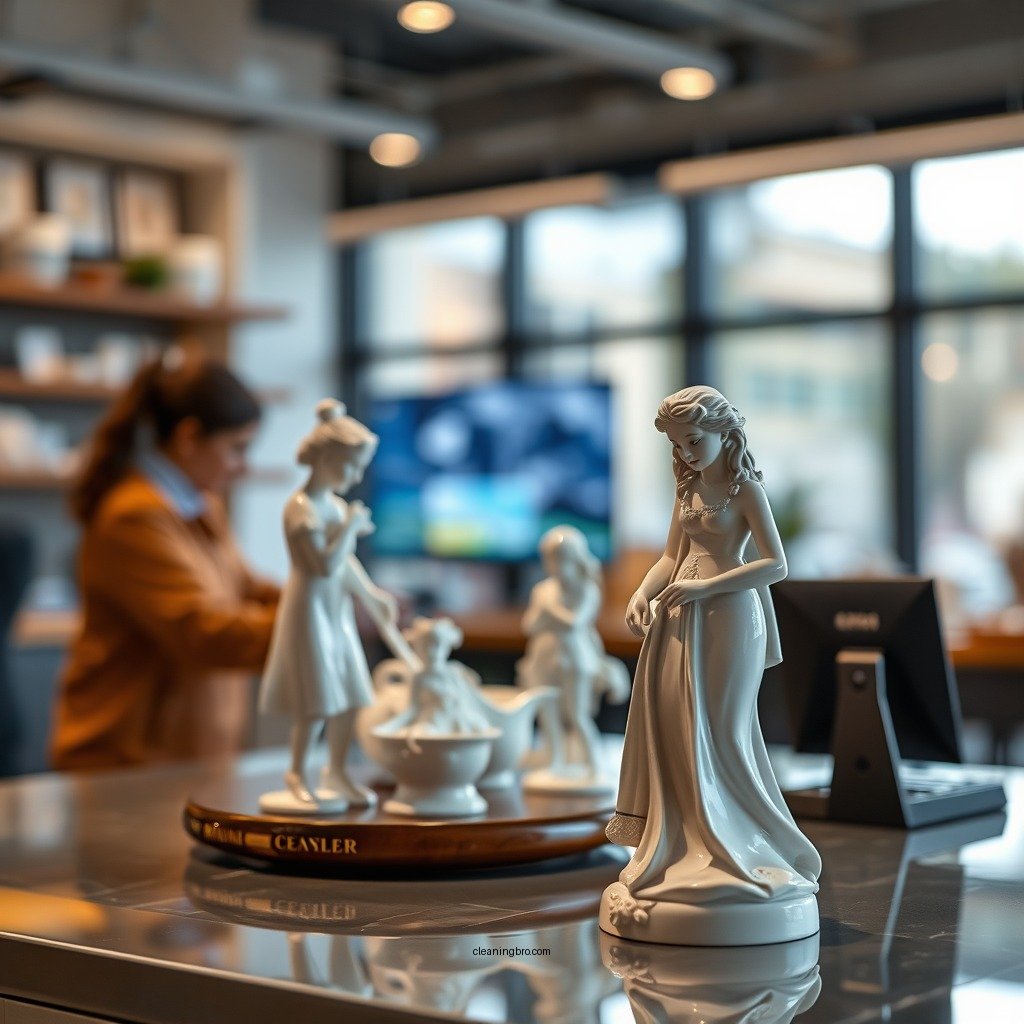
Cleaning porcelain figurines can be broken down into a few basic techniques:
1. Dusting: Start by gently dusting the figurine with a dry, soft cloth to remove loose dirt. This step is crucial to avoid scratching the surface during the wet cleaning process.
2. Deep Cleaning: For deeper cleaning, mix a few drops of mild soap with warm water. Dampen your cloth in the soapy water, wring it out thoroughly, and gently wipe the figurine. Avoid soaking the item, as excess moisture can seep into cracks or joints.
Here’s a visual representation of the cleaning process:
Top 5 Tools For Cleaning Porcelain Figurines
| # | Tool | Material | Purpose |
|---|---|---|---|
| 1 | Microfiber Cloth | Microfiber | Dusting and drying |
| 2 | Mild Soap | Liquid soap | Cleaning |
| 3 | Porcelain Cleaner | Specialized cleaner | Deep cleaning |
| 4 | Soft-Bristle Toothbrush | Bristles | Detail cleaning |
| 5 | Water | Liquid | Rinsing |
Addressing Stains and Marks
Despite the best efforts at cleaning, stains and marks can still occur on porcelain figurines. Here are effective methods to address them:
1. Using a Soft-Bristle Toothbrush: For tough stains, a soft-bristle toothbrush can be very effective. Dampen the brush with a mild soapy solution and gently scrub the stained area. This technique allows you to target the specific area without damaging the surrounding porcelain.
2. Specialized Porcelain Cleaner: If the stain persists, consider using a specialized porcelain cleaner. Always test this on a small, inconspicuous area first to ensure it does not harm the finish. Apply the cleaner with a soft cloth, following the instructions provided by the manufacturer.
By addressing stains carefully, you can maintain the integrity and beauty of your porcelain figurines.
Special Considerations for Antique Figurines
Antique porcelain figurines often require more care than newer pieces. Here are some essential considerations:
1. Inspect for Repairs: Before cleaning, examine the figurine for any repairs or fragile parts. Older pieces may have been restored, and excessive moisture can damage these repairs.
2. Avoid Soaking: Never soak antique porcelain in water, as this can lead to deterioration. Instead, opt for the gentle cleaning methods outlined previously to avoid compromising the integrity of the piece.
Understanding the unique characteristics of antique figurines is crucial in maintaining their value and appearance.
Drying and Storing Your Figurines
After cleaning, proper drying and storage are vital for preserving porcelain figurines:
1. Pat Dry: Use a soft cloth to gently pat the figurine dry, avoiding any vigorous rubbing that could lead to scratches or damage. Make sure no water spots are left behind.
2. Storage: Store porcelain figurines in a safe location, away from direct sunlight, dust, and potential accidents. Consider using display cases that provide protection while showcasing your collectibles.
By following these drying and storage practices, you can ensure your porcelain figurines remain in excellent condition.
Regular Maintenance Tips
Maintaining porcelain figurines requires consistent effort. Here are some tips to keep them looking their best:
1. Dust Regularly: Keep figurines in a dust-free environment and dust them regularly using a soft cloth or microfiber towel.
2. Display Cases: Use display cases to protect figurines from accidental damage and dust accumulation. This not only preserves their condition but also enhances their presentation.
Regular maintenance will help extend the life and beauty of your porcelain figurines, allowing you to enjoy them for many years.
Cleaning your porcelain figurines carefully will help preserve their beauty and value. Following these steps will ensure they stay in excellent condition. If you have more collectibles, consider applying the same gentle techniques to keep all your cherished items looking their best. Proper care not only enhances their aesthetic appeal but also safeguards their historical and sentimental significance, making them treasures to be cherished for generations.
Frequently Asked Questions
What is the best way to clean delicate porcelain figurines?
The best way to clean delicate porcelain figurines is to use a soft, lint-free cloth or a microfiber cloth. Dampen the cloth with water or a mixture of mild dish soap and water, then gently wipe the figurine, avoiding any painted or detailed areas to prevent damage. Always air dry the figurine after cleaning to avoid water spots.
How often should I clean my porcelain figurines?
You should clean your porcelain figurines at least once every few months to prevent dust buildup and maintain their shine. If the figurines are displayed in a high-traffic area or near sources of grease and smoke, it may be beneficial to clean them more frequently. Regular maintenance helps preserve their appearance and value.
Why is it important to avoid harsh chemicals when cleaning porcelain figurines?
Avoiding harsh chemicals when cleaning porcelain figurines is crucial because they can damage the glaze, causing discoloration or dullness. Strong cleaners may also erode delicate paint or decorative elements. Instead, opt for gentle, non-abrasive cleaners to ensure the longevity and integrity of your precious collectibles.
Which tools are best for cleaning intricate porcelain figurines?
The best tools for cleaning intricate porcelain figurines include soft brushes, such as a makeup brush or a small paintbrush, and cotton swabs for hard-to-reach areas. These tools allow you to gently remove dust and dirt from detailed parts without risking damage. Always ensure that any tool you use is clean and dry before applying it to your figurines.
How can I safely remove stubborn stains from porcelain figurines?
To safely remove stubborn stains from porcelain figurines, create a paste of baking soda and water, then apply it gently to the stained area using a soft cloth or sponge. Let it sit for a few minutes before rinsing it off with a damp cloth. Always test the paste on a small, inconspicuous area first to ensure it doesn’t damage the finish.
References
- Porcelain
https://en.wikipedia.org/wiki/Porcelain - Porcelain | Definition, History, Types, & Facts | Britannica
https://www.britannica.com/art/porcelain - Google Scholar Google Scholar
https://scholar.google.com/scholar?q=cleaning+porcelain+figurines - https://www.sciencedirect.com/topics/earth-and-planetary-sciences/porcelain
https://www.sciencedirect.com/topics/earth-and-planetary-sciences/porcelain - https://www.nature.com/articles/s41570-020-00277-4
https://www.nature.com/articles/s41570-020-00277-4 - https://pubmed.ncbi.nlm.nih.gov/29064363/
https://pubmed.ncbi.nlm.nih.gov/29064363/ - https://www.cdc.gov/healthywater/drinking/home-water-treatment.html
https://www.cdc.gov/healthywater/drinking/home-water-treatment.html - https://www.who.int/news-room/fact-sheets/detail/clean-water-sanitation-and-hygiene
https://www.who.int/news-room/fact-sheets/detail/clean-water-sanitation-and-hygiene - Google Scholar Google Scholar
https://scholar.google.com/scholar?q=porcelain+figurines+care+and+cleaning - https://www.mayoclinic.org/healthy-lifestyle/consumer-health/in-depth/cleaning-your-home/art-20043389
https://www.mayoclinic.org/healthy-lifestyle/consumer-health/in-depth/cleaning-your-home/art-20043389