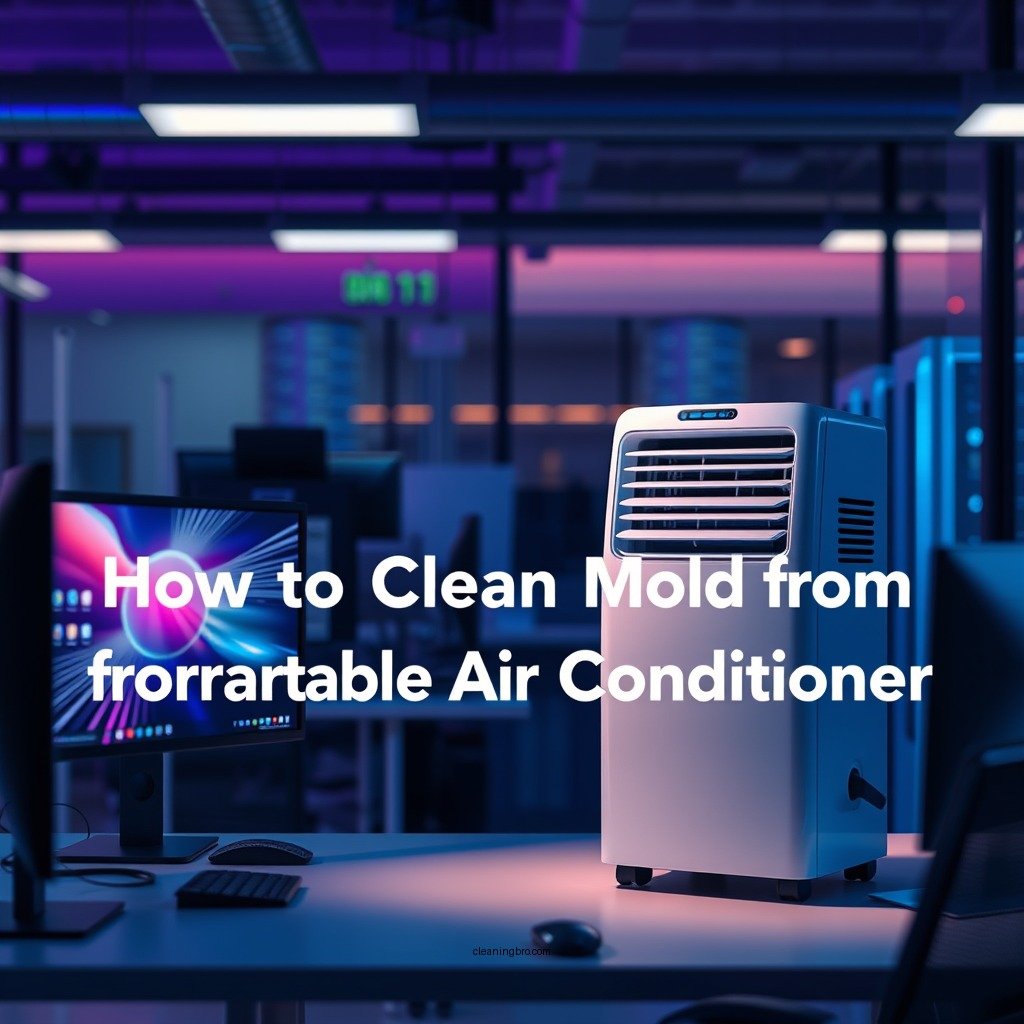
How to Clean Mold from a Portable Air Conditioner
Cleaning mold from your portable air conditioner is essential for maintaining air quality and ensuring the unit functions effectively. In just a few simple steps, you can remove mold and prevent it from returning. This guide will cover the best methods for cleaning, essential tools you’ll need, and tips for ongoing maintenance.
Understanding Mold Growth in Air Conditioners

Mold thrives in damp, warm environments, making air conditioners a prime target for growth. Portable air conditioners often operate in conditions that create moisture, providing an ideal breeding ground for mold spores. If left unchecked, mold can not only deteriorate the unit’s efficiency but also compromise indoor air quality, leading to potential health risks for occupants. Regular maintenance is crucial to prevent mold from developing within the unit. This includes routine cleaning, checking for leaks, and ensuring that the environment around the air conditioner is dry and well-ventilated.
Essential Tools for Cleaning
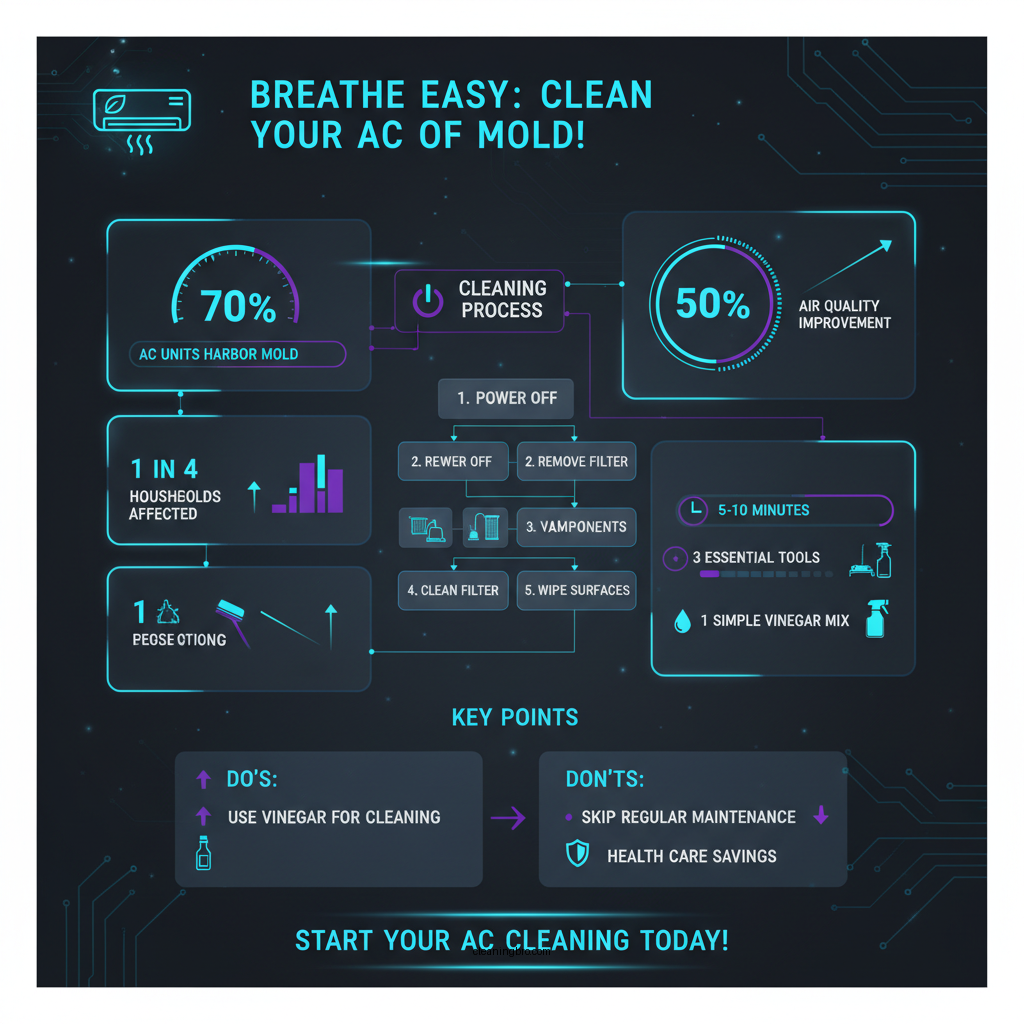

Before you embark on cleaning your portable air conditioner, gather the following essential supplies:
– Soft Brush: Ideal for gently scrubbing surfaces without scratching them.
– Vacuum Cleaner: A vacuum with a brush attachment will help remove dust and debris from hard-to-reach areas.
– Cleaning Solutions: Opt for a mold-specific cleaner or create an effective mixture of water and vinegar. The acidity of vinegar is beneficial for killing mold spores and is a safe alternative to harsh chemicals.
– Microfiber Cloths: Use these for drying and wiping down surfaces after cleaning.
– Spray Bottle: Handy for applying your cleaning solution evenly.
Having these tools at your disposal will make the cleaning process smoother and more efficient.
Step-by-Step Cleaning Process

To effectively clean mold from your portable air conditioner, follow these detailed steps:
1. Power Off and Unplug the Unit: Safety first! Ensure that the air conditioner is turned off and unplugged to avoid any risk of electric shock while cleaning.
2. Remove the Filter and Detachable Parts: Most portable air conditioners come with removable filters. Take out the filter and any other detachable components, as these are often where mold collects.
3. Vacuum the Internal Components: Use your vacuum cleaner with a brush attachment to carefully clean the internal components. Pay particular attention to crevices where dust may accumulate, as this can contribute to mold growth.
4. Clean the Filter: If the filter is washable, rinse it under warm water and allow it to dry completely before reinserting. If it’s disposable, consider replacing it with a new one.
Treating Mold with Cleaning Solutions
Once you’ve vacuumed the internal components, it’s time to treat any mold present:
1. Apply the Cleaning Solution: Using your spray bottle, apply the selected cleaning solution to the areas affected by mold. Ensure that the surfaces are adequately covered but not drenched to avoid excess moisture.
2. Scrub the Mold Away: Take your soft brush and gently scrub the moldy areas. Be cautious not to damage any surfaces while removing the mold. For stubborn spots, allow the cleaning solution to sit for a few minutes before scrubbing again.
3. Wipe Down Surfaces: After scrubbing, use a microfiber cloth to wipe down the areas you cleaned, removing any residue from the cleaning solution.
Reassembling and Testing the Unit
After cleaning, follow these steps for reassembly and testing:
1. Allow All Parts to Dry Completely: Ensure that all components, especially the filter, are completely dry before reassembling. This is crucial to prevent any remaining moisture from fostering mold growth again.
2. Reassemble the Air Conditioner: Carefully put back all the parts in their original positions, ensuring that everything fits snugly.
3. Plug the Unit Back In: Turn the air conditioner on and run it on a low setting for a short period. This will help to circulate air through the unit and ensure it is functioning properly.
Preventive Measures to Avoid Future Mold Growth
To minimize the risk of mold returning, implement the following preventive measures:
1. Regularly Clean the Filter: Follow the manufacturer’s recommendations for how often to clean or replace the filter. A clean filter is essential for optimal airflow and preventing moisture buildup.
2. Control Humidity: Ensure that the area where the portable air conditioner is used has proper drainage and humidity control. Consider using a dehumidifier in particularly humid environments.
3. Maintain Proper Airflow: Ensure that the air conditioner has sufficient space around it for airflow. Blocked airflow can lead to increased humidity and moisture buildup.
4. Regular Inspections: Periodically inspect the unit for any signs of mold, leaks, or unusual odors. Early detection can help prevent a larger problem from developing.
When to Seek Professional Help
If mold persists despite your cleaning efforts, or if you notice any significant leaks or damage to the unit, it may be time to consult a professional. Experts can identify underlying issues contributing to mold growth and provide more comprehensive cleaning solutions. Additionally, scheduling regular inspections can help catch problems before they escalate, ensuring your air conditioner remains in excellent condition.
Top 7 Causes of Mold in Portable Air Conditioners
| # | Cause | Description | Preventive Action |
|---|---|---|---|
| 1 | High Humidity | Excess moisture in the air | Use a dehumidifier |
| 2 | Dirty Filters | Dust and debris accumulation | Regularly clean or replace |
| 3 | Poor Drainage | Water not draining properly | Check drainage system |
| 4 | Leaks | Water leaks from the unit | Inspect seals and hoses |
| 5 | Insufficient Airflow | Blocked vents | Ensure proper ventilation |
| 6 | Temperature Fluctuations | Rapid changes in temperature | Maintain a stable environment |
| 7 | Old Unit | Aging air conditioner | Consider replacement |
Best Portable Air Conditioners for Mold Prevention
| Feature | ⭐ Model A | Model B | Model C |
|---|---|---|---|
| Filter Type | HEPA | Activated Carbon | Standard |
| Mold Resistance | ✅ High | ✅ Moderate | ❌ Low |
| Energy Efficiency | ⭐ A++ | A+ | B |
| Noise Level | 50 dB | 55 dB | 60 dB |
| Weight | 35 lbs | 40 lbs | 45 lbs |
| Warranty | 2 years | 1 year | 6 months |
| Price | $350 | $250 | $150 |
| Portable Design | ✅ | ✅ | ✅ |
| Remote Control | ✅ | ✅ | ❌ |
| 🏆 Best For | All-round performance | Budget users | Basic needs |
Maintaining a clean portable air conditioner is vital for your health and the unit’s performance. By following these cleaning steps and preventive measures, you can enjoy fresher air and a more efficient cooling experience. Don’t hesitate to take action—start cleaning today for a healthier environment!
Frequently Asked Questions
How do I identify mold in my portable air conditioner?
To identify mold in your portable air conditioner, look for visible signs such as black or green spots on the unit, especially around the filter, drain pan, and hoses. Additionally, you may notice a musty odor when the unit is running, which is a strong indicator of mold growth. Regularly inspecting these areas can help you catch mold early and prevent health issues.
What are the best products to clean mold from a portable air conditioner?
The best products for cleaning mold from a portable air conditioner include a mixture of water and vinegar, or a gentle soap solution. You can also use specialized mold removers that are safe for HVAC systems. Avoid harsh chemicals that can damage the unit or harm your health.
Why is it important to clean mold from my portable air conditioner?
Cleaning mold from your portable air conditioner is crucial because mold can negatively impact indoor air quality and lead to respiratory issues. It can also reduce the efficiency of the unit, causing it to work harder and consume more energy. Regular cleaning helps maintain a healthy environment and prolongs the life of your air conditioner.
How often should I clean my portable air conditioner to prevent mold?
To prevent mold growth, it’s recommended to clean your portable air conditioner at least once a month during the peak usage season. Additionally, after heavy usage or if you’ve noticed moisture buildup, perform a thorough cleaning. Regular maintenance, including filter changes and water drainage, will help keep mold at bay.
Which parts of my portable air conditioner should I focus on when cleaning for mold?
When cleaning your portable air conditioner for mold, focus on the air filter, drain pan, and any hoses or vents where moisture can accumulate. These areas are prone to mold growth due to humidity and stagnant water. Ensuring these components are clean and dry will significantly reduce the risk of mold developing in your unit.
References
- https://www.cdc.gov/air/indoor-air-quality.html
https://www.cdc.gov/air/indoor-air-quality.html - Oral health: A window to your overall health – Mayo Clinic
https://www.mayoclinic.org/healthy-lifestyle/consumer-health/in-depth/cleaning-your-home/art-20047475 - https://www.nhlbi.nih.gov/health-topics/indoor-air-pollutants
https://www.nhlbi.nih.gov/health-topics/indoor-air-pollutants - https://www.epa.gov/indoor-air-quality-iaq/mold-in-my-home
https://www.epa.gov/indoor-air-quality-iaq/mold-in-my-home - https://www.who.int/news-room/questions-and-answers/item/mold-and-health
https://www.who.int/news-room/questions-and-answers/item/mold-and-health - https://www.sciencedirect.com/topics/earth-and-planetary-sciences/mold
https://www.sciencedirect.com/topics/earth-and-planetary-sciences/mold - https://www.britannica.com/science/mold
https://www.britannica.com/science/mold - Google Scholar Google Scholar
https://scholar.google.com/scholar?q=cleaning+portable+air+conditioner+mold - Google Scholar Google Scholar
https://scholar.google.com/scholar?q=indoor+air+quality+mold+cleaning - Google Scholar Google Scholar
https://scholar.google.com/scholar?q=removing+mold+from+air+conditioners