How to Clean a Reverse Osmosis Tank: A Step-by-Step Guide
Cleaning your reverse osmosis tank is essential for maintaining the quality of your drinking water. To effectively clean the tank, you need to empty it, disinfect with a suitable solution, and then rinse thoroughly. This guide will walk you through the necessary steps to ensure your reverse osmosis system remains free of contaminants and operates efficiently.
Understanding the Reverse Osmosis System
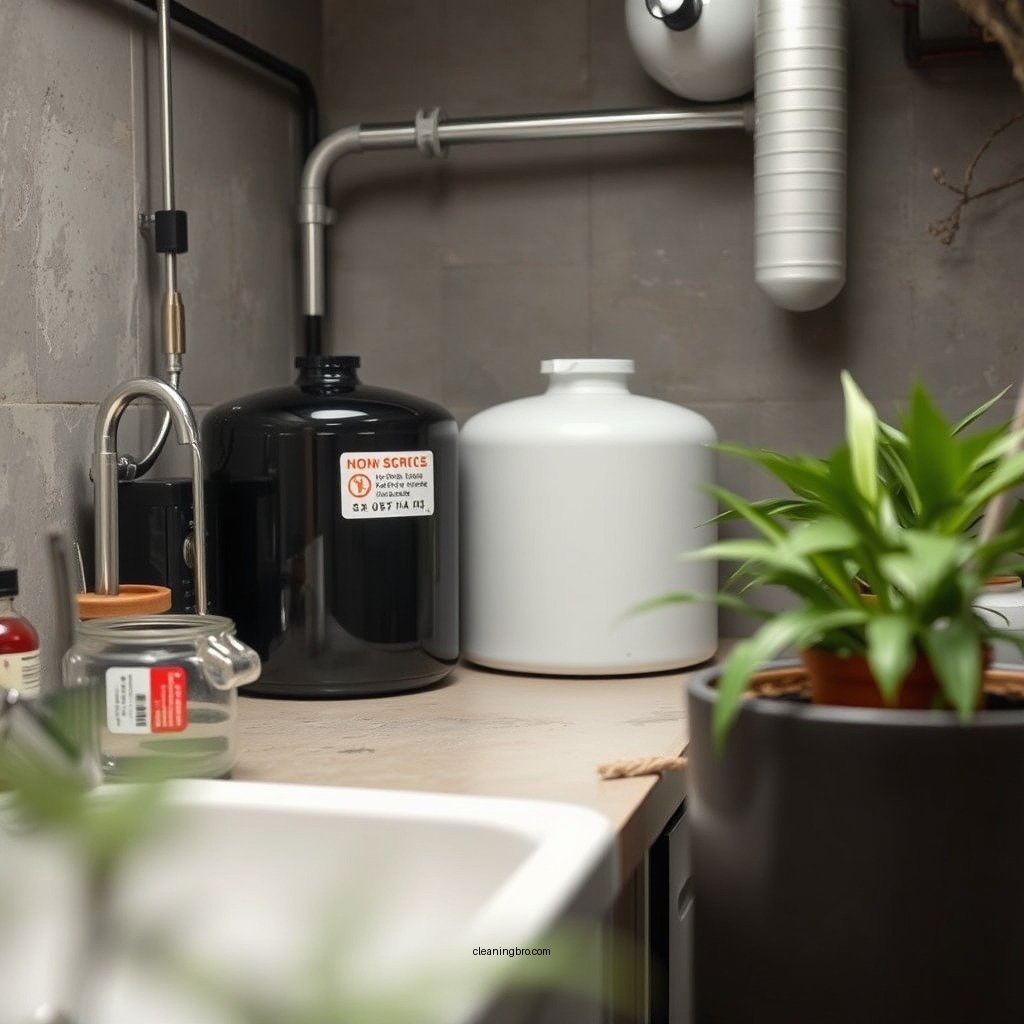
A reverse osmosis (RO) system is a water purification technology that removes impurities by forcing water through a semipermeable membrane. The process effectively eliminates contaminants such as chlorine, heavy metals, and microorganisms, producing clean and safe drinking water.
Maintaining clean tanks in a reverse osmosis system is crucial for several reasons. First, contaminants can accumulate over time, potentially compromising water quality. Second, a dirty tank can impede the system’s efficiency, leading to decreased water production and increased pressure on the system. Regular cleaning ensures that the RO unit operates optimally, providing you with the highest quality water.
When to Clean Your Reverse Osmosis Tank
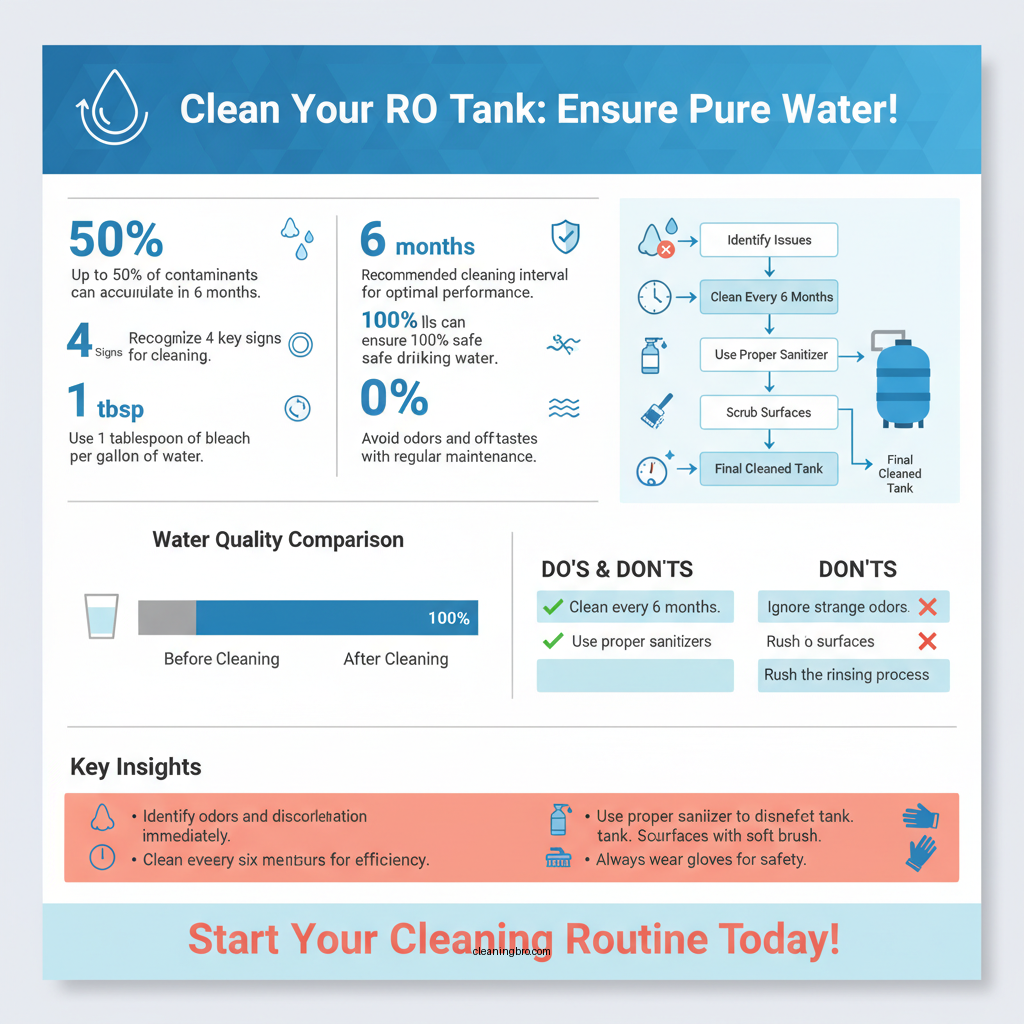
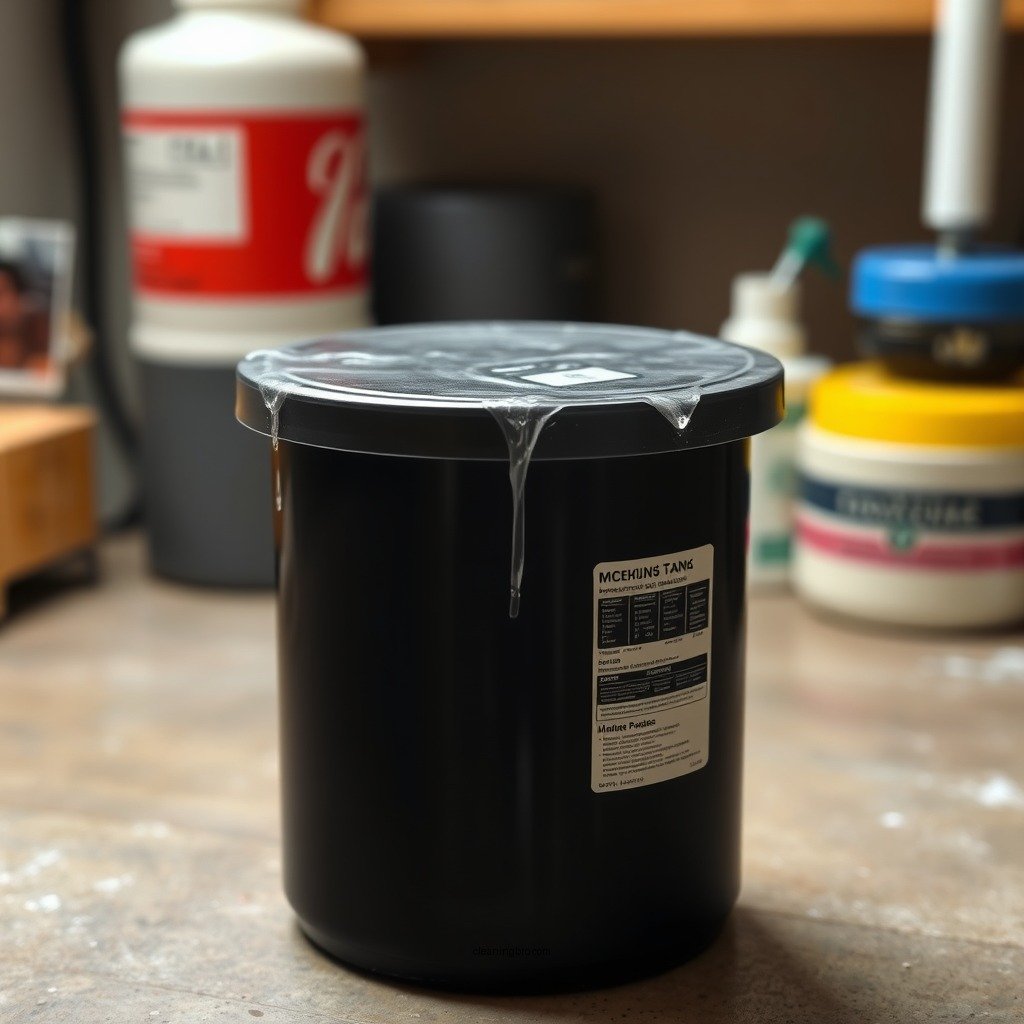
Knowing when to clean your reverse osmosis tank is vital for ensuring reliable performance. There are several signs that indicate it’s time for a cleaning:
1. Strange Odors: If you notice any unusual smells coming from the tank, it may be due to bacteria buildup or stagnant water.
2. Discoloration: Cloudy or discolored water suggests that contaminants have accumulated, necessitating an immediate cleaning.
3. Decreased Water Pressure: A drop in water pressure may indicate that the tank is filled with impurities and needs to be cleaned.
4. Taste Issues: Any off-taste in your drinking water can be a sign of contamination.
As for the frequency of cleaning, it is generally recommended to clean the tank every six months. However, this schedule may vary based on your water usage and the quality of the source water. Areas with higher levels of contaminants may require more frequent cleanings.
Tools and Materials Needed
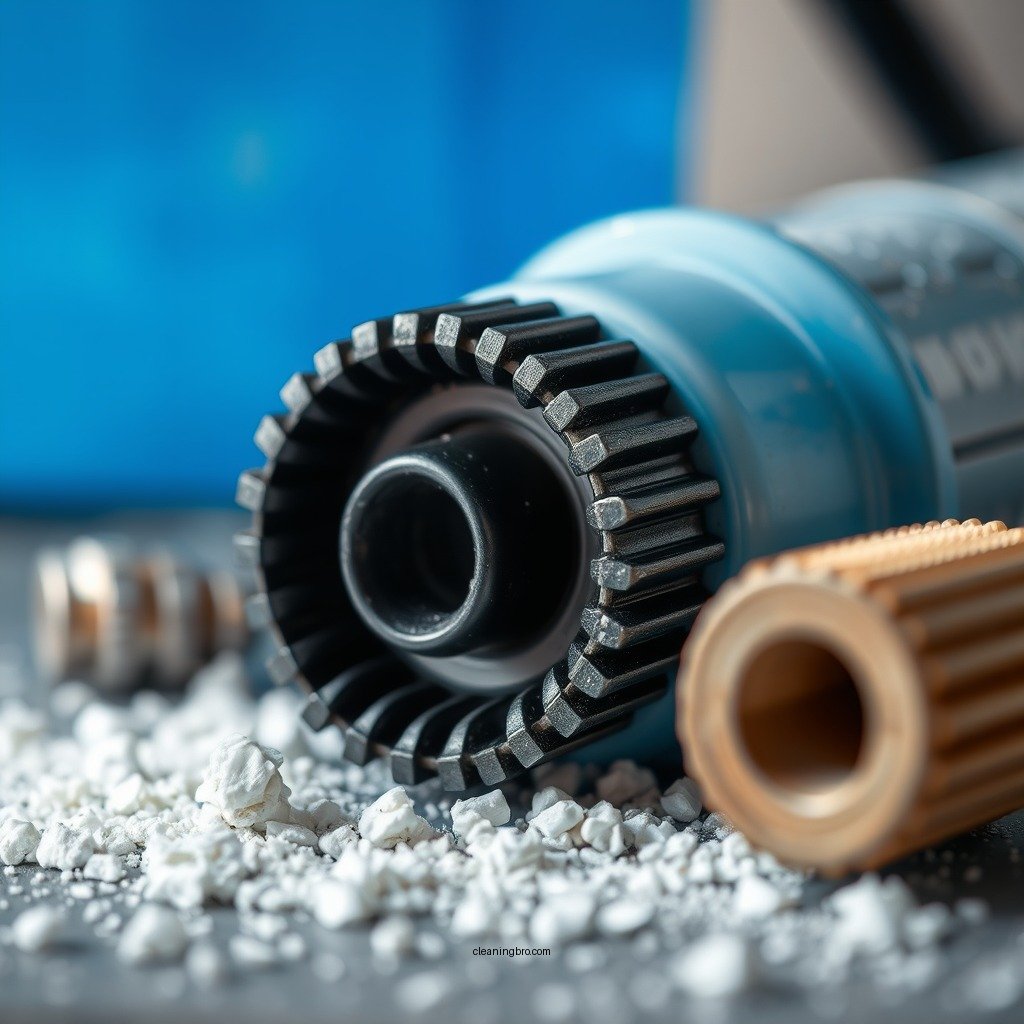
Before starting the cleaning process, gather the following tools and materials:
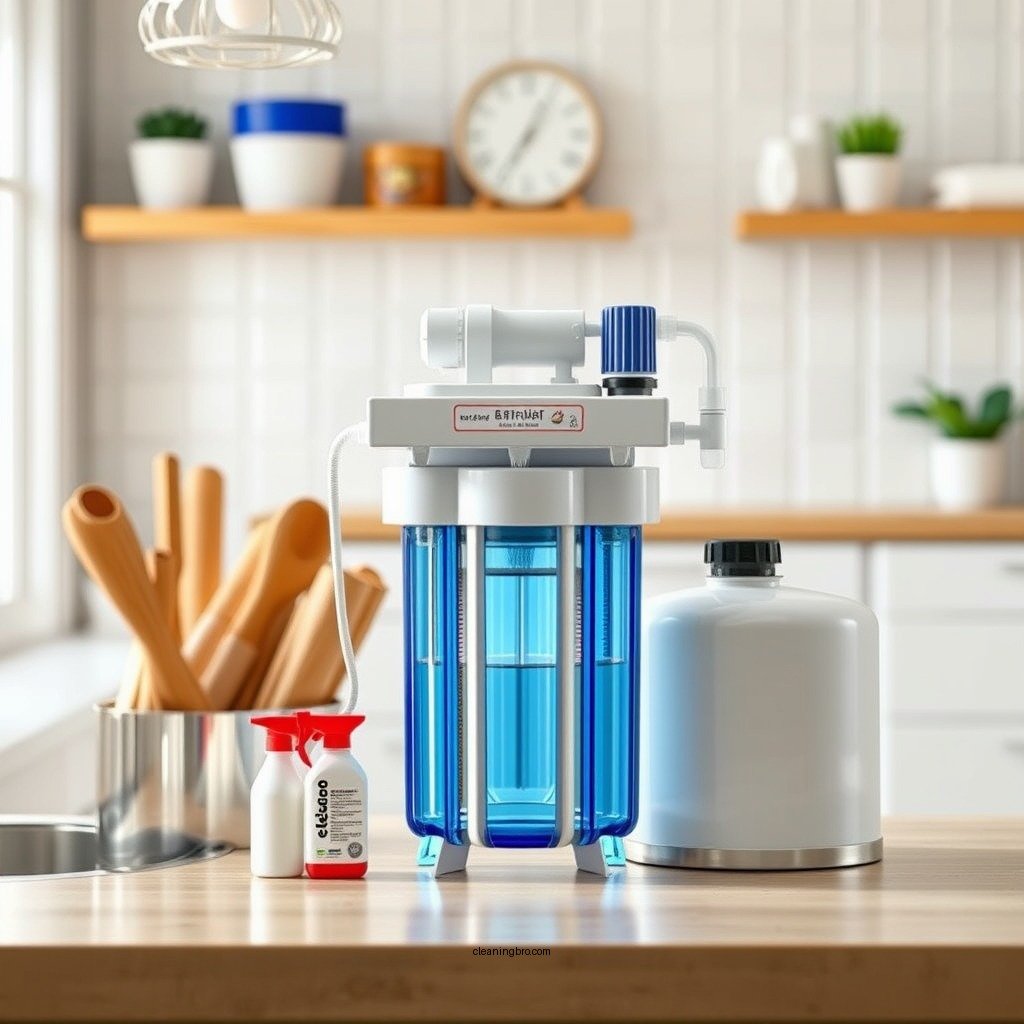
– Sanitizer: A solution of unscented household bleach (1 tablespoon per gallon of water) or a specialized RO system sanitizer.
– Soft Brush: A non-abrasive brush for scrubbing the interior surfaces.
– Bucket: To catch any residual water when emptying the tank.
– Gloves: To protect your hands while cleaning.
– Towels: For drying any external surfaces.
Safety Precautions:
– Always wear gloves when handling bleach or any cleaning agents.
– Ensure the area is well-ventilated, especially if using strong cleaning solutions.
– Follow the manufacturer’s recommendations for cleaning materials.
Step-by-Step Cleaning Process
1. Emptying the Tank
Begin by turning off the water supply to the reverse osmosis system. Open a faucet connected to the RO system to relieve any pressure. Once the water has stopped flowing, disconnect the tank from the system.
2. Disinfecting the Tank
Fill the tank with the sanitizer solution (either a bleach solution or a specialized RO cleaner). Let it sit for about 30 minutes to effectively disinfect the interior surfaces. Use a soft brush to scrub the walls and bottom of the tank gently. This will help remove any stubborn buildup or debris.
Important: Avoid using abrasive materials that could scratch the tank’s surface, as this could harbor bacteria in the damaged areas.
Rinsing and Reassembling the Tank
Thorough rinsing is crucial to ensure that all traces of the cleaning solution are eliminated. After disinfecting, empty the tank completely. Rinse it several times with clean water, filling and draining until the water runs clear and free of cleaning agents.
Once rinsed, reattach the tank to the reverse osmosis system. Ensure that all connections are secure to prevent leaks. Turn on the water supply and allow the tank to refill.
Maintaining Your Reverse Osmosis System
Regular maintenance is essential to prolong the life of your reverse osmosis system. Here are some tips:
– Check Filters Regularly: Inspect and replace filters according to the manufacturer’s recommendations, typically every 6-12 months.
– Monitor Water Quality: Conduct periodic water quality tests to ensure that the system is functioning correctly. Look for any signs of contamination or taste changes.
– Schedule Professional Maintenance: Consider having a technician inspect your system annually for additional checks and service.
Troubleshooting Common Issues
During the cleaning process, you may encounter some common issues:
1. Persistent Odors After Cleaning: If odors persist, ensure that the tank has been rinsed thoroughly and that the cleaning solution is completely removed.
2. Leakage After Reassembly: If water leaks from the tank connections, double-check all fittings and seals to ensure they are tight and properly aligned.
3. Slow Water Flow: If water flow is still slow after cleaning, check the filters and membranes for clogs, and replace them if necessary.
—
Top 7 Reverse Osmosis Systems by Performance (2023)
| # | Brand | Stages | Water Output (GPD) | Price |
|---|---|---|---|---|
| 1 | APEC Water Systems | 5 | 75 | $199 |
| 2 | Home Master | 7 | 90 | $299 |
| 3 | iSpring | 6 | 75 | $249 |
| 4 | Express Water | 5 | 100 | $179 |
| 5 | Aquasana | 6 | 77 | $299 |
| 6 | Waterdrop | 5 | 80 | $239 |
| 7 | Brondell | 4 | 60 | $249 |
Reverse Osmosis Systems: A Comparison of Key Features
| Feature | ⭐ APEC Water Systems | Home Master | iSpring |
|---|---|---|---|
| Stages of Filtration | 5 | 7 | 6 |
| Water Output (GPD) | 75 | 90 | 75 |
| Price | $199 | $299 | $249 |
| Filter Replacement Cost | $60 | $70 | $65 |
| TDS Reduction Rate | 98% | 99% | 98% |
| Warranty | 2 years | 1 year | 1 year |
| Noise Level | Quiet | Moderate | Quiet |
| Installation Difficulty | Easy | Moderate | Easy |
| Customer Rating | ★★★★☆ | ★★★★★ | ★★★★☆ |
| 🏆 Best For | Budget-conscious buyers | High performance enthusiasts | Value seekers |
Cleaning your reverse osmosis tank is a straightforward process when done regularly and correctly. By following the steps outlined above, you can ensure that your water remains pure and safe for consumption. Don’t forget to establish a cleaning schedule and check your system components periodically for optimal performance. Regular maintenance not only prolongs your system’s life but also guarantees that you and your family have access to clean, safe drinking water.
Frequently Asked Questions
How often should I clean my reverse osmosis tank?
It is recommended to clean your reverse osmosis tank every six months to a year, depending on your water usage and the quality of your source water. Regular cleaning helps prevent bacteria buildup and ensures that the water produced remains pure and safe for consumption.
What is the best method to clean a reverse osmosis tank?
The best method to clean a reverse osmosis tank involves first disconnecting the tank and draining any remaining water. Then, use a mixture of mild soap and warm water to scrub the interior thoroughly, followed by rinsing with clean water to remove any soap residue. Ensure the tank is completely dry before reconnecting it to your system.
Why is it important to clean the reverse osmosis tank?
Cleaning the reverse osmosis tank is crucial to prevent contamination and ensure the quality of your drinking water. Over time, stagnant water can lead to the growth of bacteria and sediment buildup, which can compromise the effectiveness of your filtration system and impact your health.
Which products are safe to use for cleaning a reverse osmosis tank?
Safe cleaning products for a reverse osmosis tank include mild dish soap, vinegar, or a specialized tank cleaning solution designed for water filtration systems. Avoid harsh chemicals or bleach, as they can leave harmful residues that contaminate the water.
How do I know if my reverse osmosis tank needs to be cleaned?
Signs that your reverse osmosis tank needs cleaning include a decrease in water pressure, unusual tastes or odors in the water, or visible sediment buildup inside the tank. If you notice any of these issues, it’s time to clean your tank to maintain optimal water quality and system performance.
References
- https://www.wikipediam.org/wiki/Reverse_osmosis
https://www.wikipediam.org/wiki/Reverse_osmosis - https://www.sciencedirect.com/topics/engineering/reverse-osmosis
https://www.sciencedirect.com/topics/engineering/reverse-osmosis - https://www.ncbi.nlm.nih.gov/pmc/articles/PMC6104494/
https://www.ncbi.nlm.nih.gov/pmc/articles/PMC6104494/ - https://www.epa.gov/water-research/reverse-osmosis
https://www.epa.gov/water-research/reverse-osmosis - Reverse osmosis | Definition, Process, & Uses | Britannica
https://www.britannica.com/science/reverse-osmosis - https://www.cdc.gov/healthywater/drinking/drinkingwater/filtration.html
https://www.cdc.gov/healthywater/drinking/drinkingwater/filtration.html - https://www.nature.com/articles/s41545-019-0038-1
https://www.nature.com/articles/s41545-019-0038-1 - Drinking-water
https://www.who.int/news-room/fact-sheets/detail/drinking-water - Google Scholar Google Scholar
https://scholar.google.com/scholar?q=clean+reverse+osmosis+tank - Google Scholar Google Scholar
https://scholar.google.com/scholar?q=reverse+osmosis+maintenance