How to Clean a Stihl Chainsaw Air Filter
Cleaning the air filter of your Stihl chainsaw is essential for maintaining optimal performance and prolonging the life of your equipment. A clean air filter ensures that your chainsaw runs smoothly and efficiently, preventing debris from damaging the engine and improving fuel efficiency. In this article, you will learn the step-by-step process to effectively clean your chainsaw’s air filter, ensuring it operates at its best.
Understanding the Importance of a Clean Air Filter

A clean air filter is a critical component in the functionality of your Stihl chainsaw. The primary role of the air filter is to trap dirt, dust, and other debris from entering the engine. When the air filter is clogged, the engine struggles to breathe, leading to reduced performance and potential damage over time.
– Improved Fuel Efficiency: A clear path for air allows the engine to mix fuel and air optimally, leading to better combustion and less fuel consumption.
– Extended Equipment Life: By preventing contaminants from entering the engine, you reduce wear and tear, prolonging the overall lifespan of your chainsaw.
– Consistent Performance: A clean air filter helps maintain a steady power output, allowing you to work efficiently without interruptions.
Tools and Materials Needed


Before you begin cleaning your Stihl chainsaw’s air filter, gather the following tools and materials:
– Screwdriver: A flathead or Phillips screwdriver, depending on your chainsaw model, to remove the air filter cover.
– Soft Brush: A small, clean brush to gently remove loose dirt and debris from the filter.
– Soapy Water: A mixture of mild soap and water for deep cleaning if necessary.
– Compressed Air: For blowing out stubborn dirt particles that are difficult to remove with a brush.
– Clean Cloth: To wipe down the air filter housing and surrounding areas.
Step-by-Step Process to Remove the Air Filter
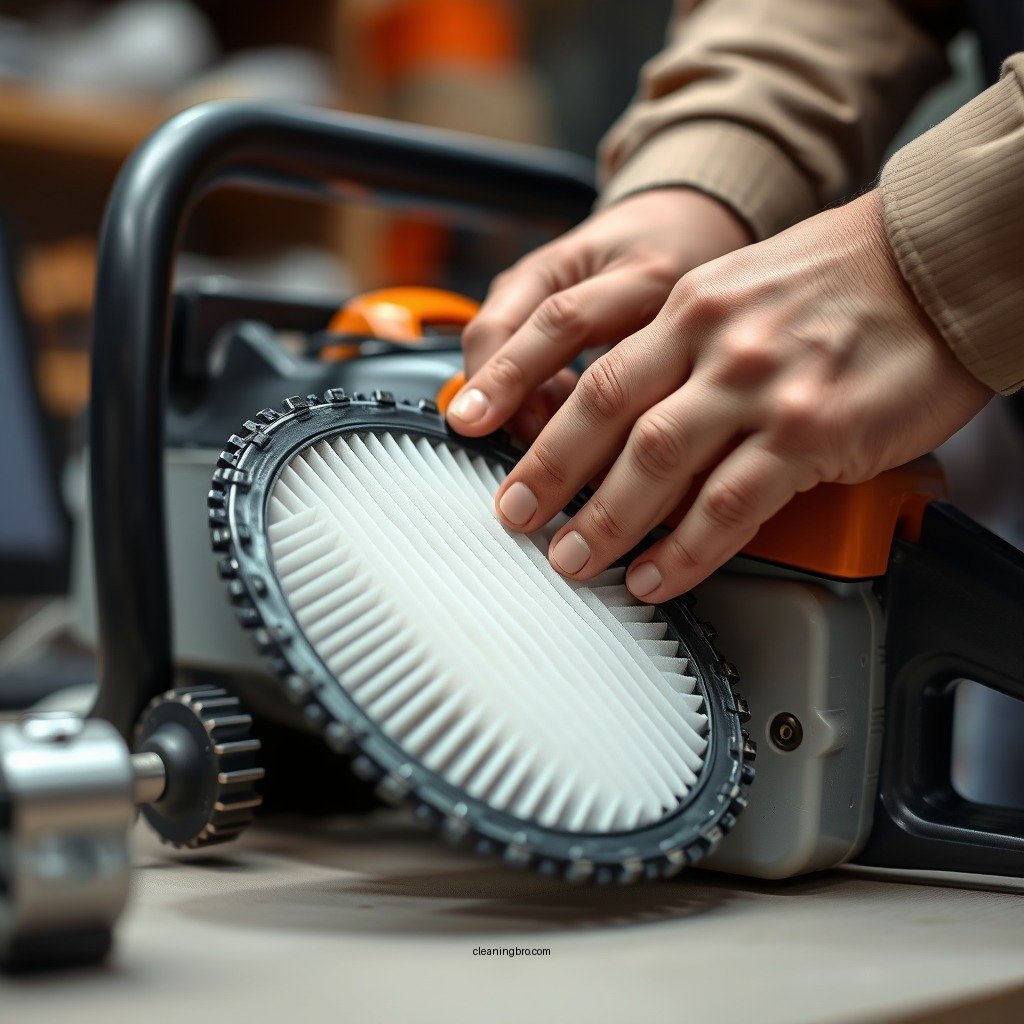
Removing the air filter from your Stihl chainsaw is a simple process. Follow these steps carefully:
1. Locate the Air Filter Cover: The air filter cover is typically located on the side of the chainsaw. Consult your user manual for specific details on its location for your model.
2. Remove the Cover: Use the appropriate screwdriver to remove the screws holding the air filter cover in place. Set the screws aside in a safe location.
3. Detach the Air Filter: Once the cover is removed, carefully pull the air filter out of its housing. Avoid using excessive force to prevent damaging the filter or the housing.
Cleaning the Air Filter
Now that you have removed the air filter, it’s time to clean it thoroughly:
1. Brush Off Loose Dirt: Use the soft brush to gently remove any loose dirt and debris from the surface of the air filter. Be careful not to damage the filter material.
2. Rinse with Soapy Water: If the filter is heavily soiled, fill a container with warm, soapy water and soak the filter for a few minutes. After soaking, gently scrub it with the brush to remove any remaining dirt.
3. Rinse and Dry: Rinse the filter thoroughly under running water to remove all soap residue. Shake off excess water and allow it to dry completely before reinstalling it. This may take several hours, so plan accordingly.
4. Use Compressed Air: For additional cleaning, you may use compressed air to blow out any remaining debris. Hold the air filter at an angle to avoid blowing dirt back into the filter.
Top 7 Stihl Chainsaw Models and Their Air Filter Types
| # | Model | Air Filter Type | Recommended Cleaning Frequency | Replacement Interval |
|---|---|---|---|---|
| 1 | Stihl MS 170 | Foam | Every 10 hours | Every 50 hours |
| 2 | Stihl MS 250 | Paper | Every 20 hours | Every 70 hours |
| 3 | Stihl MS 362 | Foam | Every 15 hours | Every 60 hours |
| 4 | Stihl MS 461 | Paper | Every 20 hours | Every 100 hours |
| 5 | Stihl MS 880 | Foam | Every 10 hours | Every 80 hours |
| 6 | Stihl MS 231 | Paper | Every 15 hours | Every 50 hours |
| 7 | Stihl MSE 170 | Foam | Every 10 hours | Every 50 hours |
Reinstalling the Air Filter
Once the air filter is clean and dry, it’s time to reinstall it:
1. Position the Clean Air Filter: Carefully place the clean air filter back into its housing, ensuring it fits snugly and securely.
2. Replace the Air Filter Cover: Align the cover with the housing and replace the screws. Tighten them gently to ensure a proper seal without over-tightening, which could damage the cover.
3. Final Check: Inspect the installation to ensure there are no gaps or misalignments. A secure air filter cover is crucial to maintain optimal air intake and engine performance.
Tips for Regular Maintenance
To keep your Stihl chainsaw running efficiently, consider the following maintenance tips:
– Check the Air Filter Regularly: Inspect the air filter every time you use the chainsaw or after heavy use, especially in dusty environments. Regular checks can help you identify potential issues before they become serious problems.
– Keep a Spare Air Filter: Having a spare air filter on hand can save you time and ensure that you can quickly replace a dirty or damaged filter when needed.
– Follow Manufacturer Guidelines: Always refer to your chainsaw’s user manual for specific recommendations regarding maintenance and cleaning intervals.
Signs Your Air Filter Needs Attention
It’s important to recognize when your air filter requires cleaning or replacement. Look out for these signs:
– Decreased Engine Performance: If you notice a drop in power or if the chainsaw struggles to operate under load, it may indicate that the air filter is clogged.
– Increased Fuel Consumption: A dirty air filter can lead to inefficient fuel burning, resulting in higher fuel usage. If you find yourself refueling more often, it may be time to check the air filter.
– Difficulty Starting the Chainsaw: If the chainsaw takes longer to start or requires multiple attempts, it could be a sign that the air filter is obstructing airflow.
Cleaning your Stihl chainsaw air filter is a straightforward process that can significantly enhance its performance. By following these steps and conducting regular maintenance, you can ensure your chainsaw remains in top working condition. Remember to check your air filter frequently and replace it when necessary to keep your equipment running smoothly. Regular care not only contributes to the efficiency of your chainsaw but also extends its lifespan, ultimately saving you time and money in the long run.
Frequently Asked Questions
How often should I clean the air filter on my Stihl chainsaw?
It’s recommended to clean the air filter on your Stihl chainsaw every 10 hours of operation or more frequently if you’re working in dusty conditions. Regular cleaning ensures optimal engine performance and helps prevent damage caused by dirt and debris clogging the filter.
What is the best way to clean a Stihl chainsaw air filter?
The best way to clean a Stihl chainsaw air filter is to remove it carefully and use a soft brush or compressed air to remove dirt and debris. For a deeper clean, wash the filter with warm, soapy water, rinse thoroughly, and allow it to dry completely before reinstallation.
Why is it important to maintain the air filter on my Stihl chainsaw?
Maintaining the air filter on your Stihl chainsaw is crucial because a clean filter ensures proper airflow to the engine, which directly affects performance and fuel efficiency. A clogged air filter can lead to engine overheating and potential damage, reducing the lifespan of your chainsaw.
Which type of air filter does my Stihl chainsaw use?
Most Stihl chainsaws use a foam or felt air filter, depending on the model. You can refer to your owner’s manual or check the Stihl website for specific details about your chainsaw model’s air filter type and maintenance requirements.
How can I tell if my Stihl chainsaw air filter needs cleaning or replacement?
You can tell if your Stihl chainsaw air filter needs cleaning if you notice reduced engine power, increased fuel consumption, or if the filter appears dirty or discolored. If the filter is excessively damaged or worn, it’s best to replace it to ensure optimal performance and avoid engine issues.
References
- https://www.fs.fed.us/t-d/pubs/htmlpubs/htm05232813/
https://www.fs.fed.us/t-d/pubs/htmlpubs/htm05232813/ - https://www.extension.iastate.edu/forestry/publications/chain_saw_maintenance.html
https://www.extension.iastate.edu/forestry/publications/chain_saw_maintenance.html - https://pubmed.ncbi.nlm.nih.gov/23665560/
https://pubmed.ncbi.nlm.nih.gov/23665560/ - https://www.sciencedirect.com/topics/agricultural-and-biological-sciences/chainsaw
https://www.sciencedirect.com/topics/agricultural-and-biological-sciences/chainsaw - https://www.woodworkingnetwork.com/how-to/how-clean-chainsaw-air-filter
https://www.woodworkingnetwork.com/how-to/how-clean-chainsaw-air-filter - STIHL International Website – Your manufacturer for power garden tools | STIHL
https://www.stihl.com/ - Google Scholar Google Scholar
https://scholar.google.com/scholar?q=cleaning+stihl+chainsaw+air+filter - Google Scholar Google Scholar
https://scholar.google.com/scholar?q=chainsaw+maintenance - Google Scholar Google Scholar
https://scholar.google.com/scholar?q=how+to+clean+chainsaw+air+filter - Google Scholar Google Scholar
https://scholar.google.com/scholar?q=how+to+clean+stihl+chainsaw+air+filter