How to Clean Teeth Without a Toothbrush: Effective Methods
Keeping your teeth clean without a toothbrush is entirely possible and can be achieved through various effective methods. Whether you’re traveling, have forgotten your toothbrush, or simply want to explore alternative cleaning techniques, there are several options available. In this article, you will learn practical ways to maintain oral hygiene without the need for a toothbrush, ensuring your teeth remain healthy and your breath fresh.
Use of Dental Floss
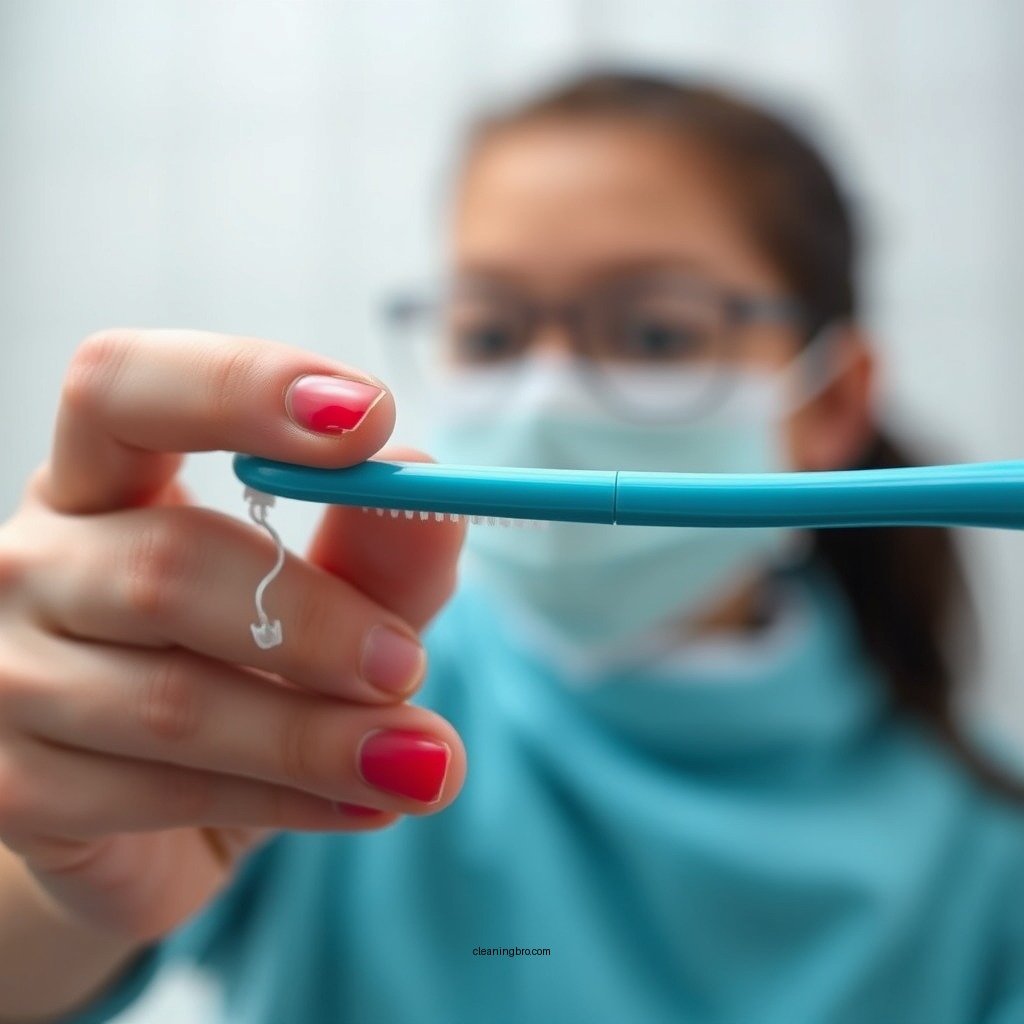
Dental floss is an essential tool for maintaining oral hygiene, particularly for cleaning between teeth where a toothbrush may not reach effectively. Flossing removes food particles and plaque buildup, which can accumulate and lead to cavities and gum disease if not addressed regularly. The American Dental Association recommends daily flossing to help reduce the risk of gingivitis, a common form of gum disease, and cavities.
When using dental floss, it’s important to use the correct technique to maximize its effectiveness. Gently slide the floss between your teeth and form a C-shape around each tooth, moving it up and down to remove debris. This method not only promotes gum health but also helps in maintaining overall oral hygiene by preventing bad breath.
Natural Alternatives
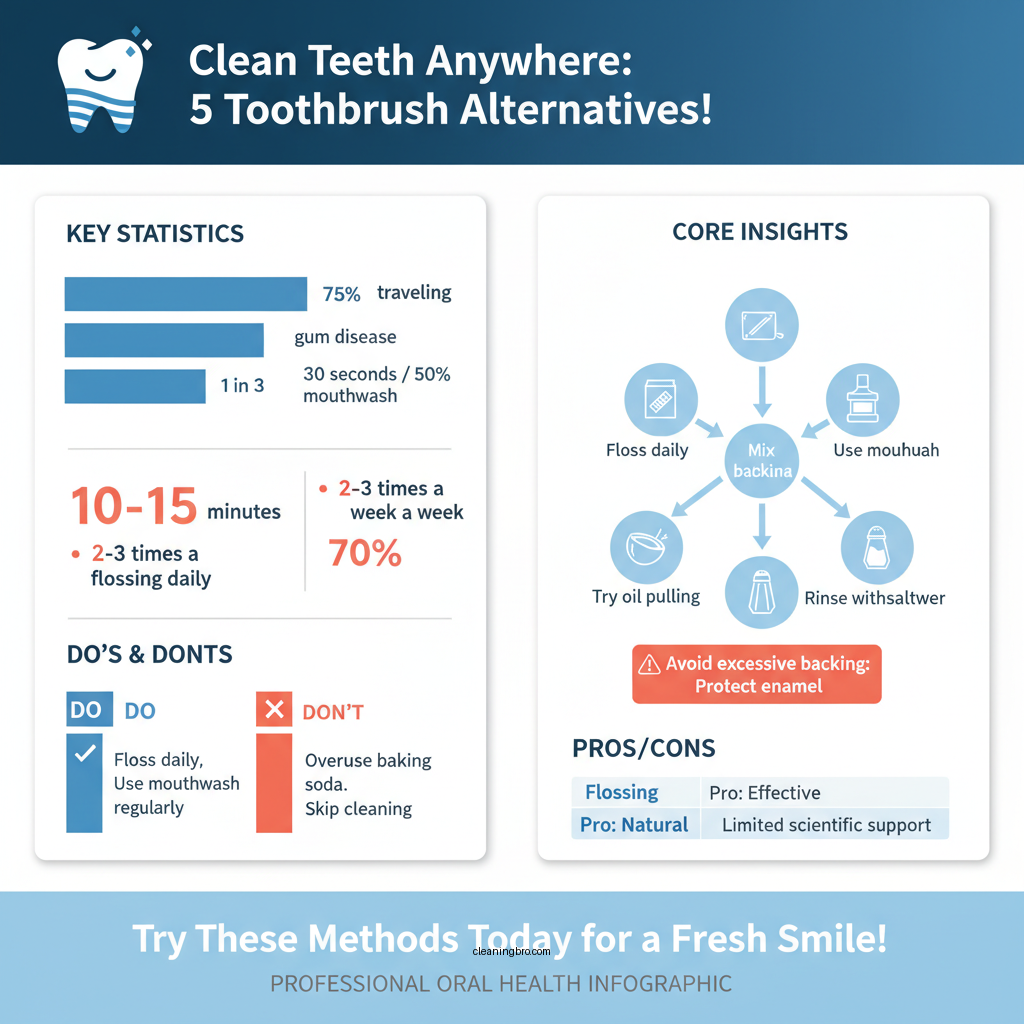
For those seeking natural alternatives for cleaning teeth, several options exist that are both effective and gentle on the enamel. One popular method is using baking soda, which acts as a mild abrasive to clean teeth while neutralizing acids that can cause tooth decay. Mixing a small amount of baking soda with water to create a paste can be a simple tooth-cleaning solution. However, it should be used sparingly, as excessive use may wear down enamel.
Another ancient technique is coconut oil pulling, which involves swishing a tablespoon of coconut oil in your mouth for about 10-15 minutes. This method is believed to help reduce harmful bacteria in the mouth, improving overall oral health and freshening breath. While scientific evidence supporting oil pulling is limited, many users report positive results regarding oral cleanliness and gum health.
Mouthwash and Rinsing
Using mouthwash can be an effective way to kill bacteria, freshen breath, and reach areas of the mouth that brushing may miss. Alcohol-free mouthwash is recommended, as it is less likely to cause dry mouth, which can actually worsen oral health issues. Rinsing with mouthwash for 30 seconds to a minute can significantly reduce plaque and bacteria, contributing to a healthier mouth.
Saltwater rinses are another simple yet effective method for maintaining oral hygiene. Mixing half a teaspoon of salt in a glass of warm water creates a soothing rinse that can reduce inflammation and soothe gums, particularly after dental procedures or in the presence of gum irritation. Regular use of saltwater rinses can promote gum health and help with minor oral wounds.
Top Natural Teeth Cleaning Alternatives (2023)
| # | Method | Effectiveness | Ease of Use | Recommended Frequency |
|---|---|---|---|---|
| 1 | Baking Soda | Moderate | Easy | 1-2 times/week |
| 2 | Coconut Oil Pulling | High | Moderate | Daily |
| 3 | Alcohol-free Mouthwash | High | Very Easy | Daily |
| 4 | Saltwater Rinse | Moderate | Easy | As needed |
| 5 | Neem Sticks | High | Moderate | Daily |
| 6 | Clove Oil | High | Easy | As needed |
| 7 | Miswak | Very High | Moderate | Daily |
Chewing Sticks and Herbs
Chewing sticks, such as the traditional miswak, have been used for centuries in various cultures for their oral health benefits. Miswak is derived from the Salvadora persica tree and contains natural antibacterial properties that help prevent plaque buildup and promote healthy gums. The fibers of the stick act as a natural toothbrush, providing a mechanical cleaning action as one chews.
Other herbs such as neem and clove are also known for their antibacterial properties. Neem has been used in Ayurvedic practices for its ability to combat bacteria and reduce inflammation. Clove oil, with its eugenol content, provides pain relief for toothaches and promotes oral health. Chewing on these natural herbs not only cleans teeth but also delivers beneficial compounds that may enhance overall gum health.
Eating Crunchy Fruits and Vegetables
Incorporating crunchy fruits and vegetables into your diet can serve as a natural method of cleaning teeth. Foods like apples, carrots, and celery can help scrub teeth as you chew, effectively removing plaque and food particles. These foods are high in water content and fiber, which stimulates saliva production, an essential component in neutralizing acids produced by bacteria in the mouth.
Saliva plays a crucial role in maintaining oral health by washing away food particles and providing minerals to strengthen teeth. Eating raw fruits and vegetables not only benefits your teeth but also contributes to overall health by providing essential vitamins and minerals.
Maintaining Hydration
Staying hydrated is vital for overall health, including oral health. Drinking plenty of water helps rinse the mouth and wash away food particles, reducing the likelihood of plaque buildup. Water is also essential for saliva production, which is necessary for protecting teeth and gums against decay and disease.
In areas with dry climates or during hot weather, the risk of dry mouth increases, which can lead to a higher risk of cavities. Consistently drinking water throughout the day can help mitigate these risks and keep your mouth feeling fresh and clean.
Regular Dental Check-ups
Even without a toothbrush, routine dental visits remain critical for monitoring oral health. Professional cleanings can help remove tartar that home methods might miss, and dentists can identify potential problems early on. Regular check-ups allow for personalized advice on maintaining oral hygiene tailored to individual needs.
It is recommended to visit the dentist at least twice a year for thorough cleanings and examinations. This proactive approach not only ensures that your teeth and gums remain healthy but also reinforces the importance of maintaining good oral hygiene practices at home.
In summary, while the toothbrush is a conventional tool for dental hygiene, there are numerous effective methods to keep your teeth clean without it. By incorporating dental floss, natural alternatives, mouthwash, chewing sticks, crunchy fruits and vegetables, proper hydration, and regular dental check-ups, you can maintain excellent oral health. Always consult with your dentist for personalized recommendations and to ensure you’re following the best practices for your unique dental needs.
Frequently Asked Questions
How can I effectively clean my teeth without a toothbrush?
You can clean your teeth without a toothbrush by using tools like dental floss, mouthwash, or even a clean cloth. Rubbing your teeth with a clean, damp cloth can help remove plaque and food particles. Additionally, chewing sugar-free gum can stimulate saliva production, which naturally cleanses the mouth.
What are some natural alternatives to a toothbrush for oral hygiene?
Natural alternatives to a toothbrush include using baking soda, coconut oil, or even miswak sticks. Baking soda acts as a gentle abrasive to help remove stains, while coconut oil can be used for oil pulling, which helps to reduce bacteria in the mouth. Miswak sticks, derived from the Salvadora persica tree, have been used for centuries and provide antibacterial properties.
Why is it important to clean teeth even without a toothbrush?
Cleaning your teeth without a toothbrush is important to prevent plaque buildup and reduce the risk of cavities and gum disease. Even if you don’t have a toothbrush, maintaining oral hygiene is crucial for overall health. Neglecting to clean your teeth can lead to bad breath, tooth decay, and other dental issues.
Which foods can help clean my teeth naturally if I don’t have a toothbrush?
Crunchy fruits and vegetables like apples, carrots, and celery can help clean your teeth naturally. These foods have a fibrous texture that acts as a natural scrub, helping to remove food particles and plaque. Additionally, eating cheese or yogurt can increase saliva production, which aids in the natural cleaning process.
What is the best way to maintain oral hygiene without brushing?
The best way to maintain oral hygiene without brushing is to combine several methods: flossing daily, using mouthwash, chewing sugar-free gum, and consuming crunchy foods. Flossing removes debris between teeth, while mouthwash kills bacteria. Together, these methods can help ensure your teeth and gums stay healthy even without a toothbrush.
References
- https://www.mayoclinic.org/healthy-lifestyle/adult-health/in-depth/oral-health/art-20046155
https://www.mayoclinic.org/healthy-lifestyle/adult-health/in-depth/oral-health/art-20046155 - https://www.nidcr.nih.gov/health-info/tooth-brushing
https://www.nidcr.nih.gov/health-info/tooth-brushing - https://www.cdc.gov/oralhealth/publications/faq/index.html
https://www.cdc.gov/oralhealth/publications/faq/index.html - Oral health
https://www.who.int/news-room/fact-sheets/detail/oral-health - https://www.ncbi.nlm.nih.gov/pmc/articles/PMC5822044/
https://www.ncbi.nlm.nih.gov/pmc/articles/PMC5822044/ - https://www.britannica.com/science/dental-hygiene
https://www.britannica.com/science/dental-hygiene - Google Scholar Google Scholar
https://scholar.google.com/scholar?q=how+to+clean+teeth+without+a+toothbrush - Google Scholar Google Scholar
https://scholar.google.com/scholar?q=oral+hygiene+without+toothbrush - Google Scholar Google Scholar
https://scholar.google.com/scholar?q=natural+teeth+cleaning+methods - https://www.sciencedirect.com/science/article/pii/S2352013218308120
https://www.sciencedirect.com/science/article/pii/S2352013218308120