
How to Clean Up a Diesel Spill: Essential Steps
Assess the Situation

The first step in responding to a diesel spill is to assess the situation accurately. Begin by evaluating the size and severity of the spill. This includes determining the volume of diesel spilled and its potential impact on the surrounding environment. For instance, a small spill may require basic absorbent materials, while larger spills could necessitate specialized response teams and equipment.
Additionally, it’s crucial to identify any potential hazards in the vicinity. This includes nearby water sources, such as rivers or lakes, which could be contaminated if the spill is not contained promptly. Furthermore, pay attention to ignition sources such as open flames, hot surfaces, or electrical equipment that could pose a fire risk. By understanding the context of the spill, you can ensure a more effective and safe response.
Contain the Spill
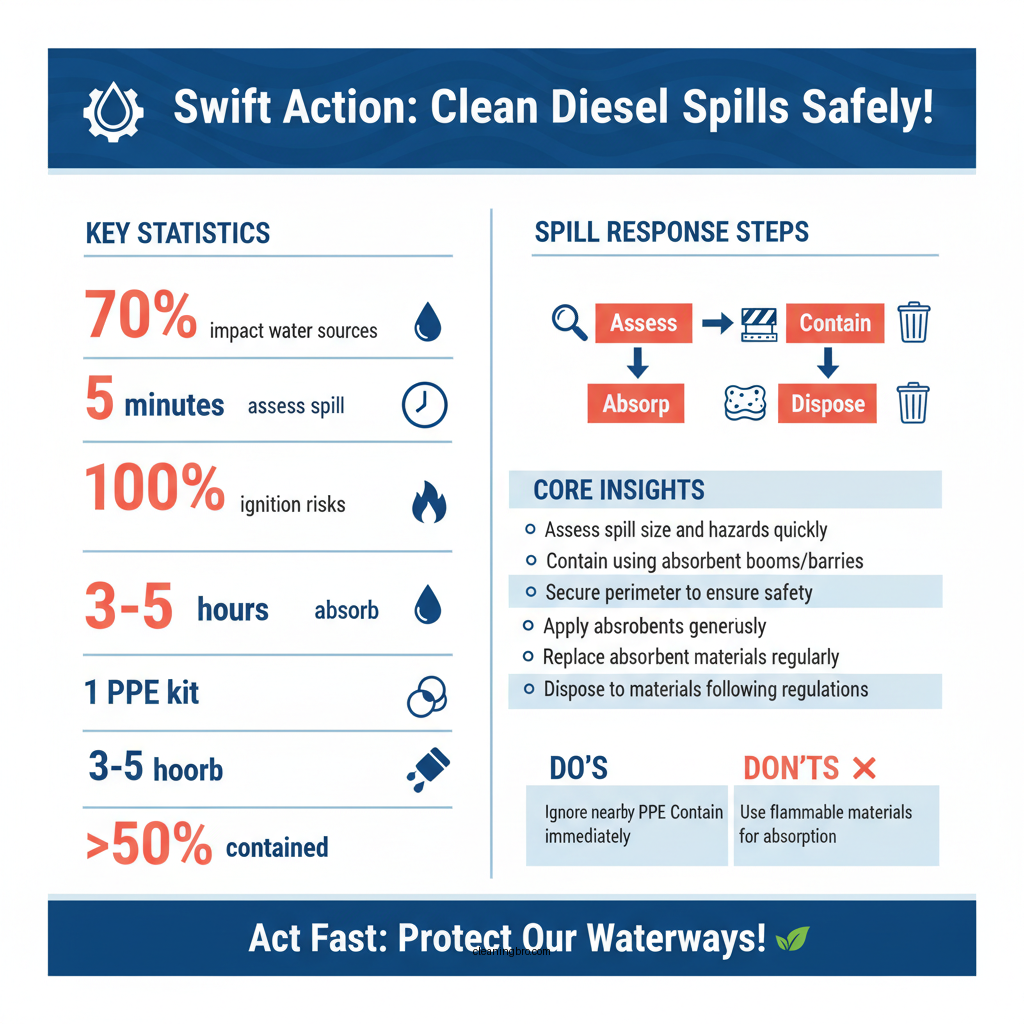
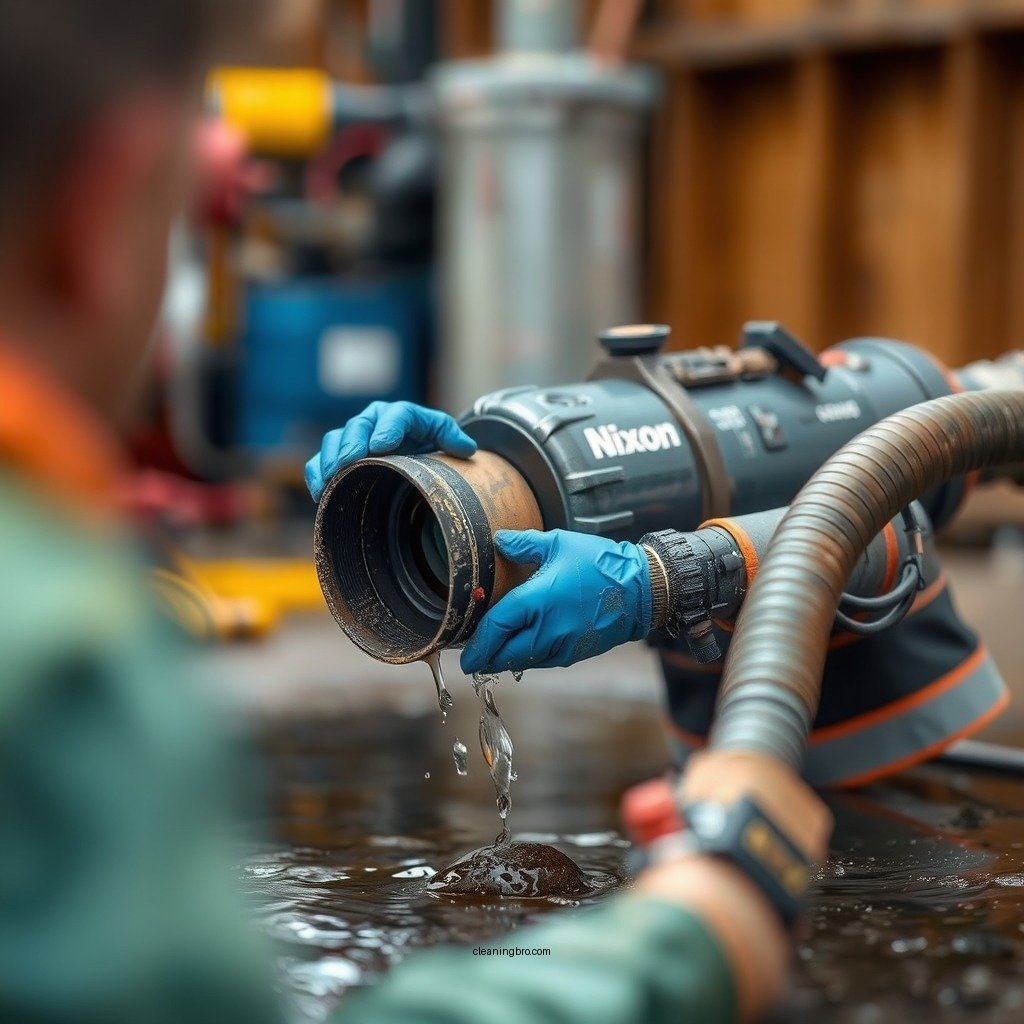
Once the situation is assessed, the next step is to contain the spill to prevent further spread. Using absorbent booms or barriers is one of the most effective methods for this purpose. These materials can be placed around the perimeter of the spill, acting as a barrier to prevent diesel from flowing into drains, water bodies, or soil.
Creating a secure perimeter around the spill not only helps control the spread but also ensures the safety of personnel and the public. It is advisable to rope off the area and use warning signs to keep unauthorized individuals away. Always prioritize safety and use personal protective equipment (PPE) such as gloves, goggles, and respiratory protection when dealing with a diesel spill.
Absorb the Diesel
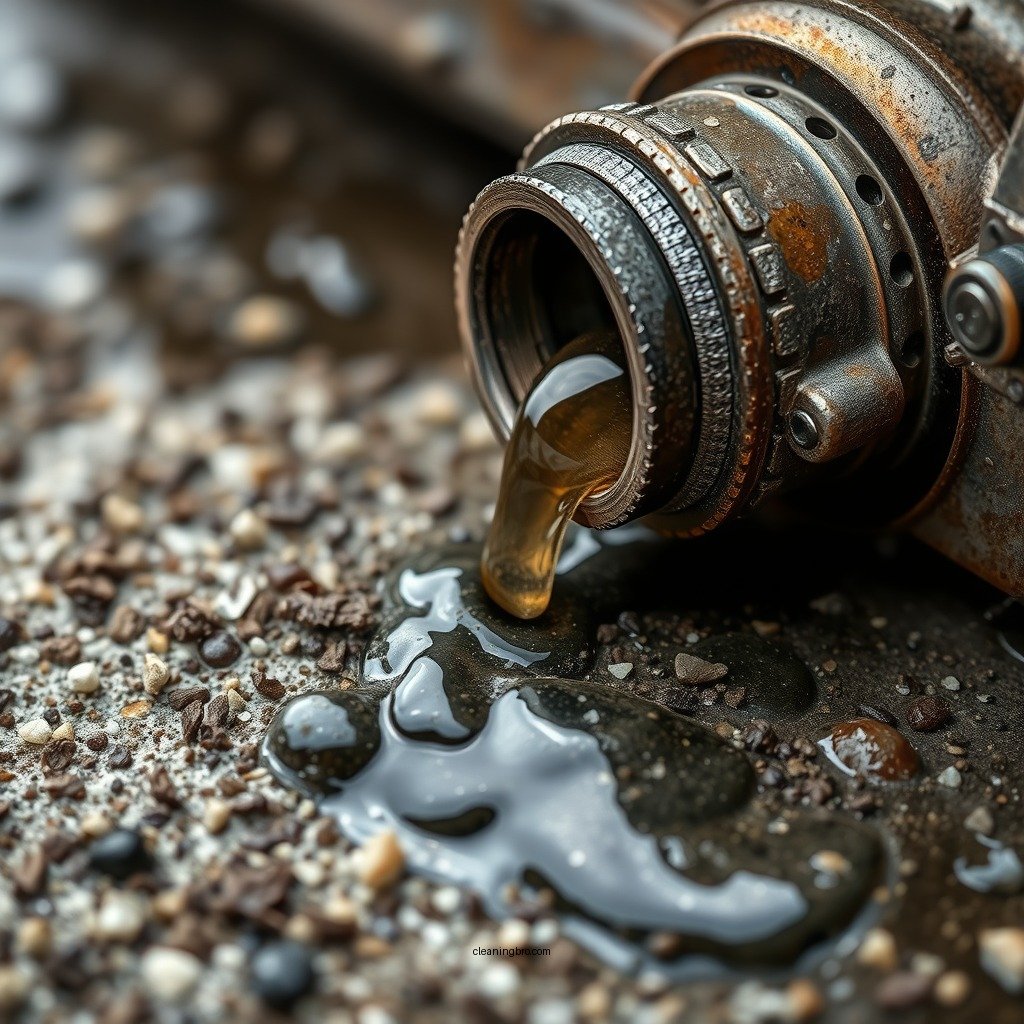
After containing the spill, the next step is to absorb the diesel effectively. The choice of absorbent materials is vital in this process. Suitable options include absorbent pads, granules, or specialized spill kits that are designed to soak up hydrocarbons like diesel.
To use absorbent materials, apply them generously over the affected area, allowing them to soak up the diesel completely. The duration for which the absorbent should remain in place can vary based on the extent of the spill and the type of absorbent used. Regularly check the materials to ensure they are effective and replace them as needed.
Data on Absorbent Materials
Top 7 Absorbent Materials for Diesel Spills (2024)
| # | Material | Absorption Capacity (L) | Cost per Unit ($) | Best Use |
|---|---|---|---|---|
| 1 | Oil Absorbent Pads | 0.75 | 0.30 | Small spills |
| 2 | Granular Absorbents | 1.5 | 0.25 | Medium spills |
| 3 | Socks and Booms | 3.0 | 2.50 | Large spills |
| 4 | Universal Absorbent Pads | 0.6 | 0.50 | Versatile |
| 5 | Oil Spill Kits | 5.0 | 50.00 | Complete solutions |
| 6 | Hydrophobic Absorbents | 1.2 | 1.00 | Water-sensitive areas |
| 7 | Recycled Absorbent Materials | 4.0 | 1.50 | Eco-friendly |
Clean the Affected Area
After successfully absorbing the diesel, it is essential to clean the affected area thoroughly. Carefully collect the used absorbent materials and dispose of them according to local regulations. Many regions classify used absorbents as hazardous waste, so it is vital to follow proper protocols to prevent further contamination.
Once the absorbents are removed, use appropriate detergents or cleaners specifically designed for oil spills to clean the area. These cleaners help to break down any remaining hydrocarbons, ensuring that the surface is free of residues. A pressure washer can be effective for larger surfaces, but always verify that the run-off does not enter nearby water sources.
Dispose of Waste Properly
Proper disposal of waste is crucial in managing a diesel spill. Follow local regulations concerning hazardous waste disposal, as improper disposal can lead to serious legal and environmental ramifications. Contact local waste management facilities or environmental agencies for guidance if necessary.
Ensure that all collected materials including absorbents, contaminated soil, and cleaning agents are disposed of in compliance with local, state, and federal regulations. Some regions may require hazardous waste to be taken to a specialized facility that can safely handle and treat such materials.
Monitor for Residual Effects
After cleaning and disposing of the waste, it is necessary to monitor the cleaned area for any residual effects. Check for lingering odors or contamination, which can indicate that diesel remains in the soil or water. Conduct follow-up inspections to ensure that no diesel is present.
For more comprehensive monitoring, consider soil and water testing to detect any residual hydrocarbons. Early detection of contamination can prevent further environmental damage and health risks.
Prevent Future Spills
To minimize the risk of future diesel spills, implement robust safety measures. Regular maintenance of storage tanks and equipment is crucial. Inspecting for leaks and ensuring that all containers are properly sealed can significantly reduce the likelihood of spills.
Additionally, training employees on spill prevention and response procedures is essential. Conduct regular drills and provide access to spill response kits to ensure that everyone on-site knows how to act quickly and effectively in the event of a spill. Establishing a culture of safety can greatly enhance your organization’s ability to manage spills effectively.
Taking prompt and effective action can mitigate the environmental impact of a diesel spill. By following these essential steps, you can ensure safety and compliance while protecting the surrounding ecosystem. If you encounter a diesel spill, act quickly and responsibly to address the situation.
Frequently Asked Questions
What are the immediate steps to take after a diesel spill?
The immediate steps to take after a diesel spill include ensuring safety by evacuating the area and using personal protective equipment. Next, contain the spill with absorbent materials like socks or pads to prevent it from spreading. Lastly, notify the appropriate local authorities or environmental agencies to report the spill and seek further guidance.
How can I effectively clean up a diesel spill on concrete?
To clean up a diesel spill on concrete, first absorb the excess diesel using absorbent materials such as sand, sawdust, or commercial oil absorbents. After absorbing the liquid, scrub the affected area with a mixture of warm water and a degreasing detergent to break down the diesel residue. Rinse the area thoroughly with water and dispose of the absorbent materials according to local regulations.
Why is it important to clean up a diesel spill promptly?
Cleaning up a diesel spill promptly is crucial to prevent environmental damage, as diesel can contaminate soil and water sources, harming wildlife and ecosystems. Additionally, the longer diesel remains on surfaces, the more difficult it becomes to clean, potentially leading to costly remediation efforts. Quick action also helps minimize safety hazards, such as slip and fall accidents or fire risks.
What are the best materials to use for absorbing diesel spills?
The best materials for absorbing diesel spills include commercial oil absorbents like booms, pads, and granules designed specifically for petroleum products. Natural absorbents such as sawdust, cat litter, or peat moss can also be effective, though they may not be as efficient as specialized products. Always choose materials that are non-toxic and compliant with local environmental regulations for safe disposal.
Which regulations should I be aware of when cleaning up a diesel spill?
When cleaning up a diesel spill, it’s important to be aware of local, state, and federal regulations regarding spill response and hazardous waste disposal. The Environmental Protection Agency (EPA) has guidelines that may apply, and you may need to report the spill depending on its size and location. Familiarizing yourself with the requirements will help ensure compliance and protect the environment during your cleanup efforts.
References
- https://www.epa.gov/emergency-response/oil-spills-prevention-and-preparedness-regulations
https://www.epa.gov/emergency-response/oil-spills-prevention-and-preparedness-regulations - https://www.uscg.mil/Portals/0/Images/USCG/Photos/News/2019/12/1895.pdf
https://www.uscg.mil/Portals/0/Images/USCG/Photos/News/2019/12/1895.pdf - DISCUSSION – Conference on Hemoglobin – NCBI Bookshelf
https://www.ncbi.nlm.nih.gov/books/NBK224299/ - https://www.cdc.gov/niosh/docs/2010-140/pdfs/2010-140.pdf
https://www.cdc.gov/niosh/docs/2010-140/pdfs/2010-140.pdf - https://www.who.int/news-room/fact-sheets/detail/environmental-health-in-emergencies
https://www.who.int/news-room/fact-sheets/detail/environmental-health-in-emergencies - https://www.nytimes.com/2021/10/05/us/diesel-spill-cleanup.html
https://www.nytimes.com/2021/10/05/us/diesel-spill-cleanup.html - https://www.sciencedirect.com/topics/earth-and-planetary-sciences/oil-spill-cleanup
https://www.sciencedirect.com/topics/earth-and-planetary-sciences/oil-spill-cleanup - Oil spill | Definition, Causes, Effects, List, & Facts | Britannica
https://www.britannica.com/science/oil-spill - Google Scholar Google Scholar
https://scholar.google.com/scholar?q=how+to+clean+up+a+diesel+spill - Google Scholar Google Scholar
https://scholar.google.com/scholar?q=oil+spill+cleanup+methods