How to Clean Up an Antifreeze Spill Safely and Effectively
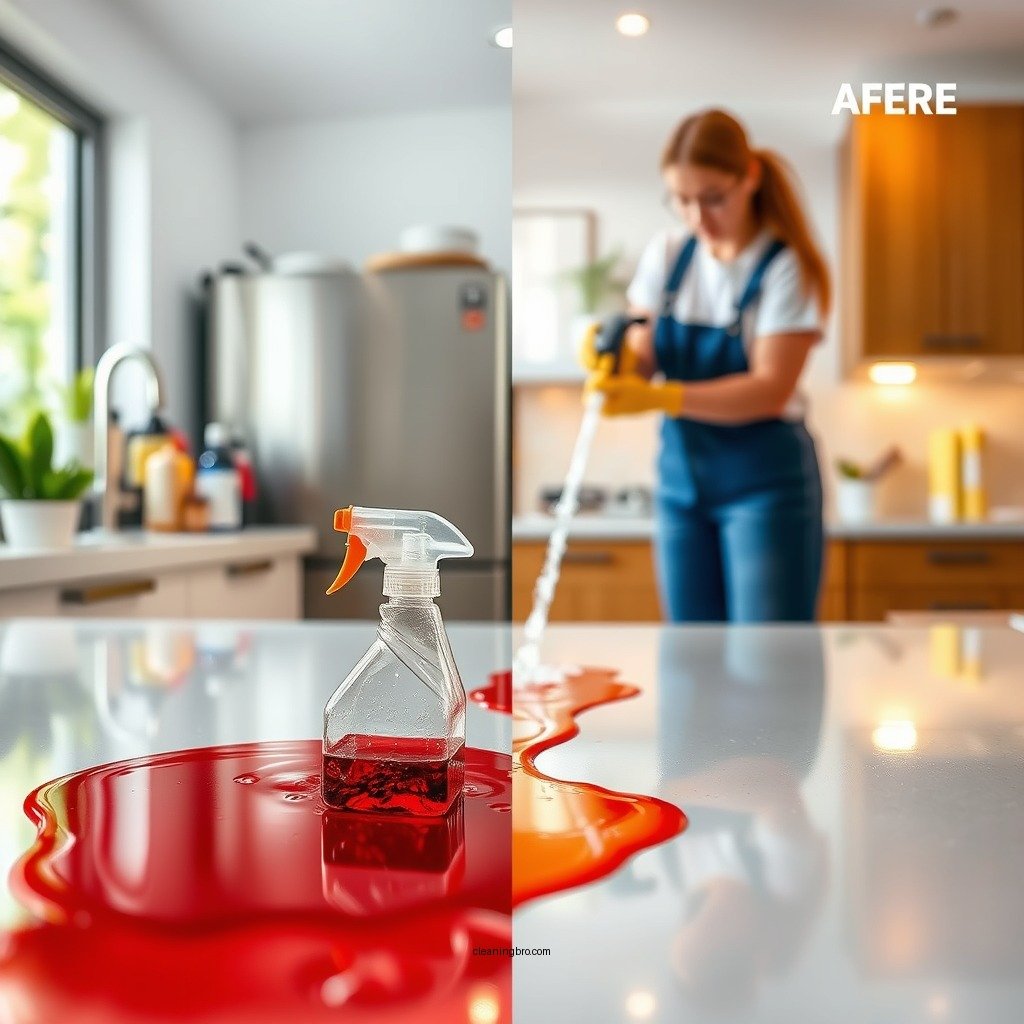
Cleaning up an antifreeze spill requires immediate action to ensure safety and prevent environmental harm. First and foremost, it is essential to wear protective gear, such as gloves and a mask, to avoid exposure to harmful chemicals. This article provides a comprehensive step-by-step guide on how to clean up antifreeze spills safely and effectively, detailing necessary tools and methods to use while emphasizing safety precautions.
Understanding Antifreeze Hazards
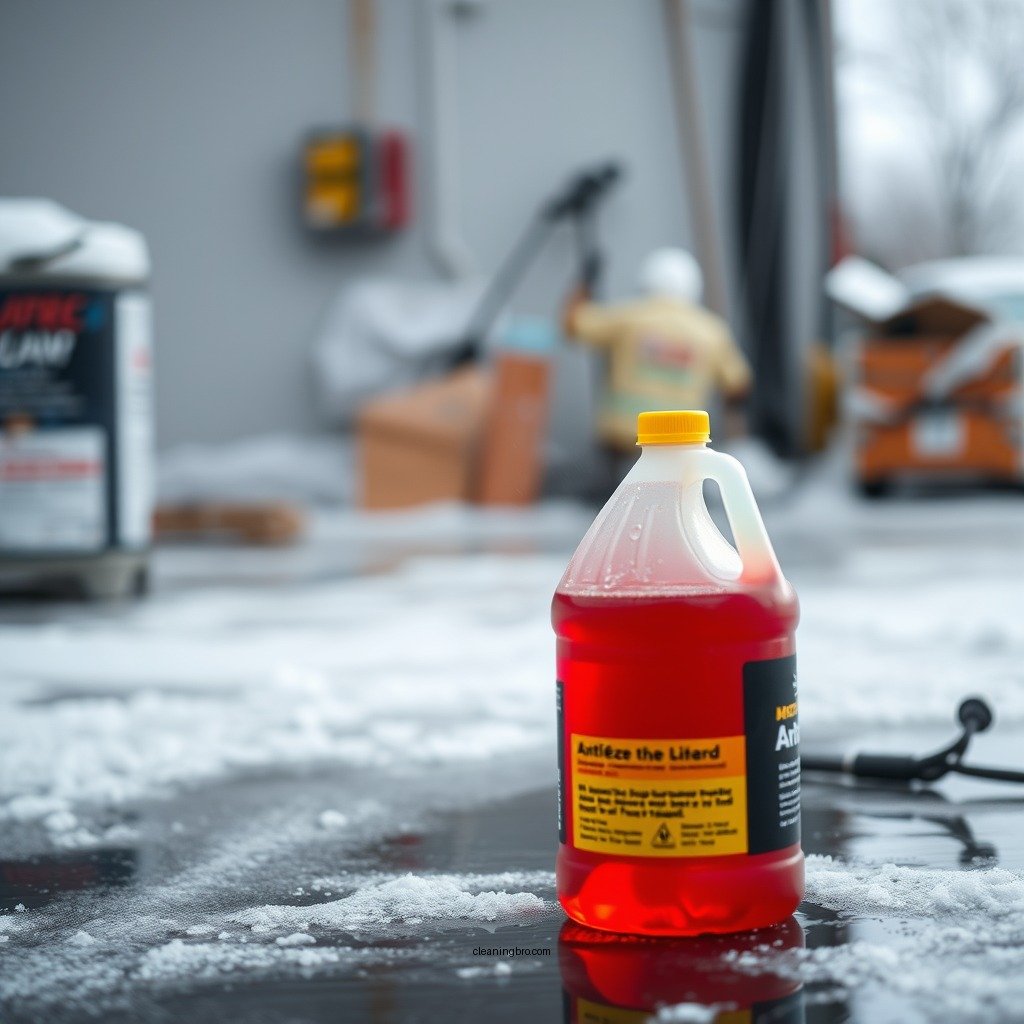
Antifreeze is primarily composed of ethylene glycol, a substance that can be highly toxic to both humans and animals. Ingesting even small amounts can lead to serious health complications, including kidney failure and, in severe cases, death. The risk is particularly high for pets, as they may be drawn to the sweet taste of antifreeze. Therefore, identifying the location of the spill is crucial for effective cleanup. It is important to recognize the signs of a spill, which may include a slick surface, a strong chemical odor, or puddles of brightly colored liquid. Prompt action is necessary to minimize exposure and environmental damage.
Safety Precautions Before Cleanup
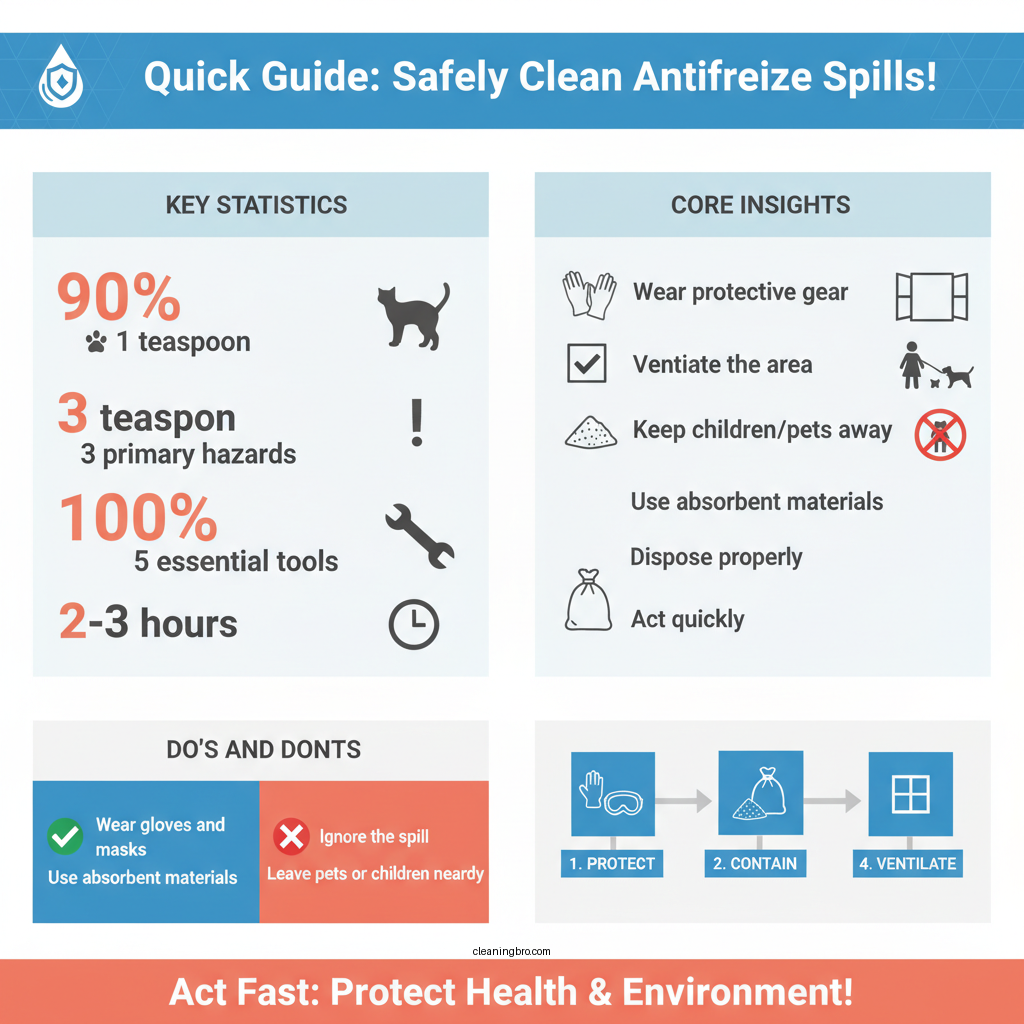
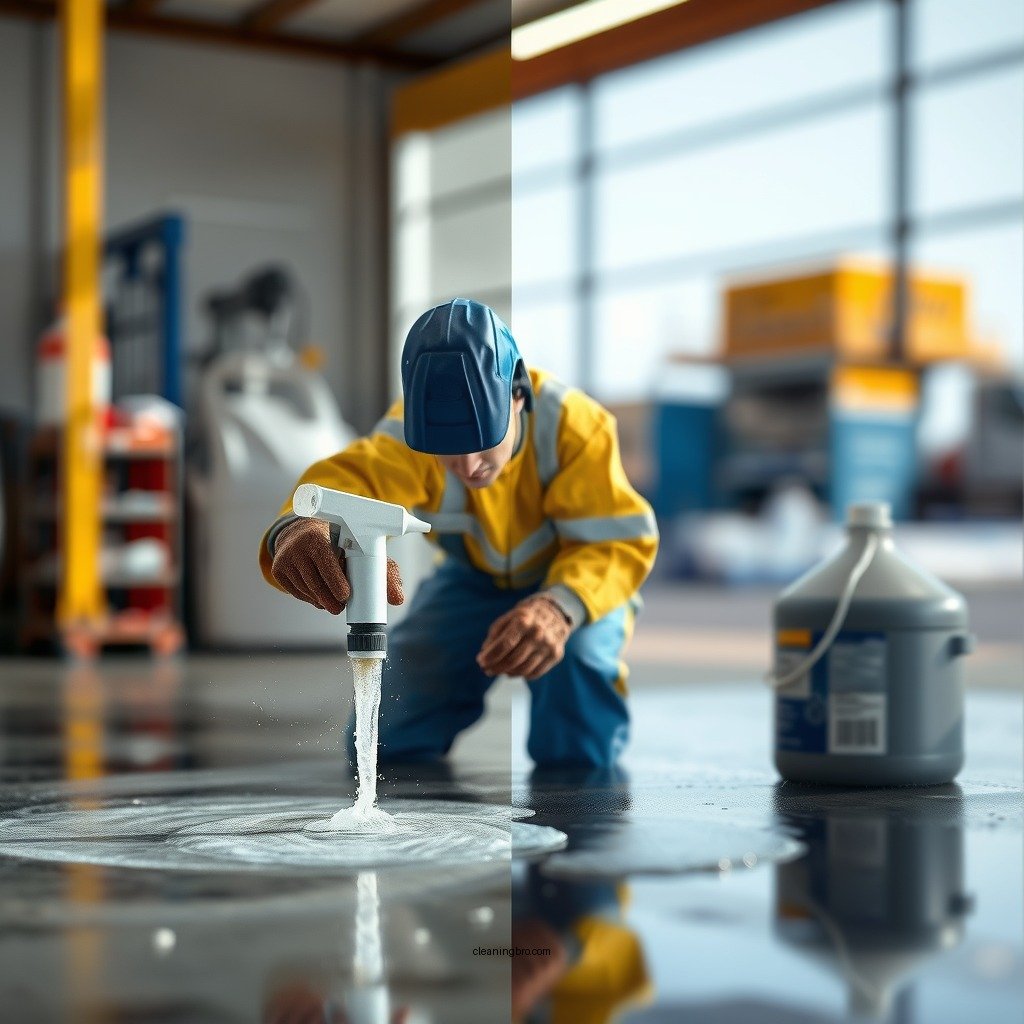
Before beginning the cleanup process, it is essential to take several safety precautions to protect yourself and others:
– Wear Protective Gear: Always wear gloves, goggles, and a mask to shield yourself from direct contact with antifreeze and harmful vapors. Rubber gloves are ideal as they are resistant to chemical penetration.
– Ensure Adequate Ventilation: Open windows and doors to allow fresh air to circulate in the area where the spill occurred. Proper ventilation helps to mitigate the inhalation of hazardous fumes.
– Keep Pets and Children Away: Ensure that pets and children are kept at a safe distance from the spill area to prevent accidental exposure to the toxic substance.
Tools and Materials Needed
Having the right tools and materials on hand will make the cleanup process more efficient. Here is a list of items you will need:
– Absorbent Materials: Use materials like cat litter, sawdust, or commercial absorbents specifically designed for chemical spills to soak up the antifreeze. These materials help to minimize the spread of the liquid.
– Shovel or Broom: A shovel or broom is necessary for collecting absorbed antifreeze and debris after the cleanup process.
– Plastic Bags: Sturdy plastic bags will be needed for the proper disposal of contaminated materials.
– Soap and Water: A mixture of soap and water is essential for cleaning the affected area after the antifreeze has been absorbed.
Step-by-Step Cleanup Process
1. Contain the Spill: If possible, contain the spill to prevent it from spreading further. Use absorbent materials to surround the area of the spill.
2. Pour Absorbent Material: Generously pour the absorbent material over the antifreeze spill to soak it up. Allow it to sit for at least 15 minutes to ensure maximum absorption.
3. Sweep Up the Absorbent: After the absorbent has had time to soak up the antifreeze, use a shovel or broom to collect the material. Ensure that you gather as much of the absorbent as possible to prevent any residue from remaining.
4. Dispose of Contaminated Material: Place the collected absorbent material into a sturdy plastic bag. Seal the bag tightly to prevent any leakage.
Proper Disposal of Contaminated Materials
Disposing of contaminated materials correctly is crucial to prevent environmental harm. Follow these steps:
– Check Local Regulations: Contact your local waste management facility or environmental services to understand the guidelines for hazardous waste disposal in your area.
– Seal and Label the Bag: Clearly label the bag as containing antifreeze or hazardous material. This ensures that anyone handling the waste knows the contents are potentially dangerous.
– Dispose at Designated Facilities: Take the sealed bag to a hazardous waste disposal facility. Do not discard contaminated materials in regular trash or down the drain, as this can lead to serious environmental contamination.
Cleaning the Affected Area
After the antifreeze has been removed, it is important to clean the affected area thoroughly:
– Wash with Soap and Water: Use a mixture of soap and warm water to scrub the area where the spill occurred. This helps to break down any remaining residue.
– Rinse Thoroughly: After scrubbing, rinse the area with clean water to remove any soap and antifreeze remnants. Ensure that the washwater is not allowed to enter storm drains or water sources.
Preventing Future Spills
Taking preventive measures can help reduce the risk of future antifreeze spills:
– Regular Vehicle Maintenance: Periodically check your vehicle for leaks or low fluid levels. Address any issues immediately to prevent spills from occurring in the first place.
– Secure Storage: Store antifreeze and other hazardous materials in a secure location, away from pets and children. Ensure that containers are tightly sealed to prevent leaks.
– Educate Others: If you have family members or employees who work with antifreeze, educate them about the proper handling and storage of the substance to minimize spill risks.
Summarizing the cleanup process for antifreeze spills emphasizes the importance of safety and proper disposal. By following these steps, you can effectively manage spills and protect both your health and the environment. For further assistance or to learn more about antifreeze safety, consider reaching out to local environmental services or professional cleanup teams.
Top 7 Antifreeze Brands by Toxicity Levels (2023)
| # | Brand | Ethylene Glycol Content (%) | Toxicity Rating | Safe for Pets |
|---|---|---|---|---|
| 1 | Prestone | 95% | High | No |
| 2 | Zerex | 92% | High | No |
| 3 | Peak | 90% | High | No |
| 4 | Toyota Long Life | 60% | Medium | Yes |
| 5 | Honda | 50% | Medium | Yes |
| 6 | Glysantin | 80% | High | No |
| 7 | PEAK Global | 70% | Medium | Yes |
Antifreeze Options Comparison: Standard vs Eco-Friendly vs Racing
| Feature | ⭐ Eco-Friendly | Standard | Racing |
|---|---|---|---|
| Toxicity Level | Low | High | Medium |
| Performance | Good | Excellent | Superior |
| Environmental Impact | Minimal | Significant | Medium |
| Price | $12.99 | $8.99 | $15.99 |
| Freeze Protection | -40°F | -34°F | -60°F |
| Boiling Point | 265°F | 207°F | 290°F |
| Compatibility | Most vehicles | Most vehicles | Race cars only |
| Longevity | 5 years | 2 years | 1 year |
| Color Options | Green / Blue | Green | Red |
| 🏆 Best For | Eco-conscious drivers | Standard vehicle users | Racing enthusiasts |
In conclusion, cleaning up an antifreeze spill is a task that requires swift and careful action to ensure safety and protect the environment. By understanding the hazards associated with antifreeze, taking appropriate safety precautions, and following the outlined cleanup and disposal processes, you can effectively manage any spills that occur. Regular maintenance and proper storage of antifreeze can further help prevent spills in the future, contributing to a safer and cleaner environment for all.
Frequently Asked Questions
What are the immediate steps to take after an antifreeze spill?
After an antifreeze spill, quickly contain the area by preventing foot traffic and using absorbent materials like cat litter or sand to soak up the liquid. Wear protective gloves and a mask to avoid inhaling any harmful vapors, and immediately clean the area with water to dilute the antifreeze and minimize hazards.
How can I safely dispose of antifreeze after cleaning up a spill?
To safely dispose of antifreeze, check local regulations regarding hazardous waste disposal, as antifreeze is toxic and should not be poured down drains. Many auto parts stores and recycling centers accept used antifreeze, so contact them to find proper disposal options in your area.
Why is it important to clean up an antifreeze spill promptly?
Cleaning up an antifreeze spill promptly is crucial because antifreeze contains ethylene glycol, which is highly toxic to humans and pets. Delaying cleanup can lead to accidents, environmental contamination, and potential health risks, making immediate action essential for safety.
What materials are best for absorbing antifreeze spills?
The best materials for absorbing antifreeze spills include cat litter, sawdust, and commercial absorbent pads designed for chemical spills. These materials can effectively soak up the liquid and help prevent further spread, making cleanup easier and safer.
Which methods are effective for cleaning surfaces after antifreeze spills?
Effective methods for cleaning surfaces after antifreeze spills include using a mixture of warm water and dish soap to break down the antifreeze residue. For tougher stains, a vinegar solution can help neutralize the chemicals, followed by thorough rinsing with water to ensure all residues are removed.
References
- https://www.epa.gov/sites/default/files/2015-09/documents/epawaste.pdf
https://www.epa.gov/sites/default/files/2015-09/documents/epawaste.pdf - https://www.cdc.gov/niosh/topics/antifreeze.html
https://www.cdc.gov/niosh/topics/antifreeze.html - https://www.atsdr.cdc.gov/phs/phs.asp?id=104&tid=20
https://www.atsdr.cdc.gov/phs/phs.asp?id=104&tid=20 - https://www.who.int/news-room/fact-sheets/detail/ethylene-glycol
https://www.who.int/news-room/fact-sheets/detail/ethylene-glycol - https://pubmed.ncbi.nlm.nih.gov/20362171/
https://pubmed.ncbi.nlm.nih.gov/20362171/ - https://www.ncbi.nlm.nih.gov/pmc/articles/PMC6603691/
https://www.ncbi.nlm.nih.gov/pmc/articles/PMC6603691/ - https://www.washington.edu/ehs/chemical-spills/antifreeze-spills
https://www.washington.edu/ehs/chemical-spills/antifreeze-spills - https://www.cdc.gov/niosh/docs/2007-107/pdfs/2007-107.pdf
https://www.cdc.gov/niosh/docs/2007-107/pdfs/2007-107.pdf - Google Scholar Google Scholar
https://scholar.google.com/scholar?q=how+to+clean+up+an+antifreeze+spill - Google Scholar Google Scholar
https://scholar.google.com/scholar?q=antifreeze+spill+cleanup+methods