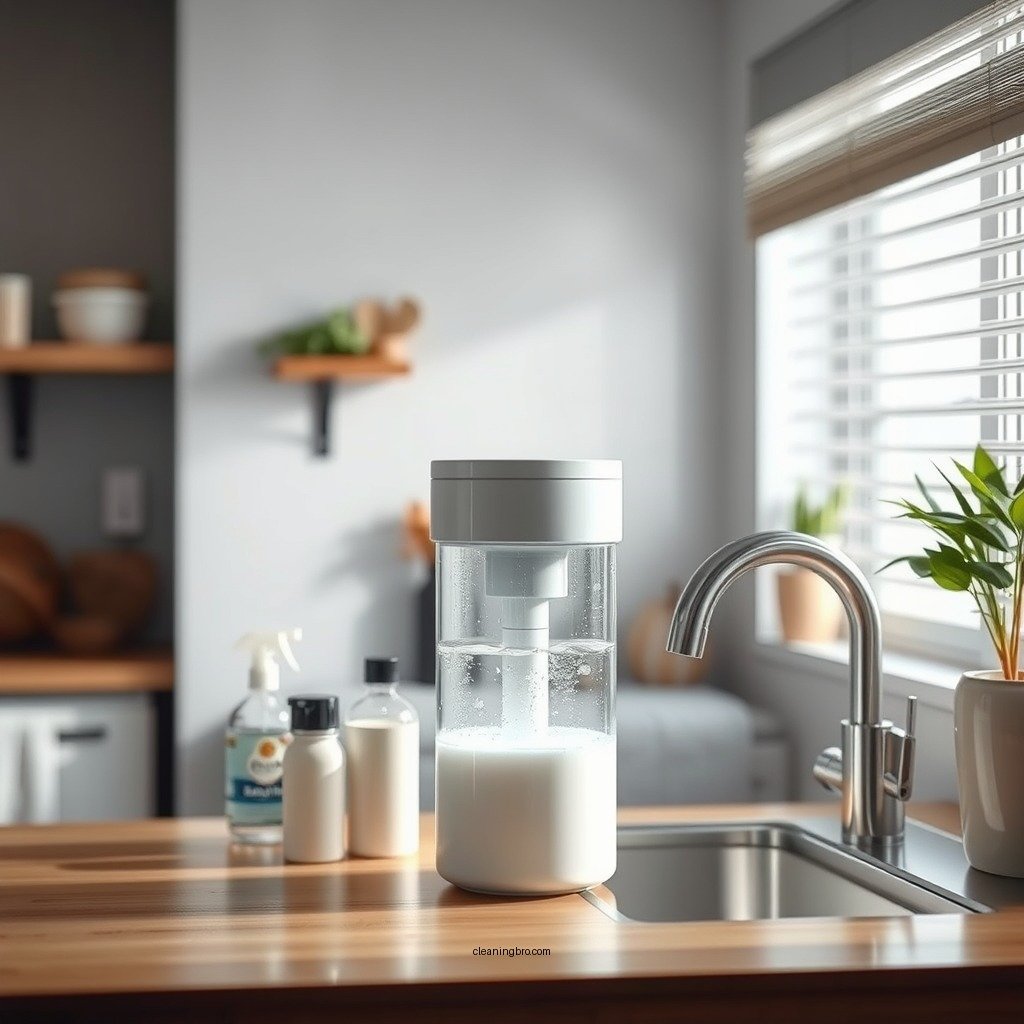
How to Clean a Zero Water Filter: A Simple Guide
To effectively clean a Zero Water filter, start by removing the filter from the pitcher or dispenser and rinsing it under warm water. This process helps to eliminate any buildup and ensures that your filter continues to provide clean drinking water. In this article, you will learn step-by-step instructions to clean and maintain your Zero Water filter for optimal performance.
Understanding the Zero Water Filter
Zero Water filters are designed to provide high-quality filtration by removing impurities from tap water, including lead, chlorine, and other harmful contaminants. The filter employs a five-stage filtration process, which includes activated carbon, ion exchange, and a final stage of filtration that ensures maximum purity. The significance of these filters lies in their ability to produce water that meets the FDA standards for purified drinking water.
Tools and Materials Needed
Cleaning your Zero Water filter is a straightforward process, requiring minimal tools and materials. Here’s what you will need:
– Warm Water: Essential for rinsing the filter.
– Soft Cloth or Sponge: To gently clean the filter without causing damage.
– Mild Dish Soap (Optional): For deeper cleaning, if necessary.
– Bowl or Sink: To hold the filter while cleaning.
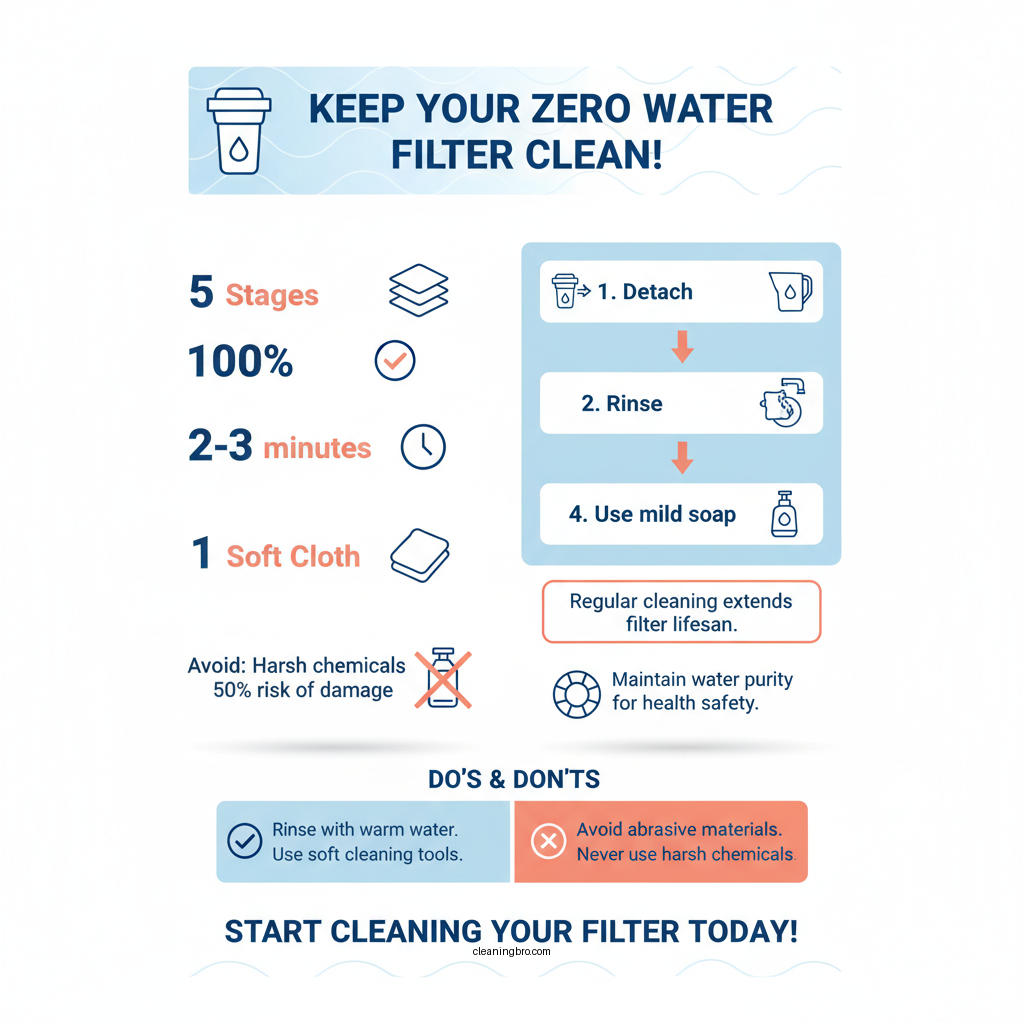
While warm water is typically sufficient for cleaning, using a mild dish soap can help break down any stubborn residues. Avoid harsh chemicals or abrasive materials, as they can damage the filter and compromise its effectiveness.
Step-by-Step Cleaning Process
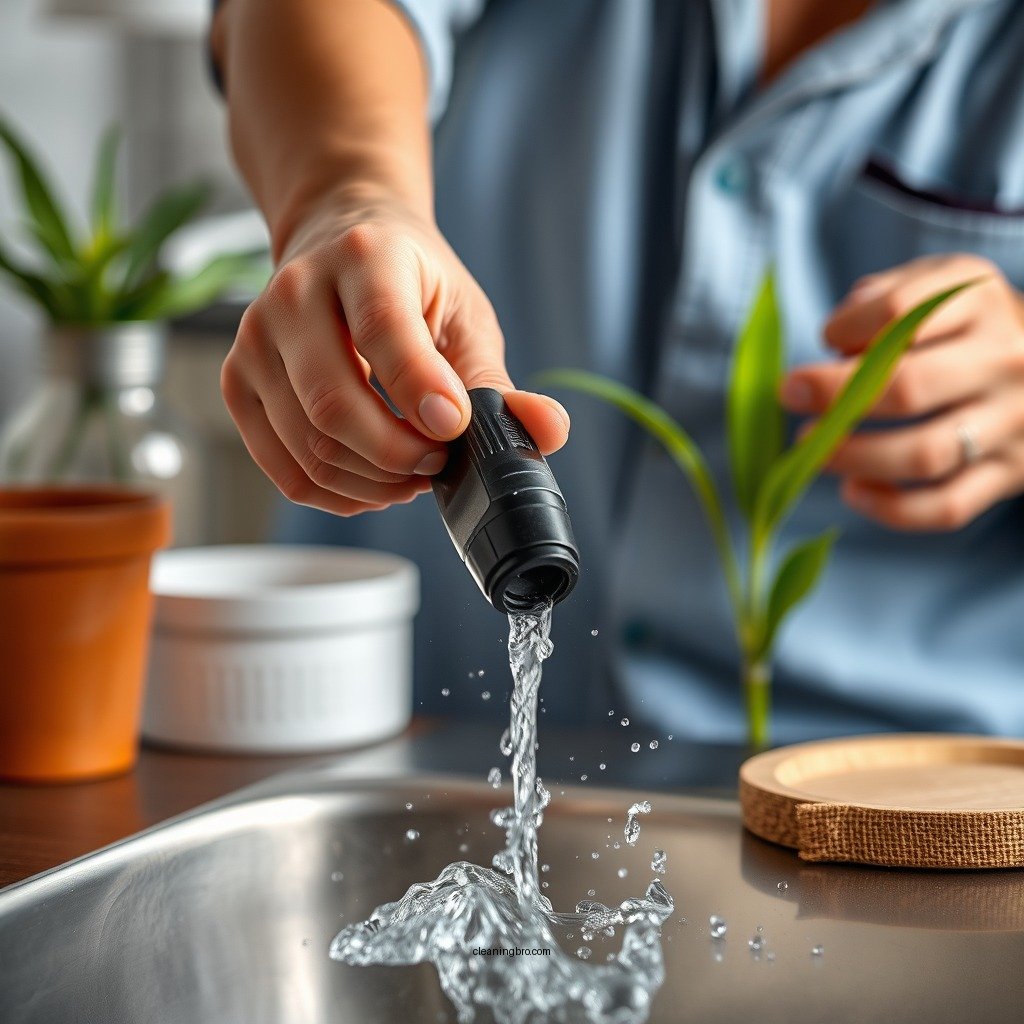
1. Remove the Filter: Carefully detach the Zero Water filter from the pitcher or dispenser. Ensure you do this gently to avoid damaging the filter or the pitcher.
2. Rinse Under Warm Water: Hold the filter under warm running water. Make sure to rinse all surfaces thoroughly, including the top and bottom, where contaminants may accumulate.
3. Use a Soft Cloth or Sponge: If necessary, use a soft cloth or sponge to wipe down the exterior of the filter. Be gentle to avoid scratching or damaging the filter material.
4. Optional Soap Cleaning: If there are stubborn stains or buildups, you can use a mild dish soap diluted in warm water. Dip the cloth in the soapy water and gently clean the filter, then rinse thoroughly under running water to remove any soap residue.
5. Dry Completely: Allow the filter to air dry completely before reassembling it with the pitcher. This prevents any moisture from promoting bacterial growth.
6. Reattach the Filter: Once dry, reattach the filter to the pitcher or dispenser, ensuring it is secure and properly fitted.
By following these steps, you can effectively clean your Zero Water filter and maintain optimal performance.
How Often to Clean Your Zero Water Filter
The frequency of cleaning your Zero Water filter largely depends on your water quality and usage. Generally, it is advisable to clean the filter every 2-4 weeks, especially if you notice a decrease in water flow or an off taste in your drinking water.
Signs that indicate it’s time for cleaning or replacement include:
– Decreased Water Flow: If you notice that water is taking longer to filter through, it may be time to clean the filter.
– Unpleasant Taste or Odor: If your water starts to taste or smell off, this could indicate buildup in the filter.
– Visible Residue: Any visible dirt or residue on the filter itself is a sign that a cleaning is necessary.
Regularly checking these indicators will help ensure your Zero Water filter continues to provide clean, safe drinking water.
Tips for Maintaining Your Zero Water Filter
To extend the life of your Zero Water filter and enhance its performance, consider the following best practices:
1. Store Properly: When not in use, store the filter in a dry, clean place. Avoid leaving it submerged in water for extended periods, as this can lead to mold growth.
2. Use Filtered Water for Cleaning: If possible, use filtered water for rinsing and cleaning the filter to minimize the introduction of additional contaminants.
3. Monitor Water Quality: Regularly test your tap water for contaminants, especially if you live in an area with historically poor water quality. This can help you determine when to clean or replace your filter.
4. Follow Manufacturer Guidelines: Always refer to the manufacturer’s instructions for specific cleaning and maintenance recommendations tailored to your filter model.
By adhering to these tips, you can ensure that your Zero Water filter remains in top condition, providing you with the cleanest drinking water possible.
Troubleshooting Common Issues
While cleaning your Zero Water filter is usually straightforward, you may encounter certain issues. Here are solutions to some common problems:
– Slow Filtration Rate: If your filter is filtering water slowly, try cleaning it as described earlier. If cleaning does not resolve the issue, it may be time to replace the filter.
– Water Tastes Unpleasant After Cleaning: Ensure that you thoroughly rinse the filter after using any soap or cleaning solution. Residue can affect water taste.
– Leakage: If you notice water leaking from the pitcher after reassembling the filter, check to ensure that the filter is correctly installed and that there are no cracks or damage to the filter or pitcher.
FAQs
1. Can I use bleach to clean my Zero Water filter?
– No, bleach and other harsh chemicals can damage the filter and are not recommended.
2. Is it safe to clean the filter with vinegar?
– It is not advisable to use vinegar as it may affect the filter’s performance over time.
3. How do I know when to replace my Zero Water filter?
– If you notice a significant decline in water quality, flow rate, or if the filter has been in use beyond its rated lifespan (usually about 40 gallons), it may need replacing.
Regularly cleaning your Zero Water filter is essential for ensuring that you always have access to clean, purified water. By following these steps and tips, you can maintain your filter’s effectiveness and enjoy great-tasting water every day. For more information, please refer to the manufacturer’s guidelines or reach out to customer support if needed.
Top 7 Water Filter Brands for Home Use (2023)
| # | Brand | Filter Life (Gallons) | Contaminants Removed | Price Range |
|---|---|---|---|---|
| 1 | Zero Water | 40 | 99.6% of TDS | $20-$40 |
| 2 | Brita | 40 | Chlorine, Lead | $15-$30 |
| 3 | PUR | 40 | Mercury, Cadmium | $25-$35 |
| 4 | Aquasana | 600 | Chlorine, Lead, VOCs | $90-$150 |
| 5 | Frizzlife | 40 | Chlorine, Heavy Metals | $25-$50 |
| 6 | Berkey | 3,000 | Bacteria, Viruses | $300+ |
| 7 | iSpring | 1,000 | Chlorine, Fluoride | $200-$300 |
Zero Water vs Brita vs PUR: Feature Comparison
| Feature | ⭐ Zero Water | Brita | PUR |
|---|---|---|---|
| Filter Life (Gallons) | 40 | 40 | 40 |
| Contaminants Removed | 99.6% of TDS | Chlorine, Lead | Mercury, Cadmium |
| Price Range | $20-$40 | $15-$30 | $25-$35 |
| Taste Improvement | ✅ Excellent | ✅ Good | ✅ Good |
| Filter Replacement Frequency | Every 40 gallons | Every 40 gallons | Every 40 gallons |
| Warranty | 1 Year | Limited | Limited |
| Filter Type | 5-stage filter | Carbon filter | Carbon filter |
| Available Sizes | Pitcher, Dispenser | Pitcher | Faucet filter |
| Water Quality Test | Included | Optional | Included |
| 🏆 Best For | Best overall filtration | Budget-friendly | Heavy metals removal |
In summary, effectively cleaning and maintaining your Zero Water filter is essential for ensuring the best quality drinking water. By following the outlined cleaning process, adhering to maintenance tips, and keeping an eye on indicators for cleaning or replacement, you can enjoy the benefits of purified water for longer. Regular upkeep not only prolongs the filter’s life but also enhances your overall water consumption experience.
Frequently Asked Questions
How do I properly clean my Zero Water filter?
To clean your Zero Water filter, first, remove the filter from the pitcher or dispenser. Rinse it under warm water for about 30 seconds to clear any debris. Avoid using soap or detergents, as they can leave residues that may affect water taste. Allow it to dry completely before reassembling.
What is the best way to maintain my Zero Water filter for optimal performance?
To maintain your Zero Water filter, regularly check the total dissolved solids (TDS) level with the included meter. Replace the filter when the TDS reading reaches 006 or higher. Additionally, clean the pitcher and lid with mild soap and water periodically to prevent buildup and ensure clean water.
Why does my Zero Water filter taste different after cleaning?
A different taste after cleaning your Zero Water filter may occur if any soap residue remains on the filter or pitcher. Ensure you rinse the filter thoroughly with warm water and allow it to dry completely. If the taste persists, try soaking the filter in clean water for a few hours before reusing it.
Which cleaning products are safe to use on my Zero Water filter?
It is best to avoid any cleaning products on your Zero Water filter, as soap and detergents can contaminate the filter and affect water quality. Instead, use warm water alone to rinse the filter and clean the pitcher. If you need to disinfect, consider a vinegar solution, but rinse thoroughly afterward.
How often should I clean my Zero Water filter for best results?
You should clean your Zero Water filter every month or whenever you replace the filter, depending on your water quality and usage. Regular cleaning helps maintain the filter’s efficiency and ensures that you consistently get great-tasting, purified water. Always monitor the TDS levels to determine the best replacement frequency.
References
- https://www.ncbi.nlm.nih.gov/pmc/articles/PMC7092290/
https://www.ncbi.nlm.nih.gov/pmc/articles/PMC7092290/ - https://www.cdc.gov/healthywater/drinking/index.html
https://www.cdc.gov/healthywater/drinking/index.html - Water purification | Description, Processes, & Importance | Britannica
https://www.britannica.com/science/water-purification - https://www.nature.com/articles/s41545-019-0070-5
https://www.nature.com/articles/s41545-019-0070-5 - Google Scholar Google Scholar
https://scholar.google.com/scholar?q=how+to+clean+zero+water+filter - Google Scholar Google Scholar
https://scholar.google.com/scholar?q=water+filter+maintenance - Google Scholar Google Scholar
https://scholar.google.com/scholar?q=cleaning+water+filters - Drinking-water
https://www.who.int/news-room/fact-sheets/detail/drinking-water - https://www.sciencedirect.com/topics/earth-and-planetary-sciences/water-purification
https://www.sciencedirect.com/topics/earth-and-planetary-sciences/water-purification - how to clean zero water filter – Search results
https://en.wikipedia.org/wiki/Special:Search?search=how+to+clean+zero+water+filter