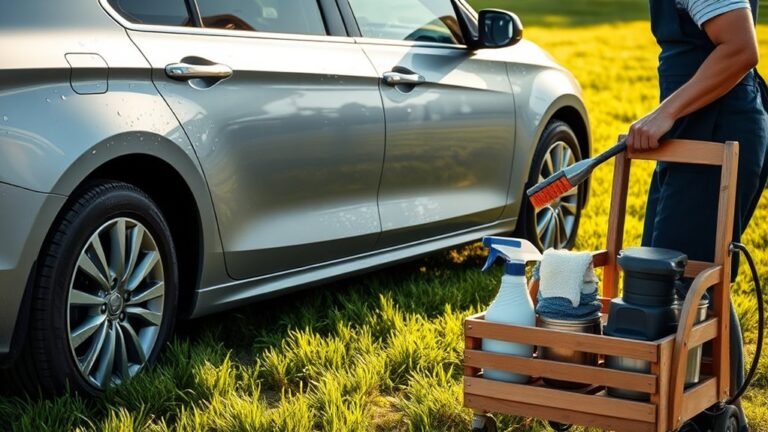
How to Clear Low Tire Pressure: A Simple Guide
To clear low tire pressure, start by checking the tire pressure with a gauge and inflating the tires to the recommended levels. This process not only enhances safety but also improves fuel efficiency and extends tire life. In this guide, you will learn how to effectively monitor and maintain tire pressure, ensuring a smoother and safer ride.
Understanding Tire Pressure
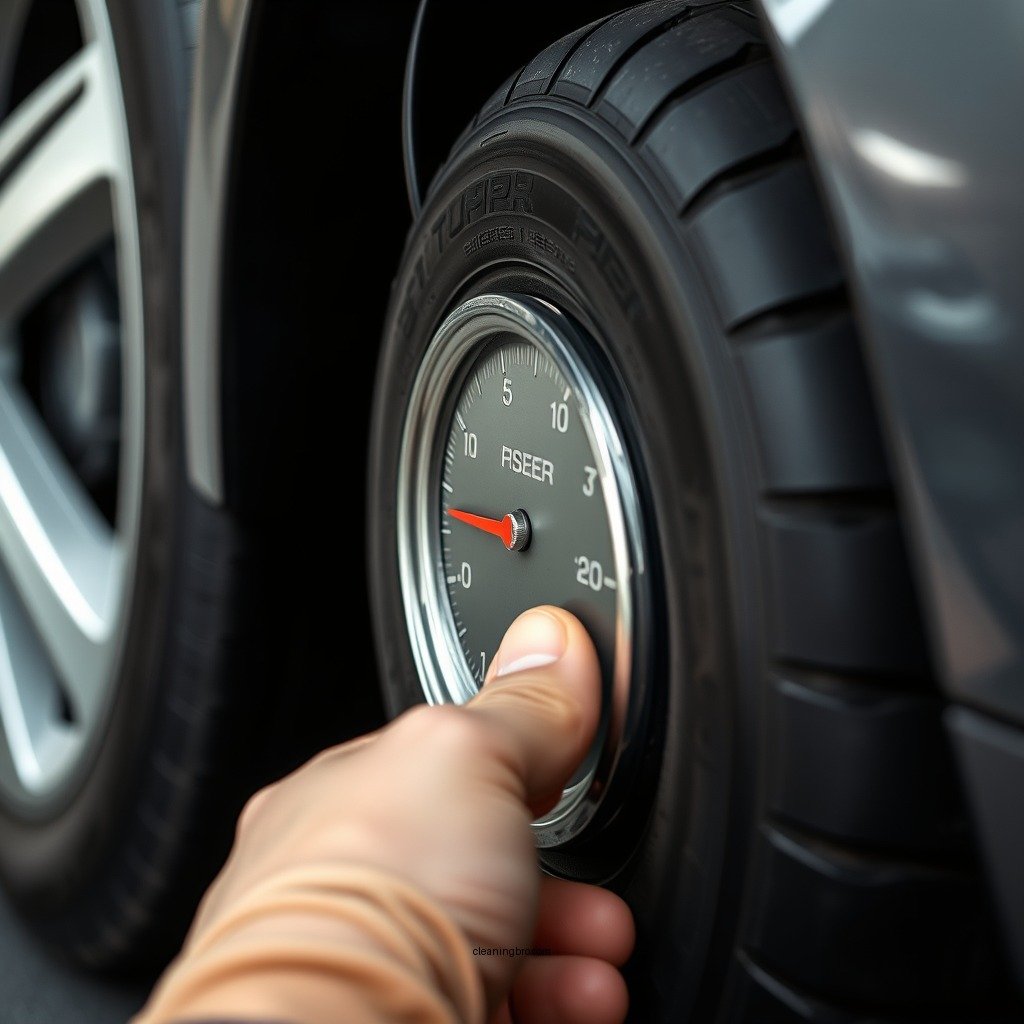
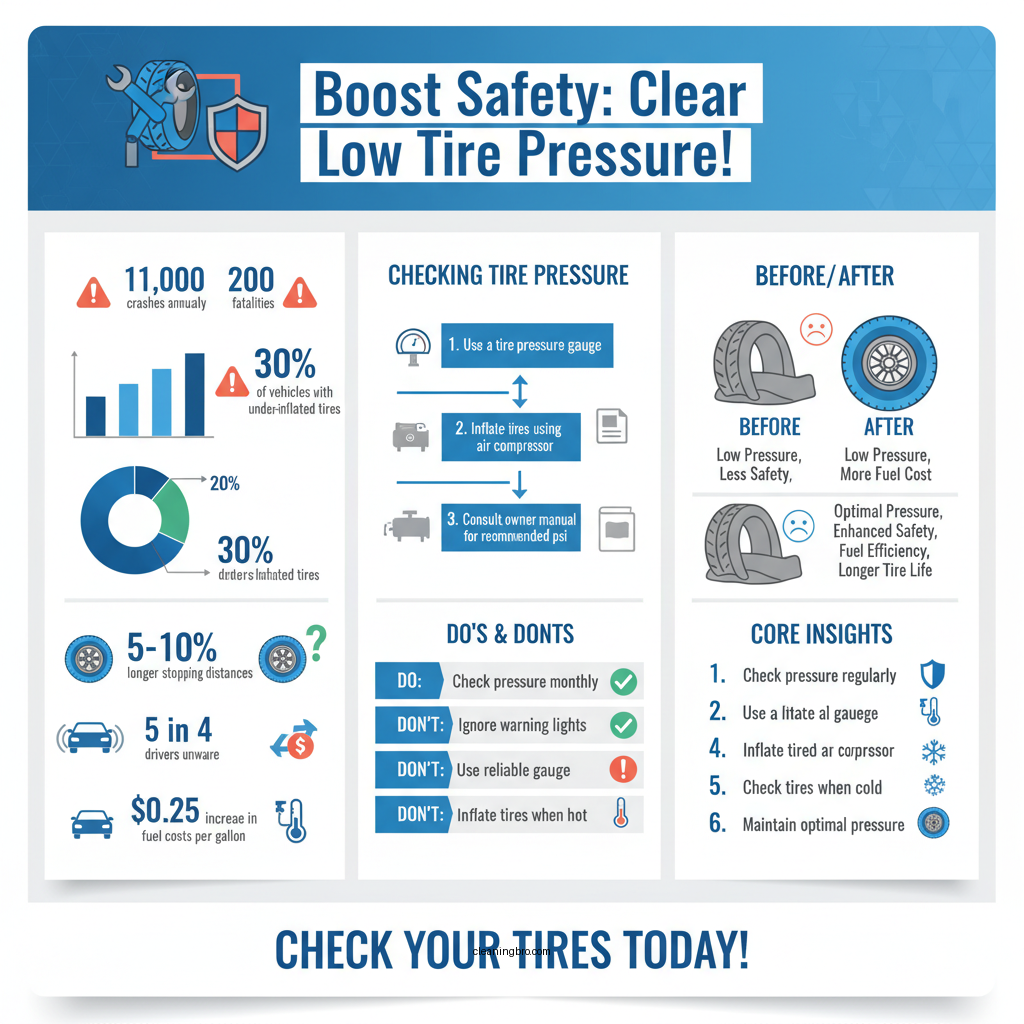
Maintaining proper tire pressure is crucial for both vehicle safety and efficiency. Tires that are under-inflated can cause significant problems, including reduced traction, longer stopping distances, and increased wear on the tires. According to the National Highway Traffic Safety Administration (NHTSA), approximately 11,000 crashes and 200 fatalities occur annually due to under-inflated tires. Furthermore, under-inflated tires can lead to increased rolling resistance, which negatively impacts fuel economy, costing drivers more at the pump.
When tires are not inflated to their optimal pressure, they can wear unevenly and prematurely, leading to blowouts or the need for early replacement. This not only affects your wallet but also poses a serious safety risk while driving. Regularly checking and maintaining tire pressure helps ensure that your vehicle performs at its best, enhancing both safety and efficiency.
Tools You Need
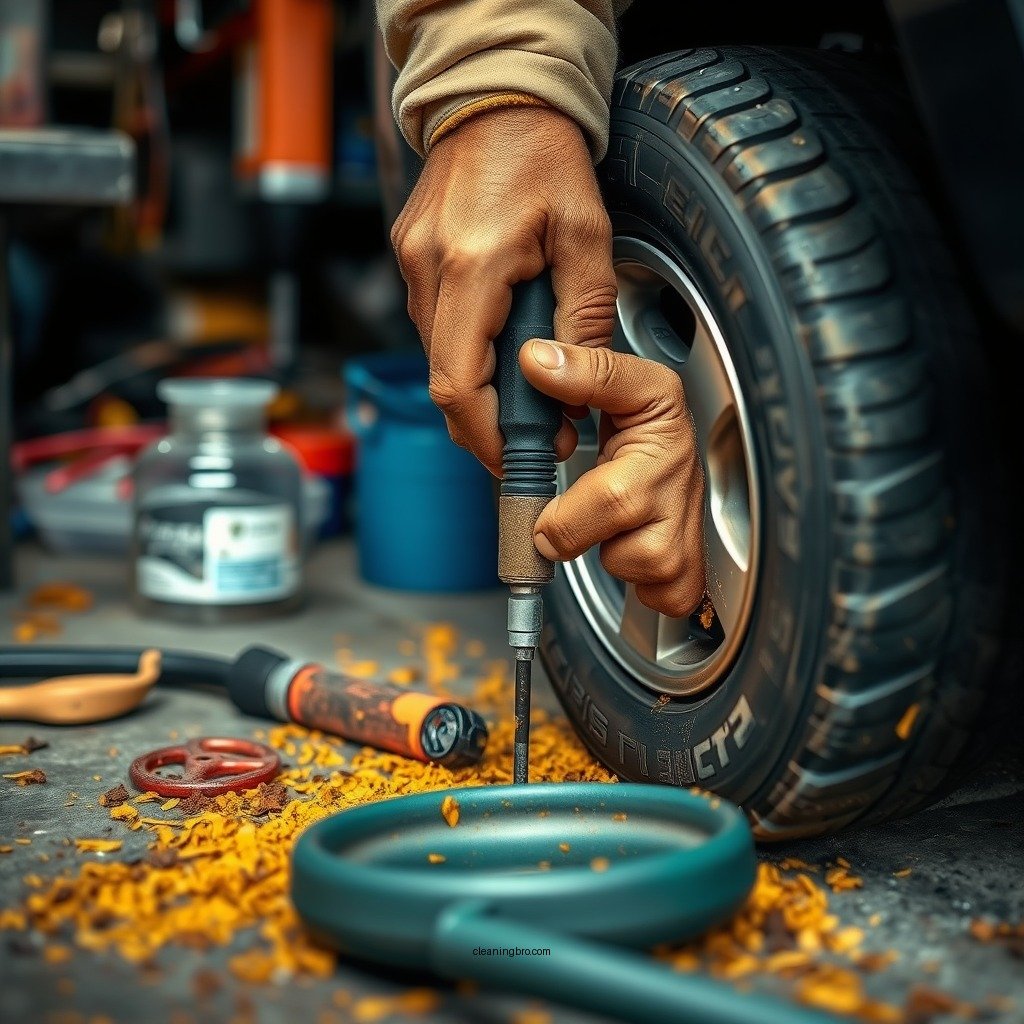
To effectively check and maintain tire pressure, you will need a few essential tools:
– Tire Pressure Gauge: This tool measures the air pressure inside your tires. There are digital and analog options available, with digital gauges often providing more precise readings.
– Air Compressor: An air compressor is necessary for inflating tires. Portable air compressors can be easily stored in your vehicle, while larger models are typically found at service stations.
You can find tire pressure gauges and air compressors at local auto parts stores, big box retailers, or online marketplaces. Having these tools readily available will facilitate regular tire maintenance, keeping your tires in optimal condition.
How to Check Tire Pressure
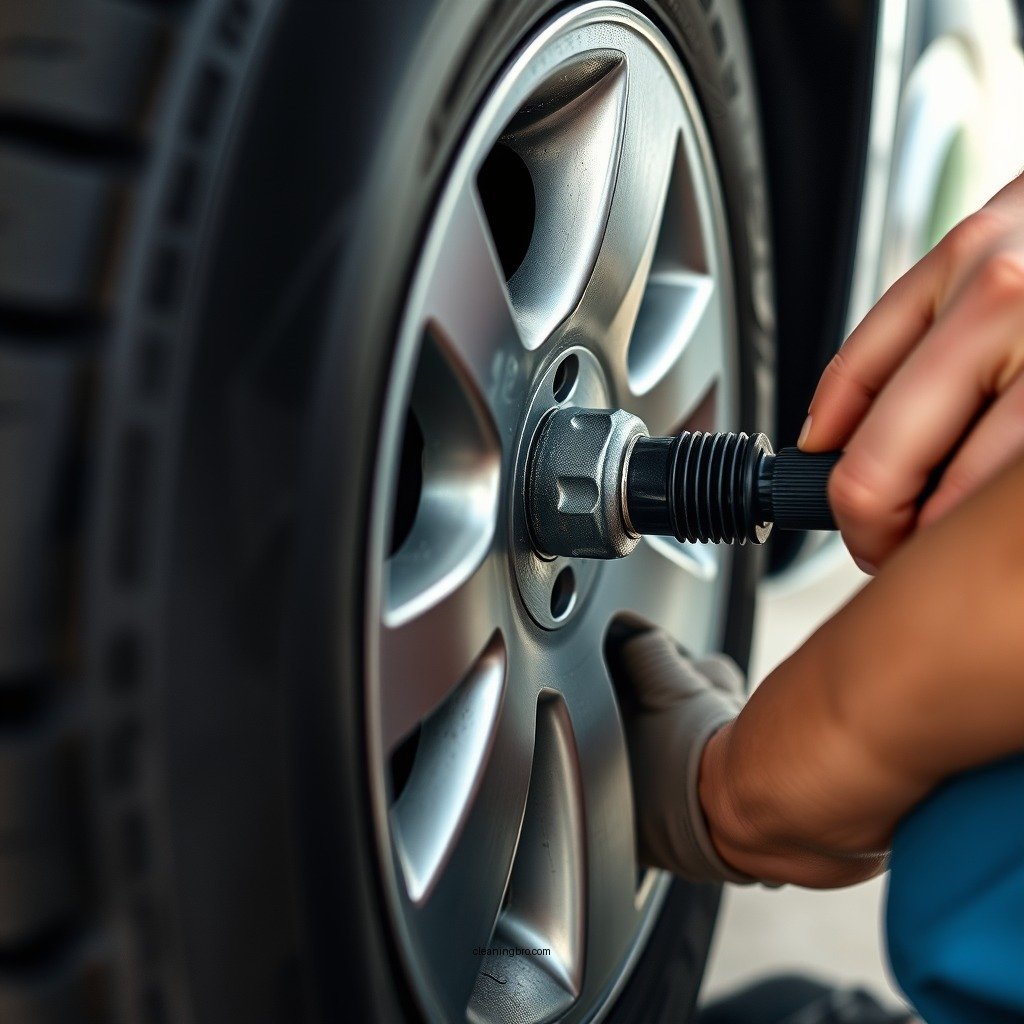
Checking your tire pressure is a straightforward process, and here’s how you can do it:
1. Gather Your Tools: Ensure you have your tire pressure gauge ready.
2. Find the Recommended Pressure: Check your vehicle’s owner manual or the sticker typically found on the driver’s side door jamb for the manufacturer’s recommended tire pressure (measured in psi, or pounds per square inch).
3. Check When Cold: For the most accurate reading, check your tire pressure when the tires are cold, which means the vehicle has been parked for at least three hours or driven less than a mile.
4. Remove the Valve Cap: Unscrew the valve cap from one tire.
5. Press the Gauge: Firmly press the tire pressure gauge onto the valve stem and hold it there until you get a reading.
6. Read the Gauge: Note the psi reading and compare it to the recommended level.
7. Repeat: Repeat this process for each tire, including the spare if applicable.
By following these steps, you can ensure that your tires are inflated to the correct levels, promoting safety and efficiency.
Top 7 Tire Pressure Monitoring Systems (2024)
| # | Brand | Type | Battery Life | Price |
|---|---|---|---|---|
| 1 | TireMinder | Wireless | 2 years | $99.99 |
| 2 | Carchoice | Wireless | 3 years | $85.99 |
| 3 | ValveStem | Wireless | 1 year | $60.00 |
| 4 | SENSORS | Wired | 2 years | $120.00 |
| 5 | TireAlert | Wireless | 2 years | $75.00 |
| 6 | EZ Tire Monitor | Wireless | 2 years | $90.00 |
| 7 | TireSafe | Wireless | 3 years | $110.00 |
Inflating Your Tires
Once you have determined that your tire pressure is low, it’s time to inflate your tires to the recommended levels. Here’s a detailed process for effectively inflating your tires:
1. Locate an Air Compressor: You can find air compressors at gas stations or purchase a portable one for your vehicle.
2. Remove the Valve Cap: Unscrew the valve cap on the tire you wish to inflate.
3. Attach Air Hose: Place the air hose from the compressor securely onto the valve stem.
4. Inflate the Tire: Turn on the compressor and inflate the tire. Monitor the pressure using your tire pressure gauge.
5. Check the Pressure: Periodically stop inflating to check the pressure until you reach the recommended level.
6. Replace the Valve Cap: Once the tire is inflated, replace the valve cap securely.
Even inflation across all tires is essential. If you have a vehicle that requires different pressures for front and rear tires, make sure you adjust accordingly.
Identifying and Fixing Leaks
Identifying slow leaks can save you time and ensure your safety on the road. Here are some common signs of tire leaks:
– Visual Inspection: Look for cracks, punctures, or foreign objects embedded in the tire.
– Pressure Loss: If you find that your tires regularly lose pressure within a week, it may indicate a slow leak.
– Soapy Water Test: Mix a solution of soap and water and apply it to the tire’s surface. Bubbles will form at the site of a leak.
For temporary fixes, consider using puncture repair kits or tire sealants. However, these are not long-term solutions. When in doubt, consult with a professional mechanic who can properly diagnose and repair any leaks.
Maintaining Tire Pressure
Regular maintenance of tire pressure is vital for ongoing vehicle safety. Here are some recommendations:– Check Monthly: It is advisable to check your tire pressure at least once a month and before long trips.
– Seasonal Changes: Be mindful of seasonal temperature changes, as cold weather can cause tire pressure to drop. A decrease of 1 psi per 10°F drop in temperature is common.
– Monitor More Closely: During extreme weather conditions, such as winter or summer heat, increase the frequency of checks.
Maintaining the correct tire pressure not only enhances safety but also improves fuel efficiency and extends the lifespan of your tires.
Additional Tire Care Tips
In addition to monitoring tire pressure, consider these additional maintenance tips:
– Regular Tire Rotation: To promote even wear, rotate your tires every 5,000 to 8,000 miles.
– Alignment Checks: Misalignment can cause uneven wear and should be checked if you notice your vehicle pulling to one side.
– Tread Depth Monitoring: Use the penny test to check tread depth; insert a penny into the tread with Lincoln’s head facing down. If you can see the top of his head, it’s time to replace your tires.
Regular care and maintenance can ensure your tires remain in good condition, enhancing your vehicle’s performance and your safety on the road.Maintaining proper tire pressure is crucial for vehicle safety and performance. Regularly checking and inflating your tires not only extends their life but also enhances your driving experience. Take these steps today to ensure your tires are always in optimal condition, and don’t hesitate to reach out to a professional if you encounter any issues. Your safety on the road depends on it!
Frequently Asked Questions
What are the signs of low tire pressure?
Signs of low tire pressure include a warning light on your dashboard, a noticeable decrease in handling or steering responsiveness, and a visual inspection showing tires that appear flatter than usual. Additionally, you might hear a hissing sound or feel vibrations while driving, indicating that your tires need air.
How can I check my tire pressure accurately?
To check your tire pressure accurately, use a reliable tire pressure gauge. First, ensure your tires are cold by checking them after the car has been parked for a few hours. Remove the valve cap from a tire, press the gauge onto the valve stem firmly, and read the pressure displayed. Compare this to the recommended pressure, which is often found on a sticker inside the driver’s side door or in your vehicle’s manual.
Why is it important to maintain proper tire pressure?
Maintaining proper tire pressure is crucial for vehicle safety and performance. Under-inflated tires can lead to decreased fuel efficiency, increased tire wear, and a higher risk of blowouts, while over-inflated tires can cause a harsher ride and reduced traction. Regularly checking and adjusting your tire pressure helps ensure optimal handling and extends the lifespan of your tires.
What is the best way to inflate tires with low pressure?
The best way to inflate tires with low pressure is to use an air compressor, which can often be found at gas stations or purchased for home use. Remove the valve cap, attach the air hose, and fill the tire until it reaches the recommended pressure indicated on your vehicle’s door jamb or manual. Remember to check the pressure with a gauge after inflating to ensure accuracy.
Which tools do I need to clear low tire pressure effectively?
To clear low tire pressure effectively, you’ll need a tire pressure gauge, an air compressor, and possibly a valve core tool for any repairs. A portable air compressor is convenient for home use, while a manual gauge can help you check pressure levels accurately. Having a tire repair kit on hand can also be beneficial for unexpected leaks or punctures.
References
- Page Not Found – Site Help – Mayo Clinic
https://www.mayoclinic.org/healthy-lifestyle/consumer-health/expert-answers/tire-pressure/faq-20058078 - https://www.nhtsa.gov/equipment/tire-pressure-monitoring-systems
https://www.nhtsa.gov/equipment/tire-pressure-monitoring-systems - https://www.nhtsa.gov/equipment/tire-safety
https://www.nhtsa.gov/equipment/tire-safety - https://www.tirebuyer.com/education/how-to-check-tire-pressure
https://www.tirebuyer.com/education/how-to-check-tire-pressure - Google Scholar Google Scholar
https://scholar.google.com/scholar?q=how+to+clear+low+tire+pressure - Google Scholar Google Scholar
https://scholar.google.com/scholar?q=tire+pressure+monitoring+systems - Google Scholar Google Scholar
https://scholar.google.com/scholar?q=importance+of+tire+pressure+in+vehicle+maintenance - how to clear low tire pressure – Search results
https://en.wikipedia.org/wiki/Special:Search?search=how+to+clear+low+tire+pressure - https://www.ncbi.nlm.nih.gov/search/research-articles/?term=how+to+clear+low+tire+pressure
https://www.ncbi.nlm.nih.gov/search/research-articles/?term=how+to+clear+low+tire+pressure