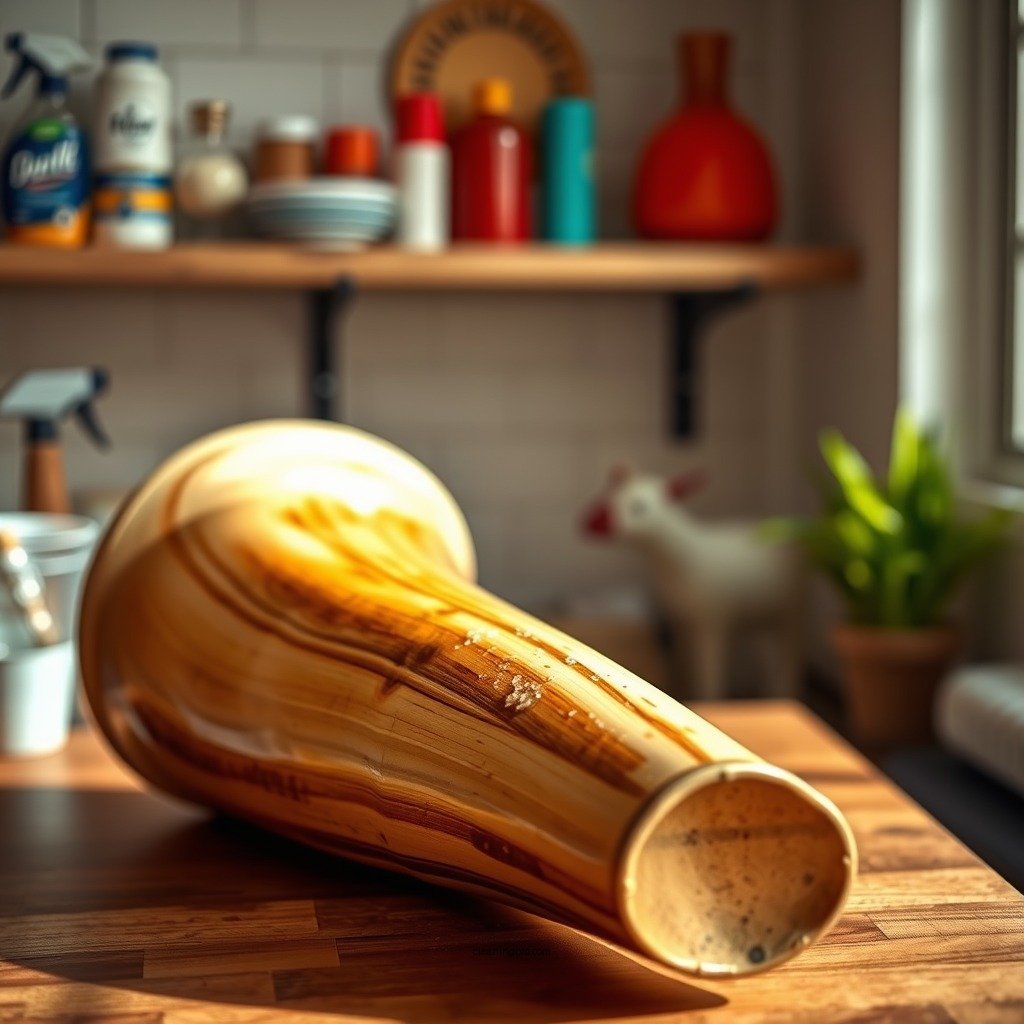
How to Clean a Shofar: Essential Steps
Cleaning a shofar is essential not only for maintaining its aesthetic appeal but also for preserving its sound quality. This straightforward process involves using appropriate materials and techniques to ensure that the shofar remains in excellent condition. In this article, you will learn the effective steps to properly clean your shofar while safeguarding its integrity and enhancing its longevity.
Understanding the Shofar
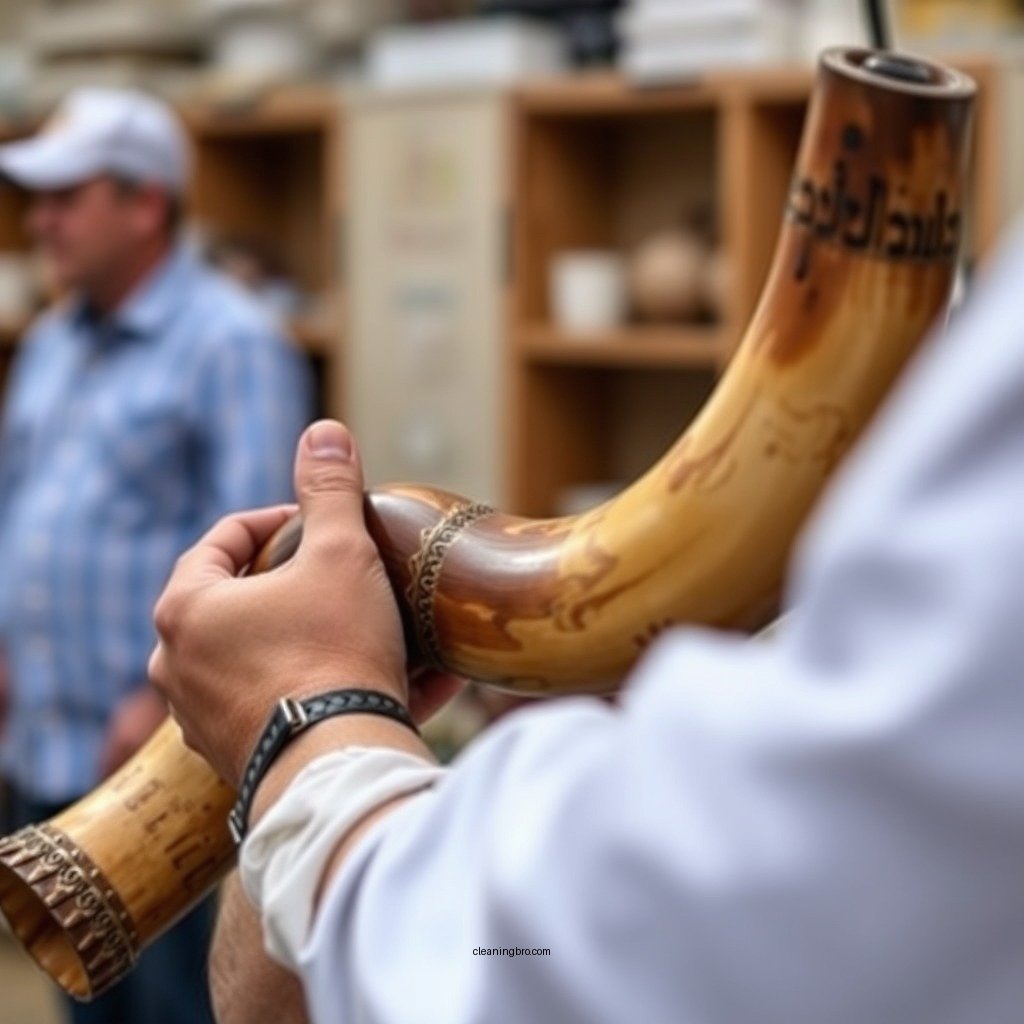
A shofar is a traditional musical instrument made from the horn of a ram, deeply embedded in Jewish culture and often used during religious ceremonies, such as Rosh Hashanah and Yom Kippur. Its distinctive sound serves both spiritual and communal purposes, marking significant moments in Jewish worship. Given its importance, it is vital to handle the shofar delicately to avoid cracks, warping, or any other damage that could compromise its beauty and sound. Understanding the material composition of a shofar, typically keratin (the same material as human nails), helps in determining the best cleaning practices to avoid deterioration.
Gathering Cleaning Supplies
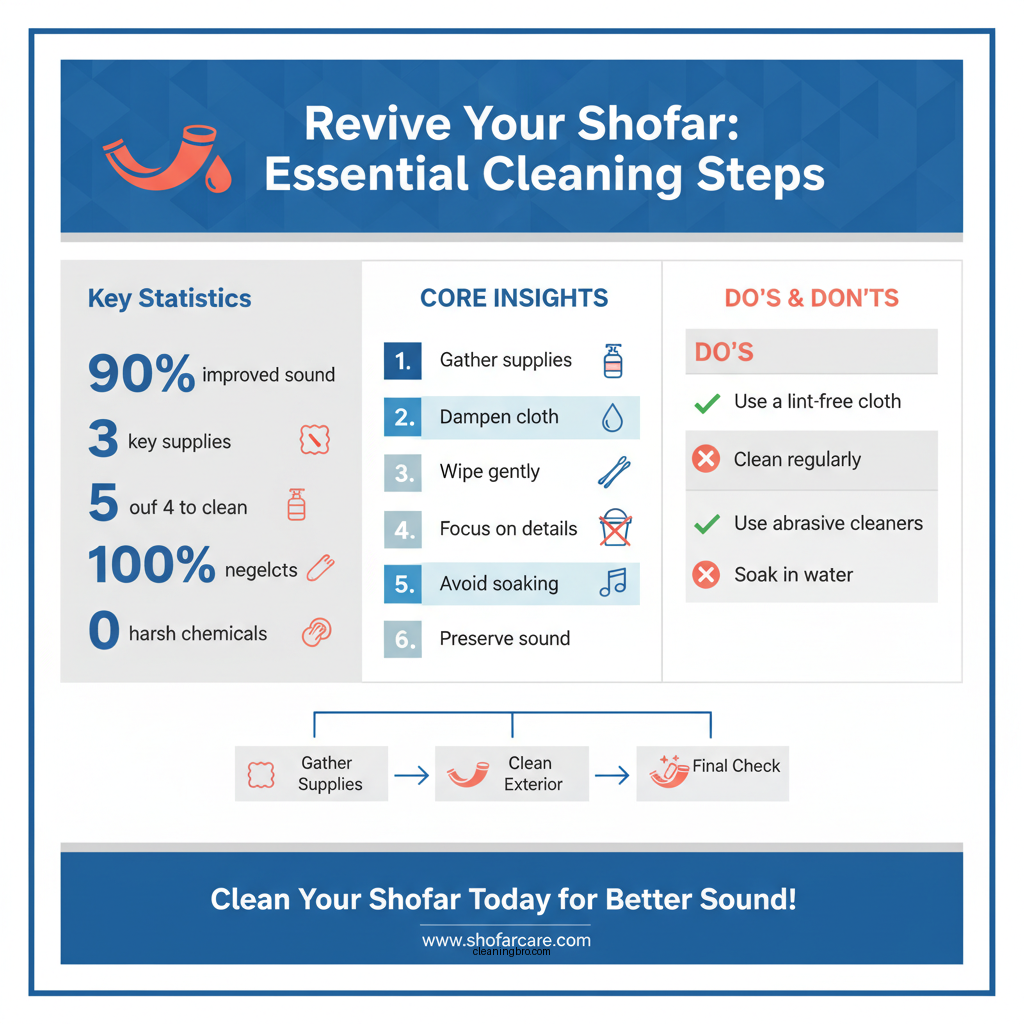
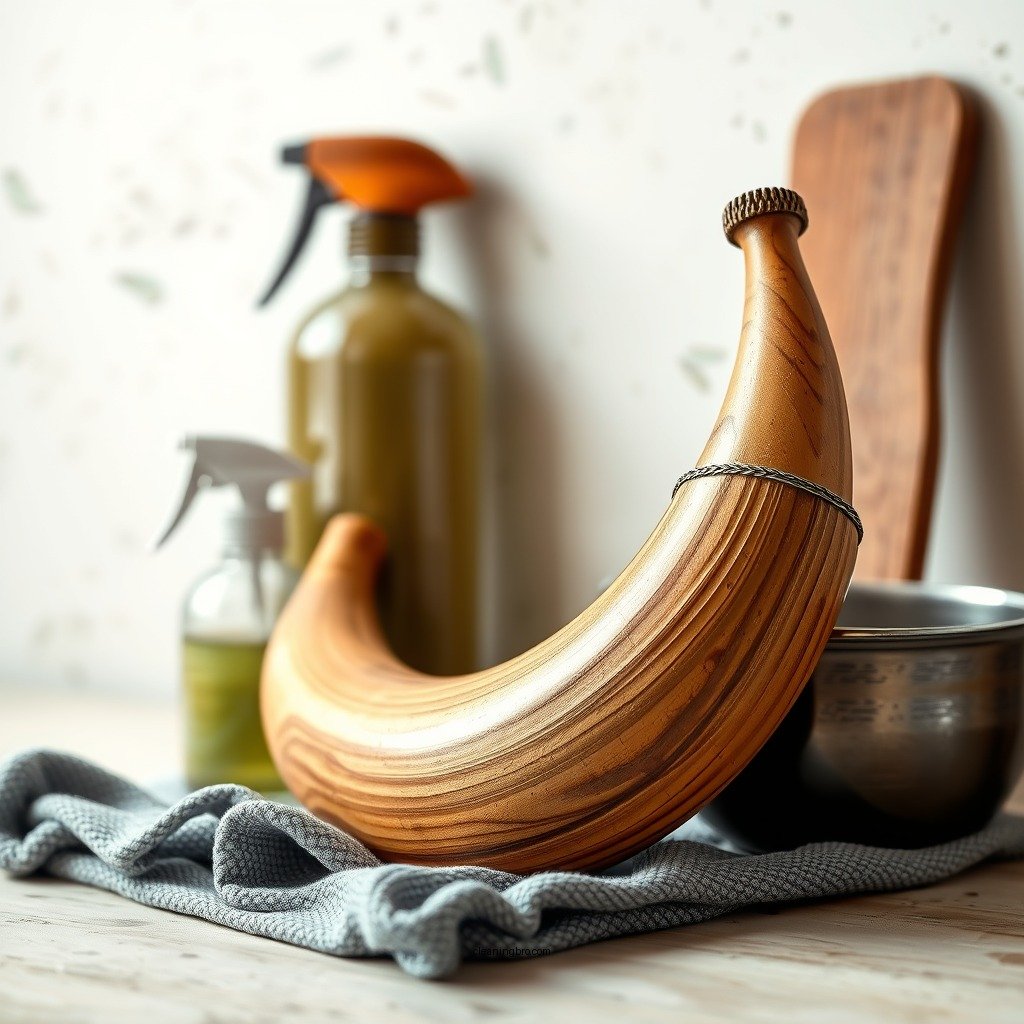
Before embarking on the cleaning process, it is crucial to gather the right supplies to ensure that your shofar is treated with care. Here are the necessary items to prepare:
– Soft, Lint-Free Cloth: This will help you prevent scratches on the surface of the shofar, which can mar its appearance and affect sound quality.
– Mild Soap: Opt for a gentle soap that will not damage the surface of the horn. Avoid any harsh chemicals or abrasive cleaners that could lead to discoloration or degradation.
– Warm Water: Use warm (not hot) water to help dissolve dirt and grime without causing damage to the shofar.
– Cotton Swabs: These are ideal for reaching the mouthpiece and other intricate parts of the shofar that may accumulate dirt.
Having these supplies on hand will facilitate a thorough and safe cleaning process.
Cleaning the Exterior
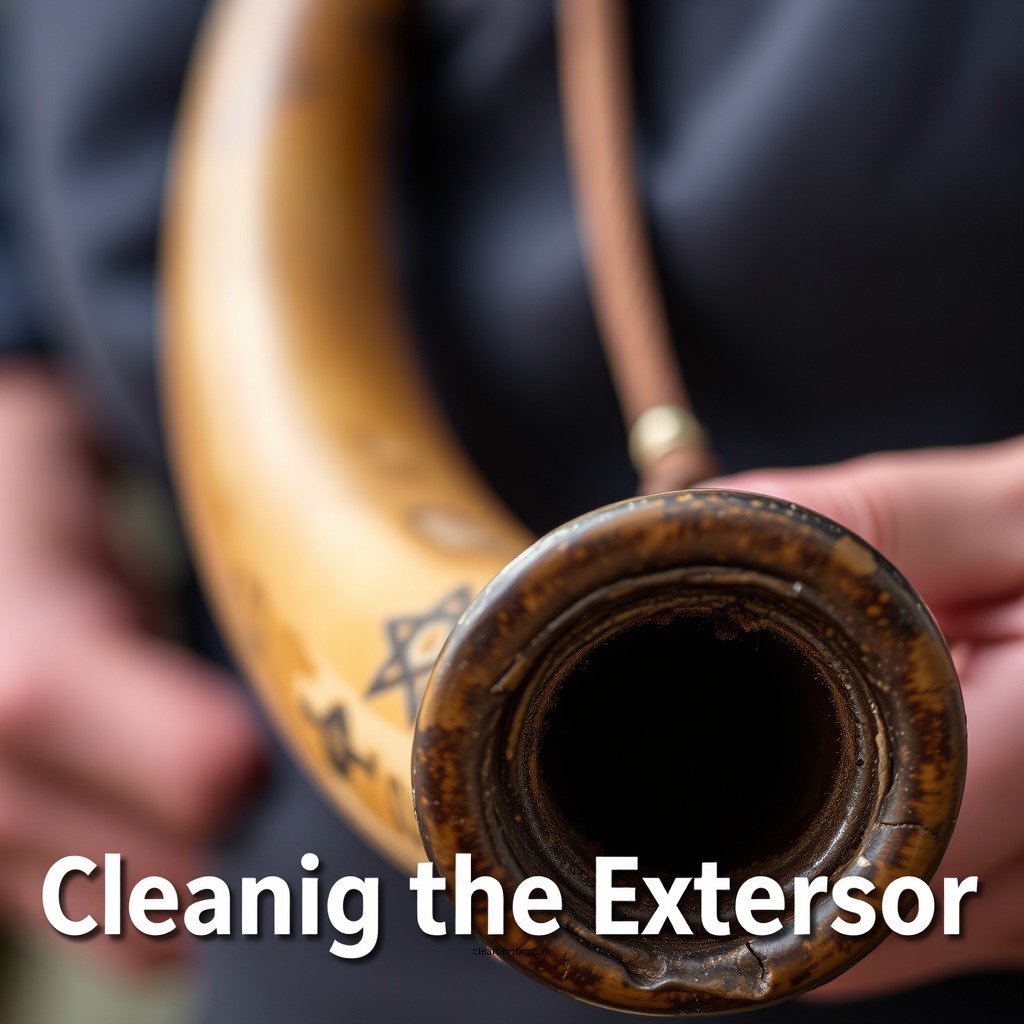
The exterior of the shofar is often exposed to dust and dirt, which can accumulate over time. To clean the outside of your shofar effectively, follow these steps:
1. Dampen the Cloth: Lightly moisten the soft cloth with warm water mixed with a small amount of mild soap. Ensure that the cloth is damp but not soaking wet, as excess water can seep into the horn and cause damage.
2. Wipe the Surface: Carefully wipe the exterior of the shofar, starting from one end and moving to the other. Use gentle circular motions to lift away any dust or residue without scratching the surface.
3. Rinse and Dry: After cleaning, use a separate clean, damp cloth to wipe away any soap residue. It’s crucial not to soak the shofar, as prolonged exposure to water can lead to warping or cracking.
4. Avoid Harsh Chemicals: Stay away from products like bleach or ammonia, which can discolor and damage the shofar. The key is to keep the cleaning process as gentle as possible.
Shofar Cleaning Supplies Comparison
| # | Cleaning Supply | Material | Purpose |
|---|---|---|---|
| 1 | Soft Cloth | Cotton/Synthetic | Surface Cleaning |
| 2 | Mild Soap | Liquid | Safe Cleaning |
| 3 | Warm Water | Liquid | Rinsing |
| 4 | Cotton Swabs | Cotton | Detail Cleaning |
| 5 | Protective Case | Various | Storage |
| 6 | Drying Cloth | Cotton/Synthetic | Drying |
| 7 | Disinfectant Spray | Liquid | Sanitizing |
Cleaning the Mouthpiece
The mouthpiece of the shofar is a critical area that requires careful attention during cleaning. Since it is a part you put in your mouth, maintaining its hygiene is essential. Here’s how to clean the mouthpiece effectively:
1. Use a Cotton Swab or Soft Cloth: Dampen a cotton swab or a small piece of soft cloth with warm, soapy water. Carefully clean the mouthpiece area, ensuring that you remove any buildup of saliva or dirt.
2. Rinse Thoroughly: After cleaning, it is important to rinse the mouthpiece with clean, warm water to eliminate any soap residue that may remain, which could affect taste or health.
3. Drying: Use a clean, dry cloth to gently pat the mouthpiece dry. This step is crucial to prevent moisture from lingering, which can lead to the growth of bacteria or mold.
4. Regular Check-ups: Make it a habit to check and clean the mouthpiece after every use, as this will help maintain its condition and hygiene.
Drying the Shofar
Once you have completed the cleaning process, proper drying is essential to maintain the integrity of the shofar. Here are the steps to ensure thorough drying:
1. Air Drying: Place the shofar in a well-ventilated area, allowing it to air dry completely. Avoid placing it in direct sunlight, as this can lead to warping or cracking.
2. Avoid Heat Sources: Refrain from using heat sources such as hair dryers or heaters to speed up the drying process. Excessive heat can negatively impact the material of the shofar.
3. Storage: Once completely dry, store the shofar in a protective case. This will shield it from dust, moisture, and potential physical damage, ensuring it remains in excellent condition for years to come.
Regular Maintenance Tips
To keep your shofar in optimal condition, regular maintenance is necessary. Here are some actionable tips:
– Wipe After Each Use: After playing, take a moment to wipe the exterior and mouthpiece with a soft cloth. This prevents buildup and ensures cleanliness.
– Store Properly: Keep your shofar in a protective case to avoid scratches and exposure to environmental factors that could cause damage.
– Inspect Regularly: Check for any signs of wear, such as cracks or discoloration. Early detection can prevent more significant issues down the line.
– Limit Exposure to Humidity: Avoid storing the shofar in overly humid places, as this can lead to bacterial growth or mold. A climate-controlled environment is ideal.
When to Seek Professional Help
While regular maintenance can keep your shofar in good shape, there are instances when it is necessary to consult a professional. Here are some signs that indicate it’s time to seek expert help:
– Visible Cracks: If you notice any cracks or splits in the horn, it’s crucial to get professional assessment and repair to avoid further damage.
– Sound Quality Issues: If the sound produced by the shofar has changed or diminished, a professional can help identify and address the problem.
– Extensive Cleaning Needed: If your shofar has not been cleaned in a long time and requires deep cleaning, a professional can ensure it is cleaned without damage.
– Restoration Needs: For antique or particularly valuable shofars, professional restoration may be necessary to preserve their historical and monetary value.
Maintaining your shofar through proper cleaning ensures its longevity and beautiful sound quality. By following these steps, you can keep your shofar in excellent condition. Remember to handle it with care, and don’t hesitate to reach out to a professional if you have any concerns. Enjoy playing your shofar and sharing its beautiful sounds with your community!
Frequently Asked Questions
What is the best way to clean a shofar?
The best way to clean a shofar is to use a soft cloth or brush and warm, soapy water. Avoid harsh chemicals or abrasive materials that could damage the surface. After cleaning, ensure it is thoroughly dried to prevent any moisture buildup that can lead to mold or unpleasant odors.
How often should I clean my shofar?
You should clean your shofar after each use, especially if it has been played during a religious service or gathering. Regular cleaning helps maintain its sound quality and appearance. Additionally, an annual deep clean is recommended to ensure it remains in good condition over time.
Why is it important to clean a shofar?
Cleaning a shofar is important to maintain its functionality and sound quality. Residue from saliva, dust, and other contaminants can affect how the shofar sounds and may lead to hygienic issues. Proper care also extends the lifespan of the instrument, ensuring it can be used for many years.
Which cleaning products are safe for a shofar?
Safe cleaning products for a shofar include mild dish soap and warm water. It’s crucial to avoid bleach or any corrosive cleaners that could damage the material. Additionally, using a natural oil, like olive oil, can help preserve the horn’s finish without causing harm.
What should I avoid when cleaning my shofar?
When cleaning your shofar, avoid using abrasive sponges, harsh chemicals, or submerging it in water. These actions can scratch the surface, cause cracks, or lead to water damage. Always handle the shofar gently and allow it to air dry completely after cleaning.
References
- Shofar
https://en.wikipedia.org/wiki/Shofar - https://www.jewishvirtuallibrary.org/shofar
https://www.jewishvirtuallibrary.org/shofar - https://www.chabad.org/library/article_cdo/aid/118614/jewish/The-Shofar.htm
https://www.chabad.org/library/article_cdo/aid/118614/jewish/The-Shofar.htm - Haaretz | Israel News, the Middle East and the Jewish World – Haaretz.com
https://www.haaretz.com/jewish/.premium-how-to-blow-a-shofar-1.6322116 - https://www.usc.edu/dept/LAS/ws/faq/faq.html
https://www.usc.edu/dept/LAS/ws/faq/faq.html - Google Scholar Google Scholar
https://scholar.google.com/scholar?q=cleaning+a+shofar - Google Scholar Google Scholar
https://scholar.google.com/scholar?q=shofar+maintenance - Google Scholar Google Scholar
https://scholar.google.com/scholar?q=shofar+care+methods - Shofar | Meaning, Horn, Worship, & Judaism | Britannica
https://www.britannica.com/topic/shofar - Google Scholar Google Scholar
https://scholar.google.com/scholar?q=how+do+you+clean+a+shofar