How to Clean Night Guards: Essential Steps for Care
Cleaning your night guard is simple and crucial for maintaining oral hygiene. Regular cleaning helps prevent bacteria buildup and ensures your night guard lasts longer. In this guide, you’ll learn effective methods to clean your night guard and keep it in optimal condition.
Understanding the Importance of Cleaning Your Night Guard
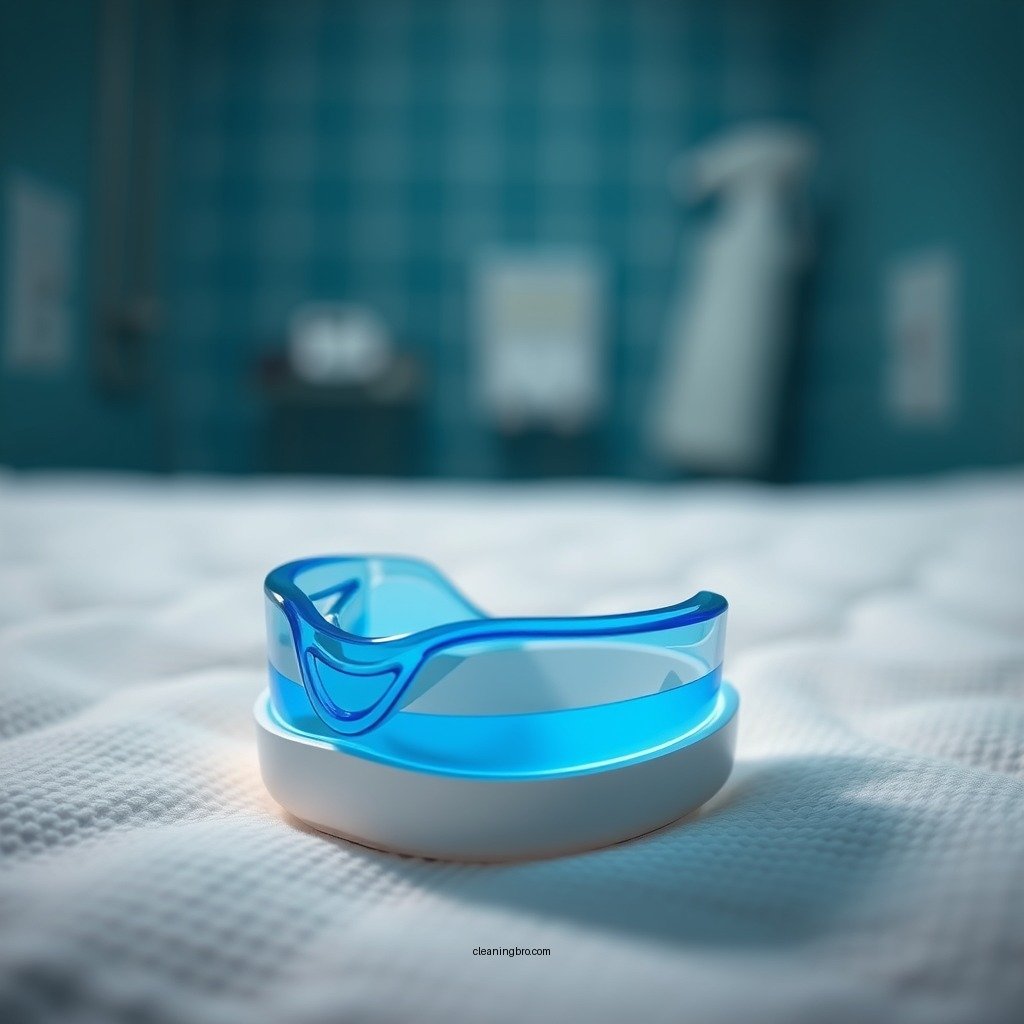
Cleaning your night guard is essential for multiple reasons. Firstly, it prevents bacteria and plaque buildup that can lead to various oral health issues, including gum disease and cavities. Night guards can harbor harmful microorganisms that thrive in a warm, moist environment, making daily cleaning imperative. Secondly, maintaining the integrity of the material is vital. Night guards are typically made from thermoplastic materials that can become discolored or degrade over time if not properly cared for. Regular cleaning not only prolongs the life of your guard but also ensures that it continues to function effectively in protecting your teeth.
Daily Cleaning Routine
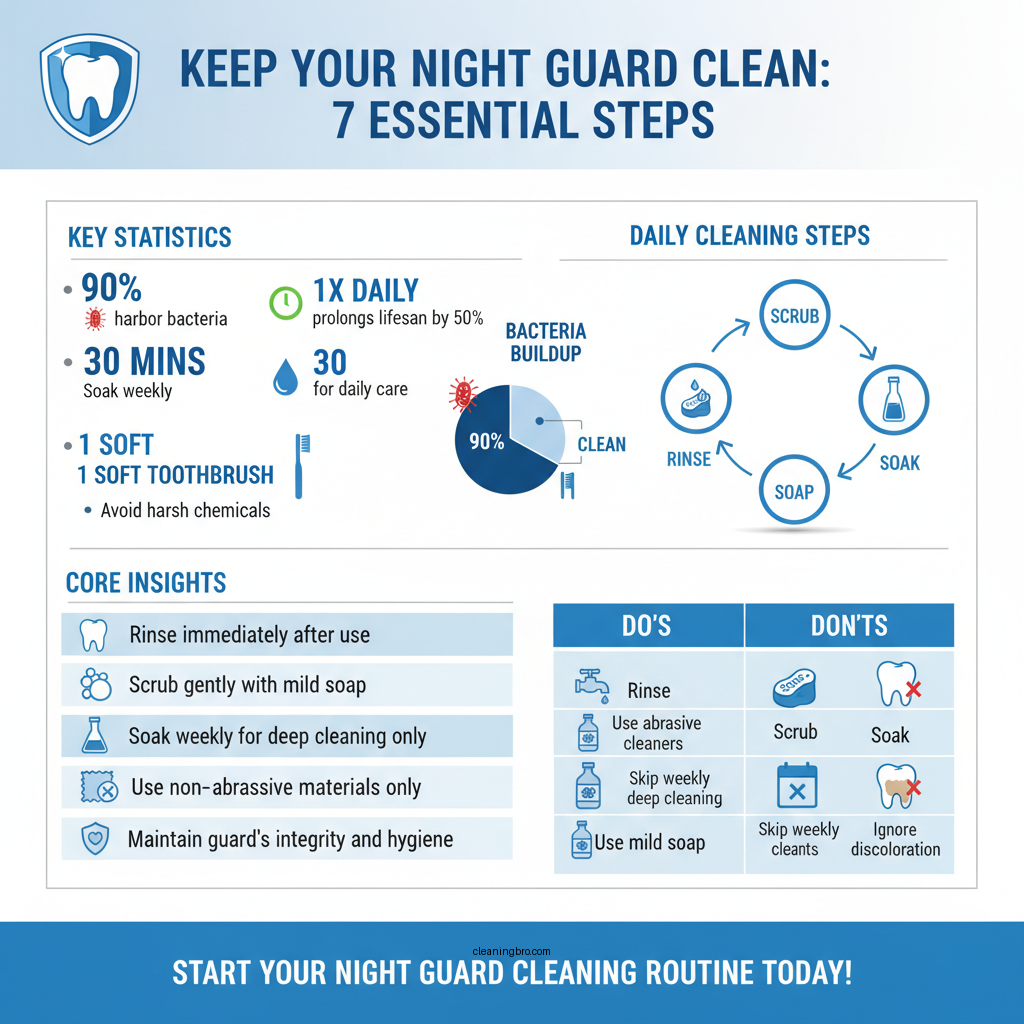
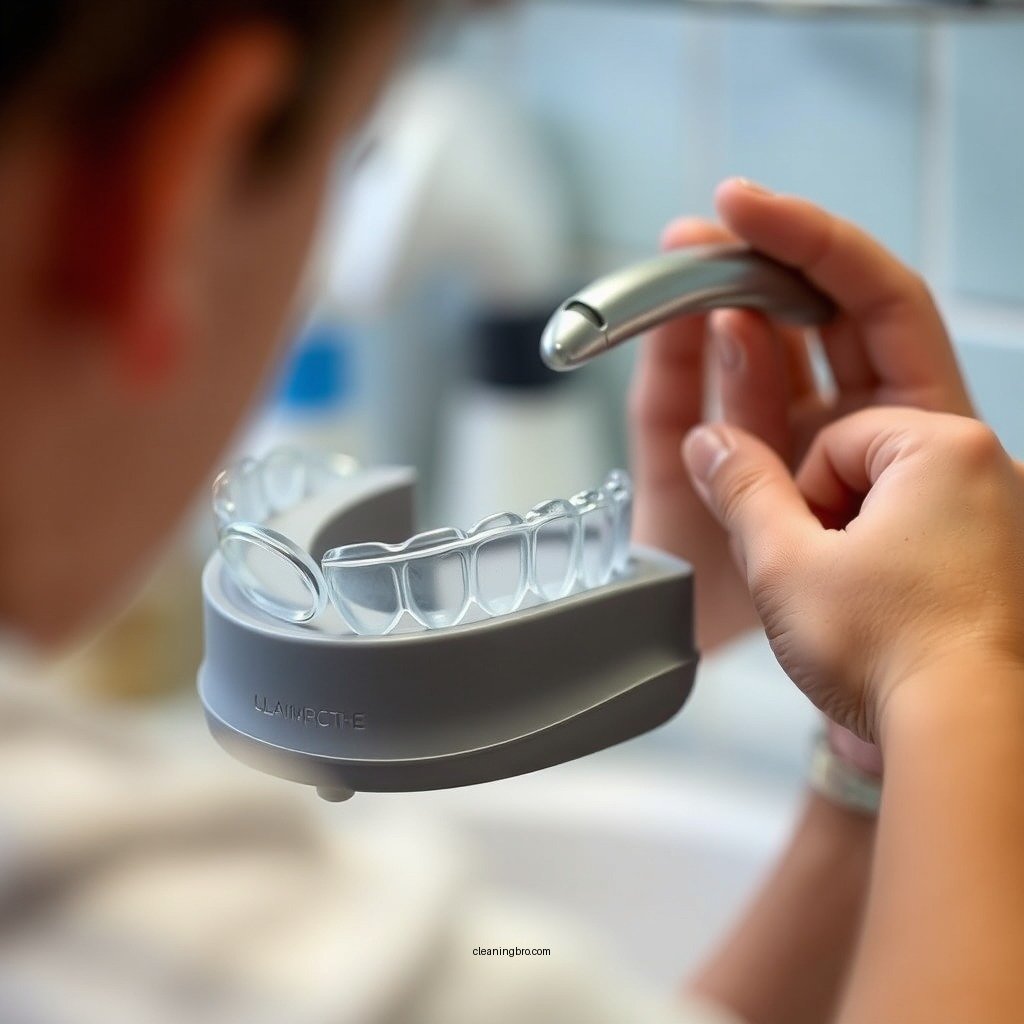
Establishing a daily cleaning routine is the first step in maintaining your night guard. After each use, rinse your night guard with warm water immediately. This initial rinse helps remove saliva and any food particles that may have accumulated during the night. Next, use a soft toothbrush to gently scrub the surface with a mild soap, avoiding any abrasive cleaners that could scratch the material. Ensure that you clean both sides of the night guard thoroughly, as bacteria can accumulate on both surfaces. It is essential to use a soap that is free of strong fragrances, dyes, or harsh chemicals to avoid any potential irritation in your mouth.
Deep Cleaning Techniques
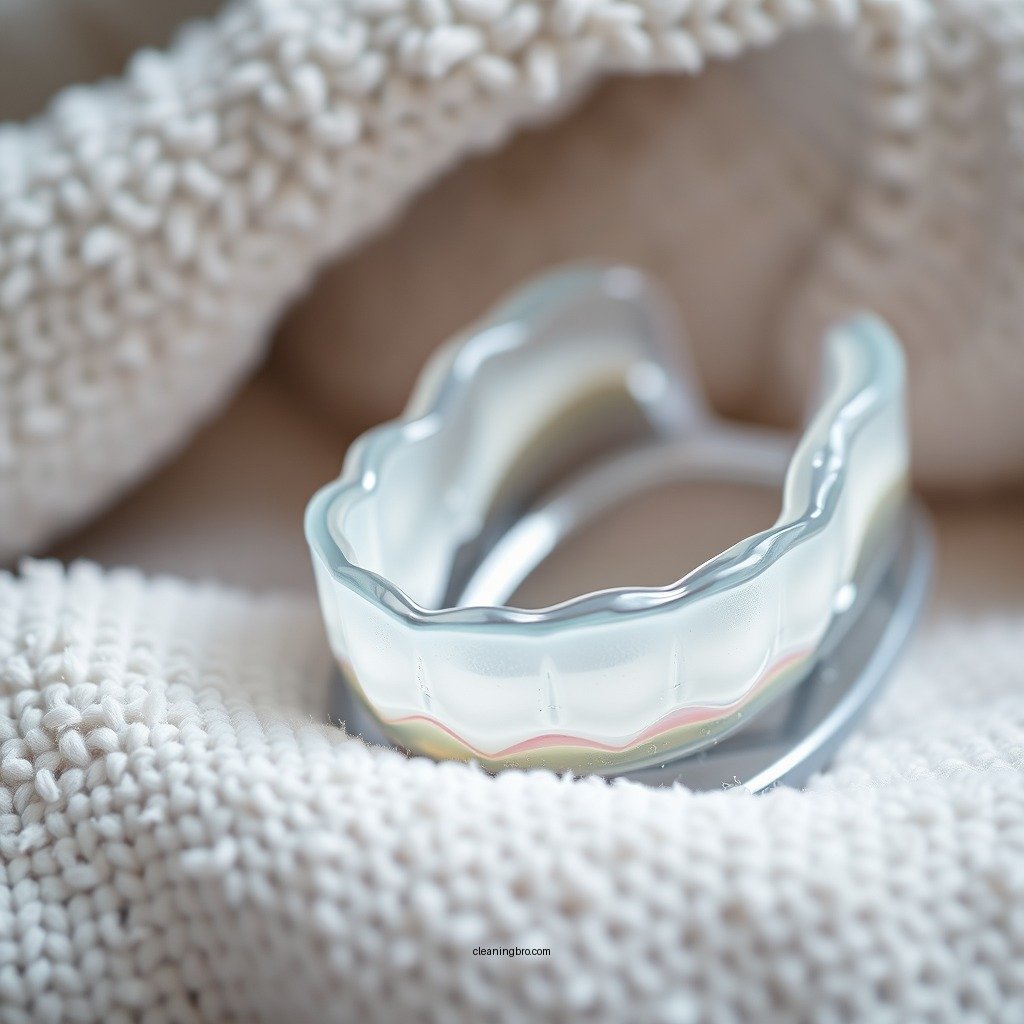
While daily cleaning is important, deep cleaning your night guard once a week is equally crucial. One effective method is to soak the night guard in a solution of equal parts vinegar and water for about 30 minutes. Vinegar is a natural disinfectant and can help eliminate bacteria and odors. Alternatively, you may opt for cleaning tablets specifically designed for dental appliances. These tablets are formulated to dissolve plaque and kill bacteria effectively. Simply follow the manufacturer’s instructions for soaking times and dilutions. After soaking, rinse the night guard thoroughly under running water to ensure all residues are removed.
Top 5 Night Guard Cleaning Methods
| # | Method | Effectiveness | Time Required |
|---|---|---|---|
| 1 | Vinegar and Water Soak | High | 30 minutes |
| 2 | Mild Soap and Toothbrush | Moderate | 5 minutes |
| 3 | Cleaning Tablets | High | 15 minutes |
| 4 | Baking Soda Paste | Moderate | 10 minutes |
| 5 | Alcohol Wipes | Low | 2 minutes |
Proper Storage Tips
Proper storage of your night guard is just as important as cleaning. Always store your night guard in a protective case to keep it safe from dust, debris, and physical damage. A case designed for dental appliances typically has ventilation holes, allowing airflow and preventing moisture buildup, which can lead to bacterial growth. Additionally, avoid leaving your night guard in direct sunlight or high temperatures, as this can warp the material, compromising its fit and effectiveness. Instead, opt for a cool, dry place to ensure your night guard remains in optimal condition.
Common Mistakes to Avoid
While cleaning and maintaining your night guard may seem straightforward, there are common mistakes that many individuals make. One significant error is the use of harsh chemicals or abrasive toothpaste, which can damage the night guard’s material, leading to deterioration over time. Additionally, avoid using boiling water to clean your night guard, as the heat can distort its shape and reduce its effectiveness. Instead, stick to lukewarm water and appropriate cleaning solutions to ensure the longevity of your night guard.
When to Replace Your Night Guard
Despite proper care, night guards do have a finite lifespan. Regularly assess your night guard for signs of wear and tear, such as cracks, thinning material, or discoloration. If you notice any changes in fit or comfort, it is advisable to consult with your dentist. They can recommend whether a replacement is necessary based on your specific usage and the condition of the night guard. Generally, night guards should be replaced every 1 to 3 years, depending on the material and the extent of wear.
Your night guard is a vital part of your oral health routine, and keeping it clean is essential for its effectiveness and longevity. By following these cleaning methods and tips, you can ensure that your night guard remains in great condition. For personalized advice, don’t hesitate to reach out to your dental care provider. Regular maintenance not only protects your investment but also contributes significantly to your overall oral health.
Frequently Asked Questions
How do you properly clean a night guard?
To properly clean a night guard, rinse it under lukewarm water to remove saliva and debris. Use a soft toothbrush and non-abrasive toothpaste or a gentle denture cleaner to scrub the surface, ensuring you reach all crevices. Rinse thoroughly before storing it in a clean, dry case to prevent bacterial growth.
What are the best products to use for cleaning night guards?
The best products for cleaning night guards include non-abrasive toothpaste, mild dish soap, and specific denture cleaning tablets. Avoid using harsh chemicals or bleach, as they can damage the material of the night guard. Regular cleaning with these products will help maintain the guard’s integrity and hygiene.
Why is it important to clean night guards regularly?
Regularly cleaning night guards is essential to prevent the buildup of bacteria, plaque, and fungi, which can lead to oral health issues such as bad breath and infections. Additionally, proper cleaning helps preserve the material and fit of the night guard, ensuring it remains effective for protecting your teeth from grinding or clenching.
How often should you clean your night guard?
You should clean your night guard daily after each use to maintain optimal hygiene and performance. In addition, consider giving it a deeper clean once a week using a denture cleaner or vinegar solution to remove any stubborn stains and buildup. This routine will help prolong the life of your night guard.
Which methods should be avoided when cleaning night guards?
Avoid using hot water, harsh chemicals, or abrasive cleaners when cleaning night guards, as these can warp or damage the material. Additionally, do not use alcohol-based mouthwashes, as they can dry out the guard and affect its fit. Instead, stick to gentle cleaning methods to ensure your night guard remains in good condition.
References
- Page Not Found – Site Help – Mayo Clinic
https://www.mayoclinic.org/healthy-lifestyle/adult-health/expert-answers/night-guards/faq-20057709 - https://www.ncbi.nlm.nih.gov/pmc/articles/PMC6325364/
https://www.ncbi.nlm.nih.gov/pmc/articles/PMC6325364/ - https://www.ncbi.nlm.nih.gov/pmc/articles/PMC4270145/
https://www.ncbi.nlm.nih.gov/pmc/articles/PMC4270145/ - Yersinia Enterocolitica – StatPearls – NCBI Bookshelf
https://www.ncbi.nlm.nih.gov/books/NBK499837/ - Oral health
https://www.who.int/news-room/fact-sheets/detail/oral-health - https://www.cdc.gov/oralhealth/conditions/index.html
https://www.cdc.gov/oralhealth/conditions/index.html - Google Scholar Google Scholar
https://scholar.google.com/scholar?q=how+to+clean+night+guards - Google Scholar Google Scholar
https://scholar.google.com/scholar?q=night+guard+maintenance - Google Scholar Google Scholar
https://scholar.google.com/scholar?q=cleaning+dental+night+guards - Google Scholar Google Scholar
https://scholar.google.com/scholar?q=how+do+you+clean+night+guards