How to Remove Clear Coat from a Car: Step-by-Step Guide
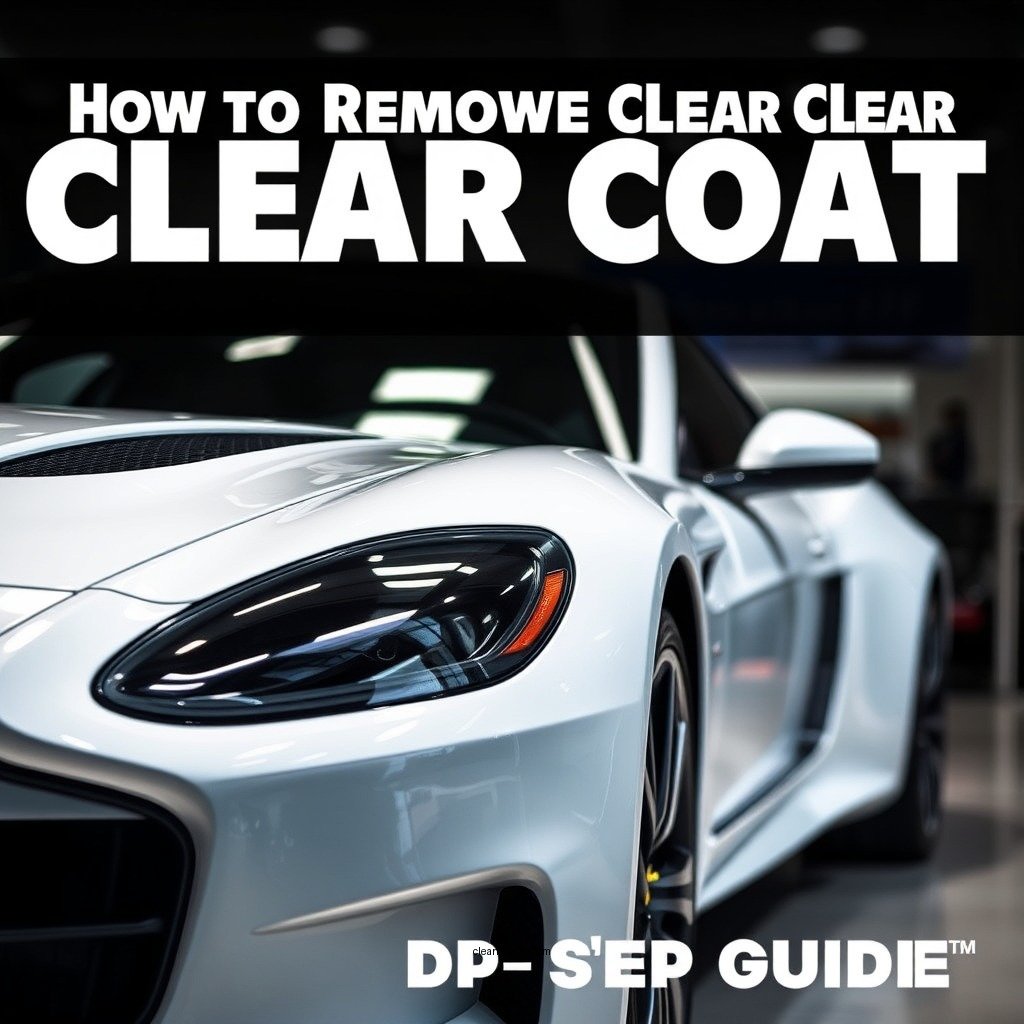
Removing clear coat from a car can be accomplished using various methods, including sanding, chemical strippers, or using a buffer. This article will guide you through the most effective techniques, ensuring you achieve a smooth finish while protecting the underlying paint. Understanding the properties of clear coat and the available removal methods is essential for maintaining the aesthetic and value of your vehicle.
Understanding Clear Coat
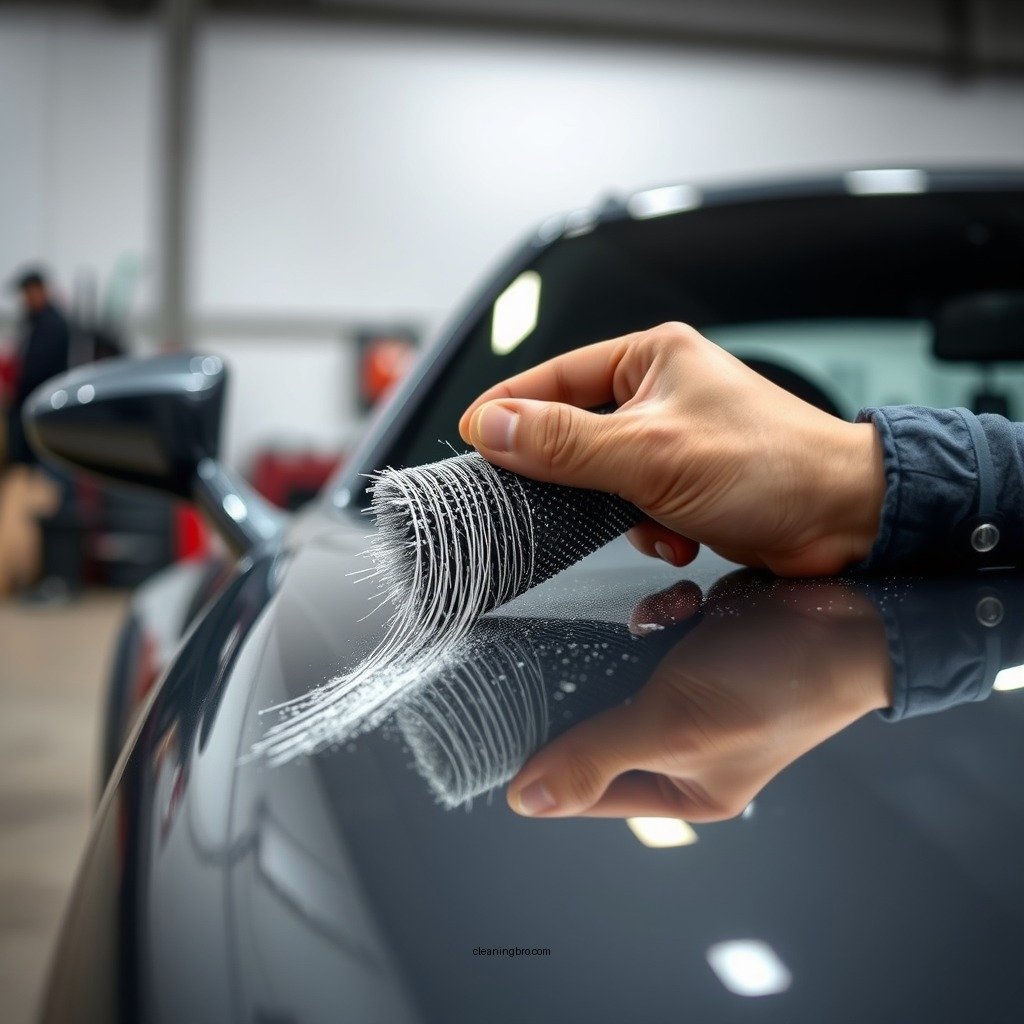
Clear coat is a vital component of automotive paint, serving as a protective layer that enhances the car’s shine and durability. Typically, clear coats are transparent layers of polyurethane or acrylic resin that safeguard the underlying paint from environmental factors such as UV rays, moisture, and scratches. Over time, clear coats can become damaged or discolored, leading to a dull appearance that may necessitate removal.
Knowing when and why you might need to remove the clear coat is crucial. Common scenarios include preparing a surface for repainting, repairing localized damage, or restoring a vehicle’s overall finish. If the clear coat is peeling, flaking, or exhibiting significant oxidation, removal may be the best course of action to restore the vehicle’s original look.
Preparing Your Workspace
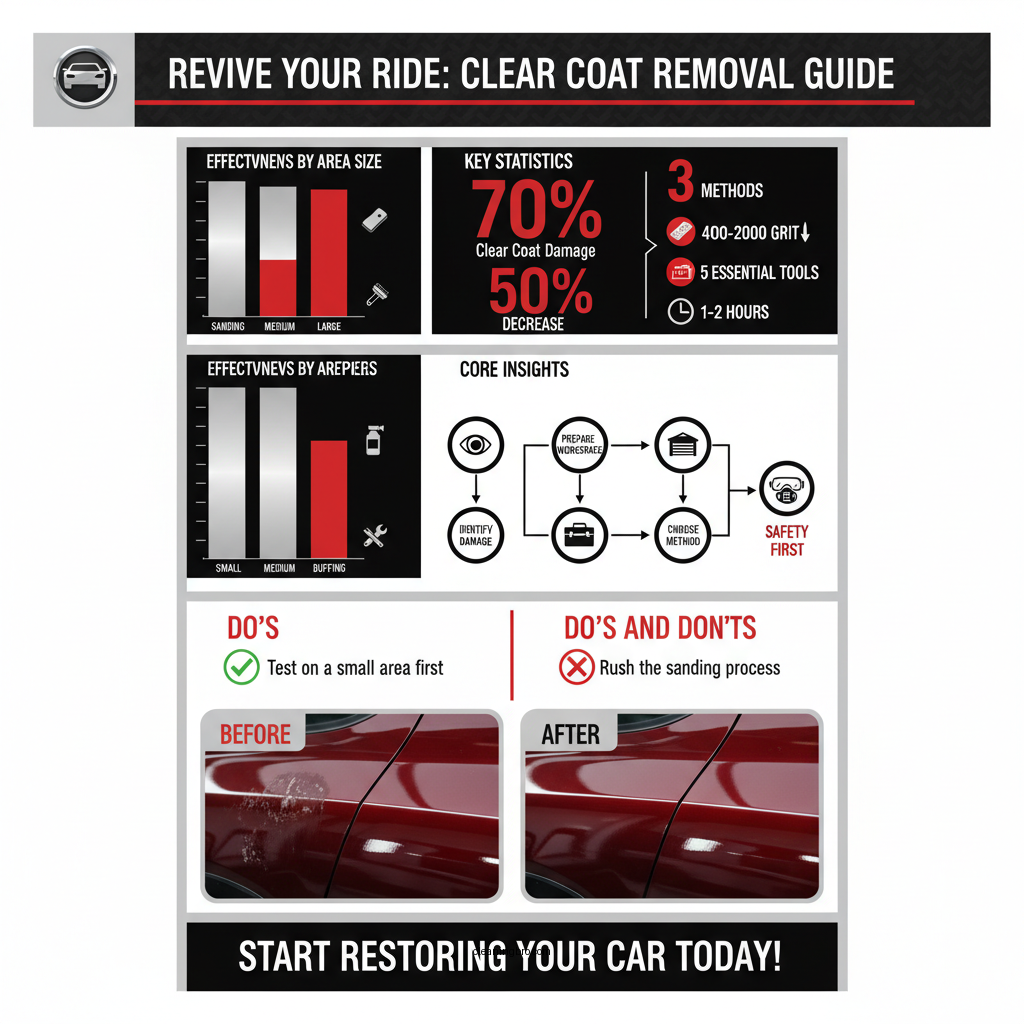
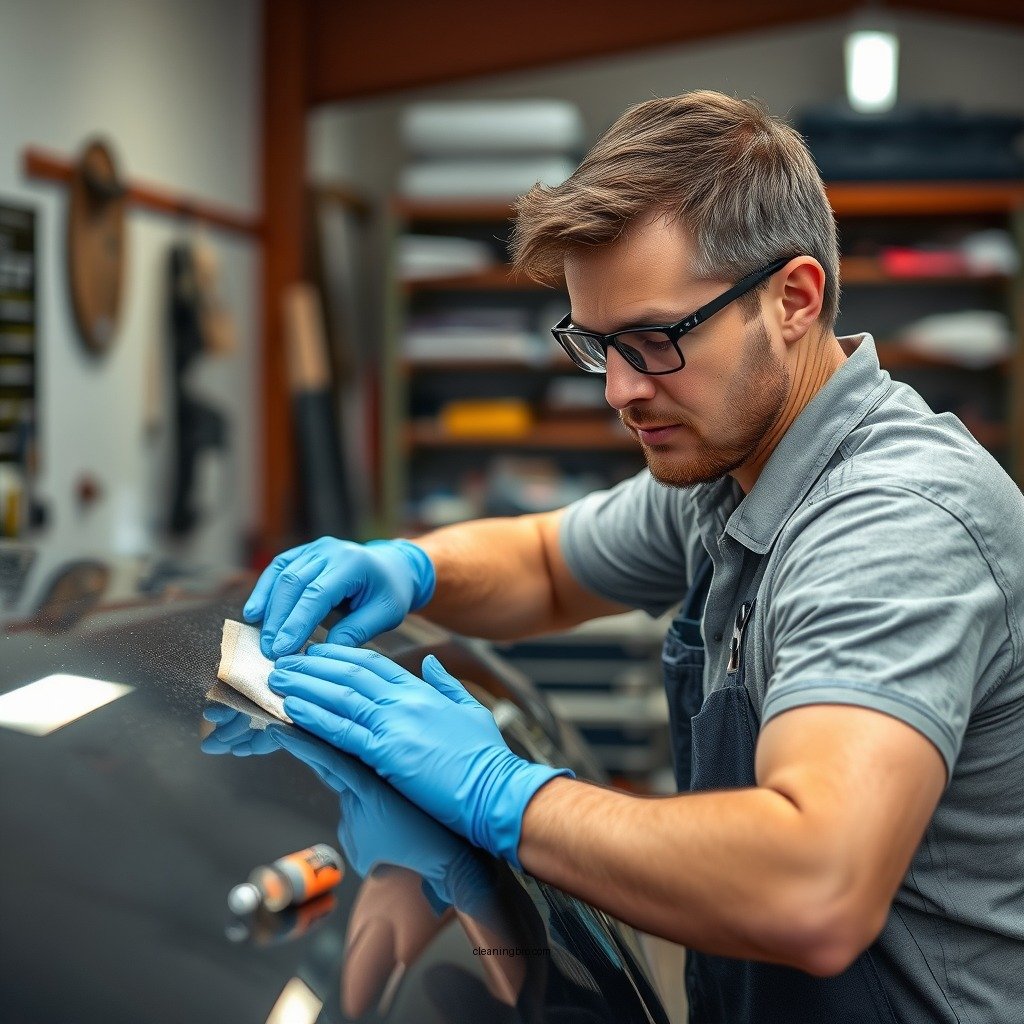
Before embarking on the clear coat removal process, it’s essential to prepare your workspace adequately. Clear a space in your garage or driveway to ensure you have ample room to work. This area should be well-ventilated to avoid inhaling fumes from any chemicals you may use.
Gather the necessary tools and materials, including:
– Sanding Supplies: Various grits of sandpaper (typically ranging from 400 to 2000 grit), a sanding block, and a spray bottle with water.
– Chemical Strippers: A suitable automotive-grade paint stripper, gloves, and a scraper.
– Buffer: A polishing buffer, polishing pads, and polishing compounds.
– Safety Gear: Gloves, safety goggles, and a mask to protect against dust and fumes.
– Masking Tape: To protect areas not being worked on.
Having everything organized will streamline the process and help prevent accidents or damage to your vehicle.
Choosing the Right Method
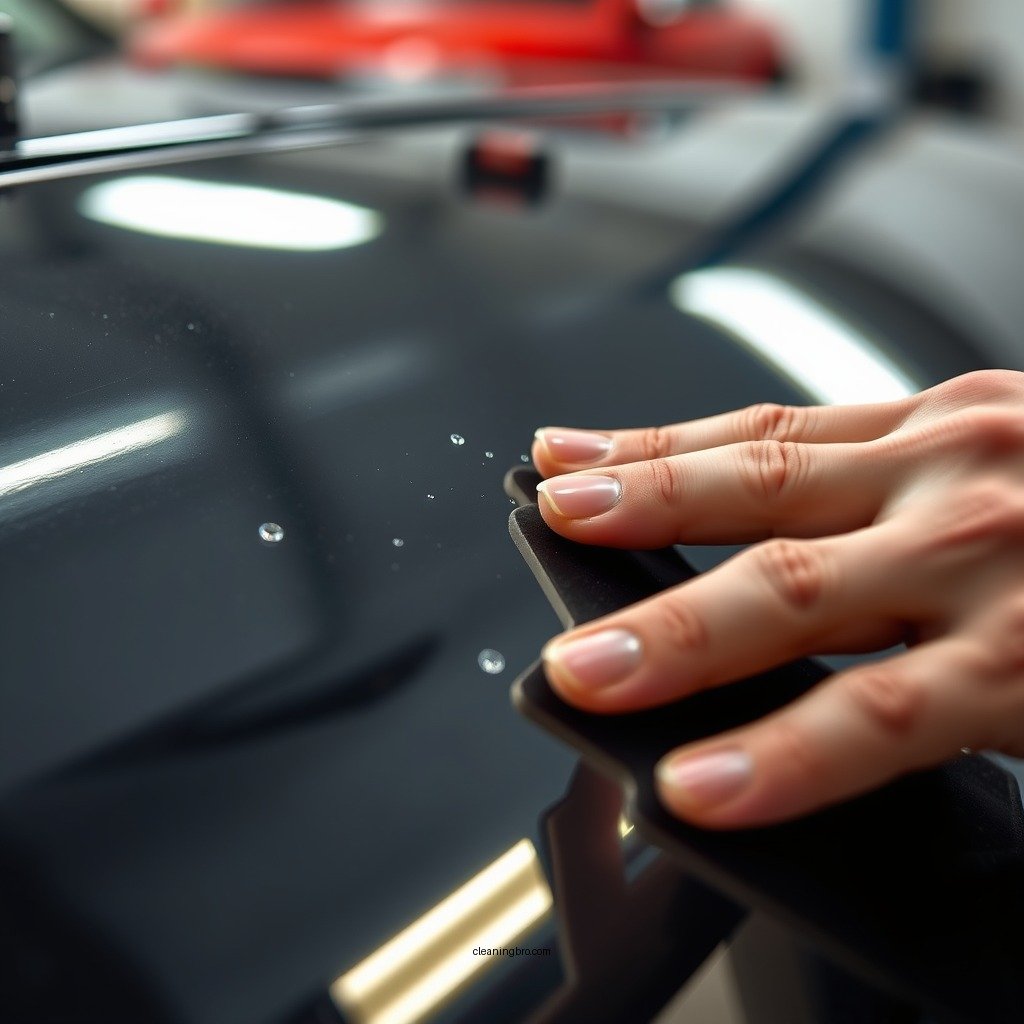
Selecting the appropriate method for clear coat removal depends on the extent of the damage and the size of the area you are working on.
– Sanding: This method is ideal for small areas where the clear coat is damaged or peeling. It allows for precise control and can be effective in restoring a smooth surface.
– Chemical Strippers: For larger surfaces, chemical strippers may be more efficient. However, they require careful handling, as they can be harsh on the underlying paint if not used correctly. Always follow the manufacturer’s instructions closely to ensure safety and effectiveness.
Comparison of Clear Coat Removal Methods
Clear Coat Removal Methods: Effectiveness Comparison
| # | Method | Area Size | Ease of Use | Time Required |
|---|---|---|---|---|
| 1 | Sanding | Small Areas | Moderate | 2-4 hours |
| 2 | Chemical Strippers | Large Areas | Difficult | 1-2 hours |
| 3 | Buffering | Post-Removal | Easy | 30 mins |
Sanding Technique
For those opting to use sanding as their method of clear coat removal, it’s essential to follow a systematic approach. Begin with coarser sandpaper, such as 400 to 600 grit, to effectively remove the damaged clear coat. After achieving the desired level of removal, gradually switch to finer grits, like 1000 to 2000, to create a smooth finish.
When sanding, always use even pressure and consistent strokes. Avoid staying in one spot for too long, as this can lead to damaging the underlying paint. It’s advisable to keep the surface wet while sanding to minimize dust and heat buildup, which can further protect the paint beneath.
Using Chemical Strippers
If you choose to use chemical strippers, start by applying the product according to the manufacturer’s instructions. Ensure you are working in a well-ventilated area and wear appropriate safety gear, including gloves and goggles. Apply the stripper generously to the clear coat and allow it to sit for the recommended time, typically around 10-20 minutes.
After the waiting period, use a plastic or wooden scraper to gently remove the softened clear coat. Be cautious not to gouge the underlying paint. Repeat the process as necessary until all clear coat is removed, then thoroughly clean the area with water to neutralize the chemicals.
Buffing for a Smooth Finish
Once the clear coat has been removed, it’s crucial to restore shine to the surface of your vehicle. Using a polishing buffer, apply a suitable polishing compound to the surface. Work in small sections to ensure even coverage and avoid missing spots.
Buff the area with a clean pad, utilizing light pressure and a circular motion. This process will help eliminate any remaining imperfections and restore the vehicle’s luster. Generally, this step can take about 30 minutes, depending on the size of the area and the condition of the paint.
Final Touches
After completing the clear coat removal and polishing, clean the area thoroughly to remove any dust, residue, or polishing compound. It’s advisable to apply a new clear coat or a high-quality wax to protect the newly exposed paint and enhance its shine.
Additionally, after removing the clear coat, assess the overall condition of your vehicle’s paint job. If further refinishing is necessary, consider consulting a professional for a flawless finish. Always prioritize safety during the removal process, and if you’re unsure at any point, it’s wise to seek professional assistance.
In summary, with the right tools, techniques, and a careful approach, you can successfully remove clear coat from your car, enhancing its appearance and longevity. Whether you opt for sanding, chemical strippers, or a combination of methods, ensure that you take your time and follow best practices to achieve the best results.
Frequently Asked Questions
What are the best methods to remove clear coat from a car?
The best methods to remove clear coat from a car include using chemical paint strippers, sandpaper, or a dual-action polisher with a cutting compound. Chemical paint strippers are effective for large areas, while sandpaper can be used for precise removal. Always start with a finer grit to minimize damage to the paint underneath.
How do you safely remove clear coat without damaging the underlying paint?
To safely remove clear coat without damaging the underlying paint, it’s crucial to use a gentle approach. Start with sanding using a finer grit sandpaper, like 2000-grit, and keep the surface wet to avoid scratches. Alternatively, using a chemical stripper specifically designed for automotive finishes can help lift the clear coat without harming the base layer.
Why would someone want to remove clear coat from their car?
Someone might want to remove clear coat from their car to address issues like peeling, discoloration, or to prepare the surface for a fresh paint job. Additionally, removing clear coat can help restore the original paint’s gloss and finish, especially if the clear coat has become oxidized or damaged over time.
Which products are recommended for removing clear coat from a car?
Recommended products for removing clear coat from a car include automotive-grade paint strippers like Citristrip or Klean-Strip, and sanding products such as wet/dry sandpaper. For those preferring mechanical methods, a dual-action polisher with a cutting compound can effectively remove clear coat while minimizing damage to the paint beneath.
What precautions should I take when removing clear coat from my car?
When removing clear coat from your car, it’s essential to wear protective gear such as gloves, safety goggles, and a mask to avoid inhaling fumes. Work in a well-ventilated area to reduce exposure to harmful chemicals, and always perform a patch test on a small, inconspicuous area first to ensure compatibility with your vehicle’s paint.
References
- Automotive paint
https://en.wikipedia.org/wiki/Clear_coat - Google Scholar Google Scholar
https://scholar.google.com/scholar?q=how+to+remove+clear+coat+from+a+car - https://www.sciencedirect.com/topics/engineering/clear-coat
https://www.sciencedirect.com/topics/engineering/clear-coat - Google Scholar Google Scholar
https://scholar.google.com/scholar?q=automotive+paint+removal - https://www.britannica.com/science/automobile-paint
https://www.britannica.com/science/automobile-paint - https://pubmed.ncbi.nlm.nih.gov/
https://pubmed.ncbi.nlm.nih.gov/ - https://www.nature.com/articles/
https://www.nature.com/articles/ - The page you were looking for has moved.
https://www.cdc.gov/niosh/topics/chemical.html - https://www.theguardian.com/environment/2020/oct/10/what-is-a-clear-coat-and-how-does-it-work
https://www.theguardian.com/environment/2020/oct/10/what-is-a-clear-coat-and-how-does-it-work - https://www.nytimes.com/2021/06/15/automobiles/clear-coat-paint-removal.html
https://www.nytimes.com/2021/06/15/automobiles/clear-coat-paint-removal.html