How Often to Clean AC Coils: A Comprehensive Guide
Cleaning your AC coils is essential for maintaining optimal efficiency and prolonging the lifespan of your air conditioning unit. Generally, you should clean your AC coils at least once a year, but factors such as location, usage, and environmental conditions can necessitate more frequent cleaning. In this article, you’ll learn how often to clean AC coils, the signs that indicate cleaning is needed, and the best practices for keeping your system in top shape.
Understanding AC Coils and Their Importance
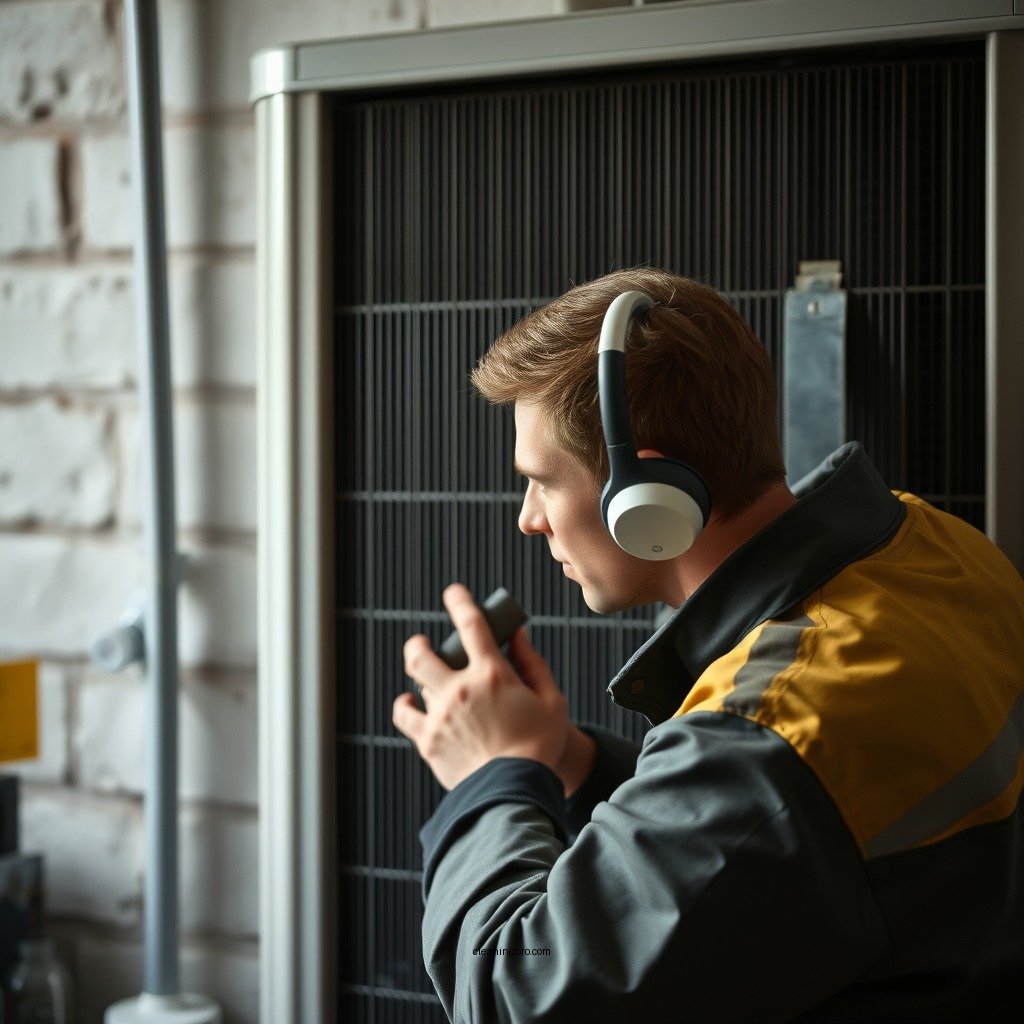
AC coils, which include both evaporator and condenser coils, play a crucial role in the heat exchange process that cools your indoor environment. The evaporator coils absorb heat from the indoor air, while the condenser coils release that heat outside. This heat exchange is fundamental to the cooling efficiency of your air conditioning system.
When AC coils become dirty, they lose their ability to effectively transfer heat. This results in reduced airflow and can significantly increase energy consumption, leading to higher utility bills. In fact, dirty coils can reduce system efficiency by up to 30%, which not only hampers performance but also shortens the lifespan of the unit. Therefore, understanding the importance of cleaning AC coils is vital for homeowners seeking to maintain a comfortable and cost-effective living environment.
Recommended Cleaning Frequency
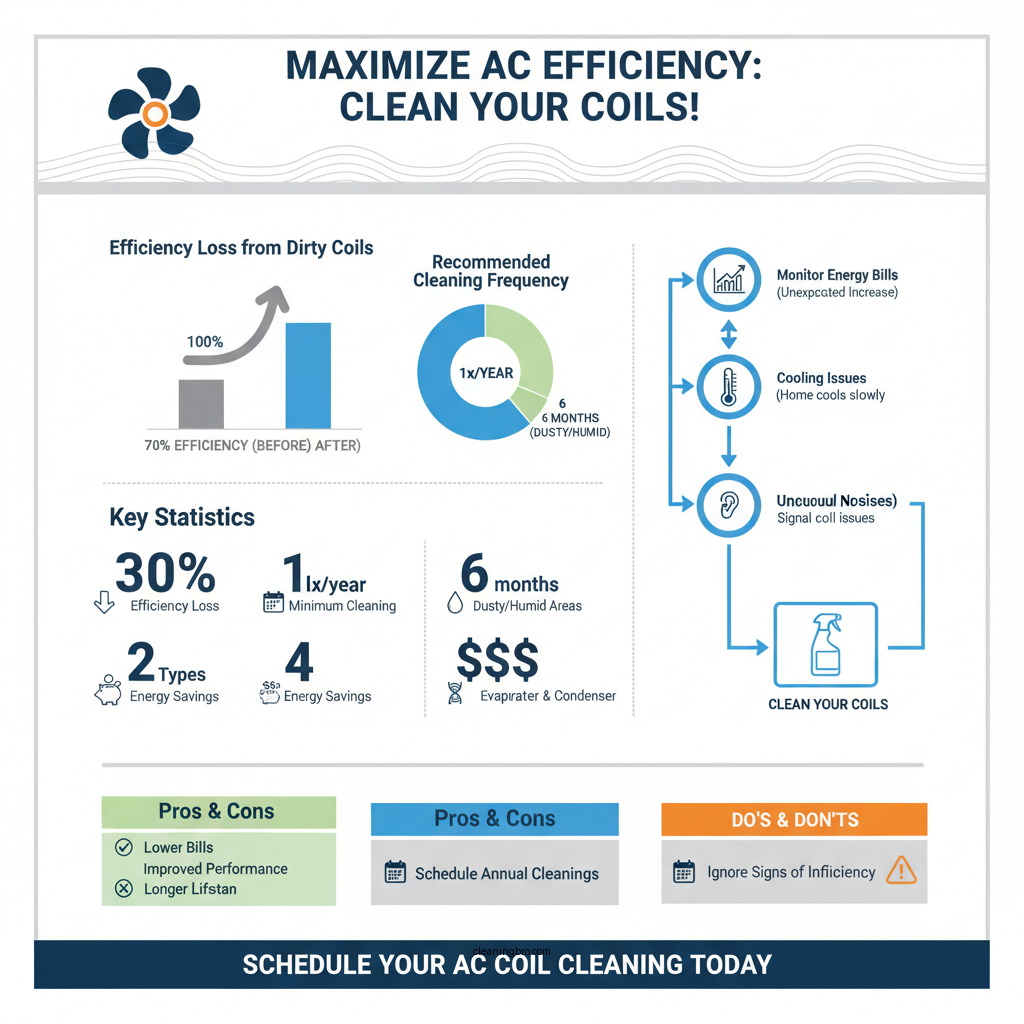
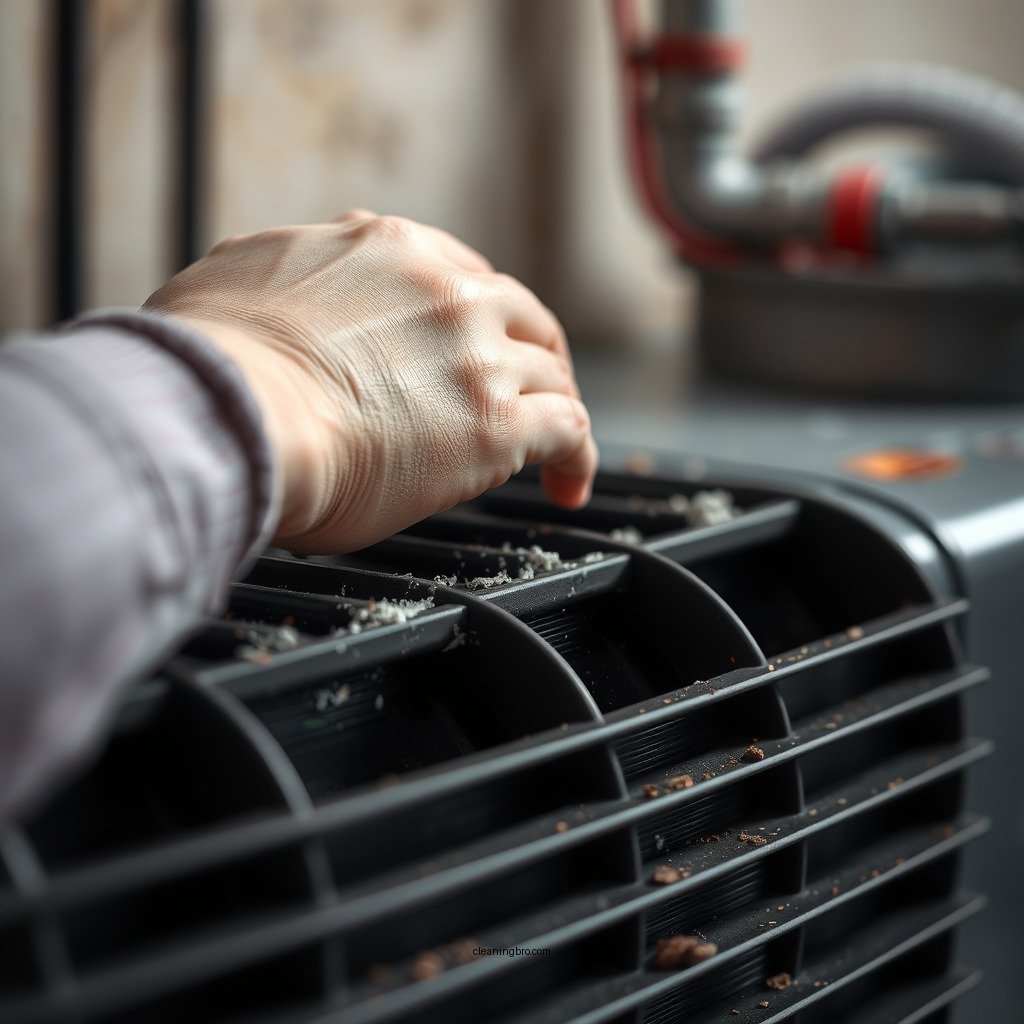
For residential units, the general recommendation is to clean the AC coils at least once a year, ideally before the cooling season begins. This preemptive measure helps ensure that your system operates at peak performance when it is most needed. However, certain conditions may require more frequent cleaning.
For instance, if you live in a particularly dusty area or in a climate with high humidity, cleaning your AC coils every six months may be necessary. Additionally, homes with pets or those that have significant vegetation nearby may also benefit from more frequent maintenance, as these factors can contribute to a faster buildup of dust and debris on the coils.
Signs Your AC Coils Need Cleaning
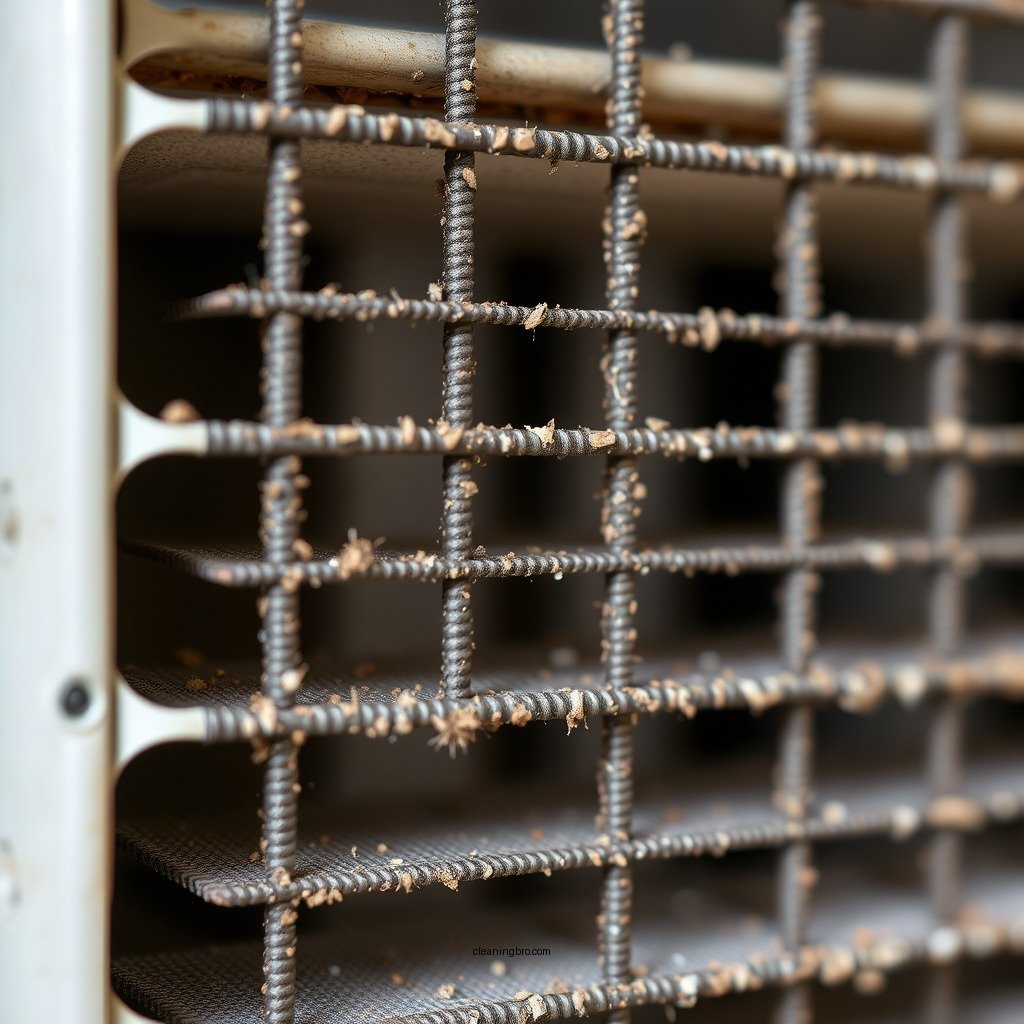
Monitoring the performance of your air conditioning unit can help you determine when cleaning is necessary. Here are some key signs to look out for:
– Increased Energy Bills: If your energy expenses spike without any changes to your usage patterns, this could indicate that your AC system is working harder due to dirty coils.
– Reduced Cooling Efficiency: If you notice that your home is not cooling down as efficiently or takes longer to reach the desired temperature, it may be time to clean the coils.
– Frost Build-up: Ice formation on the evaporator coils can signal poor airflow, often due to dirt blocking heat exchange.
– Unusual Noises: If your AC unit starts making strange sounds, it could be struggling to operate efficiently because of dirty coils or other issues.
Regularly checking for these signs can help you maintain your AC system’s efficiency and prolong its lifespan.
Top Reasons to Clean AC Coils (2024)
| # | Reason | Impact on Efficiency | Cost of Cleaning |
|---|---|---|---|
| 1 | Improved Airflow | +25% | $75-$150 |
| 2 | Lower Energy Bills | -30% | $75-$150 |
| 3 | Extended Lifespan | +20% | $75-$150 |
| 4 | Better Air Quality | High | $75-$150 |
| 5 | Reduced Breakdown Risk | Medium | $75-$150 |
| 6 | Consistent Temperatures | High | $75-$150 |
| 7 | Less Frequent Repairs | High | $75-$150 |
DIY Cleaning vs. Professional Services
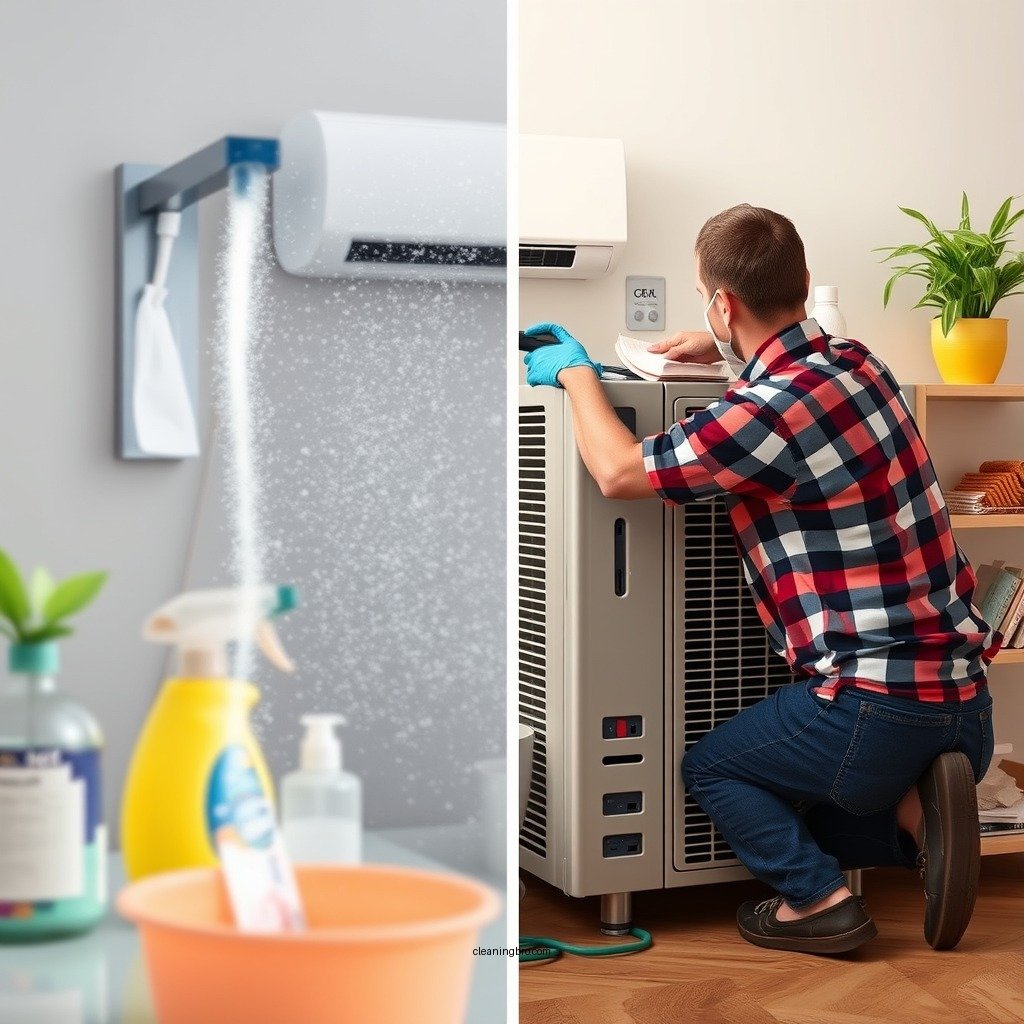
When it comes to cleaning AC coils, you have two primary options: DIY cleaning or hiring a professional service. For straightforward tasks, like removing visible dust and debris from the coils, many homeowners can handle it themselves. Regular maintenance, such as vacuuming dirt and clearing away obstructions, can be performed with basic household tools like a soft brush and a vacuum cleaner.
However, for more thorough cleaning, especially if the coils have not been serviced for an extended period, hiring a professional is advisable. Professionals have access to specialized equipment and cleaning solutions that can effectively remove stubborn grime and debris, ensuring that the coils are cleaned without damage. Additionally, a professional service can provide a comprehensive inspection of your HVAC system, identifying potential issues before they escalate.
Tools and Techniques for Cleaning AC Coils
To clean AC coils effectively, it is essential to use the right tools and techniques. Here are some recommendations:
– Soft Brush: A soft-bristled brush can help dislodge dust without damaging the coils.
– Vacuum Cleaner: A vacuum with a brush attachment can remove accumulated dust and debris from the exterior of the coils.
– Coil Cleaner: For more stubborn dirt, a specialized coil cleaner can be applied. These products are designed to break down grime without harming the coils.
– Garden Hose: For condenser coils located outdoors, a gentle spray from a garden hose can help wash away dirt. Ensure that the power to the unit is turned off before using water.
Always take safety precautions when cleaning AC coils, including wearing gloves and goggles, and ensure that the unit is powered off to avoid accidents.
Maintaining Clean Coils Year-Round
To keep your AC coils clean throughout the year, consider implementing the following maintenance practices:
– Regularly Check and Replace Air Filters: Dirty filters can contribute to coil contamination, so changing them every one to three months is crucial.
– Clear the Area Around the Outdoor Unit: Ensure that there is adequate space around your outdoor unit, free from vegetation and debris that can block airflow.
– Visual Inspections: Occasionally check the coils for dirt or frost buildup and address any issues promptly.
– Seasonal Maintenance: Schedule a professional inspection and cleaning at the beginning of the cooling season to prepare your system for optimal performance.
By adopting these maintenance habits, you can significantly reduce the frequency of deep cleaning required for your AC coils.
DIY vs Professional AC Coil Cleaning
| Feature | ⭐ Professional Cleaning | DIY Cleaning |
|---|---|---|
| Cost | $75-$150 | $20-$50 |
| Time Required | 1 hour | 30-45 minutes |
| Quality of Clean | ✅ Thorough | ❌ Moderate |
| Equipment Used | Specialized tools | Basic tools |
| Risk of Damage | ❌ Low | ✅ Moderate |
| Convenience | ✅ Easy | ❌ Requires effort |
| Expertise Required | Yes | No |
| Frequency of Cleaning | 1-2 times/year | Every 3-6 months |
| Potential for Warranty Issues | Low | High |
| 🏆 Best For | Thorough cleaning and inspection | Budget-friendly maintenance |
Additional Tips for Optimal AC Performance
To ensure your air conditioning system operates at its best, consider the following additional tips:
– Schedule Annual Maintenance Checks: Hiring a professional technician for an annual inspection can help identify and fix issues before they become major problems.
– Consider a Coil Cleaning System: Some systems come equipped with self-cleaning features that periodically clean the coils, reducing the need for manual cleaning.
– Use a Protective Coating: Certain products can be applied to coils to help repel dirt and contaminants, making future cleaning easier.
By following these tips and maintaining regular cleaning schedules, you can optimize your air conditioning system’s performance and efficiency.
Keeping your AC coils clean is key to efficient performance and energy savings. By understanding the recommended cleaning frequency and recognizing the signs that indicate a need for cleaning, you can ensure your air conditioning system runs smoothly. Regular maintenance and cleaning will not only enhance your unit’s efficiency but also extend its lifespan. Take action today by scheduling a cleaning or inspecting your AC coils!
Frequently Asked Questions
How often should I clean my AC coils?
It is recommended to clean your AC coils at least once a year for optimal performance. However, if you live in a dusty environment or have pets, you may need to clean them more frequently, ideally every 6 months. Regular maintenance helps improve energy efficiency and prolongs the lifespan of your air conditioning system.
What are the signs that my AC coils need cleaning?
Signs that your AC coils need cleaning include reduced airflow, increased energy bills, and the presence of ice on the coils. Additionally, if your home feels humid or if the system frequently cycles on and off, it may indicate that dirty coils are hindering performance. Addressing these issues promptly can prevent further damage and costly repairs.
Why is it important to clean AC coils regularly?
Regularly cleaning AC coils is crucial because it improves the system’s efficiency and helps maintain consistent cooling performance. Dirty coils can lead to higher energy consumption, resulting in elevated utility bills. Moreover, neglecting coil maintenance can cause the unit to overheat and potentially lead to costly breakdowns.
What is the best way to clean AC coils?
The best way to clean AC coils involves turning off the power to the unit, then gently removing any debris and dirt using a soft brush or vacuum. For more thorough cleaning, you can use a coil cleaner that is specifically designed for AC units, following the manufacturer’s instructions. Always ensure to rinse the coils with water afterward, and allow them to dry completely before re-energizing the unit.
Which tools do I need to clean my AC coils effectively?
To clean your AC coils effectively, you will need a soft brush, a vacuum with a brush attachment, a garden hose, and optionally, a commercially available coil cleaner. Safety goggles and gloves are also recommended to protect yourself during the cleaning process. Having these tools on hand will make the coil cleaning process smoother and more efficient.
References
- https://www.epa.gov/indoor-air-quality-iaq/cleaning-and-maintaining-your-air-conditioner
https://www.epa.gov/indoor-air-quality-iaq/cleaning-and-maintaining-your-air-conditioner - Air Conditioner Maintenance | Department of Energy
https://www.energy.gov/energysaver/maintaining-your-air-conditioner - https://www.cdc.gov/niosh/topics/indoorenv/air.html
https://www.cdc.gov/niosh/topics/indoorenv/air.html - https://www.nytimes.com/2021/06/02/realestate/air-conditioning-systems.html
https://www.nytimes.com/2021/06/02/realestate/air-conditioning-systems.html - https://www.mayoclinic.org/healthy-lifestyle/consumer-health/in-depth/air-conditioning/art-20044445
https://www.mayoclinic.org/healthy-lifestyle/consumer-health/in-depth/air-conditioning/art-20044445 - Google Scholar Google Scholar
https://scholar.google.com/scholar?q=how+often+clean+ac+coils - Google Scholar Google Scholar
https://scholar.google.com/scholar?q=air+conditioning+maintenance+best+practices - Google Scholar Google Scholar
https://scholar.google.com/scholar?q=cleaning+air+conditioner+coils+frequency - how often clean ac coils – Search results
https://en.wikipedia.org/wiki/Special:Search?search=how+often+clean+ac+coils - https://www.ncbi.nlm.nih.gov/search/research-articles/?term=how+often+clean+ac+coils
https://www.ncbi.nlm.nih.gov/search/research-articles/?term=how+often+clean+ac+coils