How Often Should I Clean My Retainer for Optimal Care
Cleaning your retainer daily is crucial for maintaining oral hygiene, preventing bacteria build-up, and ensuring your retainer remains in good condition. A consistent cleaning regimen not only helps keep your retainer fresh but also significantly contributes to your overall dental health. In this article, you’ll learn about the frequency, methods, and best practices for cleaning your retainer effectively.
Importance of Regular Cleaning

Regular cleaning of your retainer is vital for several health-related reasons. First and foremost, it prevents plaque and bacteria accumulation. Retainers can harbor harmful bacteria, which, if not addressed, could lead to gum disease, cavities, and other oral infections. When bacteria multiply, they can form a biofilm, making it more challenging to remove them during cleaning.
Additionally, maintaining a clean retainer is crucial for reducing the risk of bad breath. Bacteria can produce foul-smelling compounds, leading to unpleasant odors that can affect your self-confidence and social interactions. By prioritizing daily cleaning, you can ensure that your retainer remains hygienic and free from unpleasant smells.
Daily Cleaning Routine
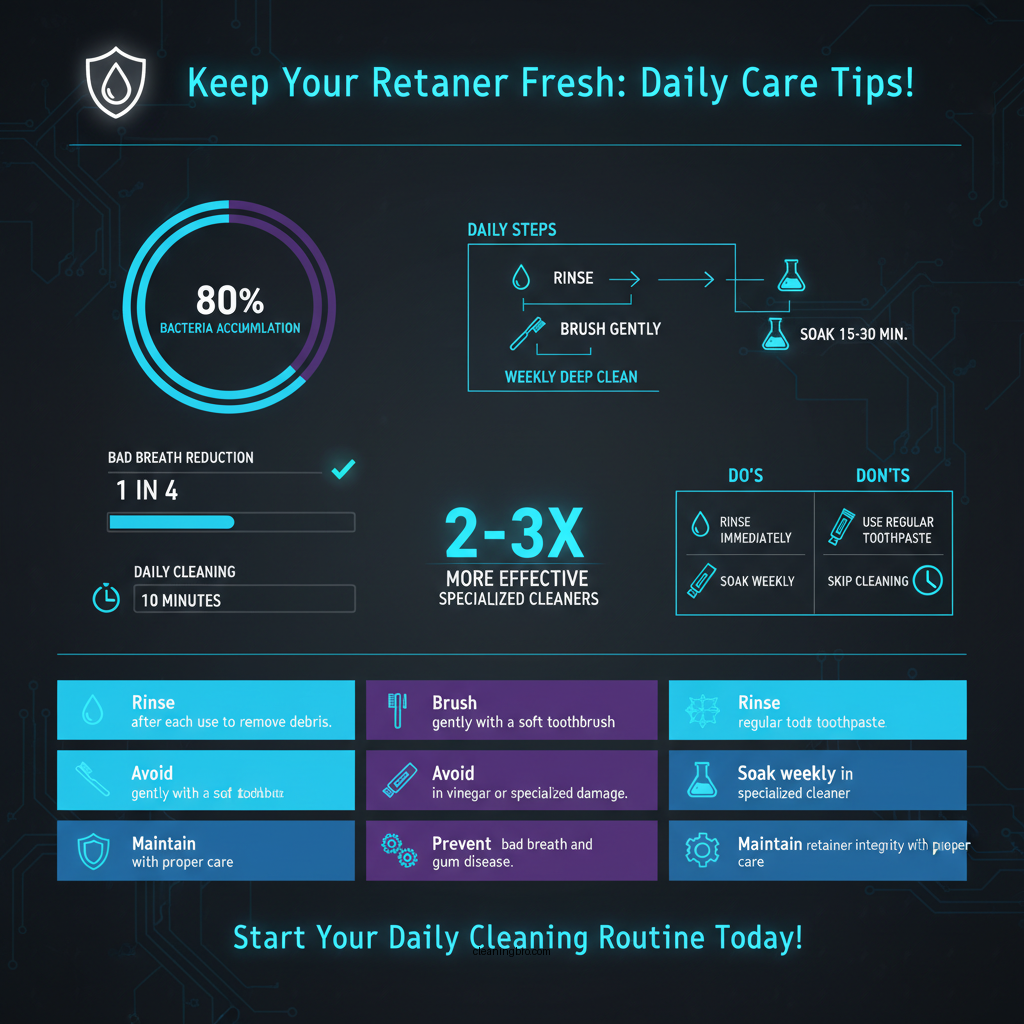

The daily maintenance of your retainer can be straightforward and effective with a few simple steps. Start by rinsing your retainer with lukewarm water immediately after each use. This step helps remove food particles and saliva, preventing them from hardening and forming stubborn deposits.
Next, use a soft toothbrush to gently scrub your retainer without causing any damage. It is important to avoid using regular toothpaste, which can be abrasive and wear down the surface of the retainer over time. Instead, opt for a non-abrasive cleaner designed specifically for dental appliances. This approach will help maintain the integrity of your retainer and ensure it continues to fit properly.
Weekly Deep Cleaning
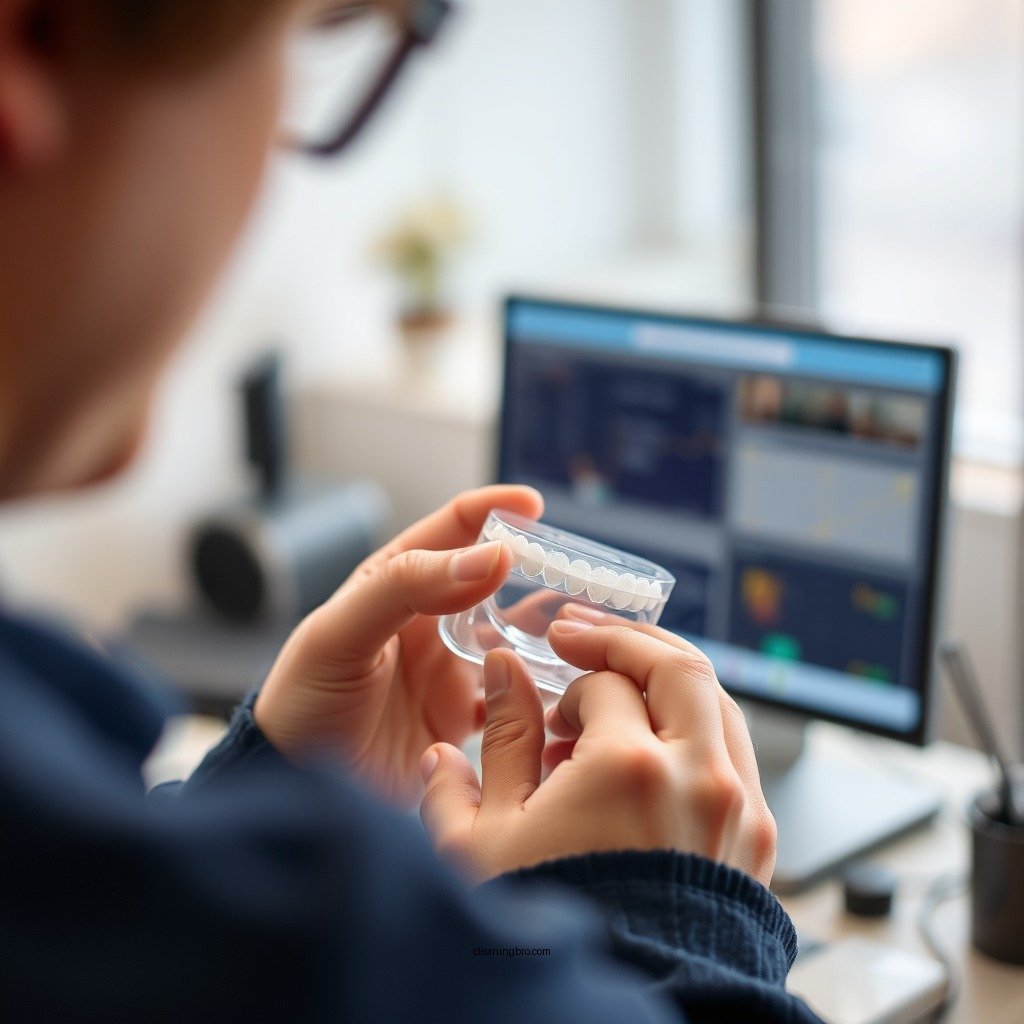
In addition to your daily cleaning routine, it’s advisable to perform a more thorough cleaning once a week. Soaking your retainer in a solution of equal parts water and vinegar can be an effective method. Allow your retainer to soak for about 15-30 minutes, which will help eliminate any lingering bacteria and mineral deposits.
Alternatively, you may choose to use a specialized retainer cleaner or denture cleaner weekly. These products are designed to remove tough stains and disinfect your retainer effectively. Always follow the manufacturer’s instructions for the best results, and ensure that the product is safe for your specific retainer type.
Top 7 Retainer Cleaning Methods (2023)
| # | Cleaning Method | Effectiveness | Frequency | Cost |
|---|---|---|---|---|
| 1 | Lukewarm Water Rinse | Moderate | Daily | Free |
| 2 | Vinegar Soak | High | Weekly | $0.50 |
| 3 | Denture Cleaner | Very High | Weekly | $10.00 |
| 4 | Baking Soda Paste | High | Weekly | $0.15 |
| 5 | Mouthwash Soak | Moderate | Weekly | $5.00 |
| 6 | Ultrasonic Cleaner | Very High | Monthly | $50.00 |
| 7 | Hydrogen Peroxide Rinse | High | Weekly | $0.75 |
Signs Your Retainer Needs More Attention
Despite regular cleaning, there are times when your retainer may need additional care. Be on the lookout for noticeable discoloration or stains, which can indicate build-up that requires more thorough cleaning. If you observe a yellow or cloudy appearance, it may be time to implement a deep cleaning routine or consult your dentist.
Another warning sign is unpleasant odors emanating from the retainer. If you notice any foul smells, it is crucial to address them immediately, as they often signal bacterial growth. Ignoring these signs can lead to more severe oral health issues, so it is important to respond swiftly to any changes in your retainer’s condition.
Tips for Maintaining Retainer Hygiene
To maintain optimal retainer hygiene, consider these essential tips. Firstly, avoid using toothpaste, which can be abrasive and lead to scratches on your retainer. Instead, opt for specific cleaning solutions designed for dental appliances.
Additionally, always store your retainer in a protective case when not in use. This practice prevents damage and keeps your retainer safe from bacteria and contaminants. Regularly clean the storage case itself to ensure it remains hygienic.
Lastly, consider setting a reminder for your weekly deep cleaning sessions. This will help you stay consistent and ensure that your retainer remains in excellent condition.
Top 3 Retainer Cleaning Products Comparison
| Feature | ⭐ Retainer Brite | Efferdent | Nite White |
|---|---|---|---|
| Type | Tablet | Tablet | Gel |
| Cleaning Time | 15-30 mins | 15-30 mins | 15-20 mins |
| Disinfecting | ✅ | ✅ | ✅ |
| Stain Removal | ✅ | ✅ | ✅ |
| Flavor Options | Mint | Fresh Mint | Mint |
| Price per Unit | $6.99 | $7.99 | $8.99 |
| Availability | Online / Pharmacy | Online / Pharmacy | Online |
| User Rating | ★★★★☆ | ★★★★☆ | ★★★☆☆ |
| 🏆 Best For | Daily Users | Heavy Stain Removal | Sensitive Users |
When to Consult a Dentist
While maintaining a cleaning routine can significantly extend the life of your retainer, there are instances when you should consult your dentist. If you notice any discomfort or unusual wear on the retainer, it may be time to seek professional advice. Your dentist can assess any fit issues and recommend appropriate cleaning products or methods tailored to your retainer type.
Additionally, if you’re ever unsure about the best cleaning methods for your specific retainer, consulting a dental professional is always a wise choice. They can provide insights into the most effective and safe cleaning solutions suited for your needs.
Maintaining a clean retainer is essential for both your dental health and the longevity of the device. By following these cleaning routines and tips, you can ensure that your retainer stays fresh and effective. Make a habit of cleaning your retainer daily and consider scheduling regular dental check-ups to monitor its condition. Prioritizing hygiene will not only enhance your oral health but also contribute to a more confident smile.
Frequently Asked Questions
How often should I clean my retainer?
You should clean your retainer at least once a day to prevent the buildup of bacteria and plaque. Use a soft toothbrush and mild soap or a retainer cleaning solution to gently scrub the surface. Regular cleaning helps maintain oral hygiene and prolongs the life of your retainer.
What is the best way to clean a retainer?
The best way to clean a retainer involves using a soft toothbrush with a non-abrasive soap or a specialized retainer cleaner. Rinse it thoroughly under lukewarm water after cleaning, avoiding hot water which can warp the retainer. For deeper cleaning, soak it in a denture cleaner or a mixture of vinegar and water once a week.
Why is it important to clean my retainer regularly?
Regular cleaning of your retainer is crucial for preventing the growth of harmful bacteria and keeping your mouth healthy. A dirty retainer can lead to bad breath, gum disease, and cavities. Additionally, maintaining cleanliness helps ensure that your retainer fits properly and functions effectively.
How should I store my retainer when not in use?
When not in use, store your retainer in a protective case to keep it safe and clean. Ensure the case is also clean, and avoid leaving the retainer exposed to air, which can lead to contamination. Also, remember to keep it away from extreme temperatures, as heat can distort its shape.
Which cleaning products are safe for my retainer?
Safe cleaning products for your retainer include non-abrasive soap, specialized retainer cleaners, and denture cleaning tablets. Always avoid harsh chemicals, bleach, or toothpaste with whitening agents, as these can damage the retainer material. Choosing gentle, effective cleaning solutions will help maintain your retainer’s integrity and cleanliness.
References
- https://www.mayoclinic.org/healthy-lifestyle/adult-health/in-depth/braces-and-retainers/art-20046001
https://www.mayoclinic.org/healthy-lifestyle/adult-health/in-depth/braces-and-retainers/art-20046001 - https://www.ncbi.nlm.nih.gov/pmc/articles/PMC5467755/
https://www.ncbi.nlm.nih.gov/pmc/articles/PMC5467755/ - https://www.cdc.gov/oralhealth/conditions/orthodontics.html
https://www.cdc.gov/oralhealth/conditions/orthodontics.html - Oral health
https://www.who.int/news-room/fact-sheets/detail/oral-health - Orthodontics | Definition & Practice | Britannica
https://www.britannica.com/science/orthodontics - https://www.nature.com/articles/nature18917
https://www.nature.com/articles/nature18917 - Google Scholar Google Scholar
https://scholar.google.com/scholar?q=how+often+should+i+clean+my+retainer - Google Scholar Google Scholar
https://scholar.google.com/scholar?q=retainer+cleaning+frequency - Google Scholar Google Scholar
https://scholar.google.com/scholar?q=oral+hygiene+and+retainers - how often should i clean my retainer – Search results
https://en.wikipedia.org/wiki/Special:Search?search=how+often+should+i+clean+my+retainer