How Often to Clean Your Glock: Essential Guidelines
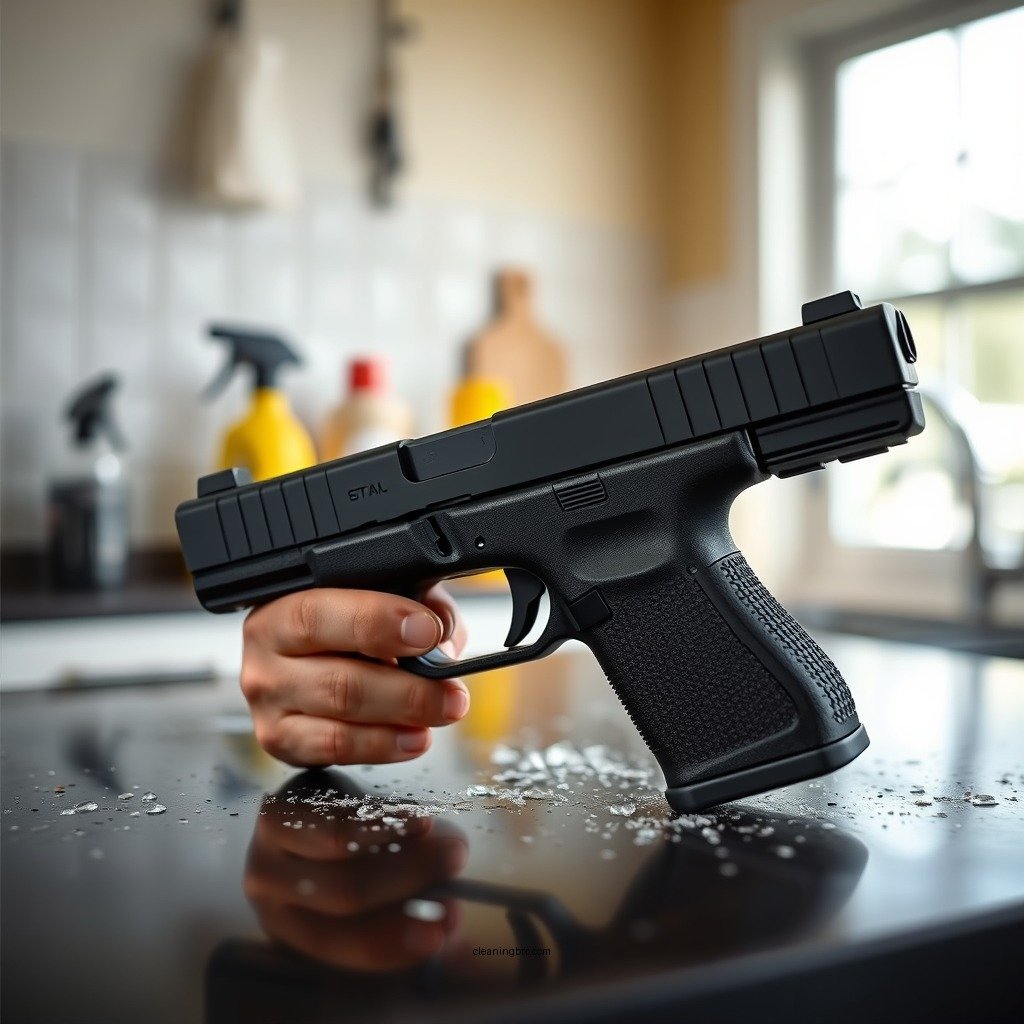
Cleaning your Glock is crucial for maintaining its performance and longevity, and it’s recommended to clean it after every use. In addition, a thorough cleaning every 300 rounds or at least once every month is advisable, depending on usage frequency. In this article, we’ll explore the best practices for cleaning your Glock and how often you should do it to ensure optimal functionality.
Understanding the Importance of Regular Cleaning
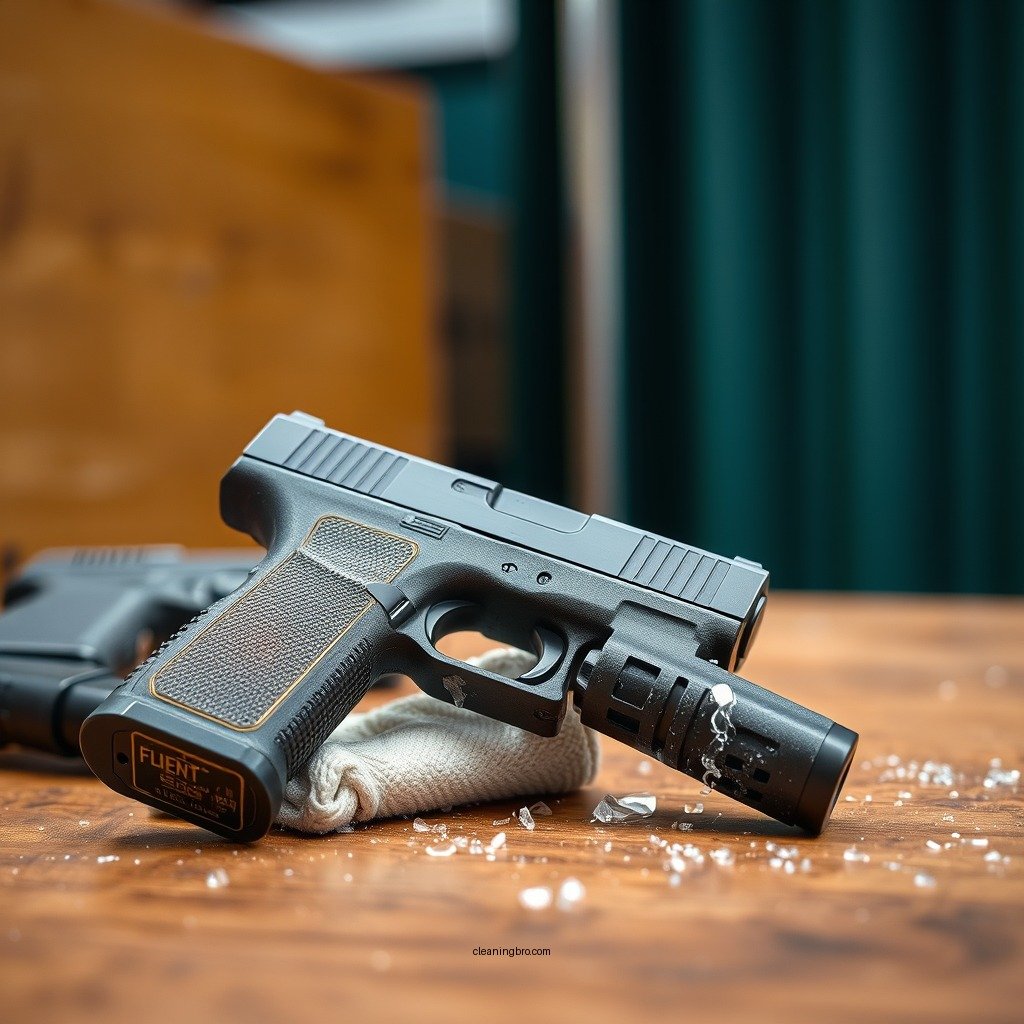
Regular cleaning of your Glock is not just a matter of aesthetics; it is essential for maintaining firearm reliability and performance. A clean gun functions more effectively and is less likely to malfunction, which is particularly critical in high-stakes situations where lives may be on the line. Moreover, dirt and grime can accumulate over time, leading to potential blockages and failures during operation. By making cleaning a routine part of your firearm maintenance, you ensure that your Glock will operate smoothly and accurately when you need it most.
Additionally, regular cleaning prevents the buildup of residue from gunpowder and lubricant, which can create a breeding ground for corrosion and rust. This is particularly important for firearms like the Glock, which are known for their durability but can still suffer from neglect. A well-maintained Glock not only performs better but also lasts longer, ultimately saving you time and money in the long run.
Frequency of Cleaning After Use
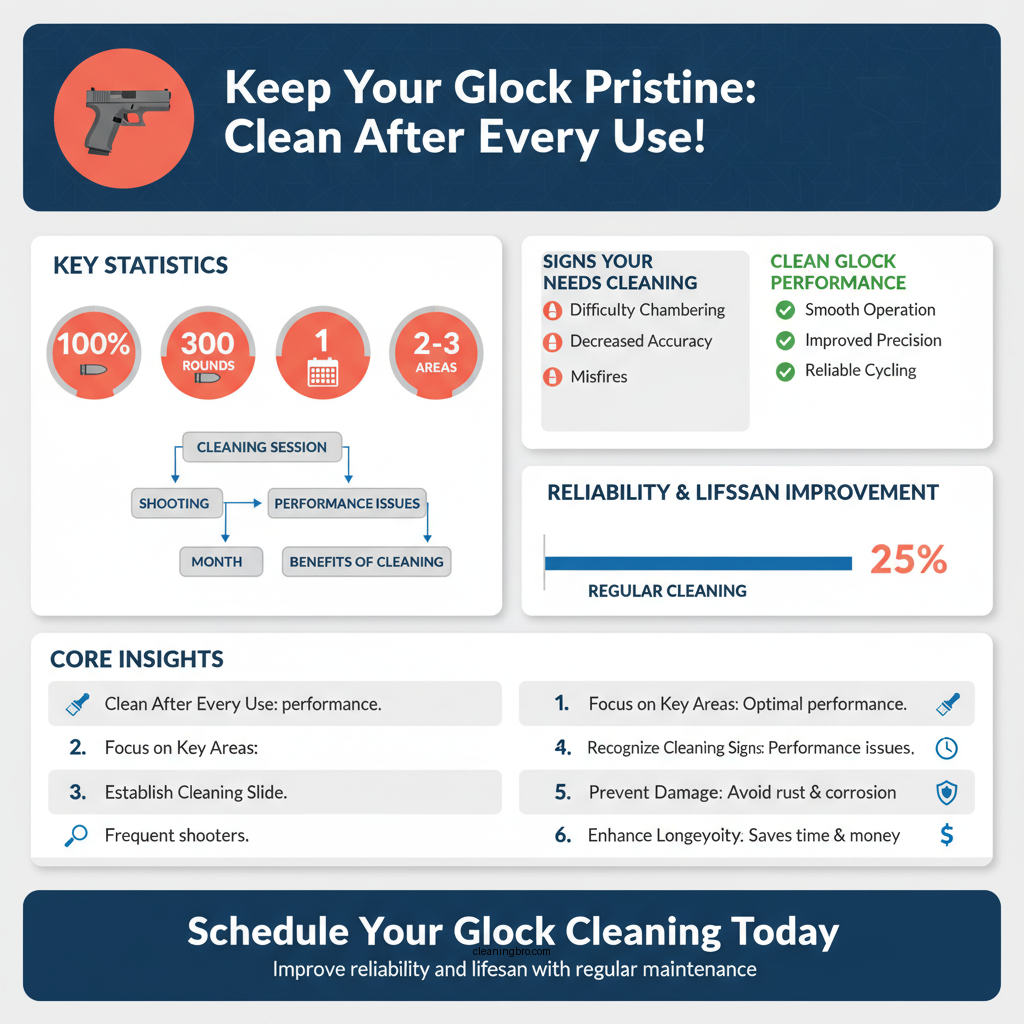
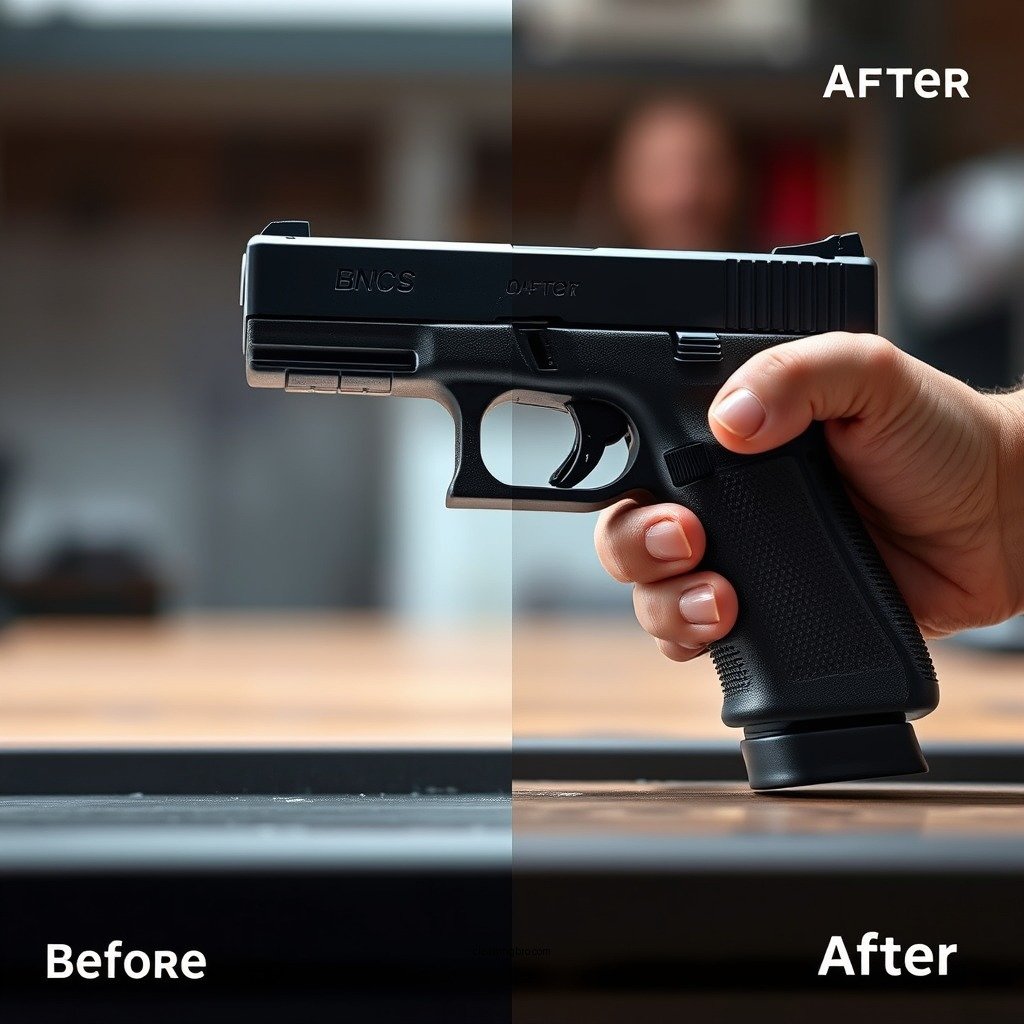
The frequency of cleaning your Glock heavily relies on your shooting habits. It is advisable to clean your Glock after every shooting session, regardless of the number of rounds fired. This immediate attention helps to remove any debris or residue that may have accumulated during use. Pay special attention to the barrel and the slide, as these areas are prone to the buildup of carbon and other residues that can affect the gun’s performance.
If you are a frequent shooter, consider implementing a more rigorous cleaning schedule. For example, if you fire 300 rounds in a single session, a more thorough cleaning of your Glock is warranted. This ensures that any carbon buildup or fouling is effectively managed, keeping your firearm in peak condition.
Signs That Your Glock Needs Cleaning
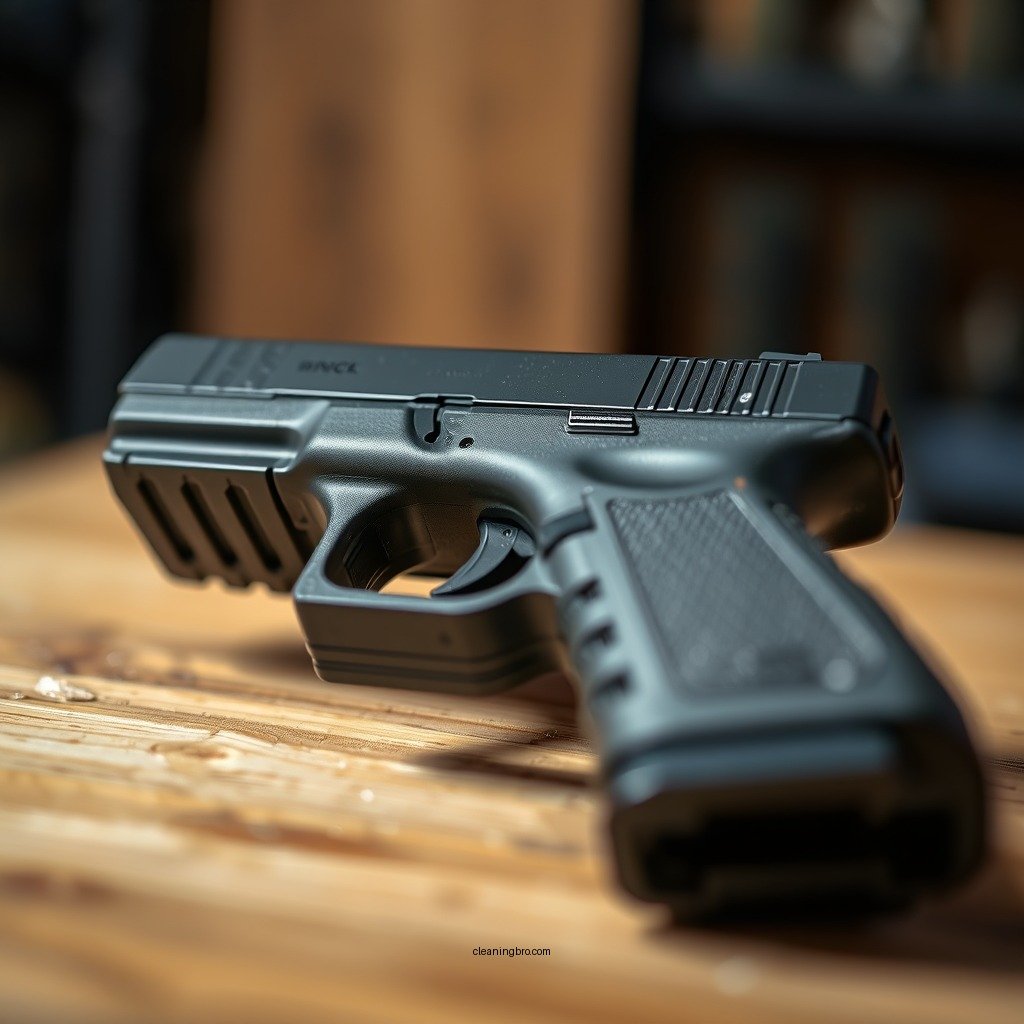
Recognizing the signs that your Glock needs cleaning can help you maintain its performance. Some common indicators include:
– Difficulty in Chambering Rounds or Cycling: If you find that your Glock is struggling to chamber rounds or cycles inconsistently, this may indicate excessive buildup of dirt or debris that is hindering operation.
– Decreased Accuracy or Inconsistent Firing: A clean firearm generally performs better. If you notice a decline in accuracy or if your Glock misfires, it may be time for a thorough cleaning.
These signs should not be ignored, as they can lead to more significant issues if left unchecked. Regular inspections after shooting sessions can help you catch these problems early.
Recommended Cleaning Schedule
For optimal performance, adhere to the following cleaning schedule:
– Clean After Every Use: This is the best practice for ensuring your Glock remains functional and reliable. Even if you have only fired a few rounds, it is essential to clean away any residue that may have formed.
– Perform a Deeper Clean Every 300 Rounds or Monthly: If you are a regular shooter, consider a comprehensive cleaning every 300 rounds. Alternatively, if you don’t shoot often, aim for at least once a month. This deeper cleaning should include disassembling the firearm and cleaning all parts thoroughly.
Following this schedule will help you maintain your Glock’s reliability and performance over time.
Top 7 Essential Tools for Cleaning Your Glock
| # | Cleaning Tool | Purpose | Recommended Brand | Price Range |
|---|---|---|---|---|
| 1 | Cleaning Rod | Barrel cleaning | Hoppes | $10 – $20 |
| 2 | Bore Brush | Removing fouling | Tipton | $5 – $15 |
| 3 | Cleaning Patches | Applying solvent | Birchwood Casey | $5 – $10 |
| 4 | Gun Cleaning Solvent | Dissolving residue | Break-Free | $10 – $25 |
| 5 | Cleaning Mat | Protecting surfaces | Real Avid | $15 – $30 |
| 6 | Lubricant | Reducing friction | Militec-1 | $10 – $20 |
| 7 | Cotton Swabs | Detail cleaning | Q-tips | $3 – $6 |
Essential Cleaning Tools and Supplies
To effectively clean your Glock, having the right tools and supplies is essential. Here are some key items you should consider:
– Cleaning Rod: This tool is crucial for cleaning the barrel. It allows you to push brushes and patches through the barrel effectively.
– Bore Brush: Used to remove fouling from the barrel, bore brushes come in various sizes and materials. Ensure you have one that fits your Glock’s caliber.
– Cleaning Patches: These are necessary for applying solvents and lubricants to various parts of your firearm. They help ensure thorough cleaning and lubrication.
– Gun Cleaning Solvent: A quality solvent is vital for dissolving carbon buildup and other residues. Look for one that is effective yet safe for use on polymer and metal surfaces.
– Lubricant: After cleaning, applying lubricant is important to reduce friction and wear on moving parts. Choose a lubricant that is specifically designed for firearms.
– Cleaning Mat: A dedicated cleaning mat protects your work surface and provides a designated area for your cleaning tools.
– Cotton Swabs: These are useful for detail cleaning in hard-to-reach areas, ensuring that no dirt or residue is left behind.
Investing in high-quality cleaning tools will make the process smoother and more effective, prolonging the life of your Glock.
Step-by-Step Cleaning Process
Cleaning your Glock should be a systematic process, ideally following these steps:
1. Disassemble Your Glock: Begin by safely unloading your firearm and disassembling it according to the manufacturer’s guidelines. This usually involves removing the slide, barrel, and recoil spring.
2. Clean the Barrel: Use a cleaning rod and bore brush to scrub the inside of the barrel. Follow up with cleaning patches soaked in solvent to remove any residue.
3. Clean the Slide and Frame: Wipe down the slide and frame with a solvent-soaked patch. Pay attention to the rails and other moving parts, ensuring they are free of grime.
4. Inspect Parts: Look for signs of wear or damage while cleaning. If you notice any parts appear to be worn out, consider replacing them to prevent future issues.
5. Lubricate: After cleaning, apply a light coat of lubricant to the necessary parts of the Glock. Be careful not to over-lubricate, as excess lubricant can attract dirt.
6. Reassemble and Function Check: Once everything is clean and lubricated, reassemble your Glock and conduct a function check to ensure everything is operating smoothly.
By following this step-by-step cleaning process, you can effectively maintain your Glock and ensure it continues to perform reliably.
Maintenance Tips for Longevity
To maximize the lifespan of your Glock, consider these maintenance tips:
– Store Your Glock Properly: Always store your Glock in a dry, cool environment to prevent rust and corrosion. A quality gun safe or case can provide protection against moisture.
– Regularly Inspect and Replace Worn Parts: As you clean your Glock, take the time to inspect parts for wear and tear. Common parts that may need replacement include recoil springs, firing pins, and magazines. Keeping your firearm in top condition may require occasional part replacements.
– Avoid Over-cleaning: While cleaning is important, over-cleaning can lead to unnecessary wear on parts. Stick to your recommended cleaning schedule and avoid excessive disassembly.
– Educate Yourself: Stay informed about your specific Glock model and any updates from the manufacturer. Understanding how your firearm operates will aid in maintenance and cleaning.
Implementing these maintenance tips will help ensure that your Glock remains in excellent condition for years to come.
Maintaining your Glock through regular cleanings is essential for safe and effective operation. By following the guidelines outlined above, you can ensure your firearm remains in peak condition. Remember to establish a cleaning routine based on your shooting habits and always use the right tools for the job. With proper care, your Glock will continue to serve you reliably, making it a trusted companion for years to come.
Frequently Asked Questions
How often should I clean my Glock?
It is recommended to clean your Glock after every use, especially if you have fired a significant number of rounds. If you use your firearm for self-defense or carry it regularly, a thorough clean every few weeks is ideal to ensure optimal performance and reliability.
What cleaning supplies do I need for my Glock?
To effectively clean your Glock, you’ll need a cleaning rod, patches, a bore brush, gun oil, and a cleaning solvent. A microfiber cloth and a toothbrush can also help in removing carbon buildup and grime from hard-to-reach areas.
Why is it important to clean my Glock regularly?
Regular cleaning of your Glock is crucial for maintaining its performance, ensuring reliability, and extending its lifespan. Accumulated dirt and residue can lead to malfunctions, reduced accuracy, and even safety hazards during use.
What is the best method for cleaning a Glock?
The best method for cleaning a Glock involves disassembling the firearm, cleaning the barrel with a bore brush and solvent, and wiping down the slide and frame with a cloth. Afterward, you should lubricate the moving parts lightly with gun oil to ensure smooth operation.
Which parts of my Glock should I focus on when cleaning?
When cleaning your Glock, focus on the barrel, slide, and frame, as these areas accumulate the most grime. Pay special attention to the recoil spring assembly and the magazine, as they can also affect performance if not properly maintained.
References
- Glock
https://en.wikipedia.org/wiki/Glock - https://www.ncbi.nlm.nih.gov/pmc/articles/PMC6543288/
https://www.ncbi.nlm.nih.gov/pmc/articles/PMC6543288/ - https://www.sciencedirect.com/science/article/pii/S2452074821000226
https://www.sciencedirect.com/science/article/pii/S2452074821000226 - Google Scholar Google Scholar
https://scholar.google.com/scholar?q=how+often+to+clean+glock - https://www.thetruthaboutguns.com/cleaning-your-glock-what-you-need-to-know/
https://www.thetruthaboutguns.com/cleaning-your-glock-what-you-need-to-know/ - Google Scholar Google Scholar
https://scholar.google.com/scholar?q=glock+maintenance+frequency - NRA-ILA | Home
https://www.nraila.org/articles/20170303/glock-cleaning-tips - https://www.bbc.com/news/world-us-canada-43004960
https://www.bbc.com/news/world-us-canada-43004960 - how often to clean glock – Search results
https://en.wikipedia.org/wiki/Special:Search?search=how+often+to+clean+glock - https://www.ncbi.nlm.nih.gov/search/research-articles/?term=how+often+to+clean+glock
https://www.ncbi.nlm.nih.gov/search/research-articles/?term=how+often+to+clean+glock