How Often to Clean Invisalign: Essential Guidelines
Cleaning your Invisalign aligners is vital for both effective treatment and maintaining good oral hygiene. Ideally, you should clean your aligners at least twice a day—once in the morning and again in the evening—using a gentle cleanser or soap. This article will provide you with essential guidelines on the best practices for cleaning your aligners, recommendations on how often to do it, and tips for ensuring a fresh and healthy smile throughout your orthodontic journey.
Why Cleaning Your Invisalign is Important
Maintaining clean Invisalign aligners is crucial for several reasons. Firstly, it prevents the buildup of bacteria and plaque, which can lead to oral health issues such as cavities and gum disease. When aligners are not cleaned regularly, they can trap food particles and plaque, creating an environment conducive to bacteria growth. Secondly, keeping your aligners clean ensures that they remain transparent and discreet. Stains or discoloration can make your aligners more visible, undermining the cosmetic benefits that Invisalign offers.
Moreover, regular cleaning can enhance your overall orthodontic experience. Clean aligners help you avoid unpleasant odors and ensure that your mouth feels fresh throughout the day. By prioritizing the cleanliness of your aligners, you are not only supporting your treatment but also your overall oral health.
Recommended Cleaning Frequency
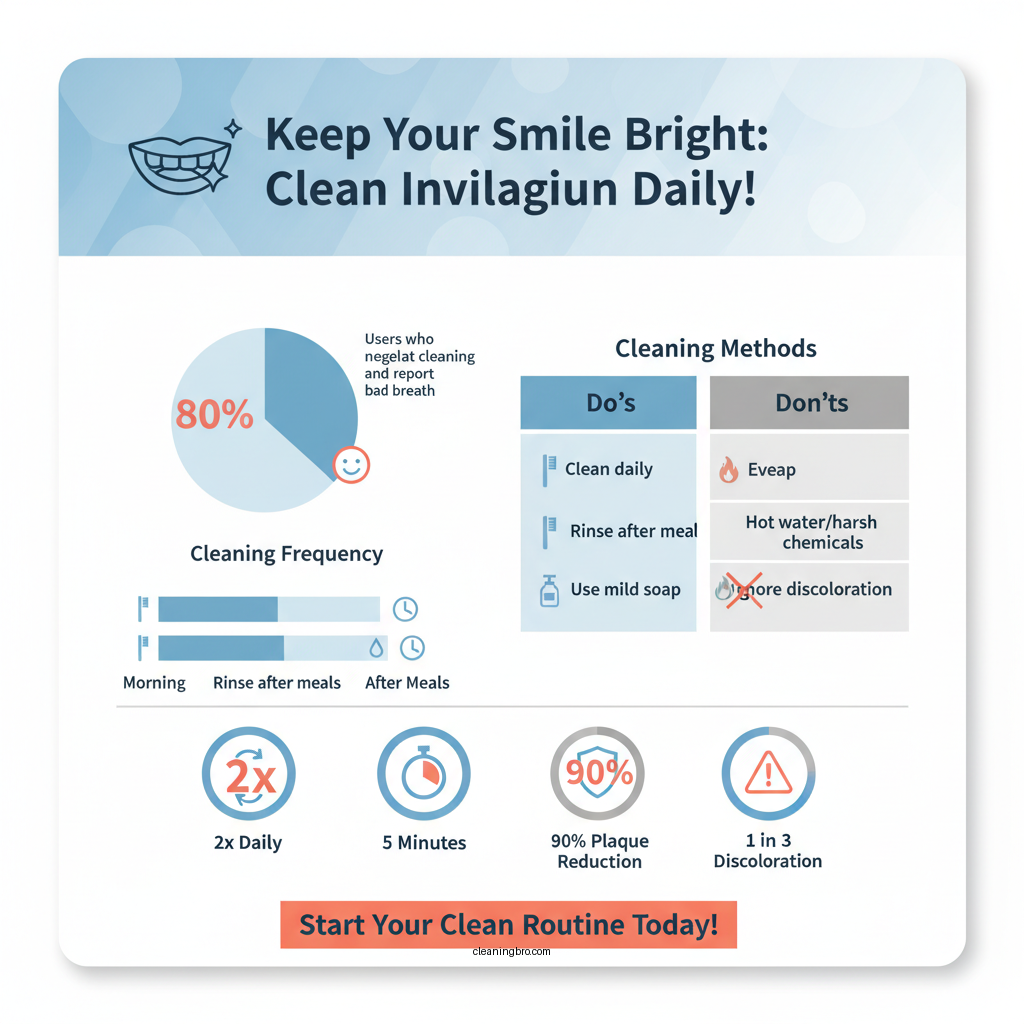
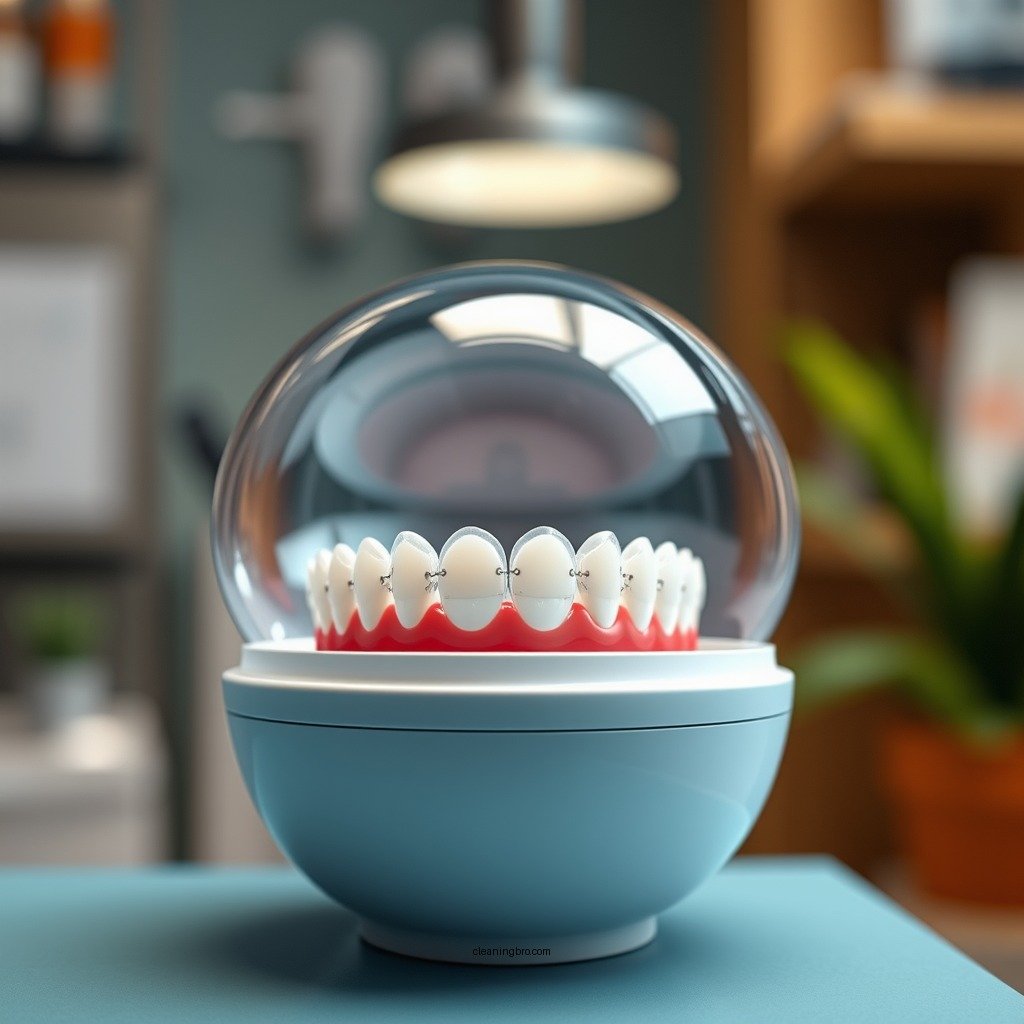
For optimal results, it is recommended to clean your Invisalign aligners twice daily—once in the morning and once in the evening. This routine should be integrated into your daily oral hygiene practices, ideally done after brushing and flossing your teeth.
In addition to this regular cleaning, it’s advisable to rinse your aligners with lukewarm water after meals or snacks. This extra step helps to remove any food particles and minimizes the chances of plaque buildup between your scheduled cleanings. If you find yourself eating or drinking throughout the day, consider carrying a travel-sized cleaner or a toothbrush to maintain your aligners’ cleanliness.
Best Cleaning Methods for Invisalign
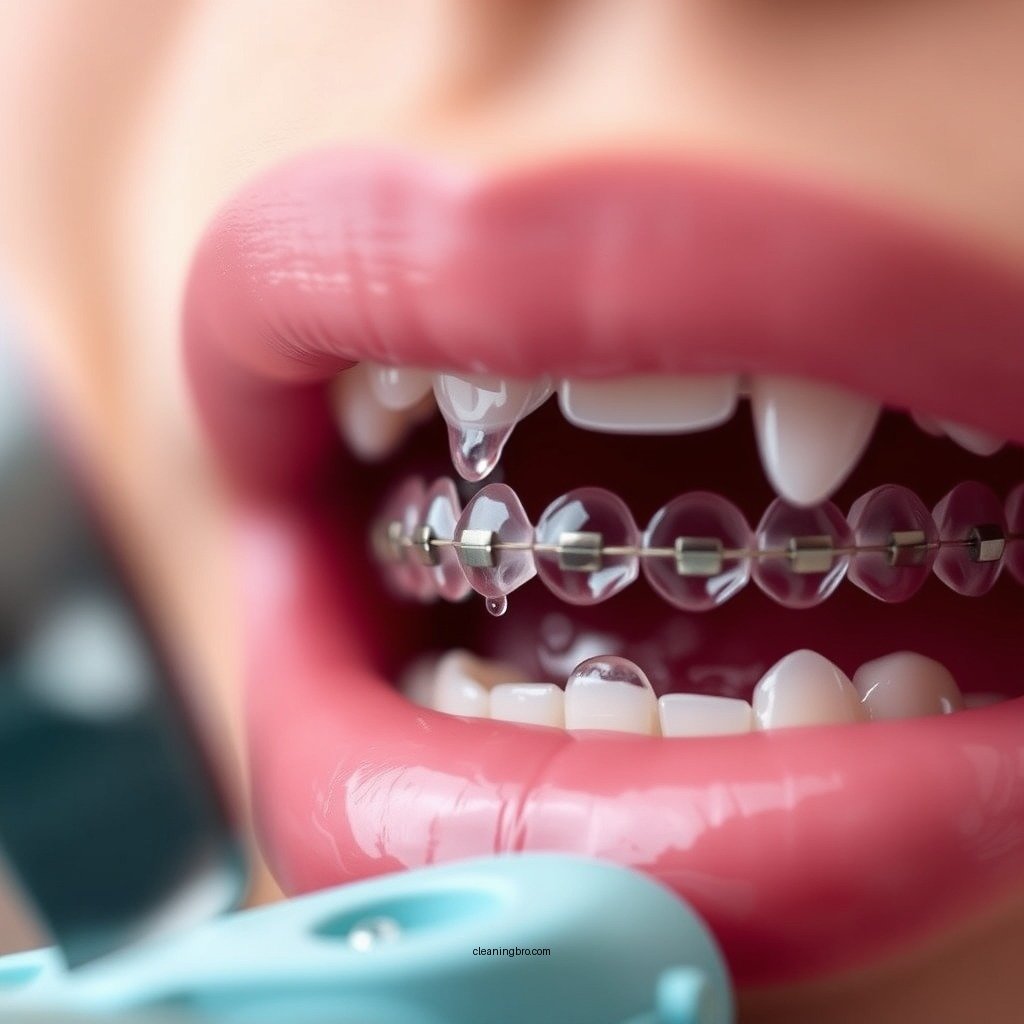
To effectively clean your Invisalign aligners, several methods can be employed:
1. Soft-Bristle Toothbrush and Mild Soap: Using a soft-bristle toothbrush and a mild soap is one of the best methods for cleaning your aligners. Gently brushing your aligners helps to remove plaque and food particles without scratching the surface.
2. Invisalign Cleaning Crystals: These specialized cleaning crystals are designed for cleaning aligners. They dissolve in water and provide a deeper clean than soap alone, effectively removing stains and odors.
3. Specialized Cleaners: There are various commercial cleaning solutions available specifically for Invisalign aligners. These products often contain enzymes that break down bacteria and plaque, providing a thorough clean.
4. Rinsing with Water: Always rinse your aligners with lukewarm water before putting them back in your mouth. This simple step helps to remove any residual cleaning products and ensures a fresh fit.
Top 7 Cleaning Methods for Invisalign Aligners (2024)
| # | Method | Effectiveness | Ease of Use | Cost |
|---|---|---|---|---|
| 1 | Soft-Bristle Toothbrush & Soap | High | Easy | Low |
| 2 | Invisalign Cleaning Crystals | Very High | Moderate | Medium |
| 3 | Specialized Cleaners | High | Easy | Medium |
| 4 | Rinsing with Water | Moderate | Very Easy | Low |
| 5 | Soaking in Mild Solution | High | Moderate | Medium |
| 6 | Ultrasonic Cleaners | Very High | Complex | High |
| 7 | Chemical Cleaners | Moderate | Easy | High |
What to Avoid When Cleaning Aligners
When cleaning your Invisalign aligners, certain practices should be avoided to ensure their longevity and effectiveness:
– Do Not Use Hot Water: Hot water can warp the plastic of your aligners, leading to improper fit and undermining your treatment progress. Always opt for lukewarm or cool water when rinsing your aligners.
– Avoid Abrasive Toothpaste: While it might be tempting to use toothpaste for a thorough clean, most toothpastes contain abrasive ingredients that can scratch the surface of your aligners, leading to discoloration and reduced effectiveness. Instead, use a mild soap or a cleaner specifically designed for aligners.
– Steer Clear of Harsh Chemicals: Chemical cleaners not intended for dental use can damage the aligners or leave harmful residues. Stick to recommended cleaning solutions to maintain your aligners’ integrity.
Maintaining Oral Hygiene During Treatment
In addition to cleaning your aligners, maintaining oral hygiene is crucial throughout your treatment. Here are some key practices to follow:
1. Brush and Floss Before Reinserting Aligners: After eating or drinking, always brush and floss your teeth before reinserting your aligners. This practice helps to prevent food particles from being trapped against your teeth, which can lead to decay.
2. Rinse Aligners in Lukewarm Water: Before putting your aligners back in, rinse them under lukewarm water. This not only helps to remove any residual cleaning products but also ensures that your aligners are comfortable when you wear them.
3. Regular Dental Check-ups: Schedule routine dental visits during your Invisalign treatment. Your dentist can monitor your progress and provide additional guidance on maintaining oral hygiene and aligner cleanliness.
Signs That Your Aligners Need More Frequent Cleaning
Despite regular cleaning, there may be signs that indicate your aligners require more frequent attention:
– Foul Odor: A noticeable foul smell can indicate a buildup of bacteria on your aligners. If you detect an unpleasant odor, it’s time to clean them more thoroughly and consider increasing your cleaning frequency.
– Discoloration or Stains: If your aligners start to develop noticeable stains or discoloration, it’s a sign that they need a more rigorous cleaning regimen. This could be due to food and drink residues that have not been adequately removed.
– Visible Plaque Buildup: If you see a film or coating on your aligners, it is essential to clean them immediately. This buildup can lead to bacteria growth and may affect your overall oral health.
Tips for Keeping Your Aligners Fresh
Keeping your aligners fresh involves both cleaning and proper storage practices. Here are a few tips to help you maintain their cleanliness:
1. Store Them in a Protective Case: When not in use, always place your aligners in their protective case. This prevents exposure to dust, dirt, and potential damage.
2. Avoid Heat: Remember to keep your aligners away from heat sources, as high temperatures can warp the plastic and affect their fit. This includes avoiding leaving them in a hot car or near direct sunlight.
3. Consider Routine Checks: Regularly inspect your aligners for any signs of wear or discoloration. If you notice significant changes, consult your orthodontist for advice on cleaning or replacement.
4. Use a Cleaning Schedule: Establish a cleaning schedule that aligns with your routine to ensure you do not forget to clean your aligners. Setting reminders on your phone can be helpful.
Maintaining the cleanliness of your Invisalign aligners is essential for both your oral health and the success of your treatment. By following these guidelines and incorporating good habits into your daily routine, you can ensure that your aligners stay fresh and effective. Start implementing these practices today to enjoy a healthier, brighter smile as you progress through your Invisalign treatment!
Frequently Asked Questions
How often should I clean my Invisalign aligners?
You should clean your Invisalign aligners at least twice a day, ideally each time you brush your teeth. This helps remove plaque and bacteria that can accumulate on the aligners, ensuring they remain clear and hygienic. Additionally, give them a thorough cleaning with Invisalign cleaning crystals or mild soap and lukewarm water once a week for optimal maintenance.
What is the best method to clean Invisalign aligners?
The best method to clean Invisalign aligners involves using a soft toothbrush and clear, unscented soap. Avoid using toothpaste as it can scratch the aligners. Rinse the aligners with lukewarm water after cleaning to ensure any soap residue is removed, keeping them clear and fresh.
Why is it important to regularly clean Invisalign aligners?
Regularly cleaning your Invisalign aligners is crucial to prevent buildup of bacteria, plaque, and odors, which can lead to oral health issues. Clean aligners also help ensure a better fit and effectiveness in your teeth straightening process. Neglecting cleanliness can result in a less pleasant wearing experience and potentially extend your treatment time.
How can I remove stubborn stains from my Invisalign aligners?
To remove stubborn stains from your Invisalign aligners, soak them in a mixture of equal parts white vinegar and lukewarm water for about 30 minutes. After soaking, gently brush them with a soft toothbrush to help lift any remaining stains. This method is effective and safe, ensuring your aligners stay clear and free from discoloration.
Which products should I avoid when cleaning my Invisalign aligners?
You should avoid using colored or scented soaps, toothpaste, bleach, and mouthwash containing alcohol when cleaning your Invisalign aligners. These products can cause discoloration or damage the material of the aligners. Stick to gentle, unscented soaps or specialized Invisalign cleaning systems to ensure the longevity and effectiveness of your aligners.
References
- https://www.mayoclinic.org/healthy-lifestyle/adult-health/in-depth/cleaning-your-teeth/art-20046813
https://www.mayoclinic.org/healthy-lifestyle/adult-health/in-depth/cleaning-your-teeth/art-20046813 - https://www.ncbi.nlm.nih.gov/pmc/articles/PMC6472429/
https://www.ncbi.nlm.nih.gov/pmc/articles/PMC6472429/ - https://www.ncbi.nlm.nih.gov/pmc/articles/PMC6423744/
https://www.ncbi.nlm.nih.gov/pmc/articles/PMC6423744/ - https://www.aaodentalresearch.org/2021/09/21/cleaning-invisalign-what-you-need-to-know/
https://www.aaodentalresearch.org/2021/09/21/cleaning-invisalign-what-you-need-to-know/ - https://www.webmd.com/oral-health/invisalign-what-you-need-to-know
https://www.webmd.com/oral-health/invisalign-what-you-need-to-know - Google Scholar Google Scholar
https://scholar.google.com/scholar?q=cleaning+invisalign - Google Scholar Google Scholar
https://scholar.google.com/scholar?q=oral+hygiene+invisalign - Google Scholar Google Scholar
https://scholar.google.com/scholar?q=frequency+of+cleaning+invisalign - https://www.who.int/news-room/questions-and-answers/item/oral-health-invisalign-and-oral-hygiene
https://www.who.int/news-room/questions-and-answers/item/oral-health-invisalign-and-oral-hygiene - Google Scholar Google Scholar
https://scholar.google.com/scholar?q=how+often+to+clean+invisalign