How to Clean a Brick Floor: Simple Steps for Spotless Results
Cleaning a brick floor is a straightforward process that can effectively restore its natural beauty and enhance your living space. With the right materials and techniques, you can achieve a spotless and inviting finish. This guide provides detailed steps to ensure your brick flooring looks its best while also offering insights into maintenance strategies for long-lasting results.
Gather Your Cleaning Supplies
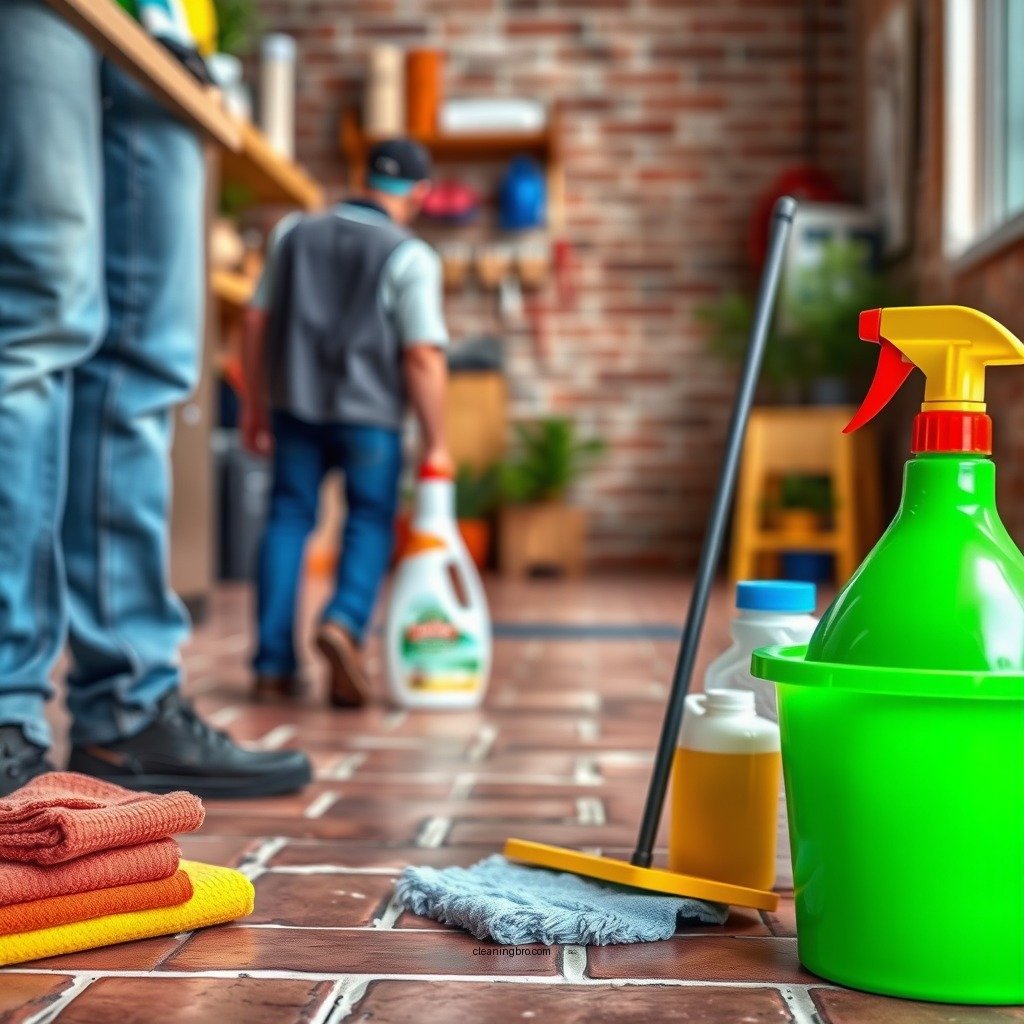
Before diving into cleaning, it’s essential to gather all the necessary supplies. The right tools can make a significant difference in the efficiency and effectiveness of your cleaning routine.
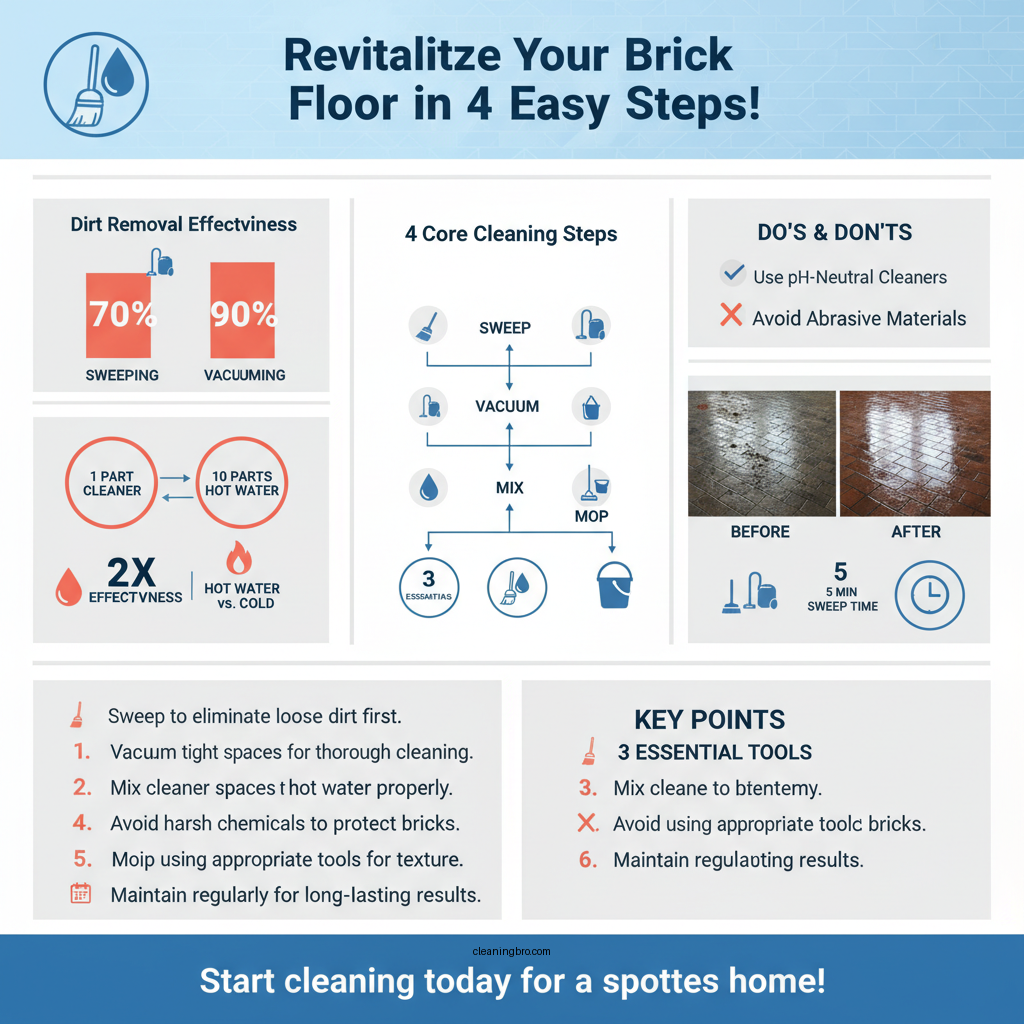
– Broom or Vacuum: Start with a broom or a vacuum cleaner equipped with a brush attachment to remove the initial layer of dirt and debris. This step is crucial for preventing dirt from becoming embedded in the brick surface during the cleaning process.
– pH-Neutral Cleaner: Choose a cleaner specifically designed for brick surfaces. A pH-neutral cleaner is ideal as it will clean without damaging the brick or its finish. Avoid harsh chemicals that can etch or discolor the surface.
– Mop and Bucket: A wet mop and a clean bucket are essential for applying your cleaning solution. Ensure your mop is suitable for use on textured surfaces like brick.
– Hot Water: Hot water helps in dissolving dirt and grime effectively, enhancing the cleaning power of your chosen cleaner.
Remove Loose Dirt and Debris
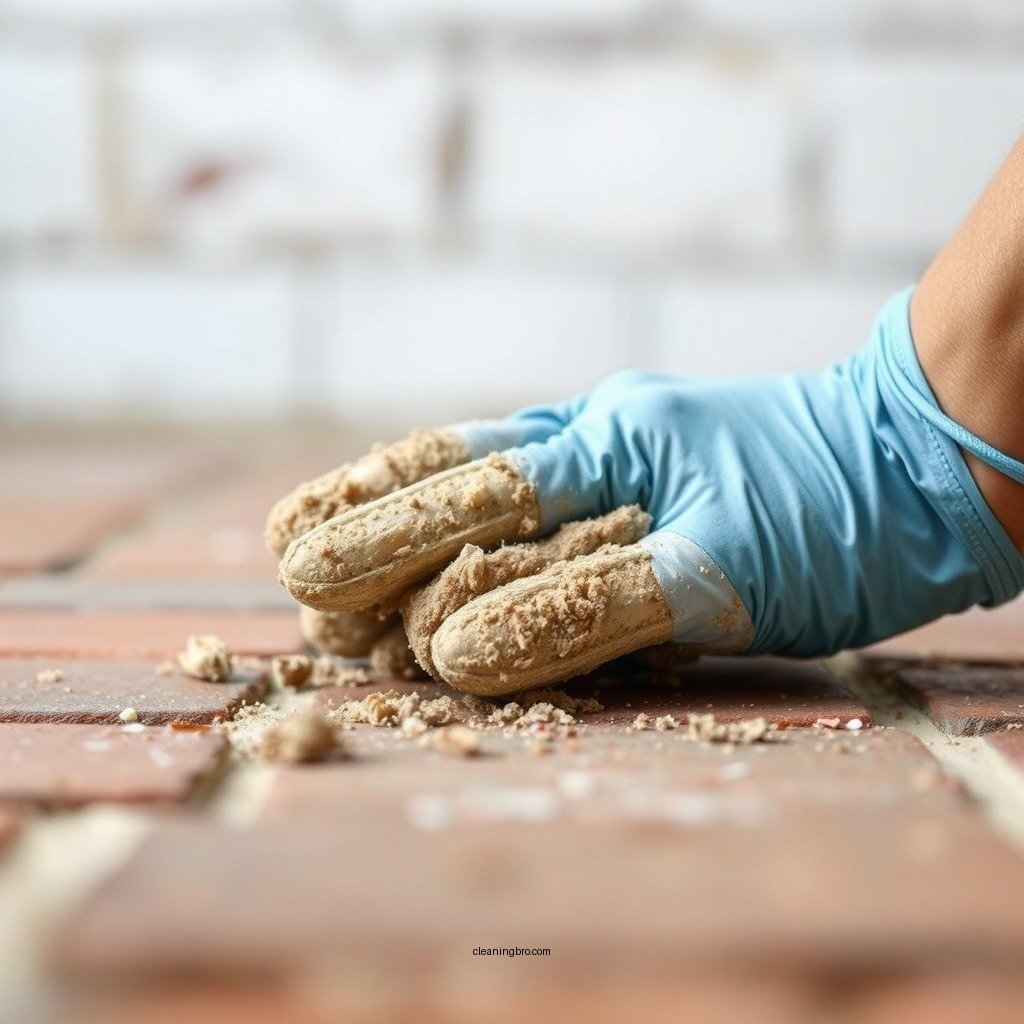
The first step in cleaning a brick floor is to remove any loose dirt and debris. This step is essential to prevent scratching the bricks during mopping.
– Sweeping: Start by sweeping the entire floor with a broom. Focus on areas where dirt, dust, and debris tend to accumulate, such as corners and under furniture. Sweeping eliminates larger particles that could hinder the cleaning process.
– Vacuuming: For a more thorough clean, especially in corners and tight spaces, use a vacuum cleaner with a brush attachment. This will help remove dust and dirt from crevices that a broom might miss.
Prepare the Cleaning Solution
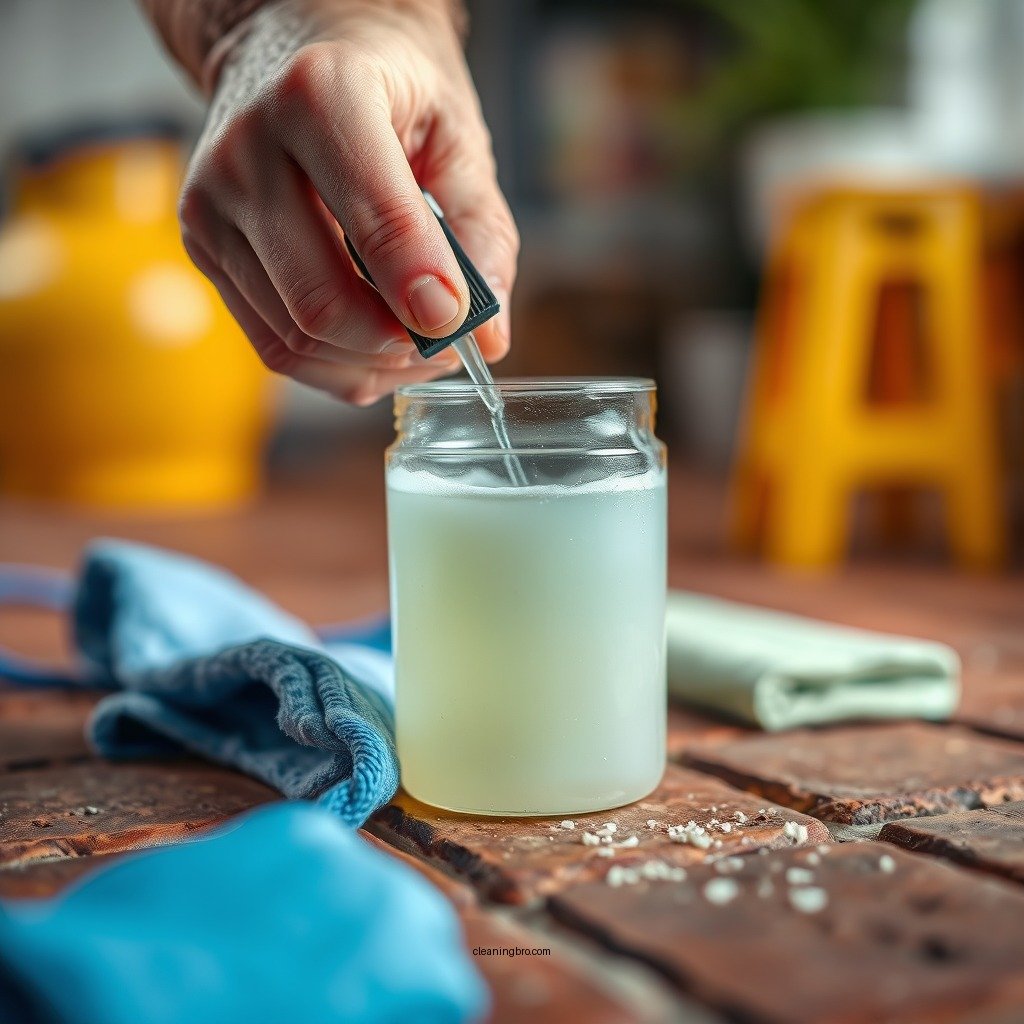
Once you have cleared the surface, it’s time to prepare your cleaning solution.
– Mixing the Cleaner: Follow the manufacturer’s instructions for mixing the pH-neutral cleaner with hot water. Typically, a ratio of one part cleaner to ten parts water works well, but always refer to specific guidelines for best results.
– Avoiding Harsh Chemicals: It’s vital to steer clear of acidic or abrasive cleaners as they can damage the brick surface and its sealant, if applicable. Stick to gentle but effective cleaning agents.
Top 7 Brick Cleaning Products (2024)
| # | Product | Type | pH Level | Effectiveness |
|---|---|---|---|---|
| 1 | Brick Cleaner Pro | Liquid | 7.0 | Highly Effective |
| 2 | Eco Brick Wash | Liquid | 6.5 | Effective |
| 3 | Bricks & Mortar Cleaner | Powder | 7.5 | Very Effective |
| 4 | Masonry Clean | Liquid | 6.0 | Effective |
| 5 | Natural Brick Cleaner | Liquid | 7.0 | Highly Effective |
| 6 | Pro Brick Wash | Liquid | 7.0 | Effective |
| 7 | Masonry Care | Liquid | 6.5 | Good |
Mop the Brick Floor
With your cleaning solution prepared, it’s time to mop the floor effectively.
– Mopping Technique: Dip your mop into the cleaning solution and wring it out to remove excess moisture. Too much water can seep into the joints and damage the brick over time.
– Section by Section: Work in small sections to ensure thorough cleaning. Start from one corner of the room and move towards the exit, which helps avoid walking on the wet surface. Pay particular attention to any stained or dirty areas, allowing the solution to sit for a few minutes if needed.
Rinse and Dry the Floor
After mopping, it’s essential to remove any cleaner residue to prevent buildup.
– Rinsing: Use clean water and a fresh mop to rinse the floor. This step is vital as leftover cleaner can attract dust and dirt, negating your cleaning efforts.
– Drying: Allow the floor to air dry completely. If you prefer a quicker method, use a dry mop to help absorb excess moisture. Ensure the area is well-ventilated to speed up the drying process.
Address Stains and Grime
Sometimes, regular cleaning may not be enough to remove stubborn stains or grime.
– Tough Stains: For tough stains, use a soft-bristled brush to gently scrub the affected area with your cleaning solution. Avoid hard brushes that could scratch the brick surface.
– Testing: Always test any stain removal technique on a small, inconspicuous area first. This will help you ascertain the effectiveness of the method without risking damage to the entire floor.
Top 3 Brick Cleaners Compared
| Feature | ⭐ Brick Cleaner Pro | Eco Brick Wash | Natural Brick Cleaner |
|---|---|---|---|
| Type | Liquid | Liquid | Liquid |
| pH Level | 7.0 | 6.5 | 7.0 |
| Stain Removal | ✅ Very Effective | ✅ Effective | ✅ Effective |
| Eco-Friendly | ✅ | ✅ | ✅ |
| Surface Safe | ✅ | ✅ | ✅ |
| Value for Money | ✅ Excellent | ✅ Good | ✅ Good |
| Availability | Widely Available | Online Only | Widely Available |
| Customer Ratings | ★★★★☆ | ★★★☆☆ | ★★★★☆ |
| Availability of Support | 24/7 | Business Hours | 24/7 |
| 🏆 Best For | Homeowners seeking quality | Eco-conscious users | Natural product enthusiasts |
Maintain Your Brick Floor
Maintaining your brick floor is essential for preserving its appearance and longevity. A consistent cleaning routine will keep it looking fresh and beautiful.
– Regular Sweeping and Vacuuming: Aim to sweep or vacuum your brick floor at least once a week. This will help prevent dirt buildup and keep your floor looking cleaner for longer.
– Deep Cleaning Schedule: Schedule deep cleaning every few months, depending on foot traffic and the level of dirt accumulation. This can involve mopping with a cleaner or steam cleaning for a more thorough approach.
– Sealant Application: If your brick floor has a sealant, check for wear and reapply as necessary. A sealant protects the bricks from staining and moisture damage, extending their lifespan.
Cleaning your brick floor doesn’t have to be a daunting task. By following these steps, you can maintain the floor’s appearance and longevity. Start with the right supplies and techniques, and your brick floor will become a beautiful feature of your home. Regular maintenance will ensure that your brick flooring remains an inviting and durable element of your living space for years to come.
Frequently Asked Questions
What is the best way to clean a brick floor?
The best way to clean a brick floor involves sweeping or vacuuming to remove loose dirt and debris, followed by mopping with a solution of warm water and a few drops of dish soap. For deeper cleaning, use a mixture of vinegar and water to tackle stains, but be sure to rinse thoroughly afterward to avoid any residue.
How do I remove tough stains from my brick floor?
To remove tough stains from a brick floor, create a paste using baking soda and water, applying it directly to the stain and letting it sit for about 15 minutes before scrubbing gently with a soft brush. For oil-based stains, a commercial degreaser or a mixture of dish soap and warm water can be effective; always rinse well after cleaning.
Why is it important to seal a brick floor after cleaning?
Sealing a brick floor after cleaning is important because it helps protect the porous surface from moisture, stains, and dirt buildup. A quality sealant can enhance the brick’s natural color and extend its lifespan, making future cleaning easier and maintaining the floor’s aesthetic appeal.
Which cleaning products are safe for brick floors?
Safe cleaning products for brick floors include pH-neutral cleaners, vinegar diluted with water, and mild dish soap. It’s crucial to avoid acidic or abrasive cleaners as they can damage the brick and mortar, leading to costly repairs and reduced durability.
How often should I clean my brick floor to maintain its appearance?
To maintain the appearance of your brick floor, it is recommended to clean it at least once a week with regular sweeping or vacuuming, followed by mopping every few weeks with a proper cleaning solution. For deeper cleaning, consider a thorough scrub every few months, especially in high-traffic areas.
References
- https://www.healthline.com/health/how-to-clean-brick-floors
https://www.healthline.com/health/how-to-clean-brick-floors - https://extension.psu.edu/cleaning-brick
https://extension.psu.edu/cleaning-brick - https://www.abc.net.au/life/how-to-clean-brick-paving/10209468
https://www.abc.net.au/life/how-to-clean-brick-paving/10209468 - https://www.purdue.edu/extension/cleaning-tips/brick-pavers.html
https://www.purdue.edu/extension/cleaning-tips/brick-pavers.html - Google Scholar Google Scholar
https://scholar.google.com/scholar?q=cleaning+brick+floor - Google Scholar Google Scholar
https://scholar.google.com/scholar?q=brick+cleaning+methods - Google Scholar Google Scholar
https://scholar.google.com/scholar?q=maintenance+of+brick+floors - https://www.nature.com/articles/s41598-020-68885-8
https://www.nature.com/articles/s41598-020-68885-8 - Google Scholar Google Scholar
https://scholar.google.com/scholar?q=how+to+clean+a+brick+floor - how to clean a brick floor – Search results
https://en.wikipedia.org/wiki/Special:Search?search=how+to+clean+a+brick+floor