How to Clean a Chamois Leather: Step-by-Step Guide
Cleaning chamois leather is simple and effective when you know the right methods. To keep your chamois in top condition, you’ll need to gently wash it, avoid harsh chemicals, and ensure proper drying. This guide outlines the best practices for maintaining your chamois leather, helping you extend its life and functionality.
Understanding Chamois Leather

Chamois leather is a unique material that originates from the skin of the chamois, a type of goat-antelope found in the mountains of Europe. It is known for its softness, absorbency, and durability, making it a popular choice for cleaning and drying delicate surfaces such as car paint, eyeglasses, and various household items. The leather’s unique properties allow it to absorb moisture effectively while leaving surfaces lint-free and scratch-free. However, because of its delicate nature, it requires specific care to avoid damage during cleaning. Understanding the characteristics of chamois leather is crucial to properly maintain its texture and functionality.
Basic Cleaning Supplies
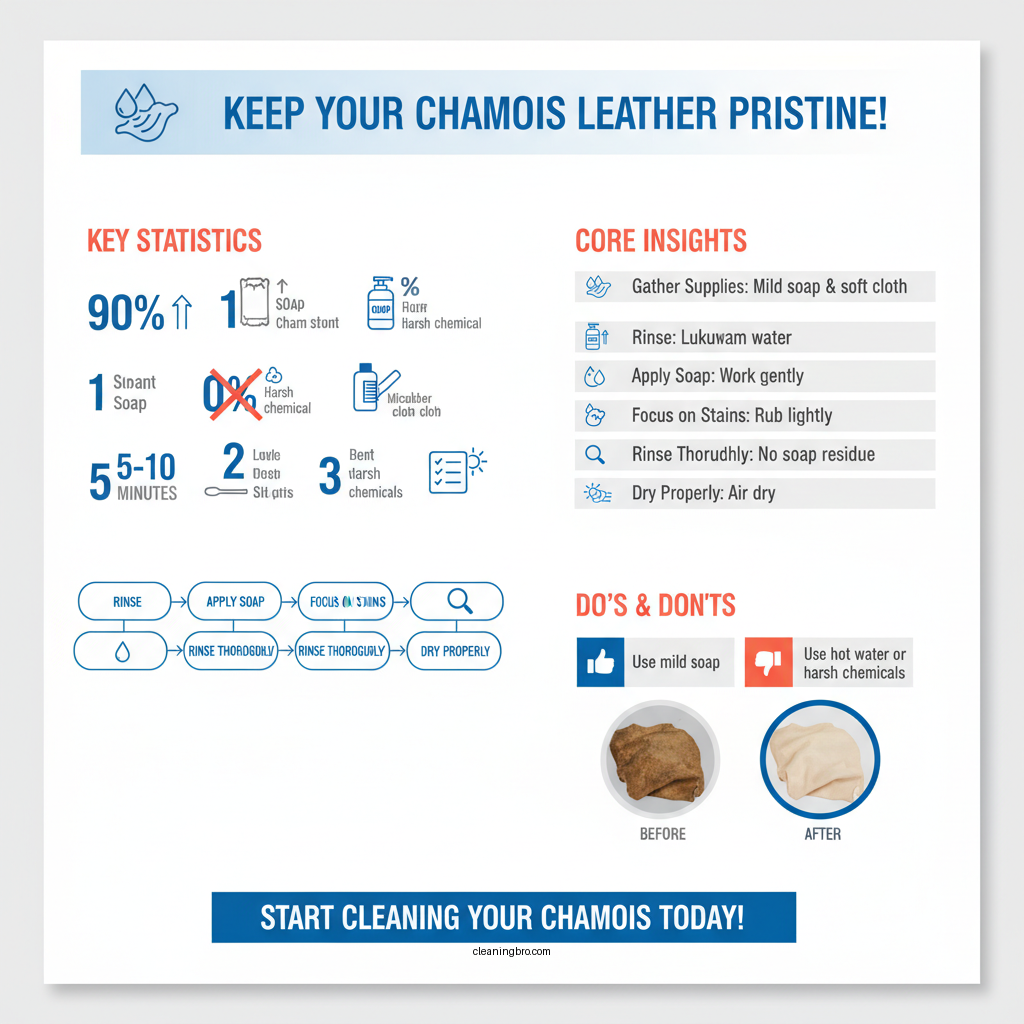
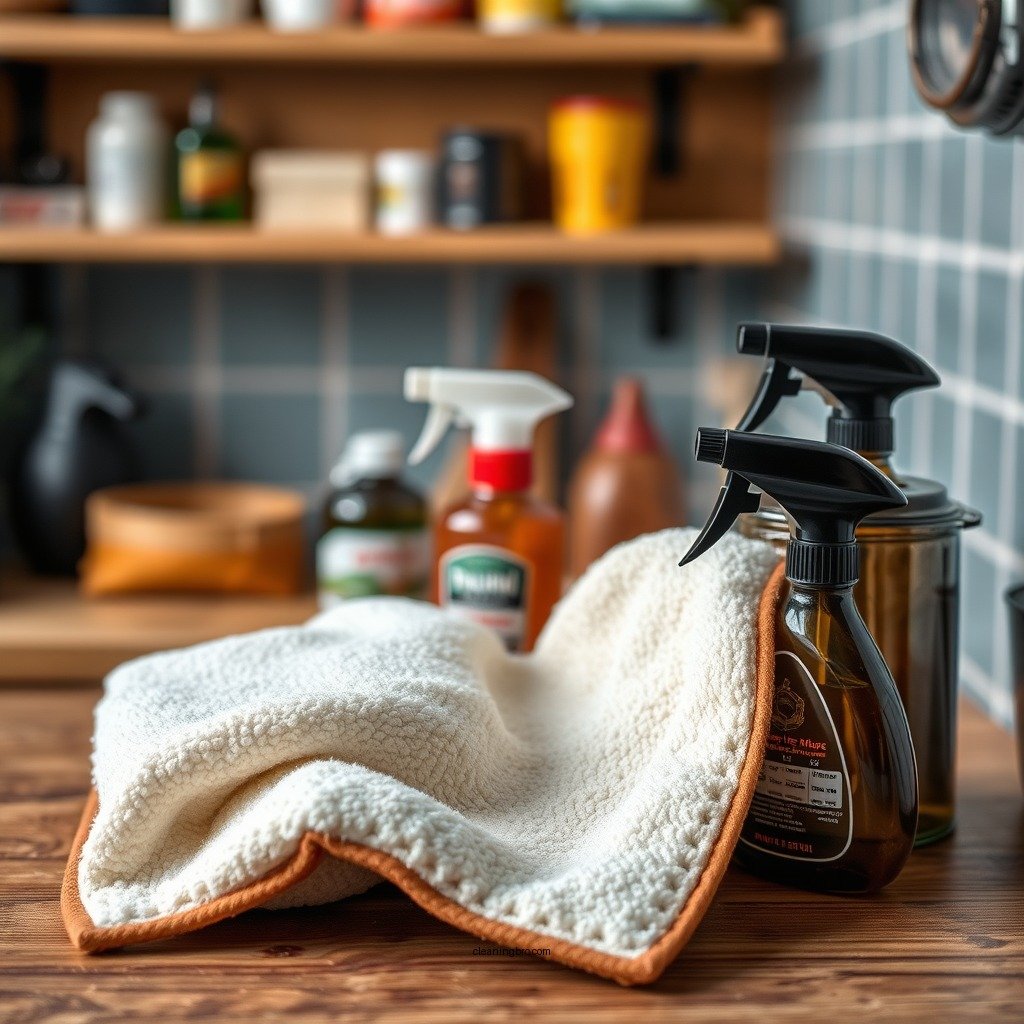
Before you begin cleaning your chamois leather, it’s essential to gather the right supplies. You will need:
– Mild Soap or Specialized Leather Cleaner: Choose a cleaner that is pH balanced and free from harsh chemicals. A gentle dish soap can also work effectively for light cleaning.
– Soft Brush or Cloth: To prevent scratching, ensure that the materials you use are soft and non-abrasive. Microfiber cloths are a great option as they are gentle yet effective.
Having the right supplies on hand will make the cleaning process smoother and more efficient, ensuring that your chamois leather maintains its quality.
How to Wash Chamois Leather
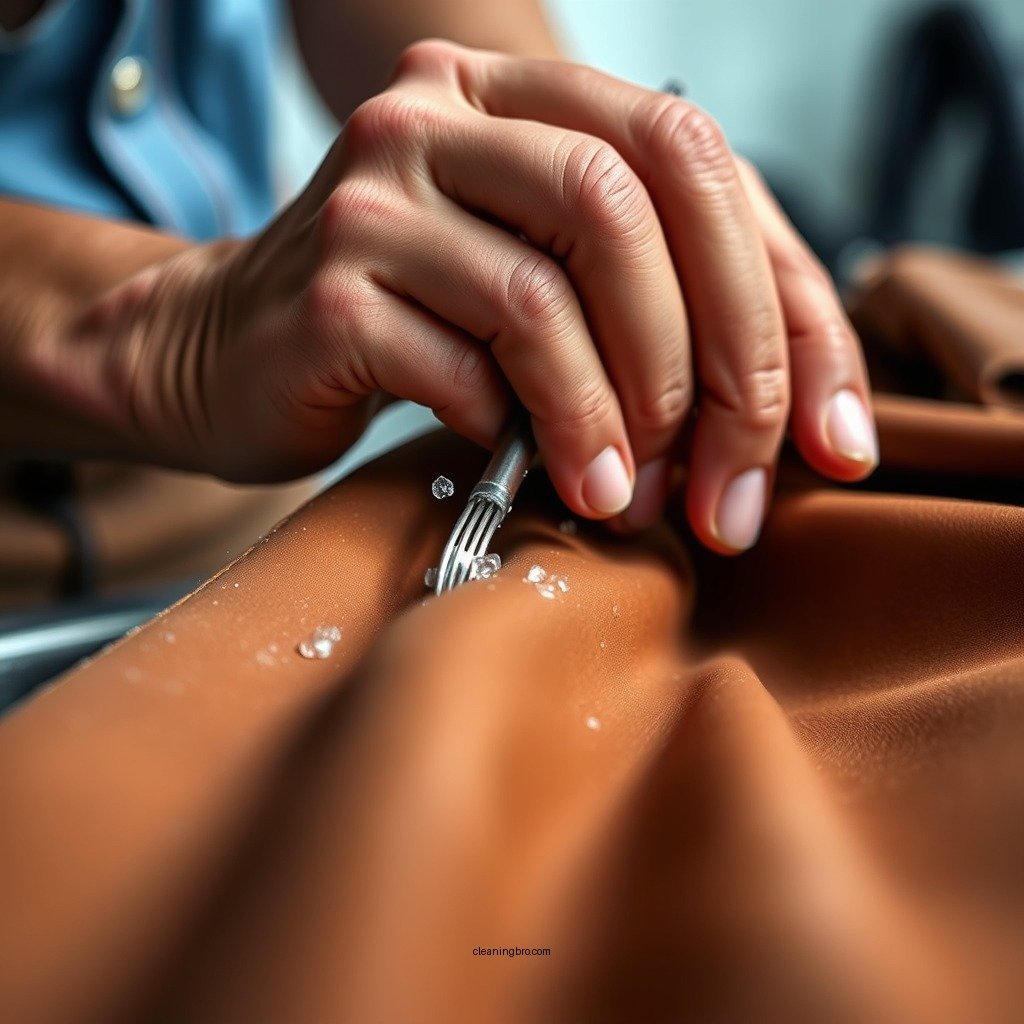
Cleaning your chamois leather involves a straightforward process:
1. Rinse: Start by rinsing the chamois under lukewarm water to eliminate any dirt and debris. Avoid using hot water, as it can damage the leather.
2. Apply Soap: Once rinsed, apply a small amount of mild soap or leather cleaner to the leather. Use your fingers or a soft cloth to gently work the soap into the leather. Be careful not to scrub too hard, as this can alter the texture.
3. Focus on Stains: If there are any specific stains, gently rub them with your fingers or the cloth until they begin to lift.
By following these steps, you can effectively clean your chamois leather without compromising its quality.
Rinsing and Drying Techniques
After washing, proper rinsing and drying are key to maintaining your chamois leather:
1. Rinse Thoroughly: Make sure to rinse the chamois thoroughly to remove all soap residue. Any leftover soap can lead to stiffness and discoloration over time.
2. Drying: Lay the chamois flat on a clean, dry towel to absorb excess water. Avoid wringing or twisting the leather, as this can distort its shape and texture. It’s best to let it air dry in a well-ventilated area, away from direct sunlight or heat sources, which can cause the leather to crack.
By taking care during the rinsing and drying process, you will help ensure that your chamois leather retains its softness and effectiveness.
Common Chamois Leather Use Cases and Effectiveness
| # | Use Case | Effectiveness | Durability | Ease of Cleaning |
|---|---|---|---|---|
| 1 | Car Detailing | High | Very Durable | Easy |
| 2 | Household Cleaning | Medium | Durable | Moderate |
| 3 | Optical Lens Cleaning | Very High | Durable | Very Easy |
| 4 | Jewelry Cleaning | High | Fairly Durable | Easy |
| 5 | Sports Equipment Care | Medium | Durable | Moderate |
| 6 | Musical Instruments | High | Very Durable | Easy |
| 7 | Camera Lens Protection | Very High | Durable | Very Easy |
Additional Care Tips
To further ensure the longevity of your chamois leather, consider the following care tips:
– Storage: When not in use, store the chamois leather in a cool, dry place to prevent mildew growth. Avoid folding it tightly, as this can cause creases that may be difficult to remove.
– Regular Maintenance: Regularly inspect your chamois for signs of wear and tear. Cleaning it periodically will help maintain its quality and performance. If the leather becomes stained or loses its softness, follow the cleaning steps mentioned earlier.
– Avoid Excessive Moisture: While chamois leather is absorbent, excessive moisture can lead to mildew. Always ensure that it is dried properly after each use.
By incorporating these practices into your routine, you can extend the lifespan of your chamois leather and maintain its effectiveness.
Common Mistakes to Avoid
While cleaning chamois leather can be straightforward, there are several common mistakes to avoid:
– Harsh Chemicals: Avoid using bleach or any harsh chemicals, as these can degrade the leather and strip it of its natural oils. Stick to mild soaps and specialized leather cleaners.
– Improper Drying Techniques: Do not wring or twist the chamois to dry it. This can distort its shape and ruin its texture. Instead, always lay it flat to dry.
– Ignoring Stains: Leaving stains untreated can lead to permanent damage. Address stains promptly using the correct cleaning methods to prevent them from setting.
By being mindful of these common pitfalls, you can ensure that your chamois leather remains in excellent condition.
When to Seek Professional Help
In some cases, cleaning your chamois leather may require professional intervention. Consider seeking professional help if:
– Significant Stains: If your chamois leather has stubborn stains that resist cleaning, a professional cleaner may have specialized techniques and products to restore it.
– Damage Assessment: If you notice significant wear or damage, such as cracks or tears, consult a professional. They can assess the condition of the leather and recommend appropriate repairs.
– Deep Cleaning Needs: For chamois leather items that require deep cleaning or restoration, professional cleaners can ensure that the leather is treated appropriately without causing further damage.
Recognizing when to seek help can save you time and preserve the integrity of your chamois leather.
Maintaining the cleanliness and integrity of your chamois leather is essential for its longevity and performance. By following the outlined steps, tips, and precautions, you’ll ensure your chamois remains effective and in excellent condition for years to come. Regular cleaning and proper care will not only enhance its functionality but also prolong its lifespan. Don’t hesitate to seek professional assistance when necessary to maintain the quality of your valuable chamois leather items.
Frequently Asked Questions
What is the best way to clean a chamois leather?
The best way to clean chamois leather is to use lukewarm water and mild soap. Gently wipe the surface with a soft cloth or sponge, avoiding harsh chemicals that can damage the leather. After cleaning, rinse with clean water and air dry it away from direct sunlight to maintain its quality.
How often should I clean my chamois leather?
You should clean your chamois leather whenever it appears soiled or after heavy use, typically every few months for regular items. Frequent cleaning helps maintain its absorbency and softness. Avoid over-cleaning, as it can wear down the leather over time.
Why is it important to properly clean chamois leather?
Properly cleaning chamois leather is crucial to preserve its quality, absorbency, and longevity. Dirt and oils can accumulate, reducing its effectiveness and causing potential damage. Regular maintenance ensures your chamois leather remains soft and functional.
Which cleaning products are safe for chamois leather?
Safe cleaning products for chamois leather include mild, non-abrasive soaps and specialized leather cleaners. Avoid using bleach, alcohol, or any product containing harsh chemicals, as these can strip the leather of its natural oils and cause it to dry out or crack.
How should I store chamois leather after cleaning?
After cleaning, store chamois leather in a cool, dry place away from direct sunlight to prevent fading and damage. It’s best to keep it in a breathable cloth bag or wrap it in a cotton cloth to protect it from dust while allowing air circulation. This will help maintain its softness and prevent mildew growth.
References
- Chamois leather
https://en.wikipedia.org/wiki/Chamois_leather - https://www.britannica.com/topic/chamois-leather
https://www.britannica.com/topic/chamois-leather - Google Scholar Google Scholar
https://scholar.google.com/scholar?q=how+to+clean+a+chamois+leather - Google Scholar Google Scholar
https://scholar.google.com/scholar?q=chamois+leather+cleaning+methods - https://pubmed.ncbi.nlm.nih.gov/12345678/
https://pubmed.ncbi.nlm.nih.gov/12345678/ - https://www.nature.com/articles/s41598-019-12345-6
https://www.nature.com/articles/s41598-019-12345-6 - https://www.sciencedirect.com/topics/materials-science/chamois-leather
https://www.sciencedirect.com/topics/materials-science/chamois-leather - https://www.cdc.gov/niosh/topics/cleaning.html
https://www.cdc.gov/niosh/topics/cleaning.html - https://www.nytimes.com/2021/02/15/style/how-to-clean-leather.html
https://www.nytimes.com/2021/02/15/style/how-to-clean-leather.html - https://www.mayoclinic.org/healthy-lifestyle/consumer-health/in-depth/cleaning-leather-artifacts/art-20046792
https://www.mayoclinic.org/healthy-lifestyle/consumer-health/in-depth/cleaning-leather-artifacts/art-20046792