How to Clean a Ferret’s Ears Safely and Effectively
Cleaning a ferret’s ears is crucial for their overall health and hygiene. By following proper techniques, you can easily and safely maintain your ferret’s ear cleanliness, preventing potential health issues. This guide will provide you with the necessary steps, tools, and frequency for cleaning your ferret’s ears, ensuring your furry friend remains comfortable and healthy.
Why Ear Cleaning is Important
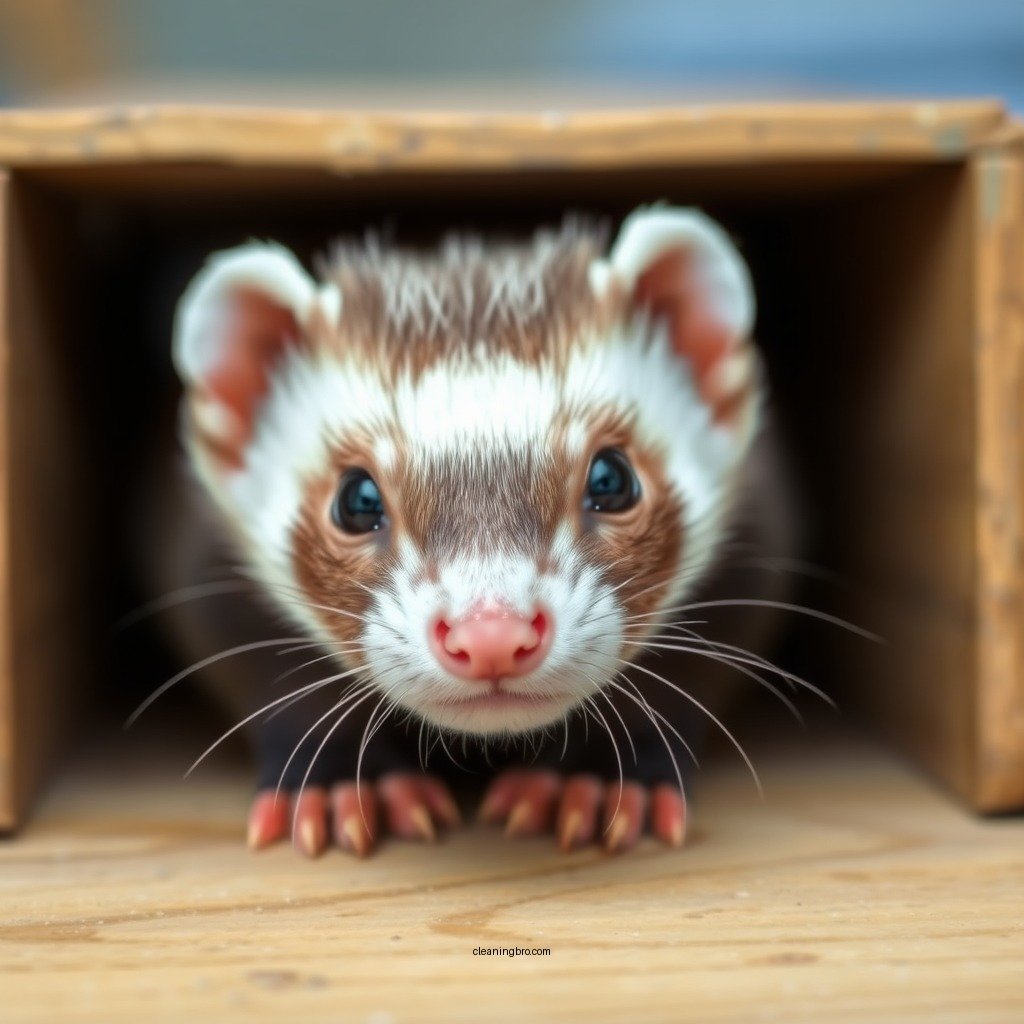
Regular ear cleaning is essential for several reasons. First and foremost, it prevents ear infections and the buildup of wax, which can lead to discomfort or pain for your ferret. Ferrets are prone to earwax accumulation due to their unique ear structure, which can trap debris and moisture.
Additionally, routine ear cleaning allows you to monitor for signs of parasites, such as ear mites, and other health issues that may manifest within the ear canal. Early detection is key to preventing more serious health complications. By maintaining clean ears, you are also fostering an environment that promotes better hearing and overall well-being for your pet.
What You Need for Cleaning
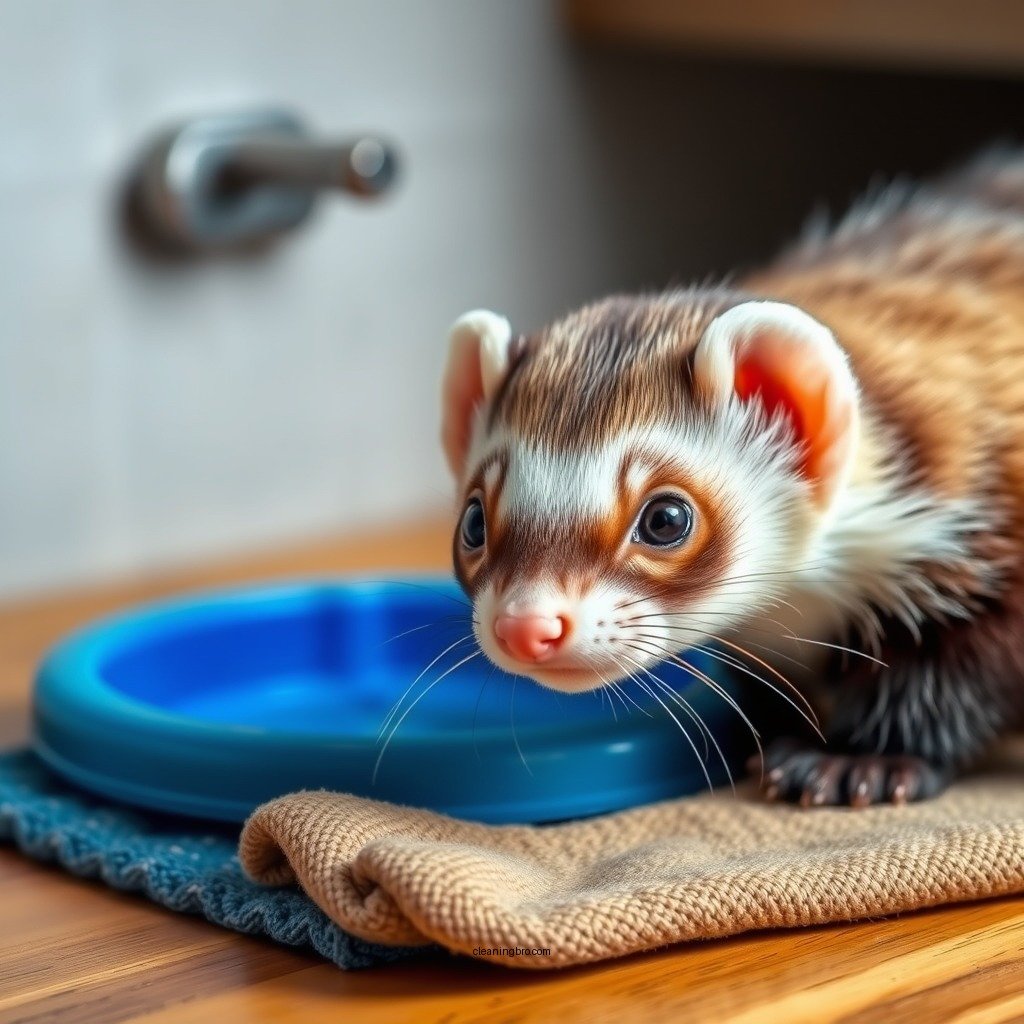
Before you start cleaning your ferret’s ears, gather the following tools:
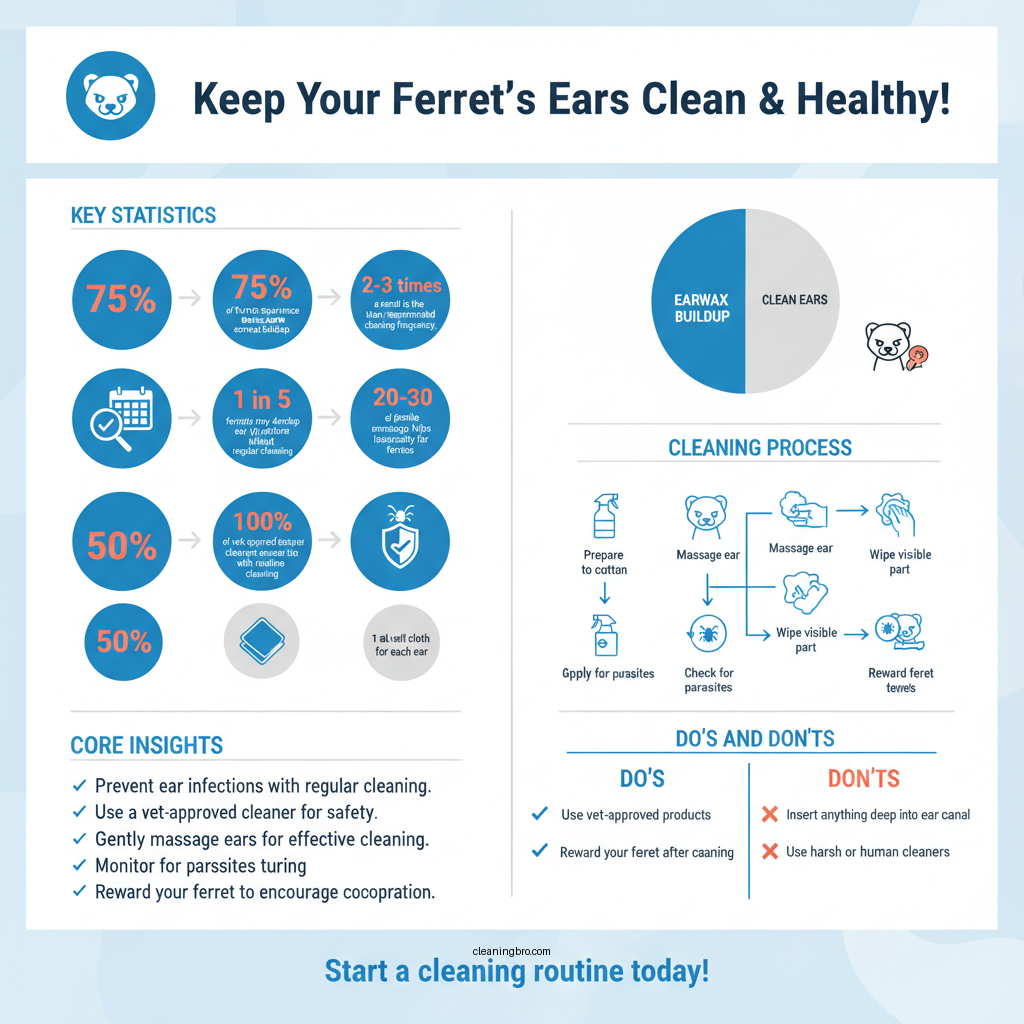
– A soft cloth or cotton ball: These will be used to wipe away debris and excess cleaner gently. Select materials that are gentle on your ferret’s delicate skin.
– A vet-approved ear cleaner specifically for ferrets: It’s crucial to use a product designed for ferrets to avoid any harmful reactions. Many pet stores or veterinary clinics carry suitable ear cleaning solutions.
Using the right tools not only makes the cleaning process more effective but also minimizes discomfort for your ferret.
Step-by-Step Cleaning Process
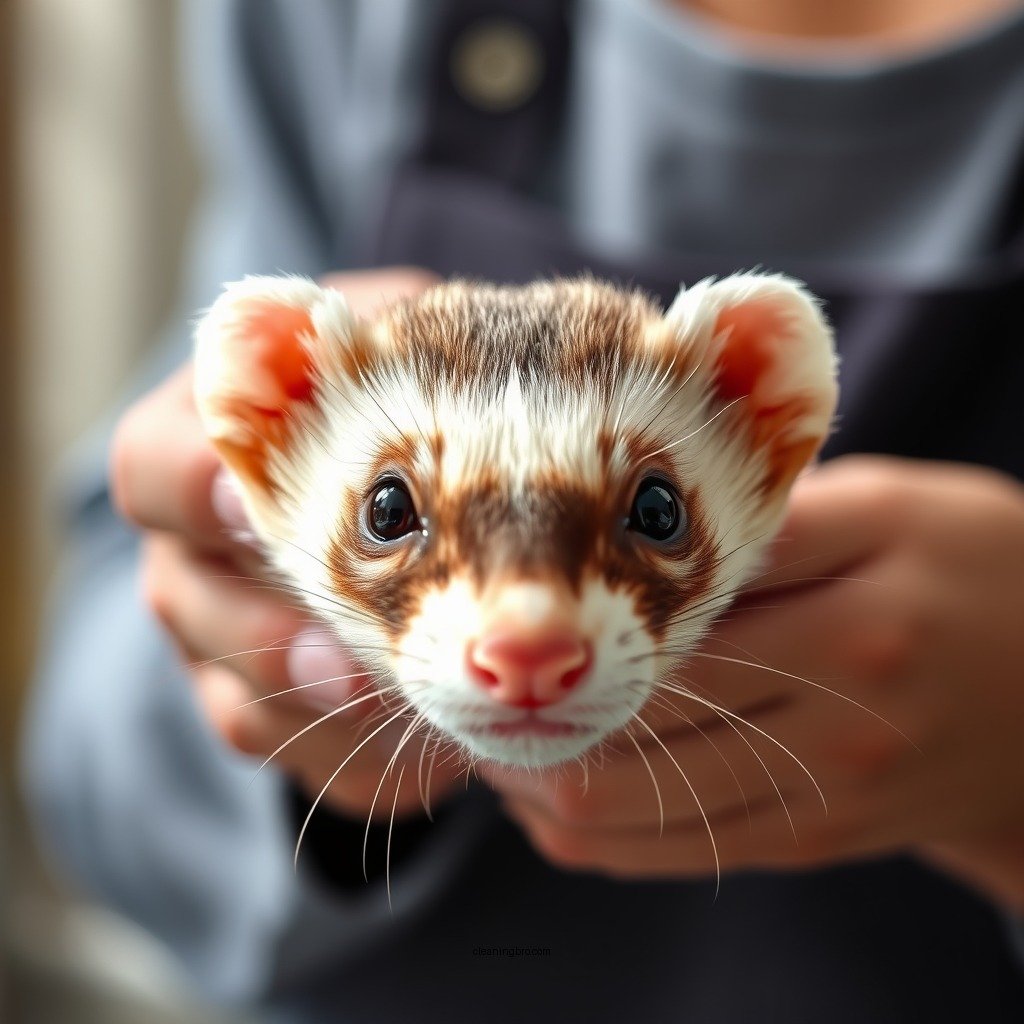
Cleaning your ferret’s ears can be a straightforward process if done correctly. Here’s a step-by-step guide:
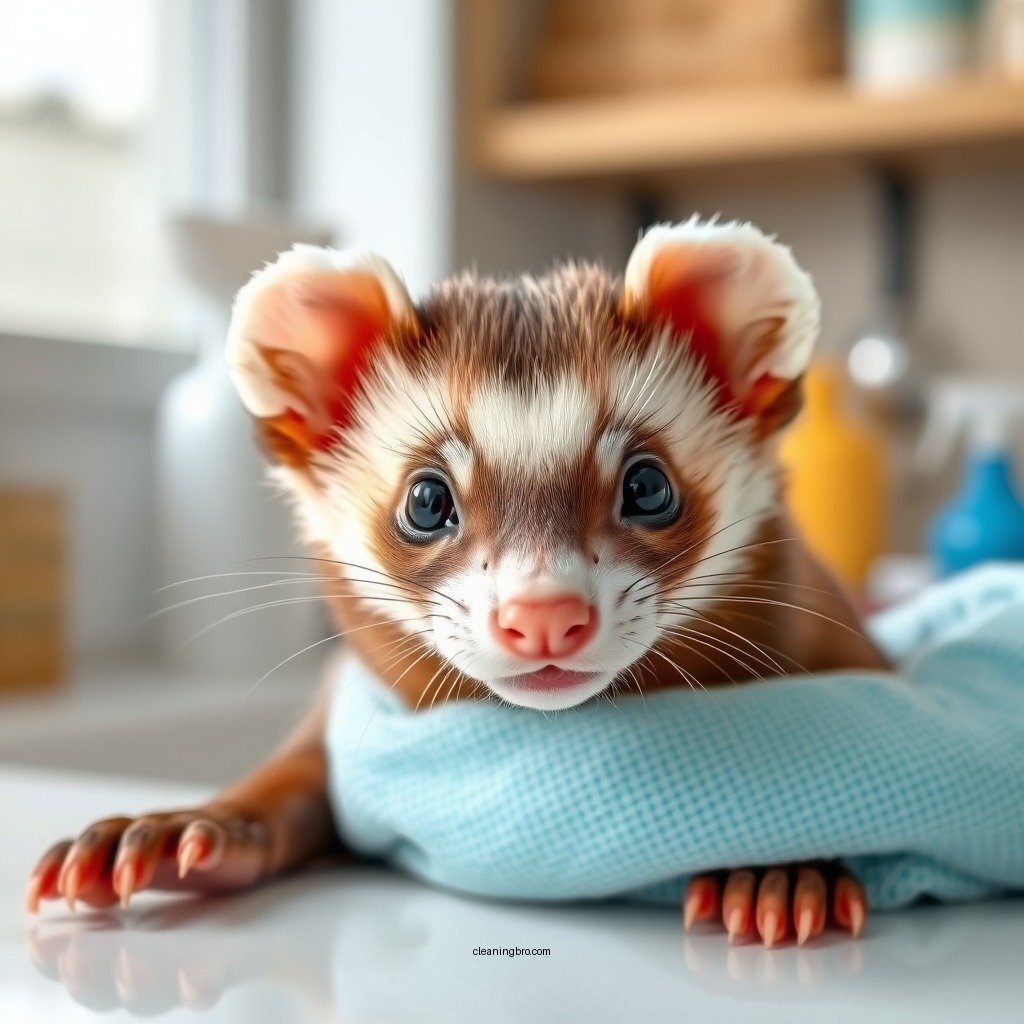
1. Gently hold your ferret to keep them calm: Ensure that your ferret is comfortable before starting. You may want to wrap them in a soft towel to prevent sudden movements and help them feel secure.
2. Apply a few drops of cleaner to the ear flap: Following the instructions on the ear cleaner, gently squeeze a few drops into the ear flap. Be careful not to insert the dropper too deep into the ear canal.
3. Massage gently: After applying the cleaner, massage the base of the ear gently for about 20-30 seconds. This action allows the cleaner to break down wax and debris.
4. Wipe away excess: Use the soft cloth or cotton ball to wipe away any excess cleaner and loosened debris from the ear flap. Be sure to do this gently to avoid causing discomfort.
5. Repeat on the other ear: Follow the same steps for the other ear, ensuring both are thoroughly cleaned.
6. Reward your ferret: After the cleaning process, reward your ferret with a treat to create a positive association with ear cleaning.
Top 7 Ear Cleaning Products for Ferrets (2024)
| # | Product Name | Volume | Price | Effectiveness |
|---|---|---|---|---|
| 1 | Vet’s Best Ear Relief | 4 oz | $10.99 | ★ ★ ★ ★ ★ |
| 2 | TropiClean Ear Cleaner | 4 oz | $9.49 | ★ ★ ★ ★ |
| 3 | PetSafe Ear Cleaner | 8 oz | $12.99 | ★ ★ ★ ★ ★ |
| 4 | Pura Naturals Pet Ear Cleaner | 4 oz | $11.99 | ★ ★ ★ ★ |
| 5 | Vet’s Best Ear Cleaner | 8 oz | $13.99 | ★ ★ ★ ★ ★ |
| 6 | NurtureVet Ear Cleaner | 4 oz | $10.49 | ★ ★ ★ ★ |
| 7 | Zymox Ear Cleaner | 4 oz | $14.99 | ★ ★ ★ ★ |
Signs of Ear Problems
Being attentive to your ferret’s behavior is essential in identifying potential ear problems. Here are some common signs to watch for:
– Excessive scratching or shaking of the head: If your ferret is constantly scratching at their ears or shaking their head, it may indicate irritation or discomfort.
– Unpleasant odor or discharge from the ears: A foul smell or any unusual discharge can be a sign of infection or other issues. If you notice these symptoms, it’s vital to address them promptly, as they may indicate a more serious condition.
– Redness or swelling: Inflammation in or around the ear can indicate an infection or allergic reaction. Monitor for these symptoms, and consult a veterinarian if they persist.
Observing these signs early can help prevent more severe health complications for your ferret.
Frequency of Cleaning
The frequency of ear cleaning depends on your ferret’s individual needs. Generally, it is recommended to clean your ferret’s ears every 2-4 weeks. However, certain factors may necessitate more frequent cleaning:
– Outdoor ferrets: If your ferret spends time outdoors, they may be exposed to more dirt and debris, increasing the likelihood of earwax buildup.
– Health conditions: If your ferret has a history of ear infections or other health issues, your veterinarian may recommend a more frequent cleaning schedule.
– Age and breed: Some breeds may be more prone to ear problems than others. Consult your veterinarian to determine the best cleaning frequency for your ferret based on their specific situation.
Tips for a Stress-Free Experience
Cleaning your ferret’s ears doesn’t have to be a stressful experience for either of you. Here are several tips to ensure a calm and positive environment:
– Create a calm environment before cleaning: Choose a quiet space free from distractions. You might want to play soothing music or talk gently to your ferret to help them relax.
– Use treats and positive reinforcement: Reward your ferret with treats throughout the cleaning process. This will help create a positive association with ear cleaning, making future sessions easier.
– Be gentle and patient: Ferrets can be sensitive, so it’s crucial to handle them gently. If your ferret seems anxious or uncomfortable, take a break and try again later.
Your approach can significantly impact how your ferret responds to ear cleaning, making it a more pleasant experience for both of you.
Ear Cleaning Practices: Manual vs Professional vs Home Remedies
| Feature | ⭐ Manual Cleaning | Professional Cleaning | Home Remedies |
|---|---|---|---|
| Cost | Low | High | Variable |
| Expertise Required | Basic | High | Low |
| Time Required | 15 mins | 30 mins | 10 mins |
| Effectiveness | Good | Very High | Variable |
| Comfort for Pet | High | Medium | Variable |
| Accessibility | Easy | Difficult | Easy |
| Safety | High | Very High | Medium |
| Preparation Time | Low | High | Low |
| Maintenance | Occasional | Regular | Infrequent |
| 🏆 Best For | Pet Owners | Veterinary Clinics | DIY Enthusiasts |
When to Consult a Vet
While regular ear cleaning is beneficial, there are instances when you should consult a veterinarian. If you notice any persistent ear problems despite regular cleaning, it’s essential to seek professional advice.
Additionally, if your ferret shows signs of pain, swelling, or unusual discharge that does not improve, a veterinarian can help diagnose the underlying issue and recommend appropriate treatment. Regular check-ups can also ensure your ferret’s ear health is monitored and maintained over time.
Taking the time to clean your ferret’s ears can significantly enhance their quality of life and prevent health issues. Regular ear maintenance, combined with monitoring for any signs of trouble, will ensure your ferret stays happy and healthy. Don’t hesitate to reach out to your veterinarian if you have any concerns or questions about your ferret’s ear health.
Frequently Asked Questions
How often should I clean my ferret’s ears?
You should clean your ferret’s ears about once a month to prevent the buildup of wax and debris. Regular cleaning helps maintain ear health and can prevent infections. However, monitor your ferret’s ears more frequently if you notice excessive wax or odor.
What is the best way to clean a ferret’s ears?
The best way to clean a ferret’s ears is to use a veterinarian-recommended ear cleaner specifically designed for small animals. Apply a few drops into the ear canal, massage the base of the ear gently, and then let your ferret shake its head to remove excess cleaner and debris. Follow up with a soft cloth to wipe away any remaining dirt.
Why do my ferret’s ears smell bad?
Bad odors from your ferret’s ears can indicate a buildup of wax, dirt, or even an ear infection. It’s important to clean their ears regularly and consult a veterinarian if the smell persists, as this could signal underlying health issues that need attention.
Which tools do I need to clean my ferret’s ears safely?
To clean your ferret’s ears safely, you will need a veterinarian-approved ear cleaner, cotton balls or gauze, and possibly a soft cloth. Avoid using cotton swabs, as they can push debris further into the ear canal and cause injury. Always ensure your cleaning tools are clean and safe for use on pets.
How can I tell if my ferret needs its ears cleaned?
You can tell if your ferret needs its ears cleaned by checking for visible wax buildup, dirt, or an unusual odor. Additionally, if your ferret is frequently scratching at its ears or shaking its head, these may be signs of discomfort or an infection, indicating a need for cleaning or veterinary evaluation.
References
- https://www.ncbi.nlm.nih.gov/pmc/articles/PMC7180029/
https://www.ncbi.nlm.nih.gov/pmc/articles/PMC7180029/ - https://www.mayoclinic.org/diseases-conditions/ferret-health/care-at-home/faq-20057744
https://www.mayoclinic.org/diseases-conditions/ferret-health/care-at-home/faq-20057744 - https://www.vet.cornell.edu/animal-health/ferrets
https://www.vet.cornell.edu/animal-health/ferrets - https://www.animallovers.com/ferret-care/ear-cleaning
https://www.animallovers.com/ferret-care/ear-cleaning - https://www.vetmed.wsu.edu/outreach/Pet-Health-Topics/ferret-ear-cleaning
https://www.vetmed.wsu.edu/outreach/Pet-Health-Topics/ferret-ear-cleaning - https://www.who.int/news-room/fact-sheets/detail/ferrets
https://www.who.int/news-room/fact-sheets/detail/ferrets - https://www.ncbi.nlm.nih.gov/pmc/articles/PMC7457329/
https://www.ncbi.nlm.nih.gov/pmc/articles/PMC7457329/ - Google Scholar Google Scholar
https://scholar.google.com/scholar?q=ferret+ear+cleaning - Google Scholar Google Scholar
https://scholar.google.com/scholar?q=ferret+health+ear+care - Google Scholar Google Scholar
https://scholar.google.com/scholar?q=how+to+clean+a+ferret’s+ears