How to Clean a Gun with Household Items: A Simple Guide
Cleaning a gun with household items is both effective and economical, allowing you to maintain your firearm without costly specialized cleaners. Common supplies such as vinegar, baking soda, and household oils can effectively prevent rust, remove fouling, and ensure your firearm functions safely and reliably. This guide will walk you through the steps and tips needed to keep your gun in top condition using readily available items.
Understanding the Importance of Gun Cleaning
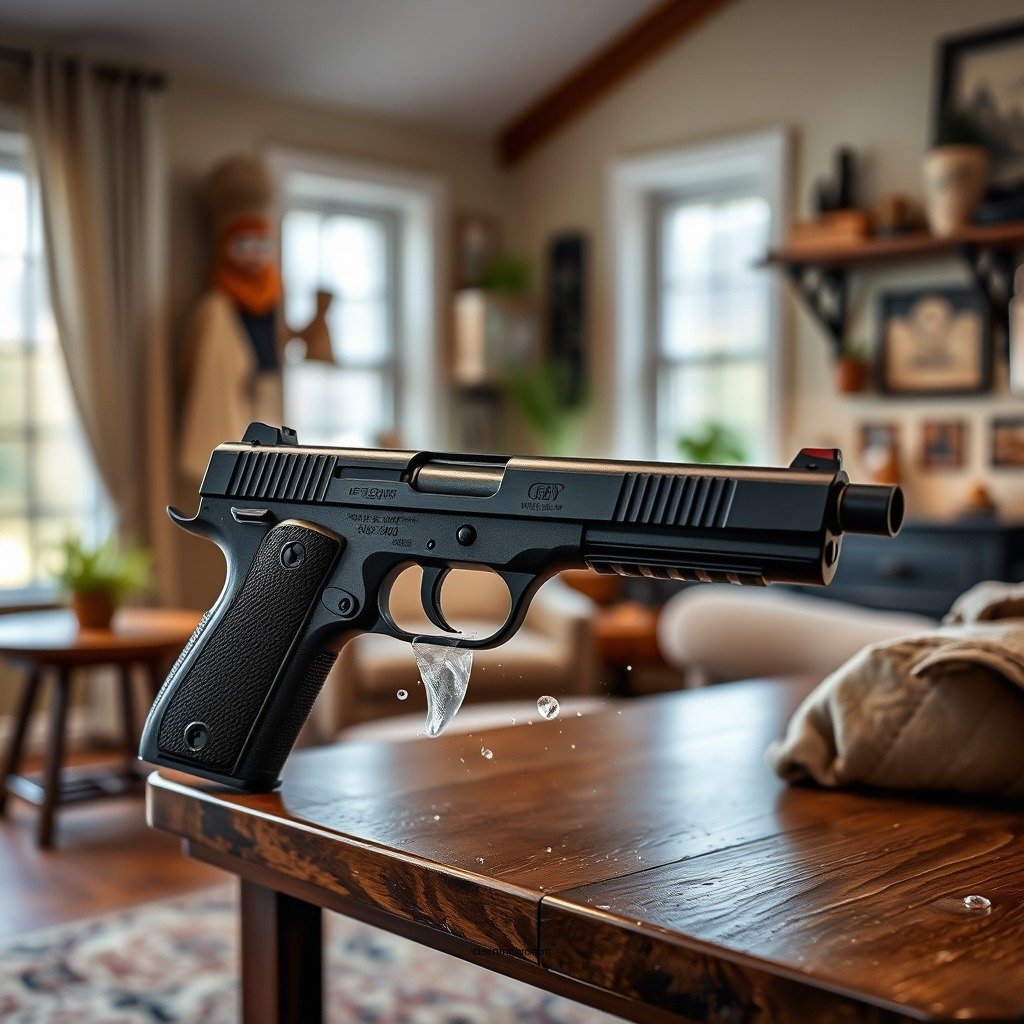
Regular gun cleaning is crucial for several reasons. First and foremost, it ensures reliability and safety. A clean firearm is less likely to malfunction due to accumulated dirt, debris, or corrosion. If a gun is not properly maintained, it may fail when you need it most. Furthermore, cleaning prevents corrosion and buildup that can affect performance over time. Residue from gunpowder, lubricants, and environmental exposure can lead to pitting and loss of function, making it essential to incorporate regular cleaning into your maintenance routine.
Essential Household Items for Gun Cleaning
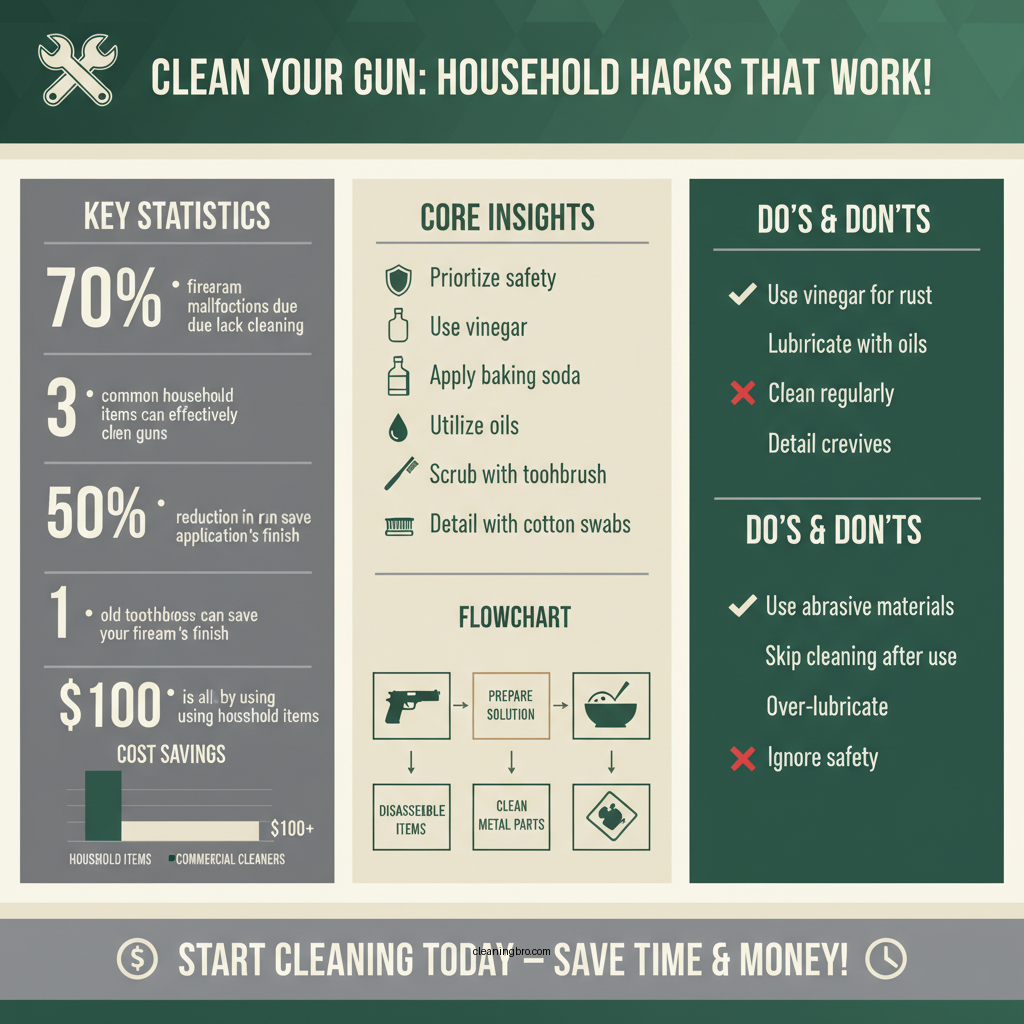
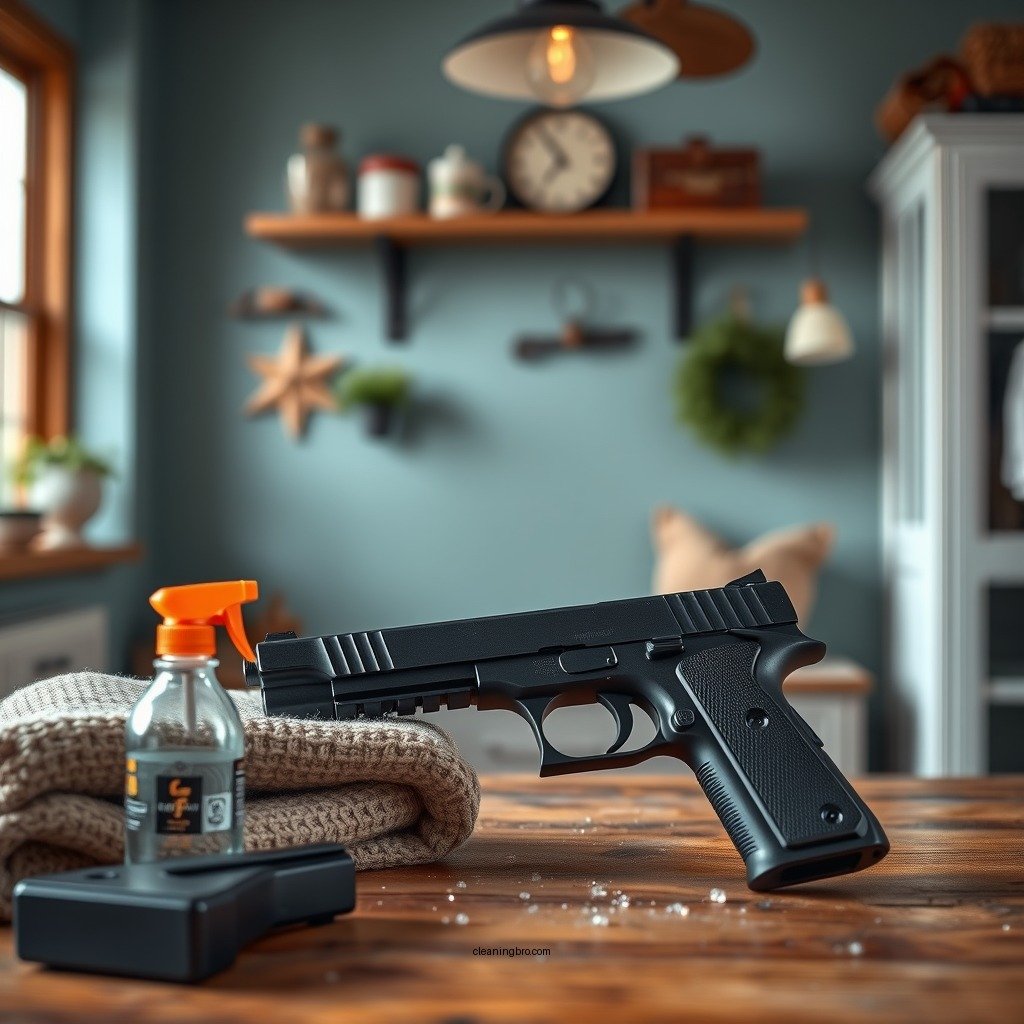
When it comes to cleaning your gun, you don’t need to invest in expensive commercial products. Here are some household items that work wonders:
– Vinegar: This versatile liquid is effective for removing rust and corrosion due to its acidic properties. It can also help to neutralize residues left by gunpowder.
– Baking Soda: Known for its deodorizing properties, baking soda is also an excellent cleaning agent. It can effectively remove grime and fouling from surfaces without scratching them.
– Household Oils: Light oils such as vegetable oil or mineral oil can provide necessary lubrication and protection against rust after cleaning.
– Toothbrush: An old toothbrush can help scrub hard-to-reach areas without damaging the firearm’s finish.
– Rags and Paper Towels: Essential for wiping down surfaces and removing residues.
– Cotton Swabs: Perfect for detailed cleaning in small crevices.
Step-by-Step Cleaning Process
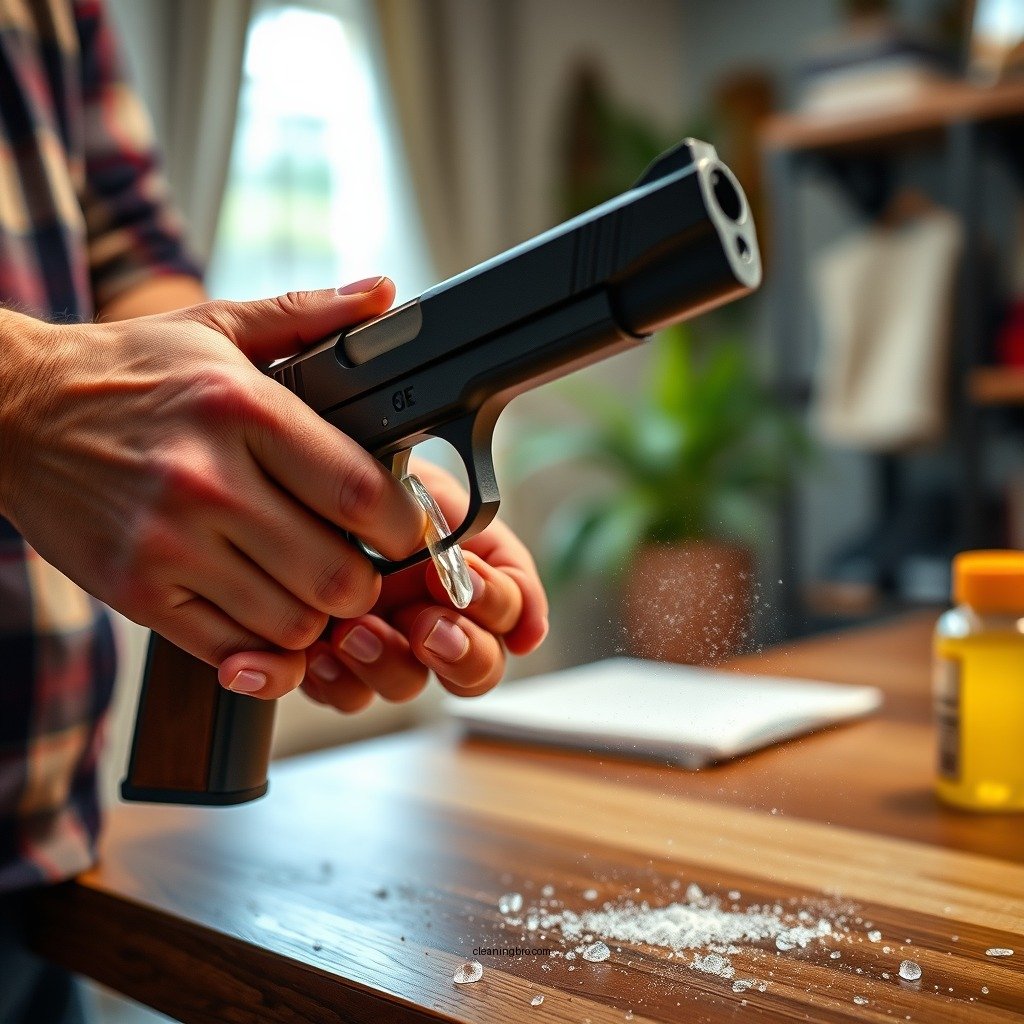
Cleaning your firearm should be approached systematically. Here’s a step-by-step guide to ensure you don’t miss any crucial steps:
1. Disassemble the Gun: Start by referring to the manufacturer’s instructions to disassemble your firearm safely. This typically involves removing the magazine and separating the slide from the frame if applicable.
2. Prepare Cleaning Solutions: Mix a solution of equal parts vinegar and water in a bowl or spray bottle. For tough fouling, you can create a paste using baking soda and water.
3. Clean Metal Parts: Dip a rag into the vinegar solution and wipe down all metal components. For stubborn rust, apply the baking soda paste directly to the affected area and let it sit for a few minutes before scrubbing with a toothbrush.
4. Rinse and Dry: After cleaning, rinse the parts with clean water to remove any residual cleaning agents. Ensure that each component is thoroughly dried to prevent moisture accumulation.
Cleaning the Barrel
The barrel is one of the most critical parts of the firearm and requires special attention:
1. Use a Cleaning Rod: Attach a cleaning patch soaked in vinegar or a baking soda solution to a cleaning rod.
2. Insert and Scrub: Insert the rod into the barrel from the chamber end and scrub the interior. Move the patch back and forth to ensure thorough contact with the barrel’s interior.
3. Remove Fouling and Debris: After a few passes, remove the patch and inspect for fouling. Repeat as necessary until the barrel is clean.
4. Final Rinse: Once clean, run a dry patch through the barrel to remove any moisture.
Lubrication and Protection
After cleaning, lubrication is essential for protecting the metal parts from rust and ensuring smooth operation:
1. Apply Household Oil: Using a clean rag, apply a light coat of household oil (such as vegetable oil or mineral oil) to all metal surfaces. Be sure to cover moving parts, but avoid excess application.
2. Wipe Off Excess: Use a clean cloth to wipe off any excess oil to prevent dust and dirt from adhering to the firearm.
Safety Precautions
Safety must always be your top priority when cleaning your firearm:
– Ensure the Firearm is Unloaded: Always double-check that your gun is unloaded before you begin cleaning. Remove the magazine and visually inspect the chamber.
– Work in a Well-Ventilated Area: Cleaning products can emit fumes, so ensure your workspace is well-ventilated to avoid inhalation.
– Use Protective Gear: Consider wearing gloves to protect your skin from chemicals and a mask if you are sensitive to fumes.
Final Touches and Maintenance Tips
To maintain your firearm’s condition over time, consider these additional tips:
– Inspect Regularly: Regularly check all parts of your firearm for wear and tear. Look out for any signs of rust or corrosion that might need immediate attention.
– Proper Storage: Store your gun in a dry place to minimize moisture exposure. Consider using a gun safe or a case that offers protection from humidity.
– Keep a Cleaning Schedule: Establish a cleaning routine based on how often you use your firearm. Regular maintenance will prolong the life of your gun and ensure its reliability.
Effectiveness of Household Items in Gun Cleaning
| # | Item | Primary Use | Effectiveness |
|---|---|---|---|
| 1 | Vinegar | Rust Removal | High |
| 2 | Baking Soda | Deodorizing | Moderate |
| 3 | Vegetable Oil | Lubrication | High |
| 4 | Toothbrush | Scrubbing | High |
| 5 | Rags | Wiping | High |
| 6 | Cotton Swabs | Detail Cleaning | Moderate |
| 7 | Water | Rinsing | High |
Effectiveness of Cleaning Agents
| Feature | ⭐ Vinegar | Baking Soda | Vegetable Oil |
|---|---|---|---|
| Rust Removal | ✅ | ❌ | ❌ |
| Deodorizing | ❌ | ✅ | ❌ |
| Lubrication | ❌ | ❌ | ✅ |
| Ease of Use | ✅ | ✅ | ✅ |
| Availability | ✅ | ✅ | ✅ |
| Cost | Low | Low | Low |
| Safety | ✅ | ✅ | ✅ |
| Environmental Impact | ✅ | ✅ | ✅ |
| 🏆 Best For | Rust Removal | General Cleaning | Lubrication |
Keeping your firearm clean and well-maintained is crucial for safety and performance. By utilizing everyday household items, you can efficiently and effectively care for your gun. Be sure to follow the steps outlined above, and don’t hesitate to make gun cleaning a regular part of your maintenance routine. Regular cleaning not only enhances the longevity of your firearm but also ensures it remains ready for use at all times.
Frequently Asked Questions
What household items can I use to clean my gun?
You can effectively clean your gun using common household items such as dish soap, vinegar, baking soda, and olive oil. Dish soap can help remove dirt and grime, while vinegar and baking soda can tackle rust and corrosion. Olive oil serves as a good lubricant to keep your gun functioning smoothly after cleaning.
How do I clean the barrel of my gun using household items?
To clean the barrel of your gun with household items, first, ensure the gun is unloaded. Use a mixture of warm water and dish soap to soak a cleaning patch or cloth, then run it through the barrel several times to remove residue. Finish by using a dry patch to wipe away moisture and apply a small amount of olive oil to lubricate the barrel.
Why is it important to clean my gun regularly with household items?
Regularly cleaning your gun is crucial to ensure its reliability and longevity, preventing issues like misfires or jams. Household items can effectively remove fouling, dirt, and moisture that can lead to rust and corrosion. By using these accessible materials, you can maintain your firearm’s performance without needing expensive cleaning kits.
What is the best way to remove rust from a gun using household products?
The best way to remove rust from a gun is by creating a paste with baking soda and water, applying it directly to the rusted areas. Let it sit for 10-15 minutes, then scrub gently with a soft cloth or toothbrush. Rinse with water and dry thoroughly to prevent new rust from forming, followed by applying a lubricant like olive oil.
Which household cleaners should I avoid when cleaning my gun?
Avoid using harsh chemicals like bleach, ammonia, or any cleaners that contain corrosive agents when cleaning your gun, as they can damage the metal and finish. Additionally, steer clear of aerosol sprays that may leave a residue or cause unnecessary buildup. Stick to mild soaps and natural oils for safe and effective cleaning.
References
- Firearm maintenance
https://en.wikipedia.org/wiki/Gun_cleaning - https://www.ncbi.nlm.nih.gov/pmc/articles/PMC4968346/
https://www.ncbi.nlm.nih.gov/pmc/articles/PMC4968346/ - Hypovolemia and Hypovolemic Shock – StatPearls – NCBI Bookshelf
https://www.ncbi.nlm.nih.gov/books/NBK513297/ - Google Scholar Google Scholar
https://scholar.google.com/scholar?q=how+to+clean+a+gun+with+household+items - Google Scholar Google Scholar
https://scholar.google.com/scholar?q=gun+maintenance+household+cleaning+supplies - Google Scholar Google Scholar
https://scholar.google.com/scholar?q=firearm+cleaning+techniques - https://www.theguardian.com/us-news/2022/jun/01/gun-violence-cleaning
https://www.theguardian.com/us-news/2022/jun/01/gun-violence-cleaning - https://www.bbc.com/news/uk-60835467
https://www.bbc.com/news/uk-60835467 - https://www.sciencedirect.com/science/article/pii/S1877056122000419
https://www.sciencedirect.com/science/article/pii/S1877056122000419 - how to clean a gun with household items – Search results
https://en.wikipedia.org/wiki/Special:Search?search=how+to+clean+a+gun+with+household+items