How to Clean a Horse’s Sheath: A Step-by-Step Guide
Cleaning a horse’s sheath is vital for maintaining your horse’s hygiene and preventing infections. This important grooming task involves gentle cleaning to remove smegma and debris, which can lead to discomfort and health issues if left unattended. In this article, you’ll learn best practices for cleaning a horse’s sheath safely and effectively, ensuring your equine friend remains comfortable and healthy.
Understanding the Importance of Sheath Cleaning
Maintaining the hygiene of a horse’s sheath is crucial for several reasons. Regular cleaning prevents discomfort and potential health issues, such as infections or irritations that can arise from smegma build-up. Smegma is a combination of dead skin cells, oils, and other debris that can accumulate in the sheath area. If not cleaned regularly, it can lead to conditions such as balanitis (inflammation of the glans penis) or even more severe infections that require veterinary intervention.
In addition to preventing health issues, sheath cleaning contributes to your horse’s overall well-being. Horses are sensitive animals, and discomfort in sensitive areas can lead to changes in behavior, such as irritability or reluctance to perform. By incorporating sheath cleaning into your regular grooming routine, you can help ensure your horse remains happy and healthy.
When to Clean the Sheath
The frequency of sheath cleaning can vary widely depending on several factors, including the individual horse’s anatomy and lifestyle. Generally, it is recommended to clean a horse’s sheath every 6 to 12 months. However, some horses may require more frequent cleaning, especially if they produce a significant amount of smegma or if they are in a particularly dirty environment.
Signs that indicate cleaning is needed include an unpleasant odor emanating from the sheath, visible swelling or irritation, or excessive smegma build-up. If you notice any of these signs, it is best to schedule a cleaning session as soon as possible to prevent further complications.
Preparing for the Cleaning Process
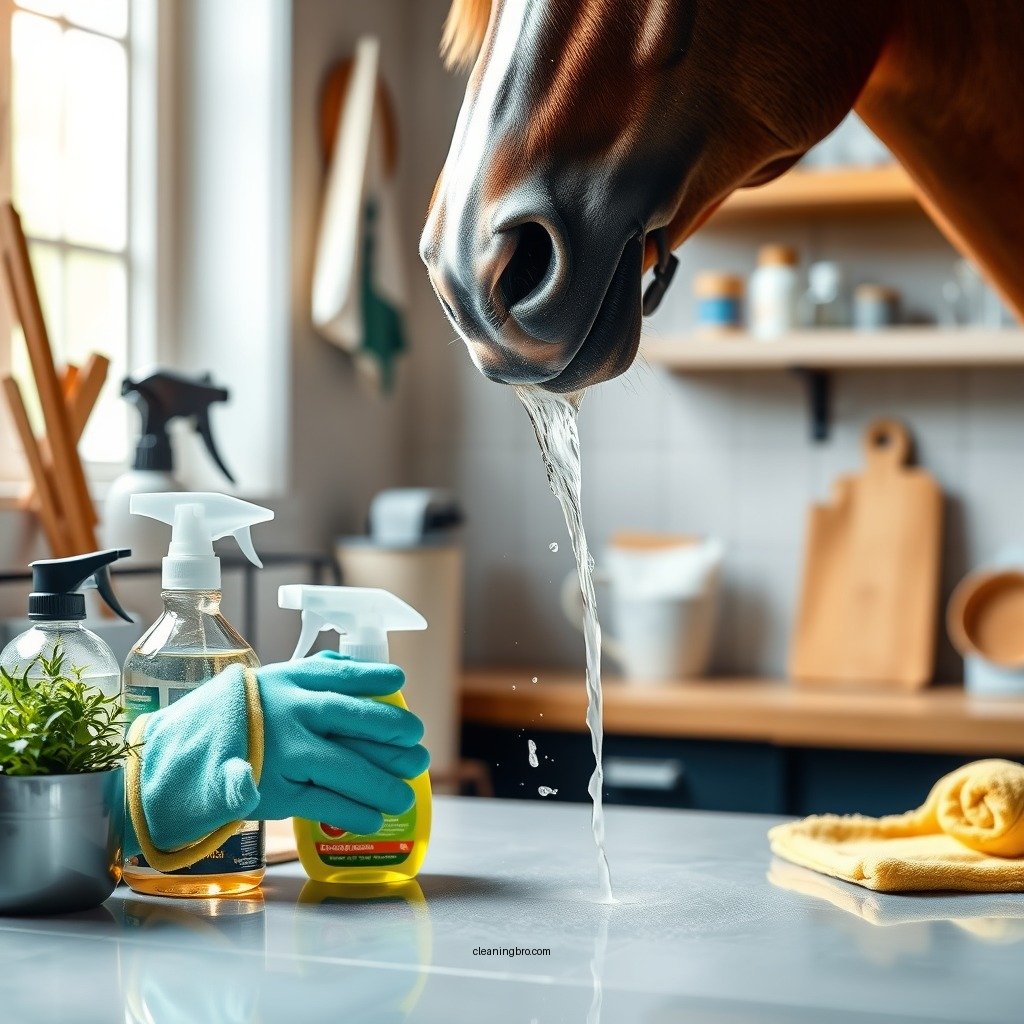
To ensure a smooth and effective cleaning process, it is essential to prepare adequately. Start by gathering the necessary supplies:
– Gloves: Protect your hands and maintain hygiene.
– Warm water: Helps to soften smegma and makes cleaning easier.
– Mild soap: Use a gentle soap to avoid irritation.
– Soft cloth or sponge: For gentle cleaning without causing discomfort.
Before starting the cleaning, ensure that your horse is calm and secure. It is advisable to tie your horse in a safe area where they feel comfortable. You may want to enlist the help of a friend or another handler to keep your horse steady during the process.
📋 DATA
Top 7 Horse Grooming Products for Sheath Cleaning (2024)
| # | Product | Type | Rating | Price |
|---|---|---|---|---|
| 1 | Farnam Sheath Cleaner | Liquid | ★★★★☆ | $15.99 |
| 2 | Equine Sheath Cleaner | Foam | ★★★★★ | $18.50 |
| 3 | Horse Sheath Cleanser | Gel | ★★★★☆ | $12.99 |
| 4 | Vet’s Best Sheath Cleaner | Liquid | ★★★★☆ | $14.99 |
| 5 | Pura Naturals Sheath Cleaner | Organic | ★★★★★ | $20.00 |
| 6 | Absorbine Sheath Cleaner | Liquid | ★★★★☆ | $16.50 |
| 7 | EquiWash Sheath Cleaner | Foam | ★★★★★ | $17.99 |
Step-by-Step Cleaning Instructions
Once you have prepared the necessary supplies and set your horse up in a secure area, follow these step-by-step instructions for a safe and effective cleaning process:
1. Soften the Smegma: Begin by applying warm water to the sheath area. This helps to soften any smegma build-up, making it easier to clean. You can use a sponge soaked in warm water for this step.
2. Gently Clean the Sheath: With your gloved hand, carefully clean the sheath using a soft cloth or sponge. Avoid harsh scrubbing, as the skin in this area is sensitive. Instead, gently wipe the area, focusing on removing any accumulated smegma and debris.
3. Rinse Thoroughly: After cleaning, rinse the area with clean, warm water to remove any soap residue. It is essential to ensure that no soap is left behind, as this could cause irritation.
4. Dry the Area: Use a clean towel to gently pat the area dry. Avoid rubbing, as this could cause discomfort to the horse.
5. Inspect for Issues: After cleaning, take a moment to inspect the sheath and surrounding area for any signs of irritation, swelling, or injury. If you notice anything unusual, consult your veterinarian.
Tips for a Successful Cleaning Experience
To make the cleaning experience as smooth as possible, consider the following tips:
– Use Positive Reinforcement: Reward your horse with treats or praise during and after the process. This will help create a positive association with sheath cleaning, making it easier in the future.
– Be Patient: Some horses may be more sensitive or nervous about this procedure. Allow your horse time to get used to the process, and don’t rush it. If your horse seems anxious, take a break and try again later.
– Choose the Right Time: Pick a time when your horse is calm and relaxed, such as after a workout or when they are grazing.
– Seek Help if Necessary: If you are unsure about cleaning your horse’s sheath or if your horse is particularly difficult to handle, consider hiring a professional groomer or consulting your veterinarian for assistance.
🔀 COMPARISON
Farnam vs. Equine vs. Vet’s Best: Sheath Cleaner Comparison
| Feature | ⭐ Farnam | Equine | Vet’s Best |
|---|---|---|---|
| Type | Liquid | Foam | Liquid |
| pH Balanced | ✅ | ✅ | ✅ |
| Organic Ingredients | ❌ | ✅ | ❌ |
| Scented | ✅ | ✅ | ❌ |
| Price | $15.99 | $18.50 | $14.99 |
| Veterinarian Recommended | ✅ | ✅ | ✅ |
| Availability | Online / Retail | Online | Online / Retail |
| Customer Rating | ★★★★★ | ★★★★★ | ★★★★☆ |
| 🏆 Best For | Effective Cleaning | Foam Application | Affordable Option |
Post-Cleaning Care
After completing the cleaning process, it is essential to inspect the area for any signs of irritation or injury. Look for redness, swelling, or unusual discharge, as these could indicate an underlying issue that may require veterinary attention. If you notice anything abnormal, do not hesitate to consult your veterinarian for further guidance.
Moreover, maintaining regular checks on your horse’s sheath can help you stay ahead of potential problems. If you keep an eye on the area, you can address any issues before they develop into more serious conditions.
Common Mistakes to Avoid
When cleaning a horse’s sheath, there are several common mistakes to be aware of, as they can lead to complications:
– Skipping Cleaning Altogether: Some horse owners may neglect sheath cleaning due to discomfort or lack of knowledge. However, regular cleaning is essential for preventing health issues.
– Over-Cleaning: Conversely, cleaning too frequently can also cause irritation. Aim for the recommended frequency based on your horse’s needs.
– Using Harsh Chemicals or Tools: Avoid using abrasive materials or harsh soaps that can irritate the sensitive skin of the sheath. Always opt for gentle, pH-balanced products specifically designed for equine use.
By understanding these common pitfalls and adhering to best practices, you can ensure a safe and effective cleaning experience for your horse.
Maintaining your horse’s sheath hygiene is crucial for their overall health and comfort. By following these steps and tips, you can ensure a smooth cleaning process and keep your horse happy. If you have any concerns or notice abnormalities, consult your veterinarian for further guidance. Your horse’s health is worth the effort!
Frequently Asked Questions
What is the best way to clean a horse’s sheath?
The best way to clean a horse’s sheath involves using a mild soap, warm water, and a soft cloth or sponge. It’s important to be gentle and avoid using harsh chemicals that could irritate the sensitive skin. Start by securing your horse in a safe area, then carefully clean the exterior and, if necessary, the inside of the sheath, rinsing thoroughly to remove all soap residue.
How often should I clean my horse’s sheath?
You should clean your horse’s sheath every 6 to 12 months, depending on the horse’s individual needs and hygiene. Horses that are more prone to buildup of smegma may require more frequent cleanings, while others may only need it done once a year. Regular cleaning helps prevent infections and promotes overall health.
Why is it important to clean a horse’s sheath?
Cleaning a horse’s sheath is important to prevent the buildup of smegma, which can lead to infections, irritation, or even serious health issues. A clean sheath contributes to the overall hygiene and well-being of your horse, ensuring they remain comfortable and free from potential complications.
Which tools and products are recommended for sheath cleaning?
Recommended tools for sheath cleaning include a mild soap specifically designed for horses, soft sponges or cloths, and possibly equine lubricant if needed. Avoid human soaps or strong detergents, as they can irritate the sensitive skin. Always have clean water on hand for rinsing to ensure all cleaning products are completely washed away.
What should I do if my horse resists sheath cleaning?
If your horse resists sheath cleaning, it’s important to approach the situation with patience and care. Start by desensitizing your horse to touch around the area using gentle strokes and rewards. If your horse continues to be uncomfortable, consider enlisting the help of a veterinarian or experienced equine professional to ensure the cleaning is done safely and effectively.
References
- https://www.extension.purdue.edu/extmedia/VET/VET-610-W.pdf
https://www.extension.purdue.edu/extmedia/VET/VET-610-W.pdf - https://www.thehorse.com/articles/38468/cleaning-the-horses-sheath
https://www.thehorse.com/articles/38468/cleaning-the-horses-sheath - https://vetmed.tamu.edu/news/2017/cleaning-a-horses-sheath/
https://vetmed.tamu.edu/news/2017/cleaning-a-horses-sheath/ - David, Connie & Theo (L to R) with grooms, six months after rescue. (The Donkey Sanctuary) – Hors…
https://www.horseandhound.co.uk/expert-advice/clean-horses-sheath-718159 - Google Scholar Google Scholar
https://scholar.google.com/scholar?q=how+to+clean+a+horses+sheath - Google Scholar Google Scholar
https://scholar.google.com/scholar?q=sheath+cleaning+in+horses - Google Scholar Google Scholar
https://scholar.google.com/scholar?q=equine+health+maintenance - https://pubmed.ncbi.nlm.nih.gov/28445579/
https://pubmed.ncbi.nlm.nih.gov/28445579/ - https://www.vet.cornell.edu/health/horse-health/sheet-cleaning
https://www.vet.cornell.edu/health/horse-health/sheet-cleaning - Google Scholar Google Scholar
https://scholar.google.com/scholar?q=how+to+clean+a+horse’s+sheath