How to Clean a Power Steering Reservoir: Step-by-Step Guide
Cleaning a power steering reservoir is essential for maintaining optimal vehicle performance. This process involves draining the old fluid, thoroughly cleaning the reservoir, and refilling it with fresh fluid. By following these steps, you can ensure that your power steering system operates smoothly, enhancing the longevity and efficiency of your vehicle’s steering capabilities.
Gather Necessary Tools and Materials
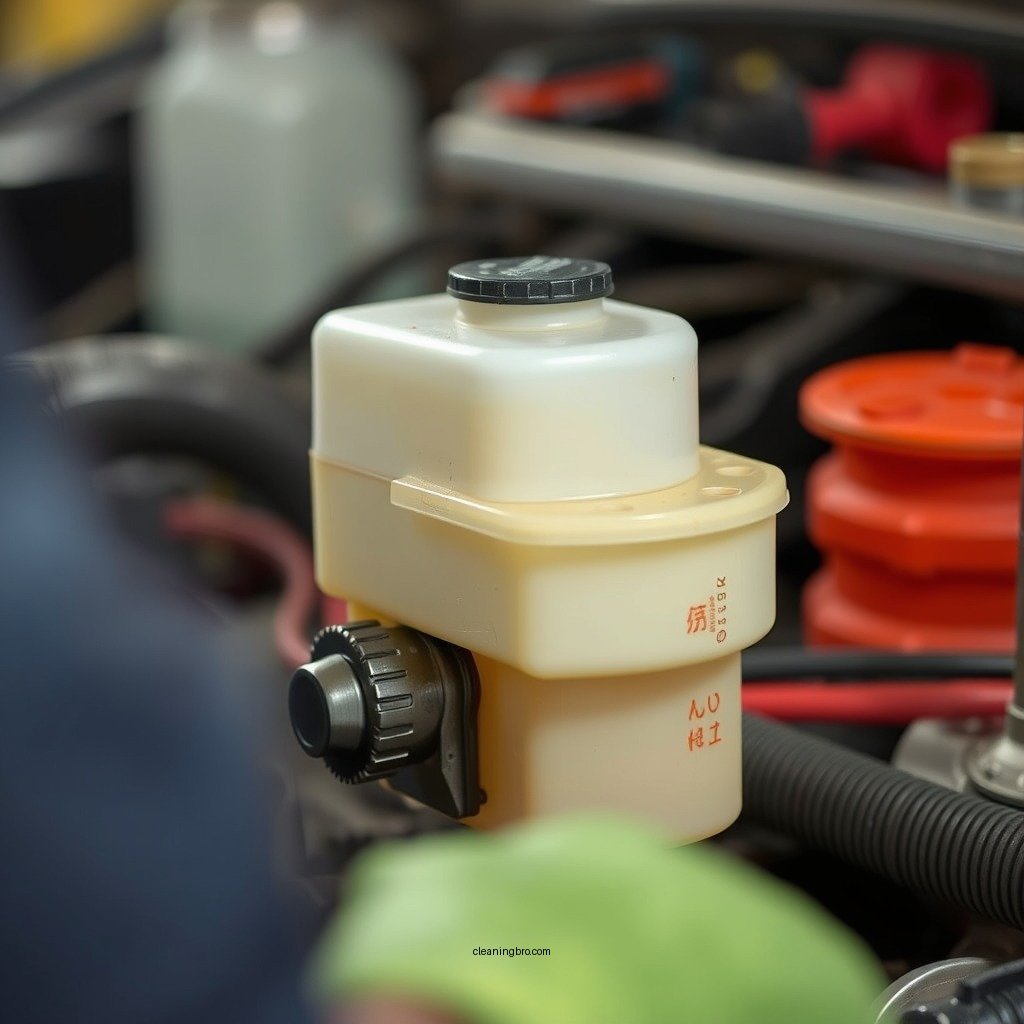
Before starting the cleaning process, it’s important to gather all the necessary tools and materials to make the job easier and more efficient. Here’s a list of what you will need:
– Power steering fluid (new): Ensure you have the correct type of fluid specified in your vehicle’s manual. Using the wrong fluid can lead to system damage.
– Clean rags or paper towels: These will be used to wipe down the reservoir and clean up any spills.
– A funnel for refilling: A funnel helps avoid spills when adding new fluid, ensuring that the process is as neat as possible.
– A container for draining old fluid: Choose a container that can hold at least the same amount as your reservoir to avoid overflow during the draining process.
Having these items ready will streamline your cleaning process, allowing you to focus on the task at hand without unnecessary interruptions.
Safety Precautions

Safety is paramount when working on any vehicle system, particularly one involving fluids. Here are some key safety precautions to follow:
– Ensure the engine is off and cool before beginning: This minimizes the risk of burns and ensures that the fluid has settled to a safe temperature.
– Wear gloves and safety glasses: Protecting your skin and eyes is essential, as power steering fluid can irritate the skin and eyes. Gloves also provide a better grip while handling tools and materials.
Taking these precautions will help ensure your safety while performing this maintenance task.
Draining the Old Power Steering Fluid
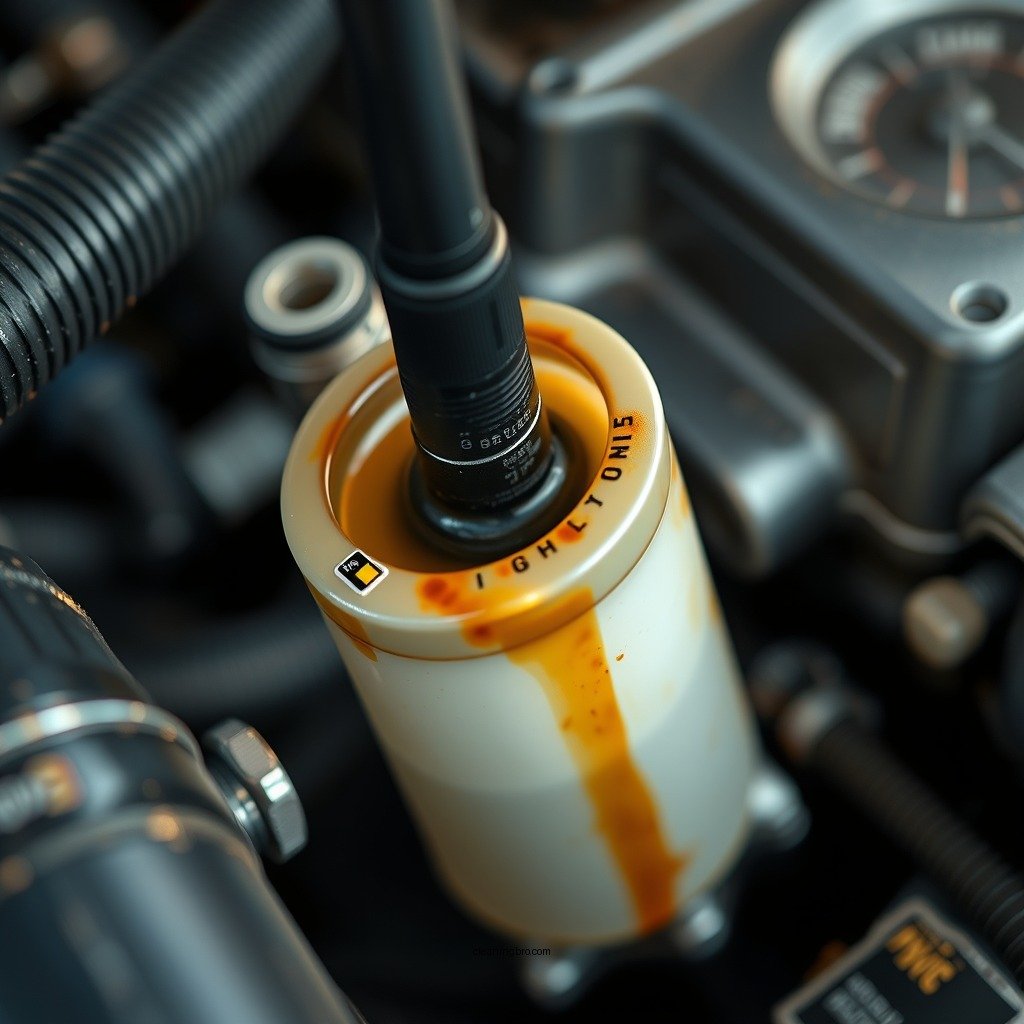
The first step in cleaning your power steering reservoir is to drain the old fluid. Follow these steps:
– Locate the power steering reservoir: This is typically found near the front of the engine compartment, often marked with a steering wheel symbol or labeled directly.
– Remove the cap: Carefully unscrew or pull off the cap of the reservoir. Be cautious of any pressure that might have built up.
– Use a turkey baster or siphon: Insert the turkey baster or siphon into the reservoir to extract the old fluid. If using a turkey baster, squeeze the bulb to create suction and draw out the fluid. Transfer the extracted fluid into your container for disposal.
It’s vital to remove as much of the old fluid as possible to ensure that the cleaning process is effective.
Cleaning the Reservoir
Once the old fluid is drained, you can proceed to clean the reservoir itself. Here’s how:
– Wipe the inside of the reservoir: Use a clean rag or paper towel to wipe down the interior surfaces of the reservoir. This will help remove any dirt, grime, or residue that may have accumulated over time.
– Use a suitable cleaner if there’s residue or buildup: If you notice any stubborn residue, consider using a mild cleaner specifically designed for automotive applications. Follow the manufacturer’s instructions, and rinse thoroughly with clean power steering fluid to ensure no cleaner residue remains.
This thorough cleaning will help prevent contaminants from entering the power steering system when you refill it.
Refilling the Reservoir
After the reservoir is clean, it’s time to refill it with new power steering fluid:
– Use a funnel to carefully pour new power steering fluid into the reservoir: Ensure that you fill the reservoir to the recommended level. Overfilling or underfilling can lead to steering issues.
– Check the fluid level with the dipstick (if available): If your reservoir has a dipstick, use it to check the fluid level. Add more fluid if necessary until it reaches the appropriate mark.
Proper fluid levels are crucial for the optimal functioning of your power steering system, so take your time to get this right.
Checking for Leaks and Proper Operation
Once you have refilled the reservoir, it’s important to check for any potential leaks or operational issues:
– Start the engine and turn the steering wheel: This will help circulate the new fluid throughout the system. Listen for any unusual noises that may indicate a problem.
– Inspect the reservoir and hoses for any signs of leaks: Look closely at the connections and rubber hoses for any signs of fluid seeping out. Addressing leaks immediately can prevent more significant issues down the line.
This step is crucial to ensure that your power steering system is functioning correctly and safely.
Maintenance Tips
To keep your power steering system in top shape, consider the following maintenance tips:
– Regularly check fluid levels and condition: Make it a habit to check the power steering fluid level and its condition regularly. If the fluid appears dark or contaminated, it may be time for another cleaning.
– Replace fluid every 30,000 to 50,000 miles: Refer to your vehicle’s manual for specific recommendations on fluid replacement intervals. Regularly changing the fluid can help prevent wear on the system components.
Incorporating these maintenance tips into your routine can greatly extend the life of your power steering system.
Power Steering Fluid Types and Characteristics
| # | Fluid Type | Viscosity | Temperature Range | Best For |
|---|---|---|---|---|
| 1 | ATF (Automatic Transmission Fluid) | Dexron III | -40°F to 140°F | Most vehicles |
| 2 | Synthetic Power Steering Fluid | Varies | -40°F to 300°F | High-performance systems |
| 3 | Mineral Power Steering Fluid | ISO 32 | -20°F to 120°F | Older vehicles |
| 4 | Bio-Based Power Steering Fluid | Varies | -40°F to 250°F | Eco-friendly options |
| 5 | Universal Power Steering Fluid | Varies | -20°F to 130°F | Various makes |
| 6 | Chrysler Power Steering Fluid | Varies | -30°F to 220°F | Chrysler vehicles |
| 7 | Ford Power Steering Fluid | Varies | -30°F to 240°F | Ford vehicles |
Power Steering Fluid Types: Comparison
| Feature | ⭐ Synthetic Power Steering Fluid | Mineral Power Steering Fluid | Bio-Based Power Steering Fluid |
|---|---|---|---|
| Compatibility | ✅ High | ✅ Moderate | ✅ Low |
| Temperature Resistance | ✅ Excellent | ✅ Good | ✅ Good |
| Viscosity | ✅ Variable | ✅ Fixed | ✅ Variable |
| Environmental Impact | ✅ Moderate | ✅ High | ✅ Very Low |
| Price | $10 – $20 | $5 – $10 | $15 – $25 |
| Longevity | ✅ Up to 5 years | ✅ Up to 3 years | ✅ Up to 4 years |
| Noise Reduction | ✅ Very Good | ✅ Good | ✅ Fair |
| Corrosion Resistance | ✅ Excellent | ✅ Moderate | ✅ Good |
| Additives | ✅ High-quality | ✅ Basic | ✅ Organic |
| 🏆 Best For | High-performance vehicles | Older cars | Eco-conscious drivers |
Maintaining a clean power steering reservoir is a vital aspect of vehicle upkeep. By following the outlined steps to clean and refill the reservoir, you ensure that your power steering system functions at its best, enhancing the safety and drivability of your vehicle. Regular maintenance not only prolongs the life of your steering system but also improves overall vehicle reliability. By incorporating these practices into your routine, you can mitigate potential issues and enjoy a smoother driving experience.
Frequently Asked Questions
How do I know if my power steering reservoir needs cleaning?
Signs that your power steering reservoir needs cleaning include difficulty steering, unusual noises when turning the wheel, or a low fluid level. Additionally, if the fluid appears dirty or has a burnt smell, it indicates contamination and that cleaning or flushing is necessary to maintain optimal steering performance.
What is the best method to clean a power steering reservoir?
The best method to clean a power steering reservoir involves first disconnecting the power steering pump and draining the old fluid. Once drained, use a soft cloth or brush to remove any debris inside the reservoir, followed by rinsing it with a power steering fluid or a suitable cleaner to ensure all contaminants are removed before refilling with fresh fluid.
Why is it important to clean the power steering reservoir?
Cleaning the power steering reservoir is crucial because accumulated dirt and debris can lead to blockages, reduced fluid efficiency, and premature wear of the power steering pump and components. Regular maintenance helps ensure smooth steering and prolongs the lifespan of your vehicle’s steering system.
Which tools do I need to clean a power steering reservoir effectively?
To clean a power steering reservoir effectively, you will need basic tools such as a wrench for disconnection, a drain pan for fluid collection, a soft brush or cloth for scrubbing, and possibly a funnel for refilling. Having the correct power steering fluid for your vehicle is also essential for optimal performance after cleaning.
How often should I clean or replace the power steering reservoir fluid?
It is recommended to clean or replace the power steering reservoir fluid every 30,000 to 60,000 miles, or as specified in your vehicle’s owner manual. Regular checks for fluid condition and levels can help determine if cleaning is needed sooner, especially if you notice steering issues or fluid contamination.
References
- Google Scholar Google Scholar
https://scholar.google.com/scholar?q=cleaning+power+steering+reservoir - https://www.cdc.gov/niosh/topics/automotive/index.html
https://www.cdc.gov/niosh/topics/automotive/index.html - https://www.mayoclinic.org/healthy-lifestyle/consumer-health/in-depth/power-steering-reservoir/art-20437083
https://www.mayoclinic.org/healthy-lifestyle/consumer-health/in-depth/power-steering-reservoir/art-20437083 - https://www.nytimes.com/2020/11/17/automobiles/power-steering-fluid.html
https://www.nytimes.com/2020/11/17/automobiles/power-steering-fluid.html - Google Scholar Google Scholar
https://scholar.google.com/scholar?q=power+steering+fluid+maintenance - https://www.edmunds.com/car-care/how-to-change-your-power-steering-fluid.html
https://www.edmunds.com/car-care/how-to-change-your-power-steering-fluid.html - https://www.sciencedirect.com/science/article/pii/S030626191730188X
https://www.sciencedirect.com/science/article/pii/S030626191730188X - https://www.britannica.com/topic/power-steering-system
https://www.britannica.com/topic/power-steering-system - Google Scholar Google Scholar
https://scholar.google.com/scholar?q=how+to+clean+a+power+steering+reservoir - how to clean a power steering reservoir – Search results
https://en.wikipedia.org/wiki/Special:Search?search=how+to+clean+a+power+steering+reservoir