How to Clean a Wrist Splint: Step-by-Step Guide
Cleaning your wrist splint is essential for maintaining hygiene and ensuring its longevity. To effectively clean a wrist splint, you can use mild soap and water, but always refer to the manufacturer’s instructions for specific cleaning guidelines. In this article, you’ll learn the best techniques and tips for properly cleaning your wrist splint, ensuring that it remains effective and hygienic for daily use.
Understanding Your Wrist Splint Material
The first step in cleaning your wrist splint effectively is understanding the material from which it is made. Wrist splints can be composed of various materials including fabric, plastic, and metal. Each material requires a specific cleaning method to avoid damage. For example, fabric splints can often be washed with soap and water, while plastic components may require more careful handling to avoid scratches or wear.
Before cleaning, always check the care instructions provided by the manufacturer, which are typically found on the label or packaging. These instructions will guide you in choosing the appropriate cleaning method and any specific products that should or should not be used. For instance, some splints may be machine washable, whereas others may only be suitable for hand washing. Understanding these details can significantly extend the life of your wrist splint.
Gathering the Right Cleaning Supplies
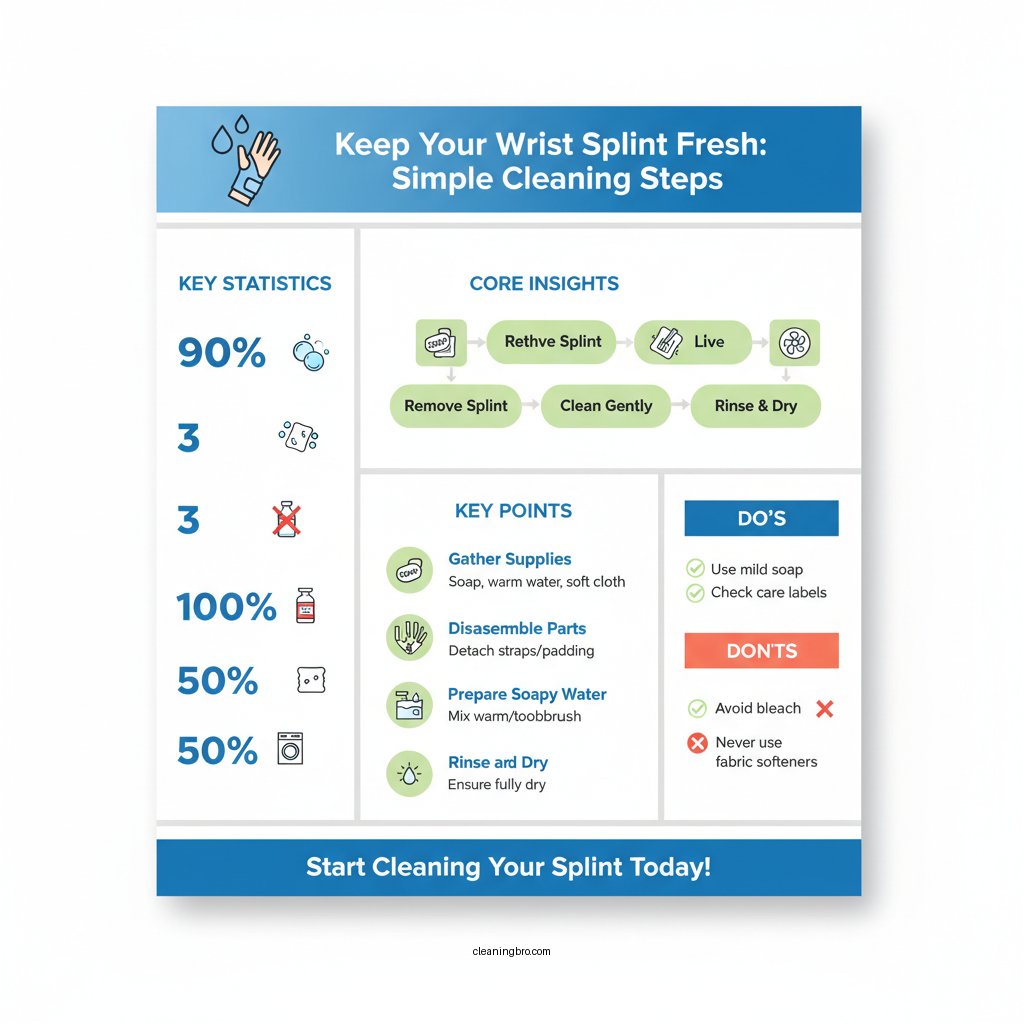

To begin the cleaning process, it is crucial to gather the necessary supplies. You will need:
– Mild soap: A gentle, non-abrasive soap is ideal to avoid damaging the splint material.
– Warm water: This will help dissolve the soap and remove dirt and oils effectively.
– Soft cloth: A microfiber cloth is perfect for gentle cleaning without scratching surfaces.
– Toothbrush: An old, soft-bristled toothbrush can be useful for scrubbing stubborn stains, particularly in seams or crevices.
Avoid using harsh chemicals, bleach, or fabric softeners, as these can deteriorate the material and reduce the splint’s integrity. Additionally, it’s wise to have a clean towel ready for drying.
Step-by-Step Cleaning Process
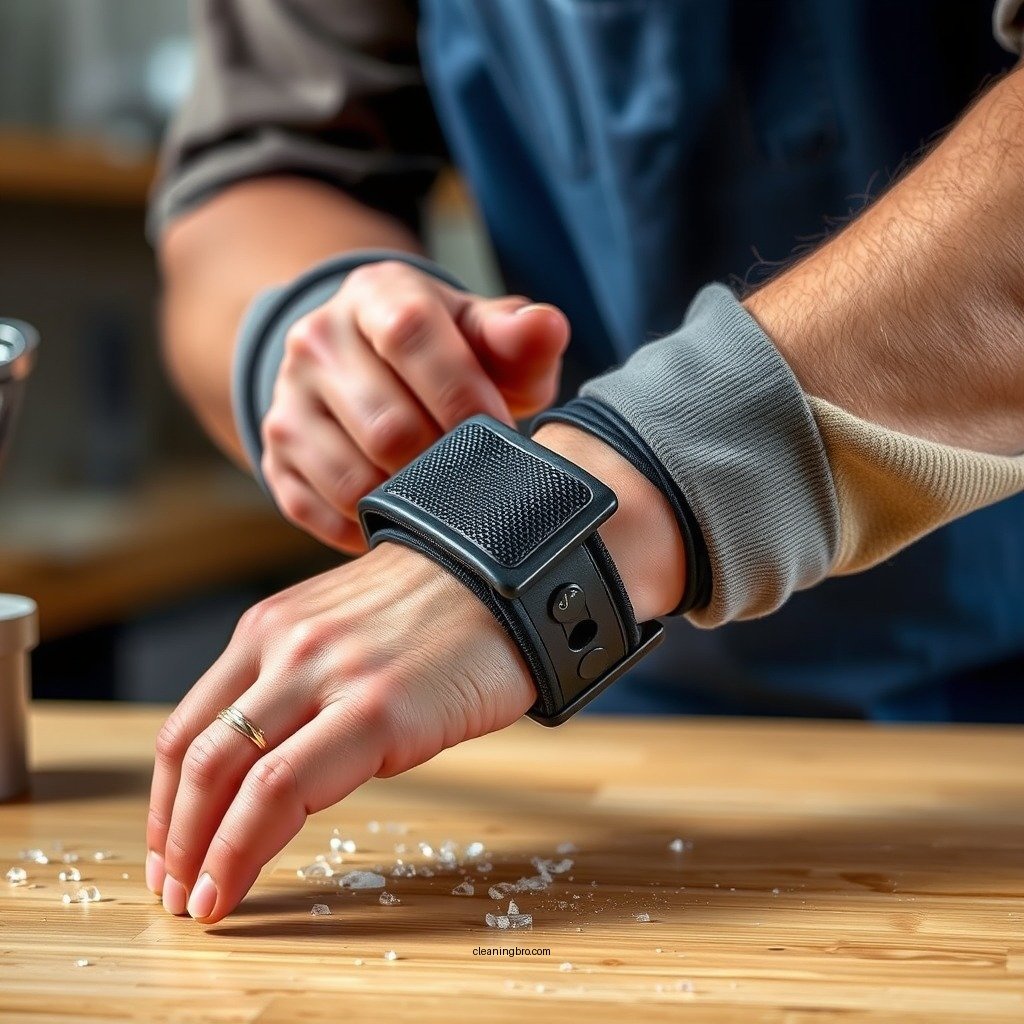
Now that you have the necessary supplies, follow these steps to clean your wrist splint effectively:
1. Remove the Splint: Take off the splint carefully to prevent further injury to your wrist.
2. Disassemble Removable Parts: If your splint has removable components, such as straps or padding, detach them according to the manufacturer’s instructions. This will allow for a more thorough cleaning.
3. Prepare Soapy Water: In a bowl or sink, mix warm water with a few drops of mild soap until it creates a soapy solution.
4. Scrub the Surfaces: Dip the soft cloth into the soapy water, wring it out, and gently scrub all surfaces of the splint. For tough stains, consider using the toothbrush to get into the corners and seams.
5. Rinse: After cleaning, rinse the splint thoroughly under warm running water to ensure all soap residue is removed.
6. Dry: Pat the splint dry with a clean towel and allow it to air dry completely before reassembling. Avoid direct sunlight or heat sources as they can warp the material.
Top 7 Wrist Splint Materials and Their Care Instructions
| # | Material | Cleaning Method | Drying Method | Durability |
|---|---|---|---|---|
| 1 | Neoprene | Hand wash with mild soap | Air dry | Moderate |
| 2 | Cotton | Machine wash | Tumble dry low | High |
| 3 | Plastic | Wipe with damp cloth | Air dry | Very high |
| 4 | Metal | Wipe with a damp cloth | Air dry | High |
| 5 | Elastic | Hand wash | Air dry | Moderate |
| 6 | Neoprene Fabric | Hand wash | Air dry | Moderate |
| 7 | Spandex | Machine wash | Air dry | High |
Drying and Storing Your Wrist Splint
After you have cleaned your wrist splint, it is crucial to dry and store it properly to maintain its functionality. First, ensure that the splint is completely air-dried before reassembling it, as moisture can lead to mold growth and unpleasant odors. Avoid using a dryer or placing the splint near direct heat sources, as this can warp or damage the materials.
Once dry, store your wrist splint in a clean, dry place. Ideally, it should be kept in a well-ventilated area, away from direct sunlight or dampness. Using a fabric bag or a dedicated storage box can further protect it from dust and potential damage. Proper storage helps extend the life of your splint and keeps it ready for use when needed.
Maintenance Tips for Longevity
To ensure the longevity of your wrist splint, consider the following maintenance tips:
– Regular Inspections: Periodically check your splint for signs of wear and tear, such as frayed fabric or cracks in plastic parts. Identifying issues early can prevent them from worsening.
– Frequent Cleaning: Aim to clean your splint weekly or after intense activities. This is especially important if you’ve been sweating or if the splint has been exposed to dirt or moisture.
– Proper Usage: Follow the usage instructions provided by your healthcare professional. Avoid over-tightening straps, as this can lead to premature wear.
– Avoid Extreme Conditions: Keep your splint away from extreme temperatures and humidity, which can compromise its materials.
By integrating these practices into your routine, you can significantly enhance the lifespan and effectiveness of your wrist splint.
When to Replace Your Wrist Splint
While proper cleaning and maintenance can prolong the life of your wrist splint, it is essential to know when to replace it. Look for signs of damage, such as:
– Visible Wear: If the fabric is frayed, or the plastic is cracked or warped, it may be time for a new splint.
– Decreased Support: If you notice reduced stability or support while wearing the splint, it may no longer be effective for your needs.
– Persistent Odor: A lingering smell, even after cleaning, can indicate that the material has absorbed moisture or bacteria.
If you are unsure about the condition of your splint, consulting with a healthcare provider can provide clarity. They can assess whether your splint still meets your therapeutic needs or if a replacement is necessary.
Maintaining a clean wrist splint is crucial for both hygiene and durability. By following the steps outlined above, you can ensure that your splint remains in good condition and serves its purpose effectively. Regular cleaning and proper storage can significantly enhance your overall wrist health and prolong the life of your splint, making it a vital part of your recovery or support regimen.
Frequently Asked Questions
What materials can I use to effectively clean my wrist splint?
To effectively clean your wrist splint, use mild soap and warm water. Avoid harsh chemicals that could damage the material. For fabric splints, a gentle laundry detergent can be used during machine washing on a delicate cycle, while rigid splints can be wiped down with a damp cloth.
How often should I clean my wrist splint?
It’s advisable to clean your wrist splint at least once a week, especially if you wear it daily. Regular cleaning helps to eliminate bacteria and odor, ensuring that your splint remains hygienic and comfortable against your skin.
Why is it important to clean my wrist splint regularly?
Cleaning your wrist splint regularly is crucial to prevent skin irritation and infections caused by sweat and bacteria buildup. Moreover, maintaining cleanliness can extend the life of the splint, ensuring it continues to provide the necessary support without degrading in quality.
What is the best way to dry my wrist splint after cleaning?
The best way to dry your wrist splint is to air dry it at room temperature. Avoid using heat sources like dryers or radiators, as they can warp or damage the materials. Lay the splint flat on a clean towel to absorb excess moisture before letting it dry completely.
Which cleaning methods are safe for different types of wrist splints?
For fabric wrist splints, machine washing on a gentle cycle with mild detergent is safe, while plastic or metal splints should be wiped down with a disinfectant wipe or a cloth dampened with soapy water. Always refer to the manufacturer’s care instructions, as they provide the best guidance for maintaining your specific splint type.
References
- Choking: First aid – Mayo Clinic
https://www.mayoclinic.org/healthy-lifestyle/first-aid/in-depth/splints/art-20056637 - https://www.ncbi.nlm.nih.gov/pmc/articles/PMC5784127/
https://www.ncbi.nlm.nih.gov/pmc/articles/PMC5784127/ - Vitamin C (Ascorbic Acid) – StatPearls – NCBI Bookshelf
https://www.ncbi.nlm.nih.gov/books/NBK499877/ - https://www.cdc.gov/niosh/topics/ergonomics/cleaning.html
https://www.cdc.gov/niosh/topics/ergonomics/cleaning.html - https://www.who.int/news-room/fact-sheets/detail/injury-and-violence-prevention
https://www.who.int/news-room/fact-sheets/detail/injury-and-violence-prevention - https://www.britannica.com/science/orthotics
https://www.britannica.com/science/orthotics - https://www.sciencedirect.com/science/article/pii/S1877058920303243
https://www.sciencedirect.com/science/article/pii/S1877058920303243 - https://www.cdc.gov/niosh/docs/2015-123/pdfs/2015-123.pdf
https://www.cdc.gov/niosh/docs/2015-123/pdfs/2015-123.pdf - Google Scholar Google Scholar
https://scholar.google.com/scholar?q=cleaning+wrist+splint - Google Scholar Google Scholar
https://scholar.google.com/scholar?q=wrist+splint+maintenance