How to Clean a Blackboard: Step-by-Step Guide
To effectively clean a blackboard, use a damp cloth or sponge along with a mild cleaning solution specifically designed for chalkboards. Avoid harsh chemicals that can damage the surface. In this guide, you will learn various methods and tips to keep your blackboard looking pristine and functional.
Understanding Your Blackboard
Blackboards come in various types, each requiring specific cleaning methods to maintain their integrity and functionality. Traditional chalkboards are typically made from a porous material that absorbs dust and chalk residue, while ceramic or glass boards have smoother surfaces that may require different care.
The importance of using the right cleaning products cannot be overstated. Many cleaning agents contain harsh chemicals that can damage the delicate surface of a chalkboard, leading to scratches, ghosting, and reduced usability. Therefore, it’s crucial to select a cleaning solution that is specifically designed for blackboards. Additionally, understanding the material of your board helps in choosing the appropriate cleaning methods that ensure longevity and effectiveness.
Basic Cleaning Techniques
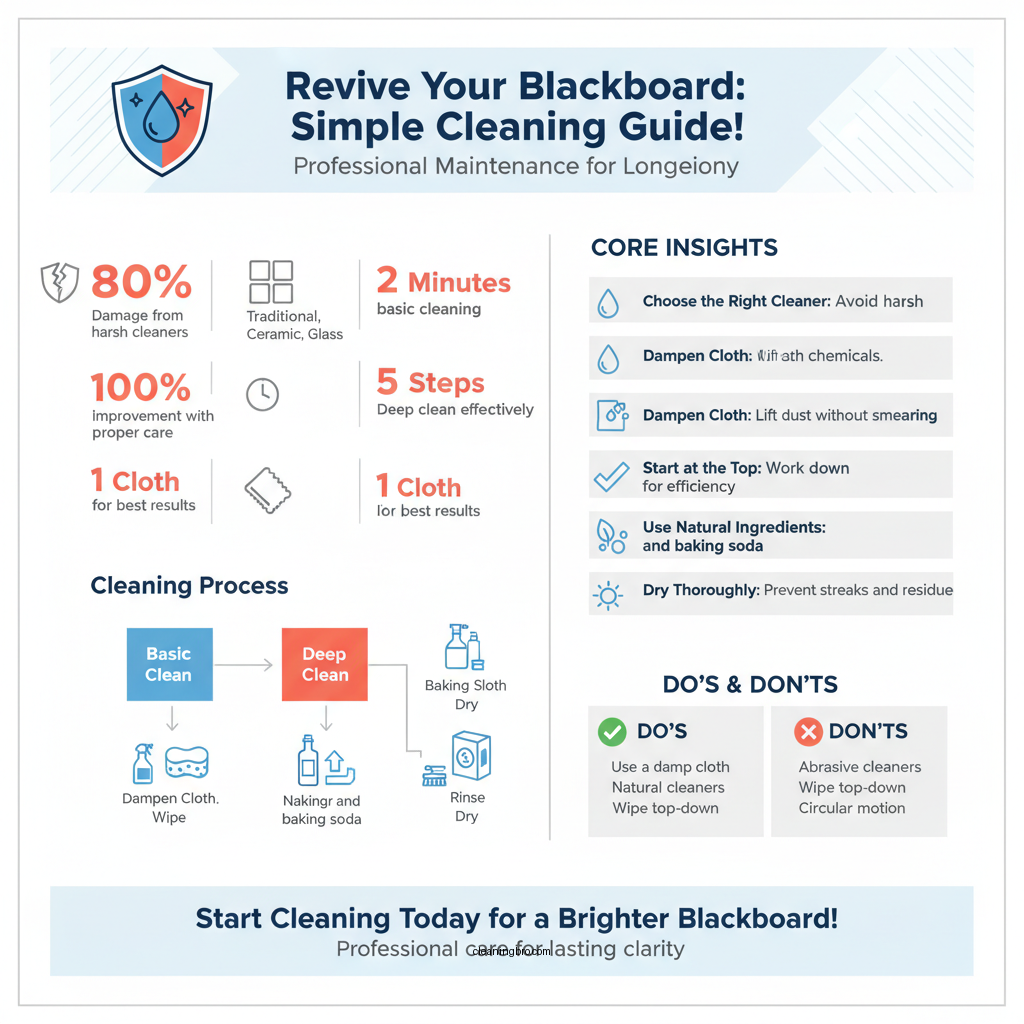
To maintain a blackboard, begin with basic cleaning techniques that can be performed regularly. Using a damp cloth or sponge is the simplest and most effective way to wipe the surface. The dampness helps to lift chalk dust without smearing it, ensuring a clean surface.
When cleaning, it’s important to remove chalk dust effectively. Start at the top of the board and work your way down, using long strokes to prevent dust from settling back onto the surface. For best results, consider using a lint-free cloth or microfiber cloth, which can capture dust more effectively than traditional cloths.
Deep Cleaning Methods
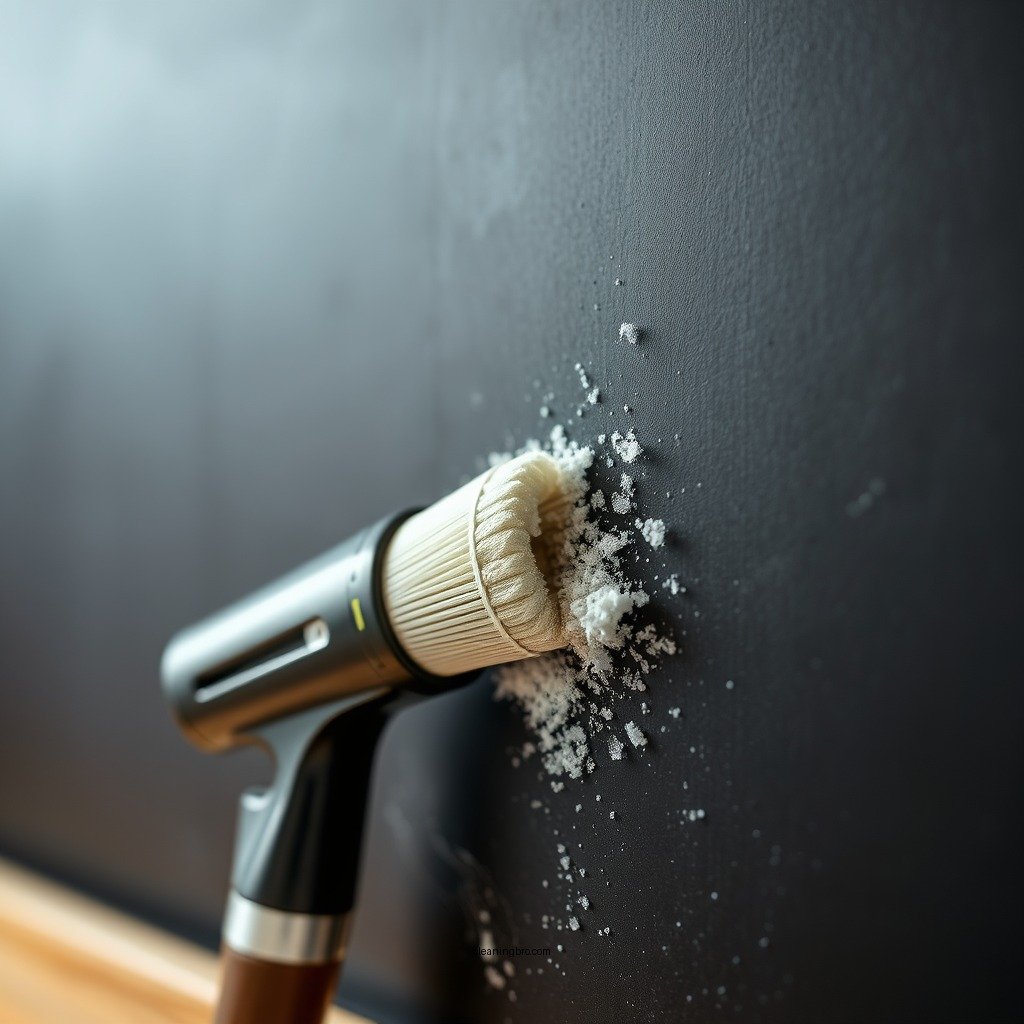
For those times when your blackboard needs more than just a quick wipe down, deep cleaning methods can restore its pristine appearance. Utilizing natural ingredients such as vinegar or baking soda can be particularly effective for removing stubborn stains and residues.
Step-by-Step Process for Deep Cleaning Your Blackboard:
1. Gather Supplies: You will need white vinegar, baking soda, a sponge, and a clean, dry cloth.
2. Create a Cleaning Solution: Mix equal parts of vinegar and water in a spray bottle. If using baking soda, create a paste with a small amount of water.
3. Apply the Solution: Spray the vinegar solution onto the board or apply the baking soda paste directly to stubborn stains.
4. Scrub Gently: Use a sponge to scrub the board gently, focusing on areas with heavy residue.
5. Rinse: Wipe the board with a damp cloth to remove any cleaning solution.
6. Dry: Finish by drying the board with a clean, dry cloth.
📋 DATA
Top 5 Blackboards by Cleaning Effectiveness
| # | Board Type | Material | Ease of Cleaning | Durability |
|---|---|---|---|---|
| 1 | Traditional Chalkboard | Wood | Moderate | Good |
| 2 | Ceramic Board | Ceramic | Easy | Excellent |
| 3 | Glass Board | Glass | Very Easy | Excellent |
| 4 | Magnetic Board | Metal | Moderate | Good |
| 5 | Interactive Board | Digital | Easy | Excellent |
📈 CHART
Effectiveness of Different Cleaning Methods
Maintaining Your Blackboard
Regular upkeep is essential for keeping your blackboard in optimal condition. Preventing the buildup of chalk dust and stains requires a proactive approach. Here are some tips for regular maintenance:
– Daily Wipe Down: After each use, quickly wipe the board with a dry cloth to remove chalk dust.
– Weekly Cleaning: Implement a weekly cleaning routine using a damp cloth and mild cleaner to prevent residue buildup.
– Avoid Overloading: Limit the amount of chalk used at a time to minimize dust accumulation.
Recommended cleaning frequency can vary based on usage. For instance, classrooms that see heavy chalk usage may require daily maintenance, while boards used less frequently can be cleaned weekly.
Troubleshooting Common Issues
Despite regular maintenance, blackboards may encounter common issues such as ghosting or residue from chalk. Ghosting occurs when chalk marks linger after cleaning, often due to the porous nature of traditional boards.
To address ghosting, try applying a mixture of vinegar and water to the affected areas and scrub gently. If scratches or marks appear on the board, avoid using abrasive materials, as these can further damage the surface. Instead, use a soft cloth and gentle cleaning solutions.
Alternative Cleaning Solutions
For those seeking eco-friendly cleaning options, consider using natural substances like vinegar, baking soda, or even lemon juice. These alternatives are not only effective but also reduce exposure to harmful chemicals.
In some cases, especially for heavily stained or neglected boards, it may be necessary to consider professional cleaning services. These experts can provide deep cleaning solutions that restore your blackboard without risking damage.
Final Touches and Preservation
After cleaning your blackboard, it’s crucial to condition it to maintain its surface. A simple method involves wiping the board with a small amount of vegetable oil on a clean cloth. This helps to seal the surface and prevent dust from settling.
Proper storage of chalk is also essential. Keep chalk in a dry, dust-free environment, preferably in a container that reduces mess. Consider using chalk holders or cases that can help keep your workspace organized.
Maintaining a clean blackboard is essential for preserving its appearance and functionality. By following these steps and tips, you can ensure that your blackboard stays in top condition for all your teaching or presentation needs. Start implementing these cleaning methods today for the best results!
Frequently Asked Questions
What are the best materials to use for cleaning a blackboard?
The best materials for cleaning a blackboard include microfiber cloths, soft sponges, and specialized blackboard cleaning solutions. Avoid using abrasive materials that can scratch the surface. For a DIY solution, a mixture of water and vinegar can also effectively remove chalk residue without damaging the board.
How do I remove stubborn chalk marks from my blackboard?
To remove stubborn chalk marks from your blackboard, start by dampening a soft cloth with water or a mixture of water and vinegar. Wipe the affected area gently, allowing the solution to dissolve the marks. For extremely persistent stains, consider using a commercial blackboard cleaner or a small amount of rubbing alcohol.
Why is it important to clean a blackboard regularly?
Regular cleaning of a blackboard is important to maintain its appearance and functionality. Dust and chalk build-up can lead to ghosting, where previous writings remain visible even after erasing. Additionally, a clean blackboard enhances visibility for students and helps prevent respiratory issues related to chalk dust.
What is the best way to maintain a blackboard after cleaning?
After cleaning your blackboard, maintain it by regularly wiping it down with a dry, soft cloth to remove dust before it accumulates. Consider applying a blackboard conditioner or sealer periodically to protect the surface and improve erasability. Avoid using permanent markers or harsh chemicals, as they can damage the board.
Which cleaning solutions should I avoid when cleaning my blackboard?
Avoid using glass cleaners, bleach, or any harsh chemicals when cleaning your blackboard, as these can damage the surface and affect the writing quality. Additionally, stearic acid-based cleaning products can leave a residue that makes it difficult for chalk to adhere properly. Stick to gentle, pH-balanced cleaners specifically designed for blackboards.
References
- Blackboard
https://en.wikipedia.org/wiki/Chalkboard - https://www.sciencedirect.com/topics/engineering/chalkboard
https://www.sciencedirect.com/topics/engineering/chalkboard - https://www.bbc.com/news/education-46305240
https://www.bbc.com/news/education-46305240 - Human Kinetics
https://www.humankinetics.com/excerpts/excerpts/cleaning-and-maintaining-blackboards - What are the treatments for learning disabilities? | NICHD – Eunice Kennedy Shriver National Inst…
https://www.nichd.nih.gov/health/topics/learning/conditioninfo/treatment - https://www.cdc.gov/niosh/topics/cleaning.html
https://www.cdc.gov/niosh/topics/cleaning.html - https://www.mayoclinic.org/healthy-lifestyle/adult-health/in-depth/cleaning-your-home/art-20046000
https://www.mayoclinic.org/healthy-lifestyle/adult-health/in-depth/cleaning-your-home/art-20046000 - Google Scholar Google Scholar
https://scholar.google.com/scholar?q=how+to+clean+blackboard - Google Scholar Google Scholar
https://scholar.google.com/scholar?q=maintenance+of+blackboards - Google Scholar Google Scholar
https://scholar.google.com/scholar?q=blackboard+cleaning+methods