How to Clean Hedge Clippers: A Step-by-Step Guide
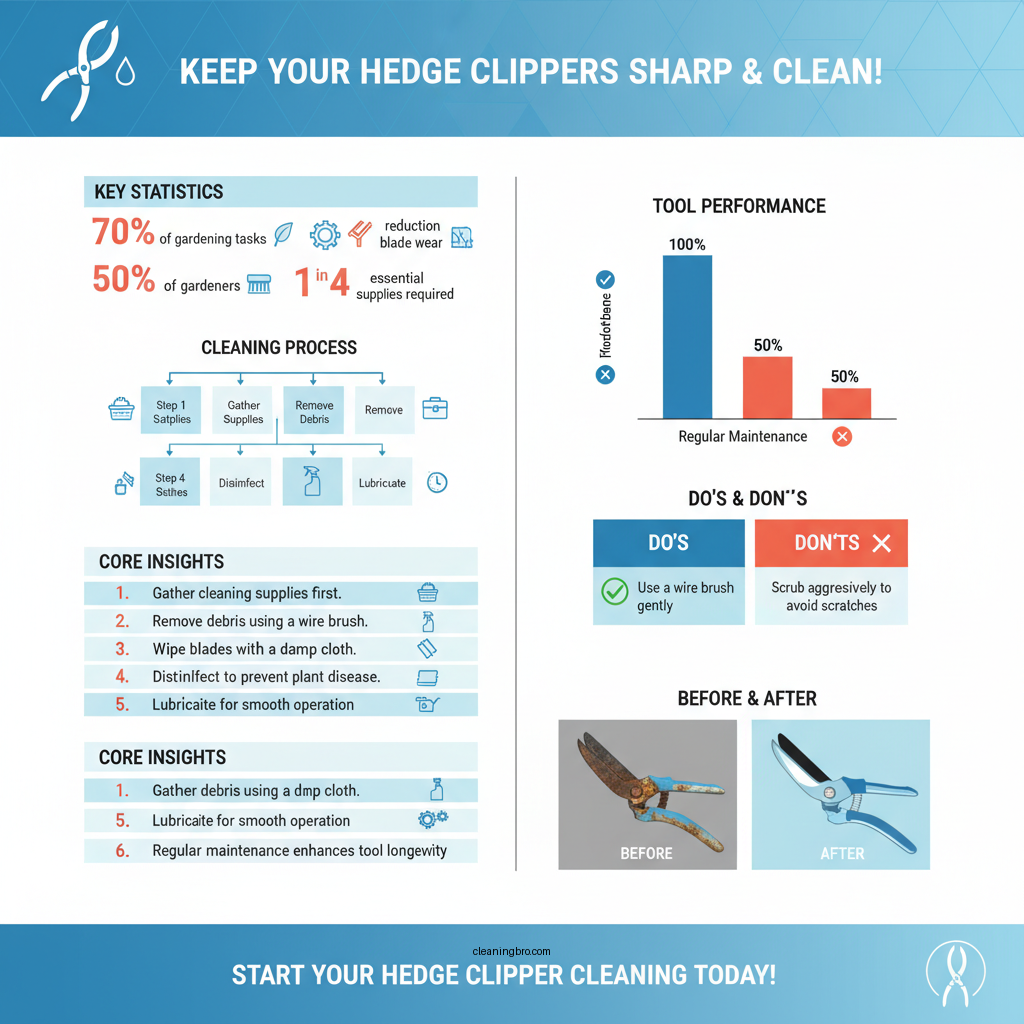
To effectively clean hedge clippers, you should start by removing any debris, followed by disinfecting the blades and lubricating them for optimal performance. This process not only prolongs the life of your tools but also ensures they function smoothly for your gardening tasks. In this guide, we’ll walk you through each crucial step to keep your hedge clippers in top condition. Regular maintenance of your gardening tools is essential for both safety and efficiency, enabling you to achieve the best possible results in your gardening endeavors.
Gather Your Cleaning Supplies
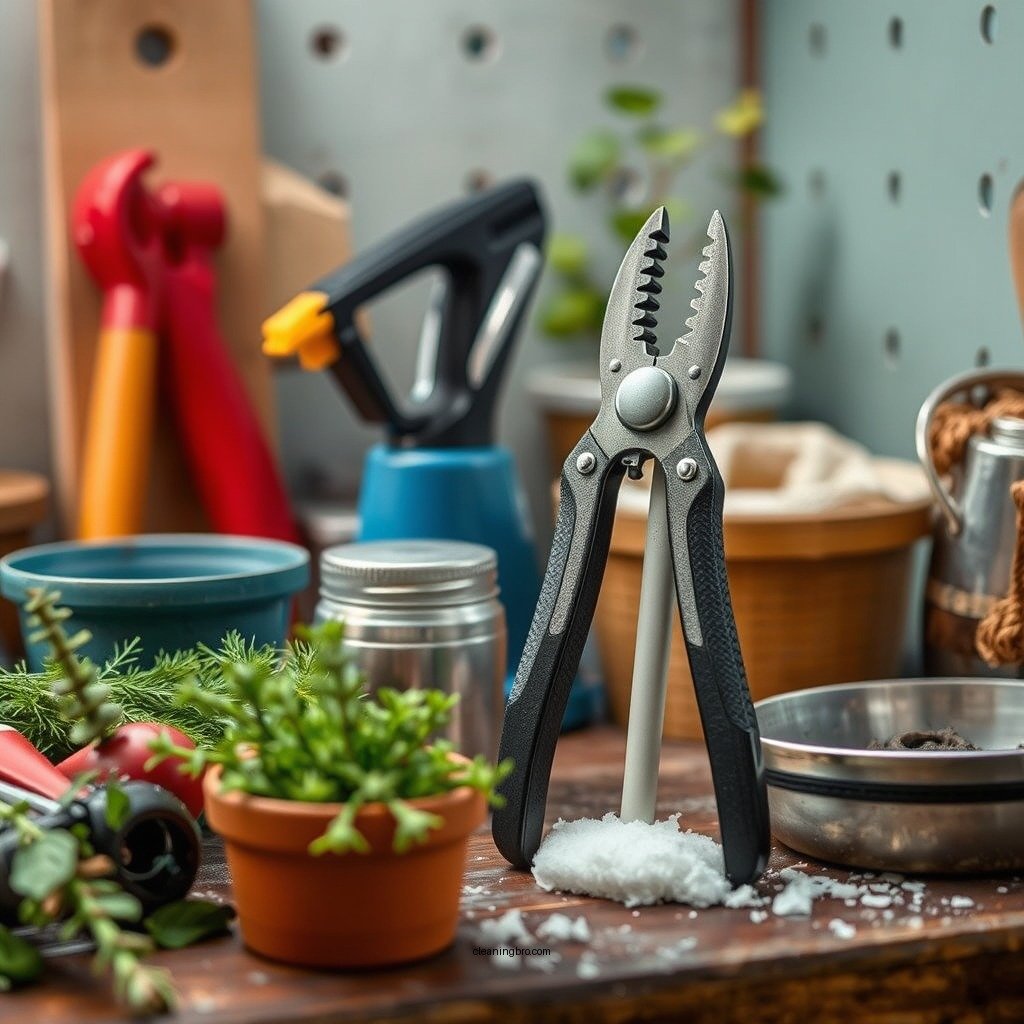
Before you embark on the cleaning process, it’s important to collect all the necessary materials to ensure a smooth and efficient cleaning experience. You will need:
– Soap: A mild dish soap works well for removing grease and grime.
– Water: Clean, warm water aids in dissolving soap for effective cleaning.
– Cloth: A soft, lint-free cloth is ideal for wiping down the blades and handles.
– Wire Brush: This will help you scrub off stubborn dirt and plant material stuck to the blades.
– Lubricant Oil: A product like 3-in-1 oil or any suitable machine oil will keep the blades operating smoothly.
Having these supplies at hand will streamline the cleaning process and ensure that your hedge clippers receive the thorough attention they need.
Remove Debris from Blades
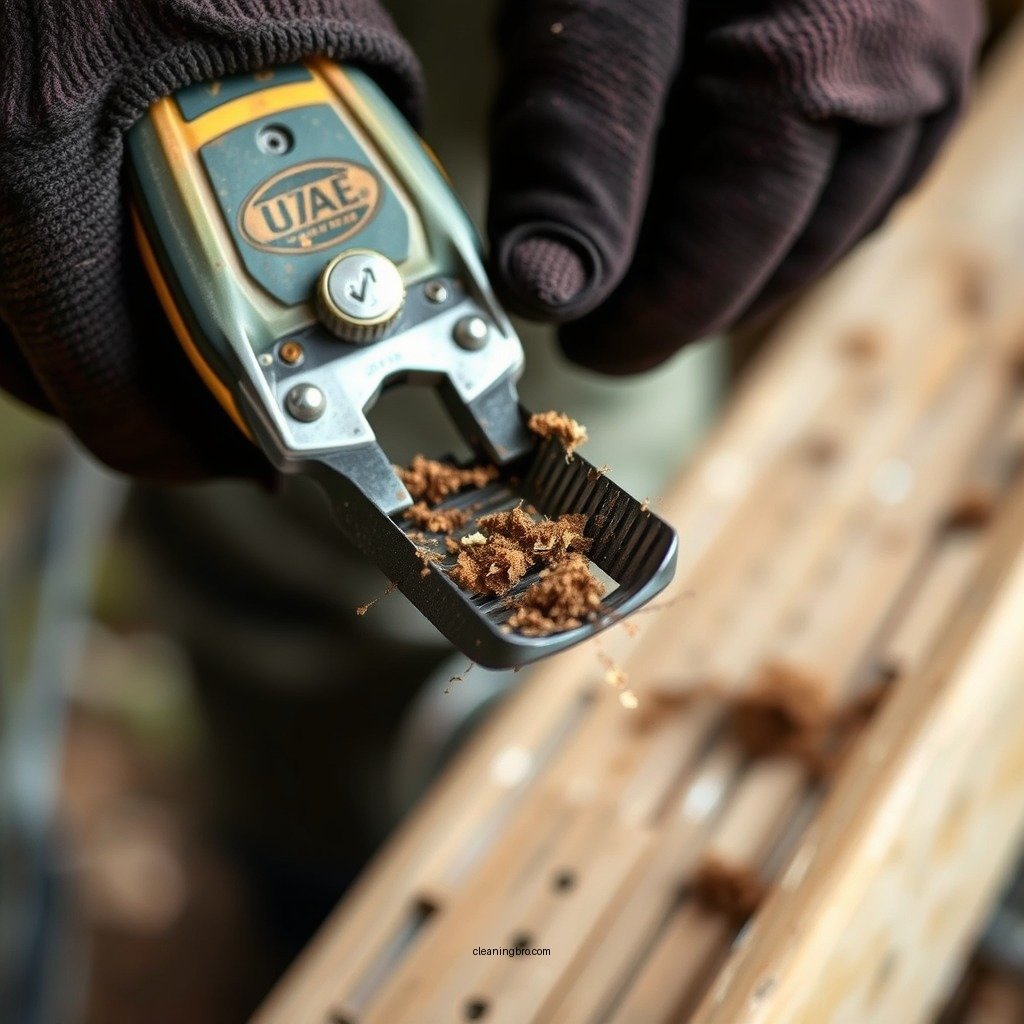
The first step in cleaning your hedge clippers is to remove any visible debris from the blades. This is a crucial step, as accumulated dirt, sap, and plant residue can impede the performance of your tools and even cause damage over time. Here’s how to effectively do this:
– Use a Wire Brush: With the clippers in a safe position, use a wire brush to scrub the blades gently. Focus on the areas where dirt and plant material have accumulated, and be careful not to scratch the blades.
– Wipe with a Damp Cloth: After brushing, take a damp cloth and wipe the blades to ensure that all debris is removed. This two-step process will help prevent residue buildup and maintain the clippers’ sharpness.
Regularly removing debris will not only facilitate smoother cuts but also enhance the longevity of your hedge clippers.
Disinfect the Blades
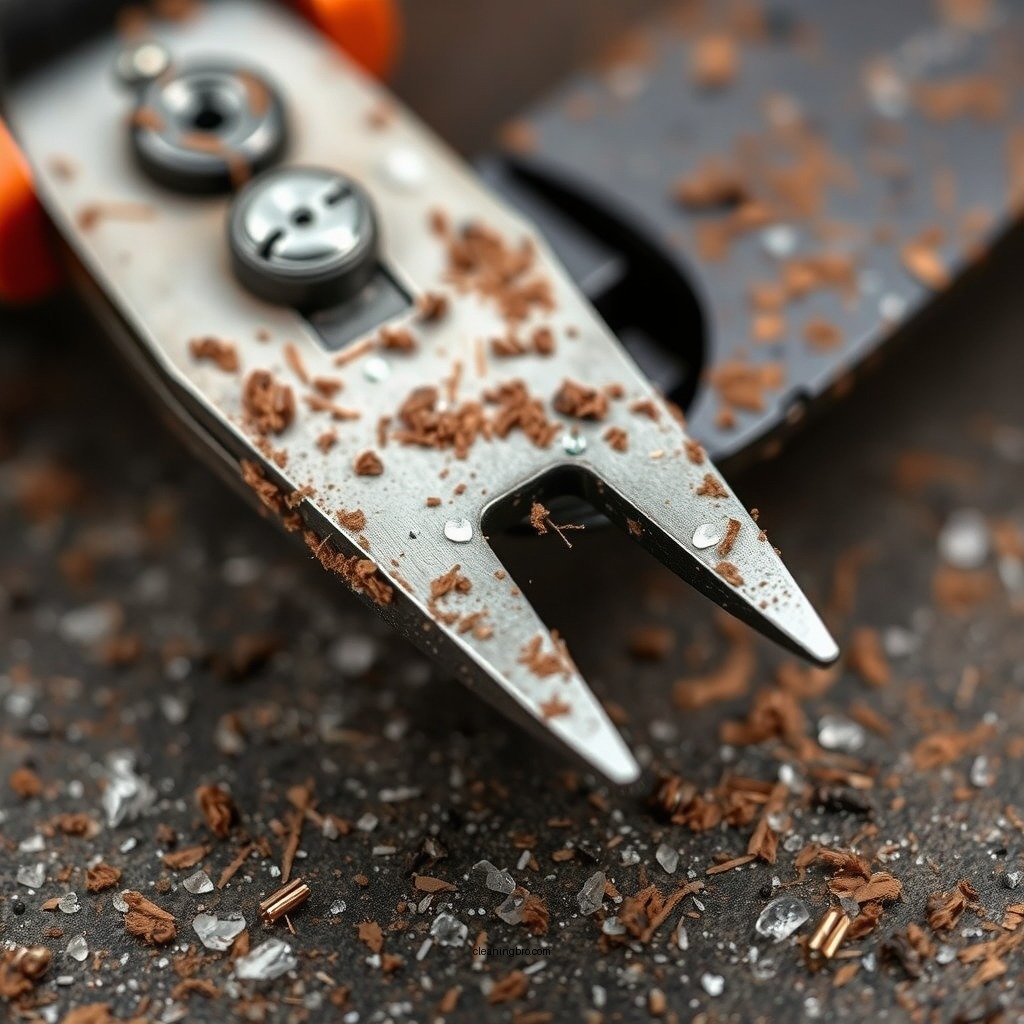
Disinfecting your hedge clippers is a critical step that many gardeners overlook. Disinfecting prevents the spread of plant diseases and bacteria, protecting your plants and ensuring healthy growth. Here’s how to properly disinfect your clippers:
– Prepare a Soapy Water Solution: Mix warm water with a few drops of mild dish soap. Dip a cloth or sponge into the solution and clean the blades thoroughly, ensuring you scrub all surfaces.
– Using a Bleach Solution: For extra sanitation, consider a diluted bleach solution (1 part bleach to 9 parts water). Soak a cloth in this solution and wipe the blades. Afterward, rinse with plain water to remove any bleach residue, which can corrode metal if left on.
This step is particularly important if you’ve been pruning diseased plants, as it helps prevent cross-contamination.
Rinse and Dry
Once the disinfecting process is complete, rinsing and drying your clippers is essential to prevent rust and corrosion. Here’s how to do it correctly:
– Rinse the Blades: Use clean water to rinse the blades thoroughly, ensuring all soap and disinfectant residues are washed away. This step is vital, as any remaining chemicals can damage the metal over time.
– Dry Completely: Use a clean, dry cloth to wipe down the blades thoroughly. Make sure no moisture remains, especially in crevices and joints, as this can lead to rust. Allow the clippers to air dry completely before proceeding to the next step.
By following these rinsing and drying techniques, you can prevent rust and extend the life of your hedge clippers.
Lubricate the Blades
Lubrication is the final step in the cleaning process, and it is essential for maintaining the functionality and longevity of your hedge clippers. Proper lubrication minimizes friction, enhances cutting efficiency, and prevents rust. Here’s how to lubricate your clippers effectively:
– Apply Lubricant Oil: Using a few drops of lubricant oil, apply it to the pivot points and along the blades. Pay special attention to the areas where the blades move against each other.
– Distribute the Oil: Open and close the clippers several times to ensure the oil is evenly distributed across the blades and pivot points. This action not only helps in spreading the lubricant but also ensures that the clippers will operate smoothly.
Regular lubrication will keep your hedge clippers in peak condition, ensuring they function efficiently and cutting remains effortless.Store Properly
After cleaning and lubricating your hedge clippers, proper storage is crucial to maintaining their condition. Here are some tips for effective storage:
– Choose a Suitable Location: Store your hedge clippers in a dry, cool place away from direct sunlight and moisture. A tool shed or garage is ideal.
– Use Blade Guards or Sheaths: Protect the sharp edges by using blade guards or sheaths. These accessories prevent accidental cuts and keep the blades sharp, ensuring they are ready for use when needed.
By taking the time to store your tools correctly, you can save yourself the hassle of frequent repairs and replacements.
Top Hedge Clipper Brands by User Ratings (2024)
| # | Brand | User Ratings | Price ($) | Warranty Period |
|---|---|---|---|---|
| 1 | Fiskars | ★★★★☆ | 50 | Lifetime |
| 2 | Black+Decker | ★★★★☆ | 40 | 2 Years |
| 3 | Bosch | ★★★★☆ | 70 | 3 Years |
| 4 | Gardena | ★★★☆☆ | 60 | 2 Years |
| 5 | Troy-Bilt | ★★★★☆ | 55 | 3 Years |
| 6 | Echo | ★★★★☆ | 65 | 5 Years |
Hedge Clipper Performance Ratings (2024)
Maintaining your hedge clippers through proper cleaning can help them last longer and work more efficiently. By following these steps, including gathering your supplies, removing debris, disinfecting, rinsing, lubricating, and storing properly, you ensure that your tools remain in excellent condition for all your gardening needs. Regular cleaning not only enhances the performance of your hedge clippers but also contributes to a healthier and more beautiful garden. Don’t hesitate to clean your clippers regularly for the best results and a beautiful garden.
Frequently Asked Questions
How often should I clean my hedge clippers?
You should clean your hedge clippers after each use, especially if you’ve been trimming sticky or sappy plants. Regular maintenance helps prevent rust and extends the life of your tools. Additionally, a quick clean after each use ensures that any debris or sap doesn’t harden and become more difficult to remove later.
What is the best method to clean hedge clippers?
The best method to clean hedge clippers involves using a mixture of soapy water and a soft brush to scrub away dirt and sap. After rinsing, dry the clippers thoroughly to prevent rust. It’s also beneficial to apply a light coat of oil to the blades after cleaning to keep them lubricated.
Why is it important to clean hedge clippers regularly?
Cleaning hedge clippers regularly is important to maintain their performance and lifespan. Dirt and sap can cause the blades to dull more quickly and can lead to rust formation, which may ultimately damage the tool. Additionally, clean clippers ensure precise cuts, promoting healthier plant growth.
Which tools do I need to clean my hedge clippers effectively?
To clean your hedge clippers effectively, you will need a mixture of warm, soapy water, a soft brush or cloth, and a lubricant like mineral oil or vegetable oil. Optionally, a toothbrush can help to reach small crevices. Having these tools on hand will make the cleaning process efficient and thorough.
How can I remove rust from my hedge clippers?
To remove rust from your hedge clippers, start by soaking a cloth in vinegar or using a rust remover solution, and apply it to the rusted areas. Allow it to sit for a few minutes before scrubbing with a fine steel wool or a wire brush. After removing the rust, clean the clippers with soapy water, dry them completely, and apply a protective oil to prevent future rusting.
References
- https://www.extension.purdue.edu/extmedia/ho/ho-227-w.pdf
https://www.extension.purdue.edu/extmedia/ho/ho-227-w.pdf - Google Scholar Google Scholar
https://scholar.google.com/scholar?q=how+to+clean+hedge+clippers - Google Scholar Google Scholar
https://scholar.google.com/scholar?q=hedge+clippers+maintenance - Google Scholar Google Scholar
https://scholar.google.com/scholar?q=cleaning+garden+tools - https://www.ncbi.nlm.nih.gov/pmc/articles/PMC6771796/
https://www.ncbi.nlm.nih.gov/pmc/articles/PMC6771796/ - how to clean hedge clippers – Search results
https://en.wikipedia.org/wiki/Special:Search?search=how+to+clean+hedge+clippers - https://www.ncbi.nlm.nih.gov/search/research-articles/?term=how+to+clean+hedge+clippers
https://www.ncbi.nlm.nih.gov/search/research-articles/?term=how+to+clean+hedge+clippers