How to Clean the Holding Tank in Your Camper
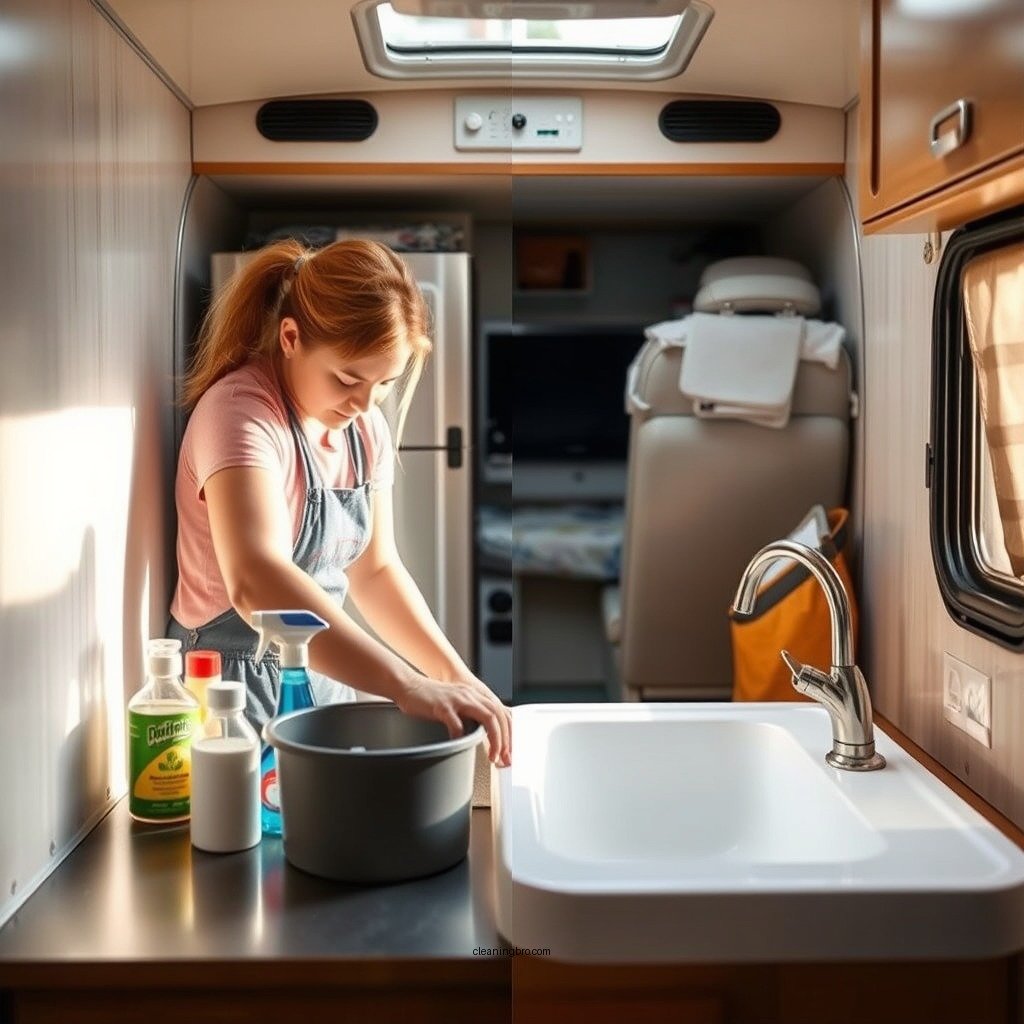
Cleaning the holding tank in your camper is essential for maintaining hygiene and preventing unpleasant odors. To effectively clean your holding tank, you’ll need to follow a few straightforward steps that include emptying the tank, using the right cleaning products, and ensuring proper maintenance. This guide will walk you through the entire process.
Understanding Your Holding Tank
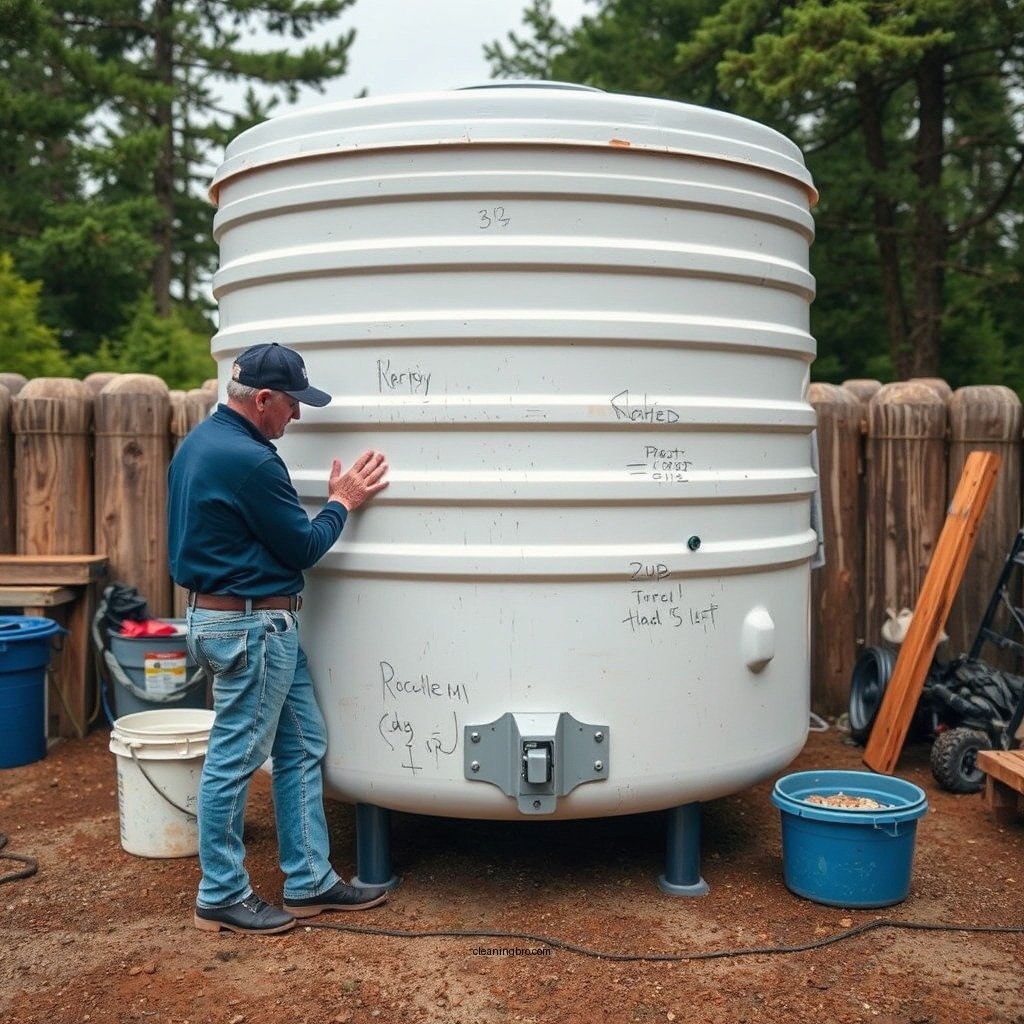
The holding tank in your camper is a crucial component of your waste management system, designed to store wastewater from your toilet and sometimes grey water from your sinks and showers. Most holding tanks are made from durable materials like polyethylene, and they come in various sizes depending on the camper model. Understanding the components of your holding tank system, which includes the tank itself, valves, and venting systems, is vital for effective maintenance.
Regular cleaning is paramount. Failing to clean the holding tank can lead to buildup, which may cause clogs and create unpleasant odors that can permeate your living space. Additionally, neglecting maintenance can lead to costly repairs or replacements down the line. Therefore, establishing a routine cleaning schedule will help extend the life of your holding tank and enhance your overall camping experience.
Necessary Tools and Supplies
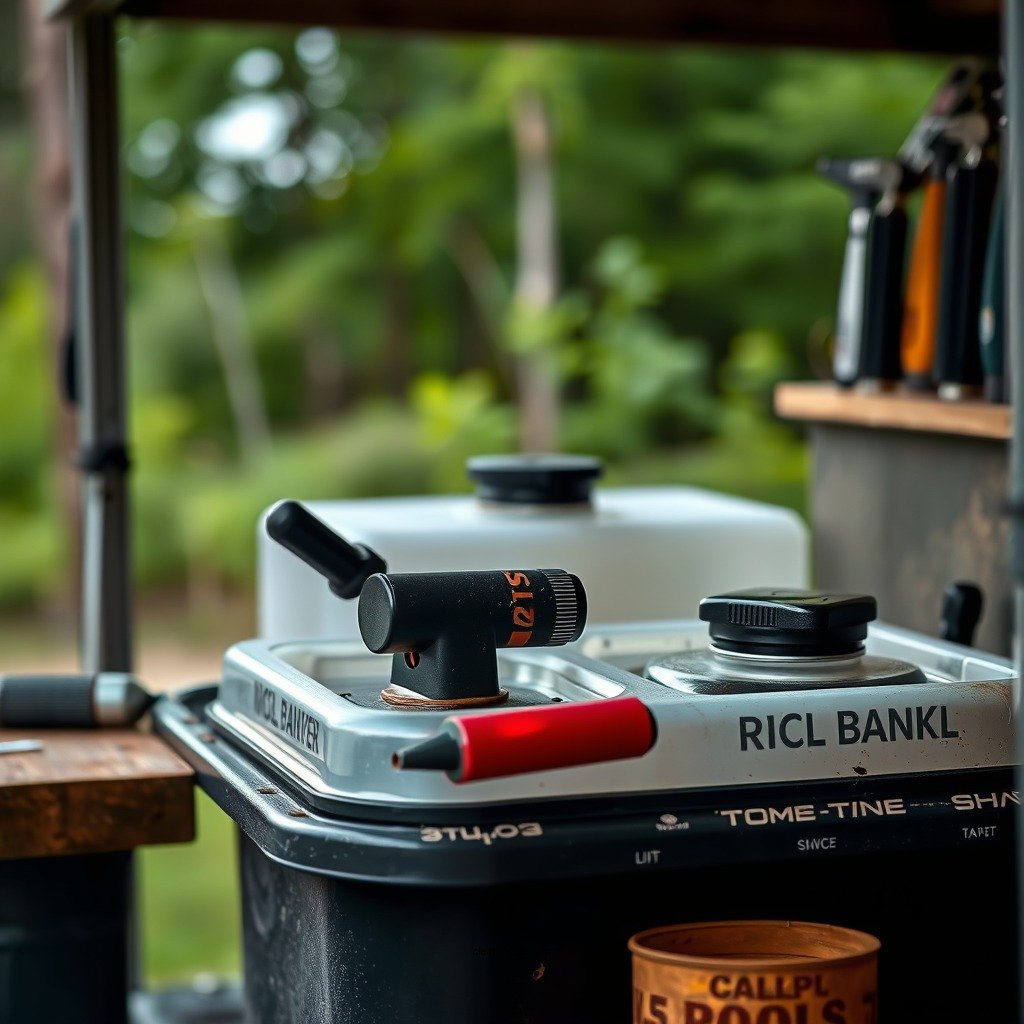
To successfully clean your camper’s holding tank, you’ll need the right tools and supplies. Here’s a comprehensive list:
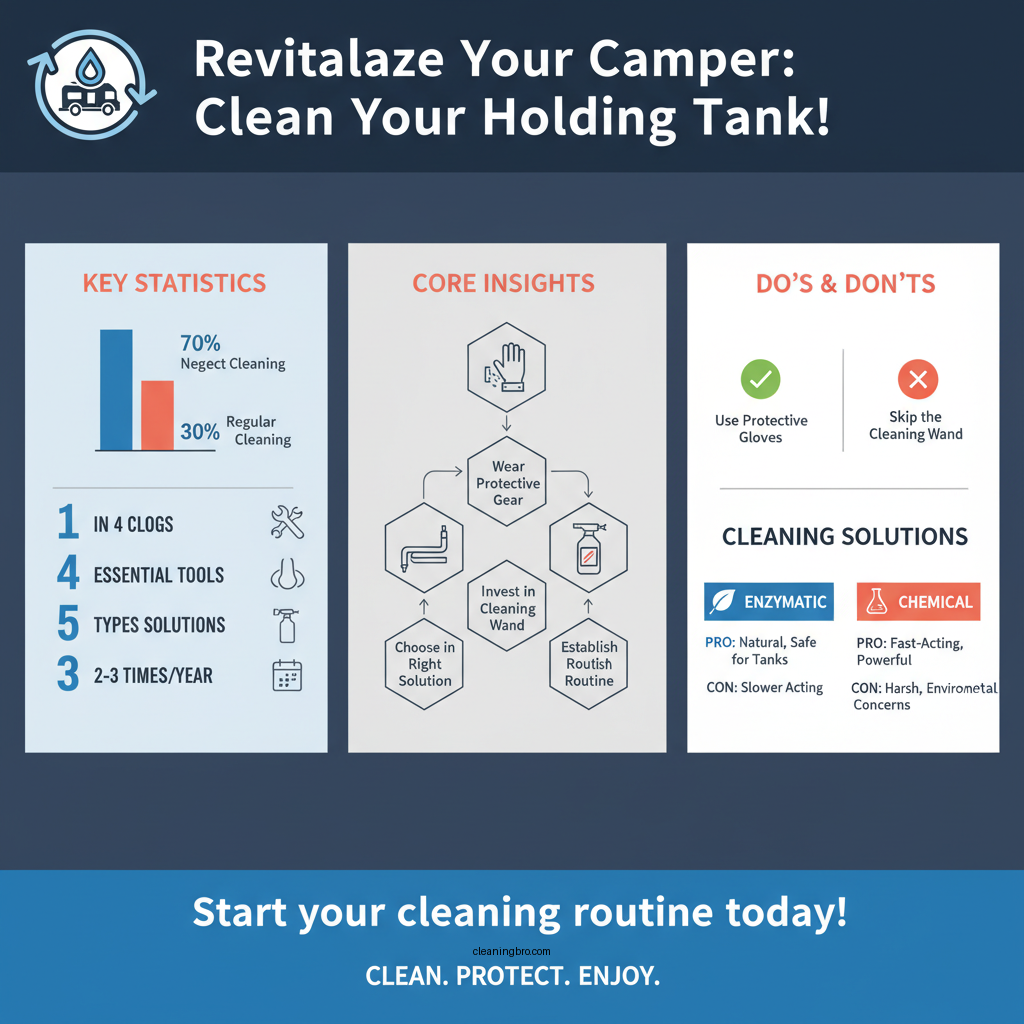
– Protective Gear: Disposable gloves are essential to keep your hands clean and protected from harmful bacteria.
– Hoses: A clean, long hose is necessary for rinsing the tank and can be used to connect to a dump station.
– Tank Cleaning Wand: This tool helps to reach the corners and ensure a thorough cleaning of the tank’s interior.
– Waste Disposal Containers: If you’re using any cleaning products or treatments, designate a container for safe waste disposal.
In terms of cleaning solutions, consider the following:
– Enzymatic Cleaners: These are biodegradable and work by breaking down waste and odors naturally. They are safer for the environment and your tank.
– Chemical Cleaners: While effective, they can be harsh and may damage some tank materials over time. Use them sparingly and follow the manufacturer’s recommendations.
Step-by-Step Cleaning Process
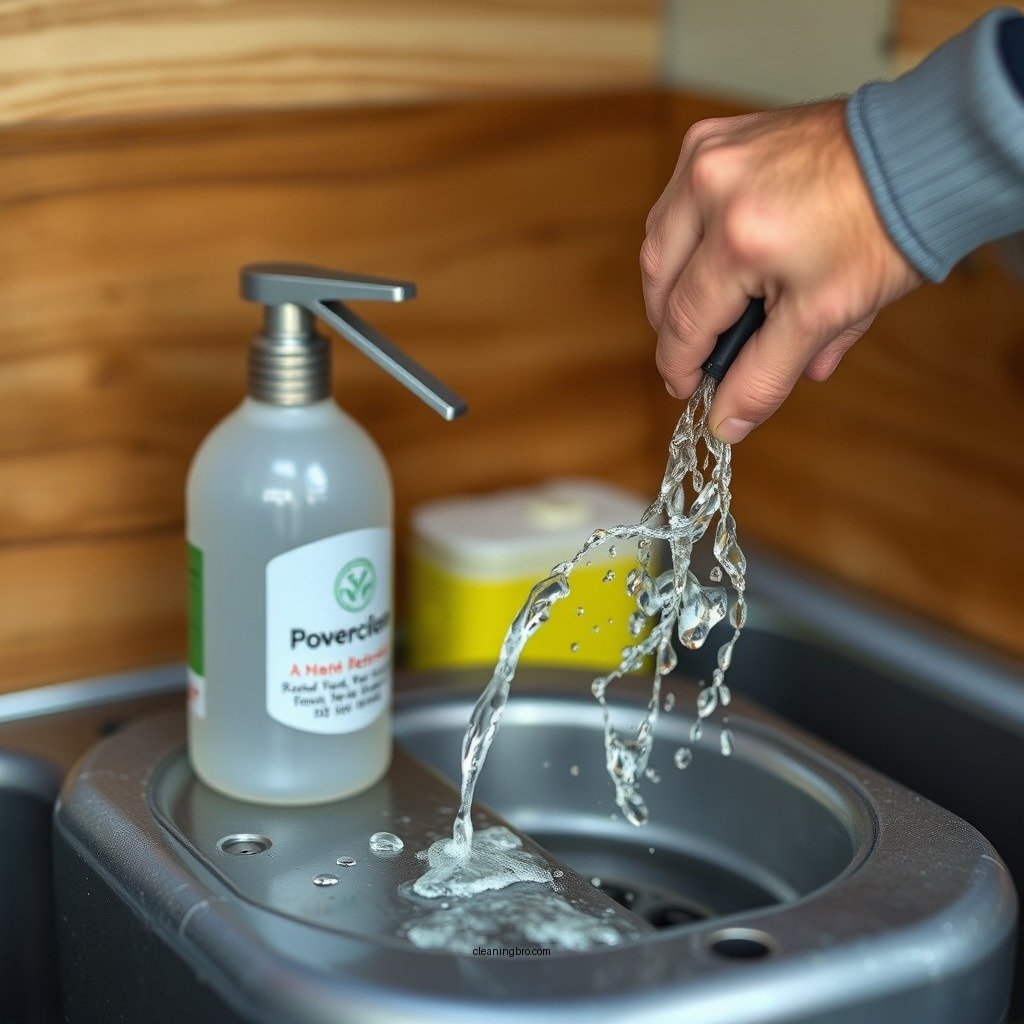
Cleaning your holding tank requires a systematic approach. Here’s a detailed step-by-step process:
1. Locate a Dump Station: Before you begin, find a nearby dump station where you can safely empty your holding tank.
2. Empty the Tank: Connect the hose from your camper to the dump station’s inlet. Open the valve to allow the waste to flow out completely. It’s advisable to dump your black water tank (toilet) first, followed by the grey water tank (sink and shower).
3. Rinse the Tank: After emptying, use the clean hose to rinse the tank thoroughly. If you have a tank cleaning wand, insert it into the opening and spray water along the tank’s walls to dislodge any remaining waste residues.
4. Add Cleaning Solution: Once rinsed, add your chosen cleaning solution according to the manufacturer’s instructions. This should be followed by filling the tank with fresh water to help circulate the cleaner.
Common Holding Tank Cleaning Products (2024)
| # | Product | Type | Biodegradable | Effectiveness |
|---|---|---|---|---|
| 1 | Camco TST | Enzymatic | Yes | High |
| 2 | Thetford Aqua-Kem | Chemical | No | Very High |
| 3 | Nature’s Head | Enzymatic | Yes | Moderate |
| 4 | Bio-Kleen | Enzymatic | Yes | High |
| 5 | Septic Tank Treatment | Enzymatic | Yes | Moderate |
| 6 | Zep Drain Care | Chemical | No | Low |
| 7 | Green Gobbler | Enzymatic | Yes | High |
Using the Right Cleaning Solutions
Choosing the right cleaning solution for your holding tank is crucial for effective cleaning and maintaining the longevity of the tank. Enzymatic cleaners, such as those from Camco or Bio-Kleen, use natural bacteria to break down waste and odors. They are eco-friendly and safe for the environment, making them a popular choice among campers who prioritize sustainability.On the other hand, chemical cleaners, like Thetford Aqua-Kem, offer potent disinfecting properties and can be very effective in eliminating odors and breaking down waste. However, they can also be harsh on the tank’s materials and might lead to corrosion over time. When selecting a product, consider the type of tank you have, any specific manufacturer recommendations, and personal preferences regarding environmental impact.
Maintenance Tips for Long-Term Care
Maintaining a clean holding tank extends its lifespan and ensures a pleasant camping experience. Here are some best practices:
– Regularly Empty and Clean: Aim to empty your tank at least every few days during your camping trips, especially if you’re using it frequently. After emptying, always perform a rinse to remove residue.
– Use Proper Additives: After cleaning, add a suitable holding tank treatment to help break down waste and minimize odors. Be consistent in using these treatments after each dump.
– Monitor Levels: Keep an eye on your tank’s levels using the built-in gauge, if available. This will help you avoid overfilling and potential leaks.
– Inspect Regularly: Check for signs of wear and tear, leaks, or clogs. Addressing these issues early on can save you from more significant problems in the future.
Troubleshooting Common Issues
Despite best efforts, you may encounter issues with your holding tank. Here are common problems and solutions:
– Clogs: If you experience slow drainage, it might indicate a clog. Use a tank cleaning wand or a specialized clog remover to clear the obstruction.
– Odors: Persistent odors can signal a buildup of waste or inadequate cleaning. Ensure you are using the right cleaning products and that you empty the tank regularly.
– Leaks: If you notice leaks, inspect seals and hoses for damage. Replace any faulty components to prevent waste leakage.
Final Steps After Cleaning
Once you’ve finished cleaning and maintaining your holding tank, it’s essential to dispose of waste and cleaning materials responsibly. Always follow local regulations regarding waste disposal. After your tank is clean and treated, prepare it for the next use by adding an appropriate amount of treatment solution and fresh water, which will help keep it functioning optimally.
By following these steps, you’ll ensure your camper’s holding tank stays clean and functional, enhancing your overall camping experience. Regular maintenance and cleaning will not only prevent odors but also extend the life of your tank system. For more tips or to share your own experiences, consider joining a camping community or forum!
Frequently Asked Questions
How do I properly clean the holding tank in my camper?
To clean the holding tank in your camper, start by emptying the tank at a designated dump station. Once emptied, use a tank cleaner or a mixture of water and vinegar to rinse the tank thoroughly, ensuring to include the sensors. After that, fill the tank with clean water and add a holding tank treatment to help break down waste and control odors.
What tools do I need for cleaning my camper’s holding tank?
To clean your camper’s holding tank, you will need a few essential tools: a sewer hose for dumping, a tank rinser or wand to flush the tank, and a holding tank cleaner or treatment. Additionally, having rubber gloves, a bucket, and a hose will make the process easier and more hygienic.
Why is it important to regularly clean my camper’s holding tank?
Regularly cleaning your camper’s holding tank is crucial to prevent the buildup of waste and odors, which can lead to clogs and sensor malfunctions. A clean holding tank also enhances your overall camping experience by maintaining hygiene and ensuring that waste is properly managed, minimizing unpleasant surprises during your trips.
What is the best way to eliminate odors from my camper’s holding tank?
The best way to eliminate odors from your camper’s holding tank is to use a high-quality holding tank treatment that contains enzymes or bacteria specifically designed to break down waste and neutralize smells. Additionally, regularly cleaning the tank and ensuring it’s emptied frequently can help keep unpleasant odors at bay.
Which holding tank treatments are most effective for campers?
Effective holding tank treatments for campers include products that contain natural enzymes or bacteria, such as Thetford Aqua-Kem and Camco TST. These treatments break down solids and help control odors, making them popular among RV enthusiasts. Always choose a treatment that is RV-friendly and designed for use in holding tanks to ensure optimal performance.
References
- https://www.extension.iastate.edu/news/2005/dec/050802.htm
https://www.extension.iastate.edu/news/2005/dec/050802.htm - https://www.cdc.gov/healthywater/drinking/travel/cleaning.html
https://www.cdc.gov/healthywater/drinking/travel/cleaning.html - https://www.nps.gov/articles/cleaning-your-rv-holding-tank.htm
https://www.nps.gov/articles/cleaning-your-rv-holding-tank.htm - https://www.thoughtco.com/how-to-clean-an-rv-holding-tank-5072413
https://www.thoughtco.com/how-to-clean-an-rv-holding-tank-5072413 - Google Scholar Google Scholar
https://scholar.google.com/scholar?q=how+to+clean+holding+tank+in+camper - Google Scholar Google Scholar
https://scholar.google.com/scholar?q=RV+holding+tank+cleaning+procedures - Google Scholar Google Scholar
https://scholar.google.com/scholar?q=cleaning+RV+holding+tank+maintenance - how to clean holding tank in camper – Search results
https://en.wikipedia.org/wiki/Special:Search?search=how+to+clean+holding+tank+in+camper - https://www.ncbi.nlm.nih.gov/search/research-articles/?term=how+to+clean+holding+tank+in+camper
https://www.ncbi.nlm.nih.gov/search/research-articles/?term=how+to+clean+holding+tank+in+camper