

Cleaning your horse is essential for their health and well-being, as it helps maintain their coat, skin, and overall hygiene. In this guide, you’ll learn the best practices to effectively clean your horse, ensuring they stay comfortable and looking their best.


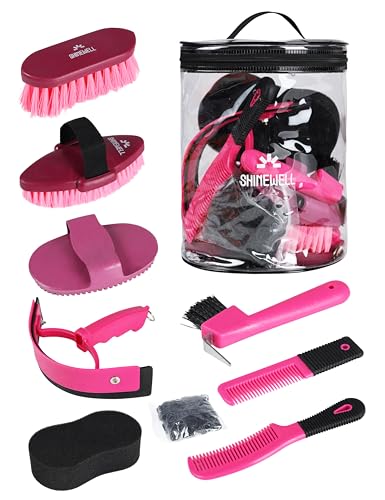

Maintaining a clean horse is not just about aesthetics; it significantly impacts their physical health. Regular grooming helps to remove dirt, debris, and dead skin, allowing for better skin health and coat shine. Moreover, consistent cleaning routines also provide opportunities to check for injuries or skin conditions, thereby promoting a holistic approach to equine care. With the right methods and tools, you can ensure your horse remains healthy, comfortable, and well-groomed.
Understanding Your Horse’s Needs

Understanding your horse’s specific needs is the first step toward effective cleaning. Different breeds and coat types require varying levels of grooming frequency. For instance, horses with thick, long coats may need more frequent grooming, especially during shedding seasons, while those with shorter coats might require less.
Additionally, it’s crucial to recognize signs of dirt, sweat, or skin issues. After riding or working, check your horse for sweat marks, dirt accumulation, or unusual odors. If you notice any signs of skin irritation, such as redness, flaking, or unusual sensitivity, these may require immediate attention, either through targeted cleaning or consultation with a veterinarian. A well-groomed horse is not only aesthetically pleasing but also more comfortable and healthier.
Gathering the Right Tools


Before embarking on the cleaning process, ensure you have the proper tools. Essential grooming tools include various brushes, hoof picks, and sponges, which cater to specific cleaning tasks.
1. Curry Comb: Ideal for loosening dirt and hair.
2. Stiff Brush: Good for removing caked-on dirt and debris.
3. Soft Brush: Used for sensitive areas like the face and legs.
4. Hoof Pick: Necessary for cleaning out the hooves and checking for any issues.
5. Sponges or Cloths: Useful for washing the horse’s face or sensitive areas.
6. Shampoos and Conditioners: Select products specifically designed for equines to avoid skin irritation.
Having the right tools not only makes the grooming process more effective but also ensures that you treat your horse gently and respectfully.
Bathing Techniques

Bathing your horse is an essential part of their grooming routine, especially after strenuous activities. Use lukewarm water to ensure comfort, as cold water can be shocking, while hot water can irritate their skin. When selecting a shampoo, opt for equine-specific formulas that are free from harsh chemicals.
Focus on washing areas prone to dirt accumulation, such as the underbelly, legs, and mane. Start by wetting the coat, applying the shampoo, and working it into a lather. Rinse thoroughly to prevent skin irritation or residue buildup. Be cautious around the eyes and ears, and use a sponge for these sensitive areas.
📋 DATA
Essential Grooming Tools for Horses
| # | Tool | Purpose | Frequency of Use |
|---|---|---|---|
| 1 | Curry Comb | Loosens dirt | Daily |
| 2 | Stiff Brush | Removes caked dirt | Daily |
| 3 | Soft Brush | Sensitive areas | Weekly |
| 4 | Hoof Pick | Removes debris | Weekly |
| 5 | Sponge | Face cleaning | As needed |
| 6 | Shampoo | Cleans coat | Monthly |
| 7 | Conditioner | Moisturizes coat | Monthly |
Brushing Your Horse
Brushing is a critical component of horse grooming as it not only cleans the coat but also stimulates the skin, promoting circulation. Begin with a curry comb to loosen dirt, dust, and loose hair. Use a circular motion, applying light pressure, particularly in areas with more dirt buildup.
After using the curry comb, switch to a stiff brush. This brush helps remove the debris that the curry comb has loosened. For sensitive areas, such as the face and lower legs, a soft brush is more appropriate. It’s important to brush in the direction of hair growth to avoid discomfort. Regular brushing can improve coat health and shine, making your horse look well-kept and vibrant.
Cleaning the Hooves
Regular hoof cleaning is vital for preventing infections and ensuring your horse’s overall foot health. Using a hoof pick, carefully clean out the hooves, starting from the heel and working towards the toe. This method helps remove stones, dirt, and other debris that can cause discomfort or injury.
While cleaning, inspect the hooves for signs of thrush, cracks, or other injuries. If you notice any abnormalities, consult a veterinarian for appropriate treatment. A horse’s hooves are often referred to as their foundation, and maintaining them properly is essential for their overall health.
Checking for Skin Issues
While grooming, it is essential to monitor your horse closely for any signs of skin issues or parasites. Look for redness, swelling, or unusual bumps that could indicate irritation or infection. Additionally, check for signs of parasites, such as lice or mites, which can cause discomfort and health complications.
If you discover any issues, address them immediately. You may need to use specific treatments, such as medicated shampoos or creams, or consult a veterinarian for a proper diagnosis and treatment plan. Regular inspections during cleaning can help catch these problems early, ensuring your horse remains healthy.
Creating a Routine
Establishing a regular cleaning schedule is beneficial for both you and your horse. This routine should be tailored to your horse’s activity level and the environment in which they live. Horses that are more active or spend time in muddy pastures may require more frequent grooming.
To encourage a positive experience during grooming, involve your horse in the routine. Allow them to stand quietly while you work, and offer treats or soothing words. This interaction can strengthen your bond and make the cleaning process enjoyable for both of you.
📈 CHART
Cleaning Frequency Recommendations Based on Coat Type
Maintaining a clean horse is crucial for their health and happiness. By following these steps, you can ensure that your horse is not only clean but also comfortable. Regular grooming promotes bonding and can help you spot potential health issues early. Start incorporating these practices into your routine today for a healthier, happier horse!
Frequently Asked Questions
What are the best tools for cleaning a horse?
The best tools for cleaning a horse include a curry comb, stiff and soft brushes, a hoof pick, and a sponge or cloth for sensitive areas. A curry comb helps loosen dirt and debris, while stiff brushes remove it effectively. Soft brushes are ideal for sensitive areas, and a hoof pick is essential for maintaining hoof health.
How often should I clean my horse?
You should clean your horse at least once a day, particularly if they are in a stall or have been ridden. Daily grooming helps maintain coat health, prevents skin issues, and provides an opportunity to check for injuries or irritations. In warmer months, you may need to groom more frequently to manage sweat and bugs.
Why is it important to clean a horse regularly?
Regularly cleaning your horse is crucial for several reasons, including maintaining skin health, preventing infections, and enhancing the bond between you and your horse. Grooming removes dirt, sweat, and loose hair, which can otherwise lead to skin irritations and discomfort. It also allows you to spot any unusual lumps or injuries early on.
What is the best way to clean a horse’s hooves?
The best way to clean a horse’s hooves involves using a hoof pick to remove dirt, stones, and debris from the hoof sole and frog. Start by lifting the hoof and using the pick to carefully scrape out any material, being cautious not to damage the sensitive structures. Regular hoof cleaning is essential for preventing thrush and other hoof-related issues.
Which areas of the horse require special attention during cleaning?
Areas that require special attention during cleaning include the mane, tail, ears, and around the eyes. These sensitive spots can collect dirt and debris but are also prone to irritation. Be gentle when cleaning these areas, using soft brushes and sponges to avoid causing discomfort to your horse.
References
- Horse management
https://en.wikipedia.org/wiki/Horse_care - https://extension.unh.edu/resource/horse-care
https://extension.unh.edu/resource/horse-care - https://extension.psu.edu/horse-care-and-management
https://extension.psu.edu/horse-care-and-management - https://www.thehorse.com/articles/41794/keeping-your-horse-clean
https://www.thehorse.com/articles/41794/keeping-your-horse-clean - Resource Library – AAEP
https://www.aaep.org/sites/default/files/2022-03/AAEP_HorseCare_Guide.pdf - Google Scholar Google Scholar
https://scholar.google.com/scholar?q=how+to+clean+horses - Google Scholar Google Scholar
https://scholar.google.com/scholar?q=horse+grooming+techniques - Google Scholar Google Scholar
https://scholar.google.com/scholar?q=equine+care+and+cleaning - https://www.extension.iastate.edu/equine/horse-grooming
https://www.extension.iastate.edu/equine/horse-grooming - how to clean horses – Search results
https://en.wikipedia.org/wiki/Special:Search?search=how+to+clean+horses

[…] Buy Best Reptile Carpet Cleaner Now on Amazon Gathering the right tools up front keeps the reptile carpet clean-up fast, controlled, and residue-free. Prepping the habitat […]