How to Clean Implants with a Waterpik: A Step-by-Step Guide
To effectively clean dental implants using a Waterpik, you should focus on the right technique and settings to ensure optimal oral hygiene. This article will guide you through the necessary steps and tips to keep your implants clean and healthy. By following a systematic approach, you can prevent plaque build-up and maintain the integrity of your dental implants, ensuring they remain functional and aesthetically pleasing for years to come.
Understanding the Importance of Cleaning Implants
Dental implants are a popular solution for tooth loss, providing both aesthetic and functional benefits. However, they also require meticulous cleaning to prevent infection and maintain gum health. Neglecting proper care can lead to complications such as peri-implantitis, an inflammatory condition affecting the implant and surrounding tissues. Regular cleaning helps avoid plaque build-up, which can harbor harmful bacteria and lead to infections. Therefore, incorporating a Waterpik into your oral hygiene routine can significantly enhance the cleaning process, reaching areas that traditional brushing may miss.
Choosing the Right Waterpik Model
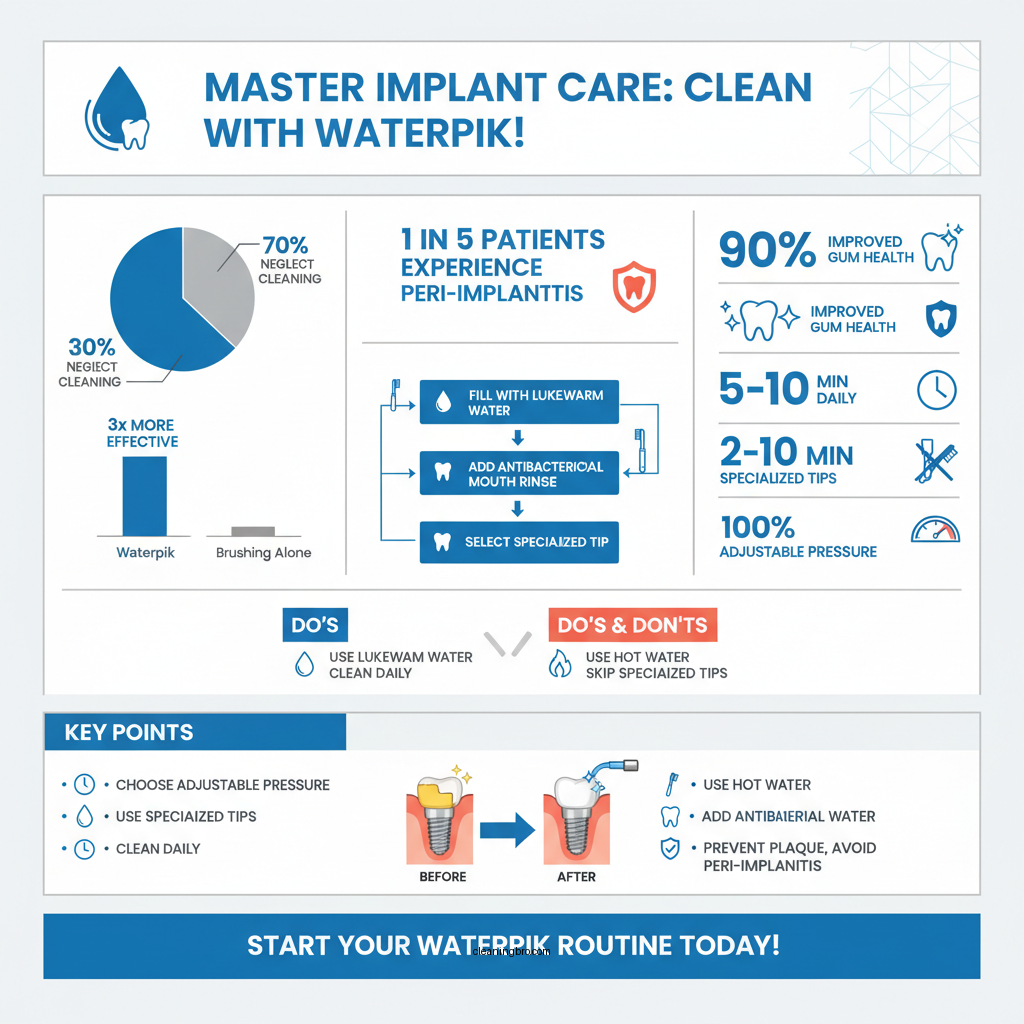
When selecting a Waterpik for cleaning dental implants, it’s essential to consider specific features that cater to your needs. Opt for a model with adjustable pressure settings, allowing you to find a comfortable level that effectively cleans without causing discomfort. Additionally, look for attachments specifically designed for implants or periodontal care, such as a specialized tip that targets the gum line and the area around the implant. These features can enhance the efficacy of your cleaning routine, ensuring that you achieve the best possible results for your dental health.
Preparing for Cleaning
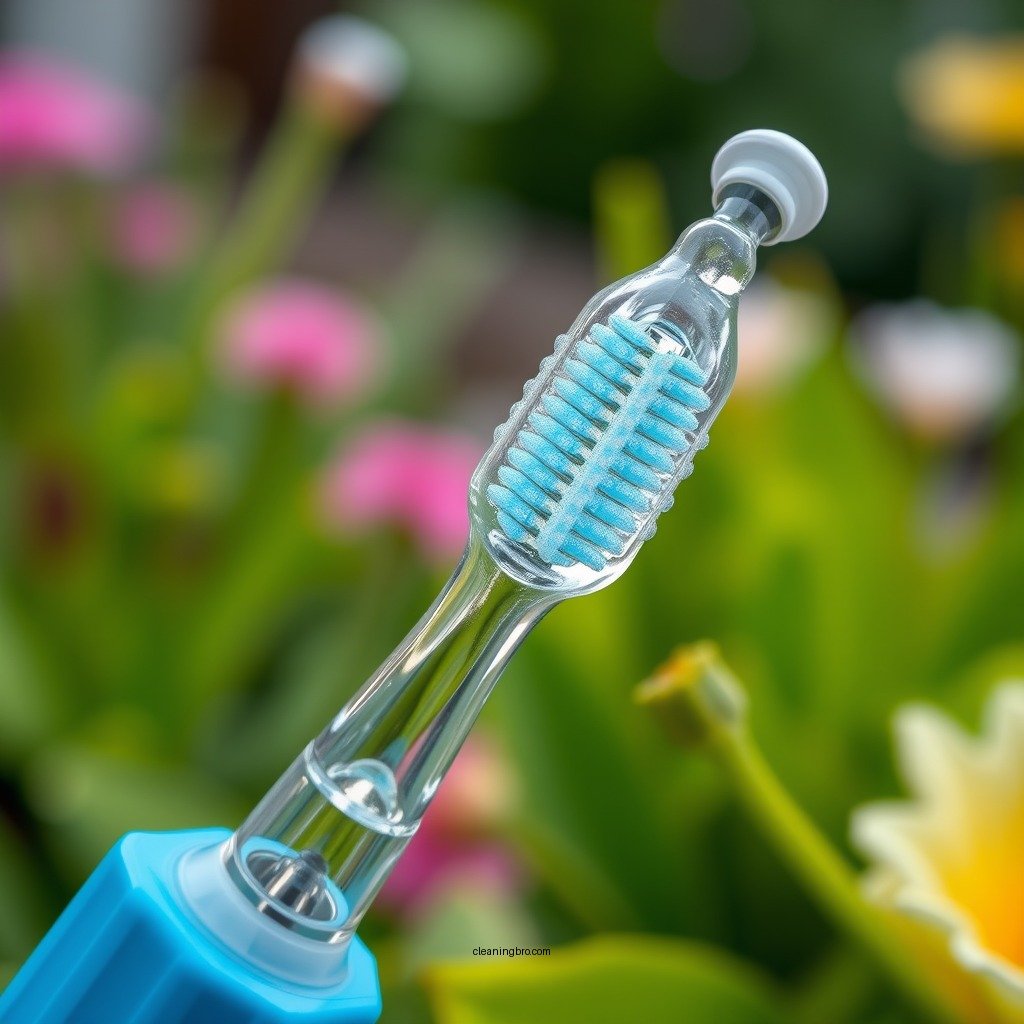
Before you begin using your Waterpik, it’s crucial to prepare adequately to enhance your cleaning experience. Start by filling the Waterpik reservoir with lukewarm water, as this temperature is generally more comfortable for your gums and sensitive areas. If desired, consider adding an antibacterial mouth rinse to the water for enhanced cleaning. This can help reduce bacterial load and provide an additional layer of protection against plaque formation.
Top 7 Waterpik Models for Dental Implants (2024)
| # | Model | Pressure Settings | Special Features | Best For |
|---|---|---|---|---|
| 1 | Waterpik WP-660 | 10 | Cordless, LED indicator | Implant Care |
| 2 | Waterpik WP-900 | 10 | Waterproof, multiple tips | Gum Health |
| 3 | Waterpik Cordless Freedom | 3 | Portable, rechargeable | Travel |
| 4 | Waterpik Aquarius | 10 | Dual water pressure control | Daily Use |
| 5 | Waterpik WP-360 | 3 | Compact design | Small Spaces |
| 6 | Waterpik Ultra | 10 | Multiple cleaning modes | Versatile Use |
| 7 | Waterpik Cordless Plus | 4 | Travel-friendly | On-the-go |
Correct Technique for Cleaning Implants
Using the Waterpik effectively is crucial in ensuring that you clean your dental implants thoroughly. Begin by positioning the Waterpik tip at the gum line, angling it towards the implant. This positioning allows the water stream to access the area between the implant and your gums effectively. Use a gentle, sweeping motion to clean around the implant and along the gum line, ensuring that you also focus on the back and sides of the implant, where plaque can accumulate. It is advisable to start at the back of your mouth and work your way forward to ensure you clean every area properly without missing spots.
Recommended Settings and Duration
When using a Waterpik, the settings you choose can significantly impact the effectiveness of your cleaning routine. It’s best to start with the lowest pressure setting, especially if you are new to using a Waterpik or have sensitive gums. Gradually increase the pressure as needed, but always ensure that it remains comfortable. Aim for a cleaning session of 1-2 minutes focused on each implant. This duration allows you to thoroughly clean the area without rushing, ensuring that you achieve maximum cleanliness.
Effectiveness of Waterpik Settings on Cleaning Time (Minutes)
Post-Cleaning Care
After using the Waterpik, rinse your mouth with water to remove any dislodged debris and residual mouth rinse. This step is essential for ensuring that any loosened particles do not contribute to further plaque build-up. Additionally, it is important to regularly check the Waterpik’s components for wear; replace tips and parts as necessary to maintain optimal performance. A well-maintained Waterpik will be more effective in keeping your implants clean and your oral health in check.
Additional Tips for Maintaining Oral Hygiene
While using a Waterpik is an effective method for cleaning dental implants, it should be part of a comprehensive oral hygiene routine. Combine Waterpik use with regular brushing and flossing to ensure comprehensive care. Use a soft-bristled toothbrush and fluoride toothpaste to protect your dental implants and surrounding teeth. Schedule regular dental check-ups for professional cleaning and monitoring, as these visits can help identify any issues early on.
By following these steps, you can effectively clean your dental implants with a Waterpik, ensuring they remain healthy and functional. Remember to incorporate this practice into your daily oral hygiene routine for the best results.
Maintaining your dental implants requires diligence and the right tools. A Waterpik can significantly enhance your cleaning routine, ensuring that your implants stay clean and free from complications. Prioritize your oral health by adopting these practices, and enjoy the lasting benefits of a beautiful smile.
Frequently Asked Questions
How can I effectively use a Waterpik to clean dental implants?
To effectively clean dental implants with a Waterpik, start by selecting the appropriate tip designed for implants. Use warm water and set the pressure to a comfortable level. Aim the stream at the implant area, ensuring you clean around the gum line and any hard-to-reach spots, moving systematically to cover all surfaces.
What are the benefits of using a Waterpik for cleaning dental implants?
Using a Waterpik for cleaning dental implants offers several benefits, including the ability to remove plaque and food particles more effectively than traditional brushing alone. It provides a gentle yet powerful water stream that can help reduce inflammation and promote gum health, making it an excellent addition to your oral hygiene routine.
Why is it important to clean dental implants regularly with a Waterpik?
Regular cleaning of dental implants with a Waterpik is crucial to prevent peri-implantitis, a condition that can lead to implant failure. The Waterpik helps flush out debris and bacteria that can accumulate around the implant, ensuring a healthier environment for the gums and enhancing the longevity of the implant.
Which Waterpik model is best for cleaning dental implants?
The Waterpik Aquarius Professional Water Flosser is highly recommended for cleaning dental implants due to its adjustable pressure settings and specialized tips. It offers a variety of features that cater to different needs, making it an effective choice for maintaining implant hygiene and overall oral health.
What tips should I follow when using a Waterpik on implants to avoid damage?
When using a Waterpik on implants, start with the lowest pressure setting to avoid damaging the surrounding gum tissue. Maintain a distance of about 1-2 inches from the implant while aiming the water stream, and focus on cleaning gently around the implant and gum line. Regularly clean the Waterpik device itself to ensure optimal performance and hygiene.
References
- Page Not Found – Site Help – Mayo Clinic
https://www.mayoclinic.org/tests-procedures/dental-implants/about/pac-20384657 - https://www.ncbi.nlm.nih.gov/pmc/articles/PMC5526035/
https://www.ncbi.nlm.nih.gov/pmc/articles/PMC5526035/ - https://www.ncbi.nlm.nih.gov/pmc/articles/PMC4868316/
https://www.ncbi.nlm.nih.gov/pmc/articles/PMC4868316/ - https://www.sciencedirect.com/science/article/pii/S2212472015300266
https://www.sciencedirect.com/science/article/pii/S2212472015300266 - https://www.nature.com/articles/s41598-022-22325-4
https://www.nature.com/articles/s41598-022-22325-4 - Oral health
https://www.who.int/news-room/fact-sheets/detail/oral-health - Google Scholar Google Scholar
https://scholar.google.com/scholar?q=how+to+clean+implants+with+waterpik - Google Scholar Google Scholar
https://scholar.google.com/scholar?q=dental+implants+cleaning+methods - Google Scholar Google Scholar
https://scholar.google.com/scholar?q=waterpik+oral+care+for+implants - how to clean implants with waterpik – Search results
https://en.wikipedia.org/wiki/Special:Search?search=how+to+clean+implants+with+waterpik