How to Clean the Inside of a Football Helmet
Cleaning the inside of a football helmet is essential for maintaining hygiene and ensuring player safety. Regular cleaning helps prevent the buildup of sweat, bacteria, and odors, contributing to a safer and more comfortable playing experience. This guide provides detailed steps to effectively clean your helmet’s interior, ensuring it remains fresh and in optimal condition throughout the season.
Understanding the Importance of Helmet Cleaning

Football helmets are a critical piece of equipment designed to protect players from head injuries. However, the interior of these helmets can become a breeding ground for bacteria, fungus, and unpleasant odors due to sweat and moisture. Regular cleaning is vital for several reasons:
– Prevents the buildup of sweat, bacteria, and odors: Helmets can trap moisture and sweat, leading to the growth of harmful bacteria and unpleasant smells. This not only affects the hygiene of the helmet but can also lead to skin irritations and infections for the player.
– Ensures a safer and more comfortable experience for the player: A clean helmet provides better comfort, ensuring that players can focus on their gameplay without being distracted by discomfort or unpleasant odors.
– Maintains the integrity and lifespan of the helmet: Regular maintenance can help prolong the life of the helmet, ensuring that it continues to provide adequate protection over time.
Gather Your Cleaning Supplies
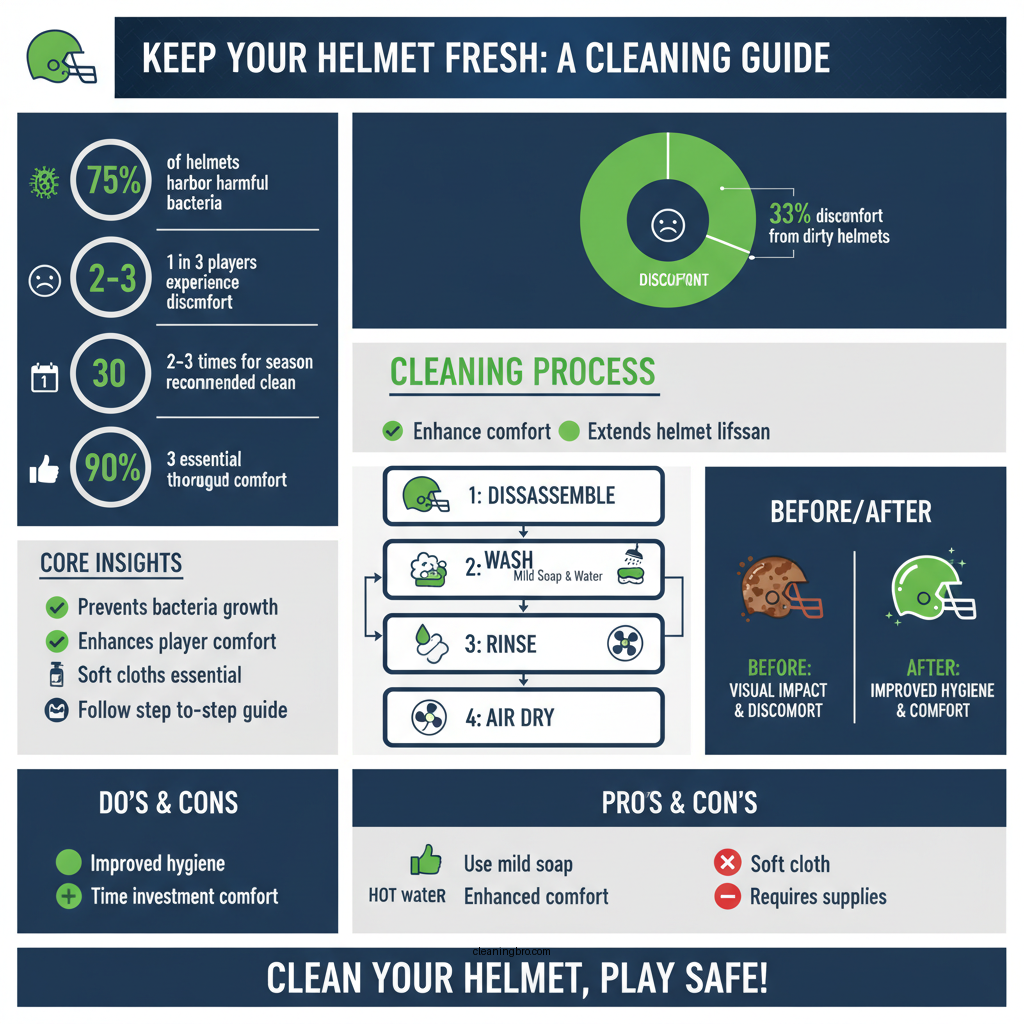
Before you begin cleaning the helmet, it’s important to gather the necessary supplies. The right tools will make the cleaning process more efficient and effective. Here’s a list of items you will need:
– Mild soap or helmet-specific cleaner: Opt for a gentle soap that won’t damage the helmet’s materials. Some manufacturers also produce specialized cleaners designed specifically for helmet maintenance.
– Soft cloths or towels: These should be non-abrasive to avoid scratching the interior surfaces. Microfiber cloths are an excellent choice as they are soft and highly absorbent.
– Water: Use lukewarm water for rinsing and diluting cleaning solutions. Avoid using extremely hot water, as it can damage the helmet’s materials.
Step-by-Step Cleaning Process
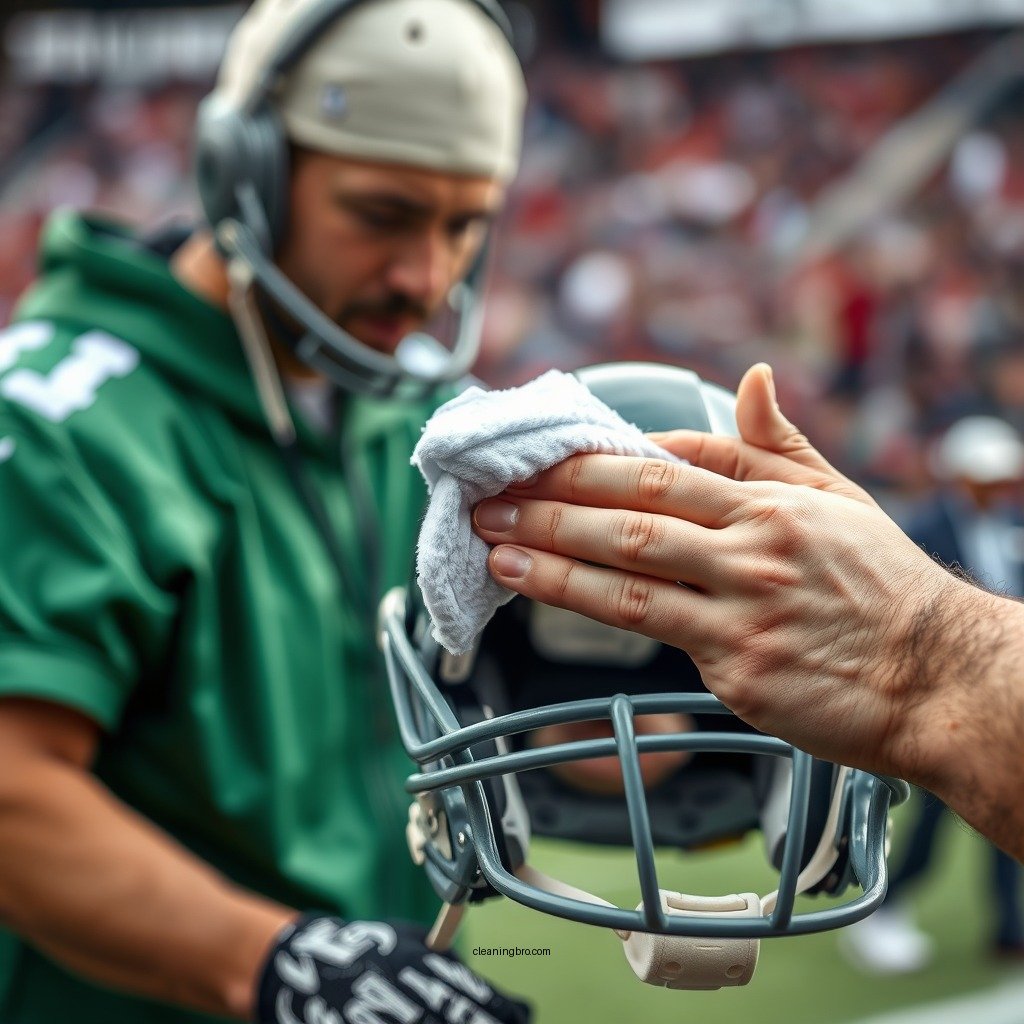
Cleaning the inside of a football helmet can be straightforward if you follow these steps:
1. Remove any removable padding or liners for easier cleaning: If your helmet has removable padding, take it out carefully. This will allow you to clean both the helmet shell and the padding thoroughly.
2. Use a cloth dampened with soapy water to wipe the interior surfaces: Dip a soft cloth in a mixture of mild soap and water, wringing it out to avoid excess moisture. Gently wipe down the interior surfaces, focusing on areas that may have more build-up, such as around the padding.
3. Rinse with a clean, damp cloth to remove any soap residue: After cleaning with soap, use a separate damp cloth to wipe away any remaining soap. It’s crucial to ensure that no soap is left behind, as it can irritate the skin during use.
Top Football Helmet Brands and Their Cleaning Features (2024)
| # | Brand | Material | Liner Type | Cleaning Method |
|---|---|---|---|---|
| 1 | Riddell | Polycarbonate | Foam Liner | Soap & Water |
| 2 | Schutt | Polycarbonate | Gel Liner | Disinfectant Wipes |
| 3 | Xenith | Polycarbonate | Foam Liner | Soap & Water |
| 4 | Rawlings | Polycarbonate | Foam Liner | Mild Cleaner |
| 5 | Under Armour | Polycarbonate | Foam Liner | Disinfectant Spray |
| 6 | Evoshield | Polycarbonate | Gel Liner | Soap & Water |
| 7 | Battle | Polycarbonate | Foam Liner | Mild Cleaner |
Disinfecting the Interior
After cleaning, it is crucial to disinfect the helmet’s interior to eliminate any remaining germs. Here’s how to effectively disinfect:
– Use an alcohol-based spray or disinfectant wipes on surfaces: Ensure that the disinfectant is suitable for use on plastics and foams to avoid damaging the helmet materials.
– Allow the disinfectant to sit for the recommended time for effective sanitization: This duration varies by product; typically, it is around 10 minutes. This step is essential for ensuring that harmful bacteria are eradicated.
– Avoid harsh chemicals that can damage helmet materials: Strong detergents or bleach can degrade the materials of the helmet, reducing its lifespan and protective capabilities.
Drying and Reassembling
Once the cleaning and disinfecting processes are complete, drying is the next important step:
– Ensure all parts of the helmet are thoroughly dried before reassembling: Moisture left behind can lead to mold and odors. Pay special attention to any padding or liner that may retain water.
– Leave the helmet in a well-ventilated area to air dry completely: Avoid placing the helmet in direct sunlight, as this can warp the materials or fade colors.
– Reattach padding and liners securely once dry: Make sure everything is aligned properly and securely fastened to maintain the helmet’s protective integrity.
Cleaning Frequency of Football Helmets (2024)
Regular Maintenance Tips
To ensure the longevity and cleanliness of your football helmet, regular maintenance is crucial. Here are some tips to help you stay on top of your helmet care:
– Clean the helmet after every use or at least once a week during the season: This practice not only keeps the helmet smelling fresh but also prevents the growth of bacteria and other harmful microbes.
– Store the helmet in a cool, dry place to prevent mold and odors: Avoid leaving the helmet in damp areas or direct sunlight, as this can lead to deterioration of materials and unpleasant smells.
– Inspect for any damage or wear that may need attention: Regularly check the helmet for cracks, loose padding, or other signs of wear and tear that may compromise its safety features. Addressing these issues promptly can help maintain the helmet’s protective capabilities.
Keeping your football helmet clean is crucial not only for hygiene but also for performance. By following these steps, you can ensure your helmet remains in top condition. Regular maintenance will help prevent unpleasant odors and protect your health on the field. Be proactive in caring for your gear and enjoy a safer playing experience!
Frequently Asked Questions
How do I properly clean the inside of a football helmet?
To clean the inside of a football helmet, start by removing the padding and liner if possible. Use a mixture of mild soap and warm water to gently scrub the interior surfaces with a soft cloth or sponge. Rinse thoroughly with clean water and allow it to air dry completely before reassembling the helmet to prevent any mold or odor buildup.
What cleaning products are safe for football helmet interiors?
When cleaning the interior of a football helmet, it’s best to use mild antibacterial soap or specialized helmet cleaning products that are free from harsh chemicals. Avoid bleach or ammonia-based cleaners as they can damage the materials and diminish the helmet’s protective qualities.
Why is it important to clean the inside of a football helmet regularly?
Regularly cleaning the inside of a football helmet is crucial to maintaining hygiene and preventing the growth of bacteria and mold, which can lead to skin irritations and infections. Additionally, a clean helmet helps ensure optimal performance by allowing better airflow and comfort for the player during games and practices.
What is the best method for disinfecting the inside of a football helmet?
The best method for disinfecting the inside of a football helmet is to use a solution of 70% isopropyl alcohol or a non-toxic disinfectant spray. After cleaning the surfaces, spray the disinfectant evenly and let it sit for a few minutes to effectively kill germs before wiping it down with a clean cloth.
Which areas of a football helmet need the most attention during cleaning?
The areas of a football helmet that require the most attention during cleaning include the padding, chin strap, and any vents. These components are prone to sweat and bacteria buildup, so ensure to scrub these areas thoroughly and regularly to maintain both hygiene and the helmet’s structural integrity.
References
- https://www.cdc.gov/headsup/youthsports/helmet-care.html
https://www.cdc.gov/headsup/youthsports/helmet-care.html - Official Site of the National Hockey League | NHL.com
https://www.nhl.com/news/cleaning-your-helmet/c-307370244 - https://www.ncbi.nlm.nih.gov/pmc/articles/PMC5610664/
https://www.ncbi.nlm.nih.gov/pmc/articles/PMC5610664/ - https://www.ncbi.nlm.nih.gov/pmc/articles/PMC6482471/
https://www.ncbi.nlm.nih.gov/pmc/articles/PMC6482471/ - Sign in – Google Accounts
https://www.sites.google.com/a/umich.edu/helmet-cleaning/ - Google Scholar Google Scholar
https://scholar.google.com/scholar?q=cleaning+football+helmet - Google Scholar Google Scholar
https://scholar.google.com/scholar?q=football+helmet+maintenance - Google Scholar Google Scholar
https://scholar.google.com/scholar?q=football+equipment+sanitation - https://www.ncbi.nlm.nih.gov/pmc/articles/PMC6412946/
https://www.ncbi.nlm.nih.gov/pmc/articles/PMC6412946/ - Google Scholar Google Scholar
https://scholar.google.com/scholar?q=how+to+clean+inside+of+football+helmet