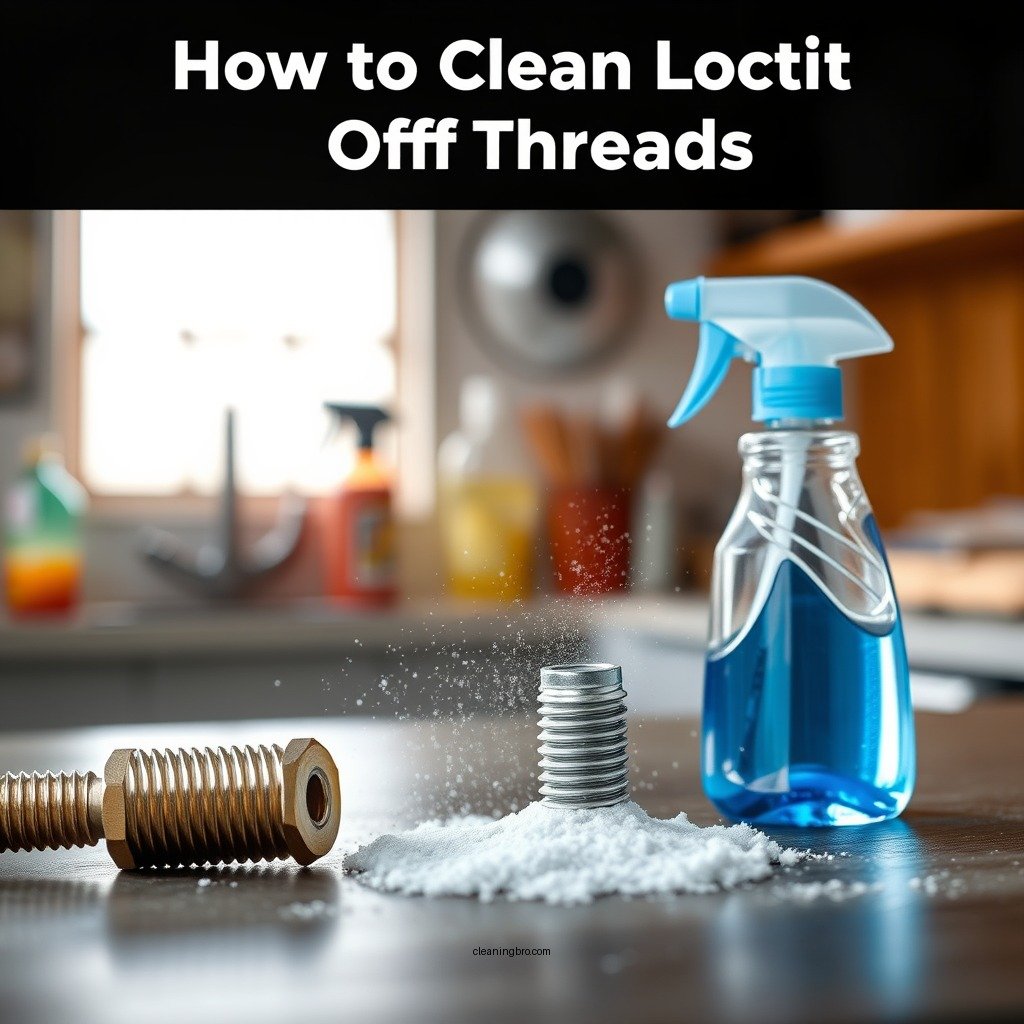
How to Clean Loctite Off Threads: Effective Methods
Removing Loctite from threaded surfaces can be straightforward with the right techniques. You can use solvents, mechanical methods, or heating techniques to effectively clean the adhesive off threads, ensuring they are ready for reuse. In this article, we’ll explore several effective methods to help you tackle this task efficiently.
Understanding Loctite Adhesives
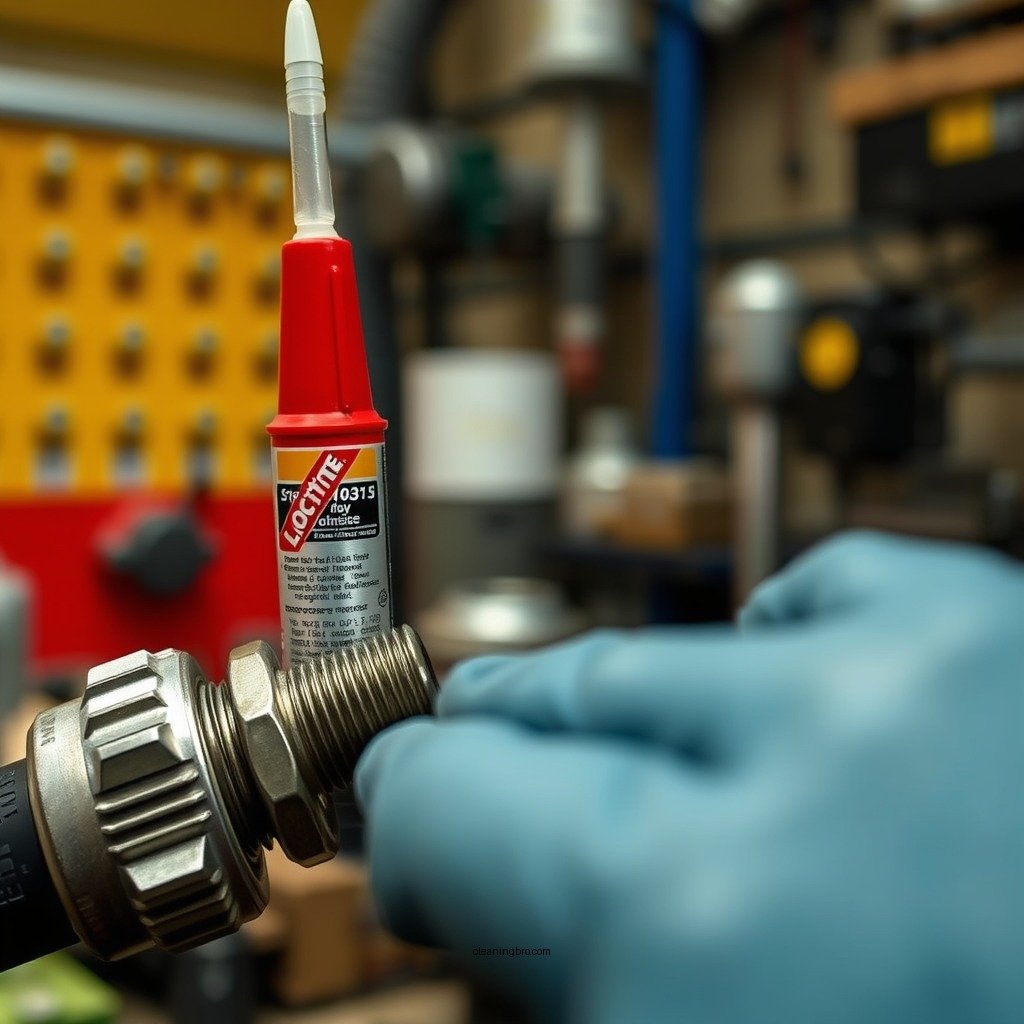
Loctite products are specifically engineered for strong bonding, making them invaluable in various mechanical and construction applications. These adhesives come in different formulations, including threadlockers, adhesives, and sealants, each designed for unique purposes and performance characteristics. For instance, threadlockers are formulated to prevent loosening from vibration, while structural adhesives are meant for a more permanent bond. Consequently, the method of removal can vary significantly depending on the type of Loctite being used. Understanding the specific product can help you choose the most effective removal technique, ensuring you avoid damaging the threaded surfaces.
Recommended Solvents
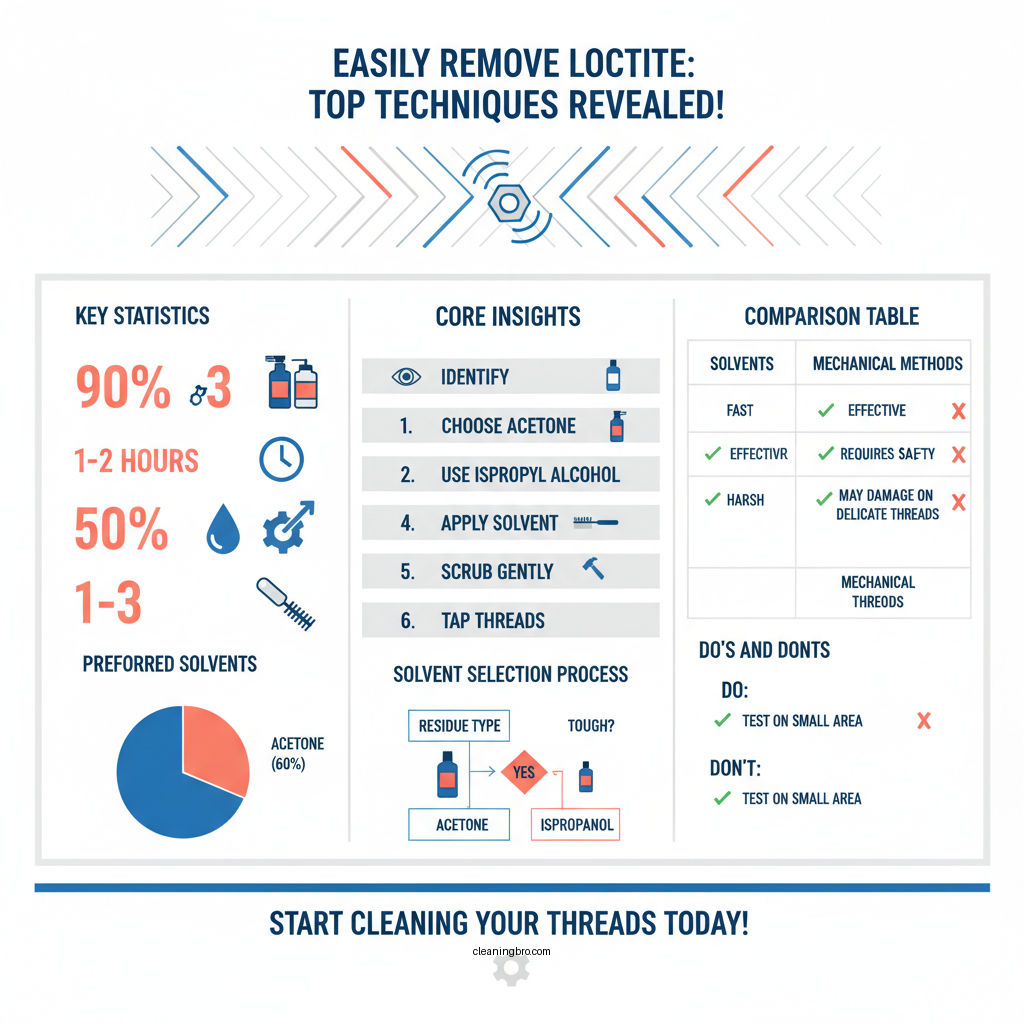
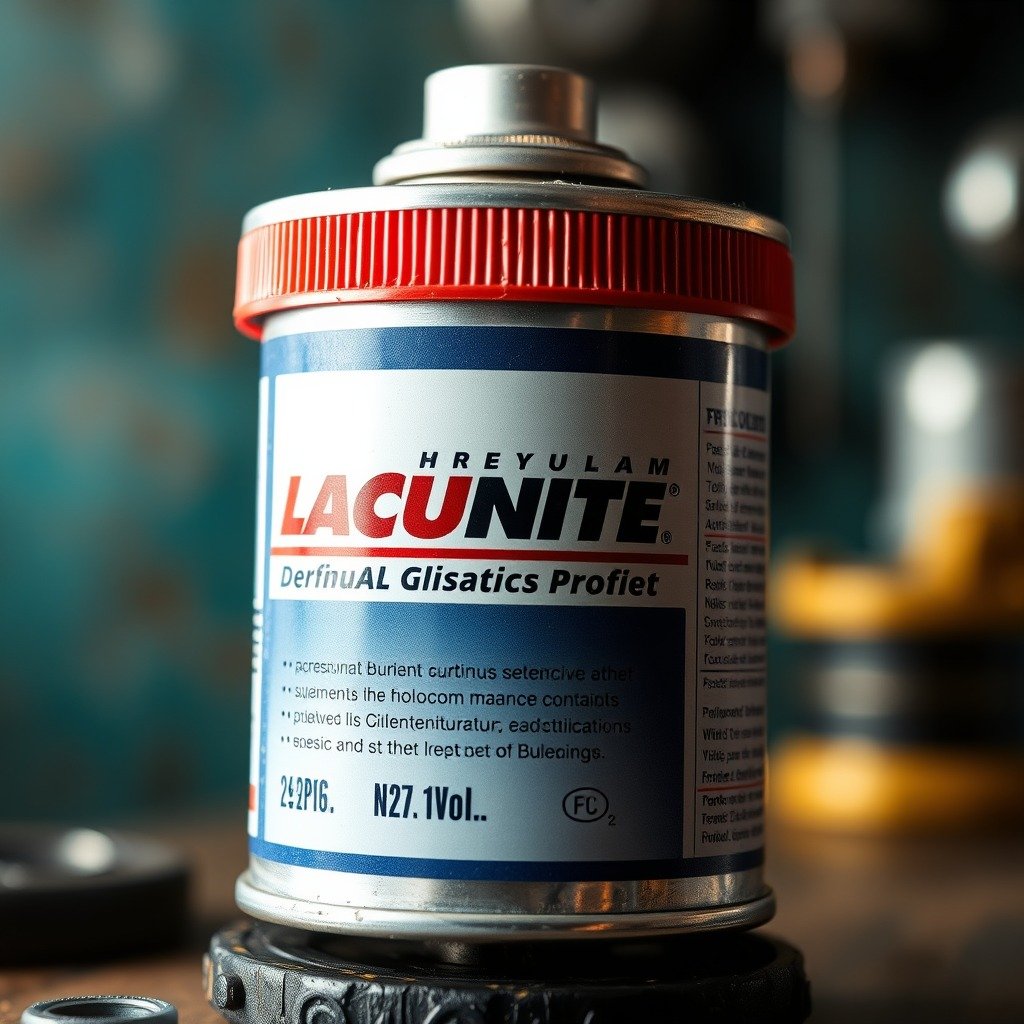
When it comes to solvents, acetone is one of the most effective options for breaking down Loctite adhesives. Known for its strong solvent properties, acetone can dissolve many types of adhesives, making it a go-to choice for professionals and DIY enthusiasts alike. To use acetone, simply soak a cloth in the solvent and apply it to the affected area, allowing it to penetrate the adhesive for several minutes before attempting to wipe it away.
Mechanical Methods for Removal
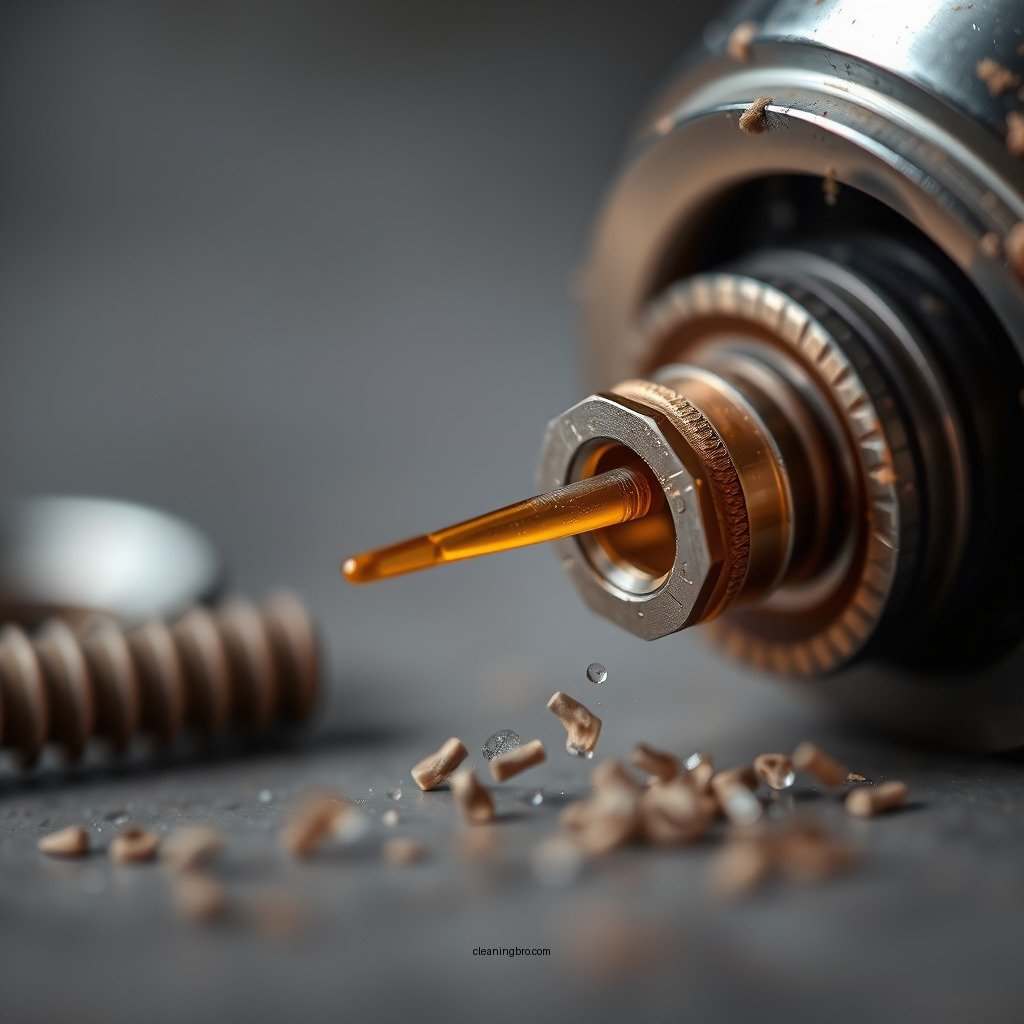
Mechanical methods can be quite effective when dealing with stubborn Loctite residues. One of the simplest techniques is using a wire brush to physically scrub the adhesive off the threads. This method works best on durable materials where the physical abrasion won’t cause damage. Always ensure that you use a brush that is suitable for the material to avoid scratching or gouging the surface.
Another mechanical approach involves tapping the threads gently with a hammer. This technique can help dislodge hardened Loctite without damaging the threads. When using this method, it is important to strike lightly to avoid deforming the threaded surface. A combination of tapping and soaking with a solvent often yields the best results, allowing for easier removal of the adhesive.
Cleaning and Reconditioning Threads
Once you have successfully removed the Loctite, it is crucial to clean the threads thoroughly to remove any residual adhesive or solvent. A degreaser can be employed for this purpose; simply spray it on the threads and wipe it off with a clean cloth. This step ensures that no contaminants remain, which could interfere with future applications.
In cases where the threads have been damaged during the removal process, using a thread tap can help recondition them. A thread tap is a specialized tool that can create new threads in damaged areas, ensuring a snug fit for new fasteners. This step is particularly important in mechanical applications where the integrity of the threads is essential for safety and performance.
Safety Precautions
Safety should always be a priority when working with solvents and heating techniques. Always wear gloves and goggles to protect yourself from chemical splashes and debris. Ensure that you work in a well-ventilated area to avoid inhalation of fumes from solvents or heated materials. When applying heat, exercise caution to prevent burns or damage to the substrate material. It is advisable to keep a fire extinguisher nearby when using open flames or heat guns.
Common Adhesive Removers and Their Effectiveness
| # | Remover | Effectiveness | Material Compatibility | Application Method |
|---|---|---|---|---|
| 1 | Acetone | High | Most metals, plastics | Soak/Spray |
| 2 | Isopropyl Alcohol | Medium | Most plastics | Soak/Spray |
| 3 | Commercial Removers | High | Varies | Spray |
| 4 | Mineral Spirits | Medium | Metals, some plastics | Soak/Spray |
| 5 | Heat Gun | High | All metals | Direct Application |
| 6 | Vinegar | Low | Metals | Soak |
| 7 | Baking Soda Paste | Medium | Most materials | Paste Application |
Effectiveness of Different Methods for Removing Loctite
By following these methods, you can successfully clean Loctite off threads, making them ready for any new applications. In summary, whether you choose solvents, mechanical methods, or heat to remove Loctite, each technique has its advantages. Be sure to follow safety measures and clean the threads thoroughly afterward. Try these steps today to ensure your threaded surfaces are in top condition for your next project!
Frequently Asked Questions
How can I effectively remove Loctite from threaded metal parts?
To effectively remove Loctite from threaded metal parts, start by applying heat using a heat gun or a propane torch, as this softens the adhesive. Once heated, use pliers or a wrench to unscrew the parts gently, and any remaining residue can be cleaned with acetone or a dedicated adhesive remover, ensuring the threads are clear for reassembly.
What are the best solvents for cleaning Loctite off threads?
The best solvents for cleaning Loctite off threads include acetone, isopropyl alcohol, and specialized adhesive removers. Acetone is particularly effective, but ensure to test it on a small area first to avoid damaging sensitive materials. Applying the solvent and letting it soak for a few minutes before scrubbing can help break down the adhesive.
Why is it important to remove Loctite before reassembling threaded components?
It is crucial to remove Loctite before reassembling threaded components because residual adhesive can interfere with the proper seating of the threads, leading to inadequate fastening and potential failure. Additionally, removing old Loctite ensures that any new adhesive applied will bond effectively, providing optimal strength and durability.
Which methods are most effective for cleaning Loctite from plastic threads?
For plastic threads, the safest methods to clean Loctite involve using isopropyl alcohol or warm soapy water, as harsher solvents like acetone may damage the plastic. Soak the affected area in the solution, and gently scrub with a soft brush to avoid scratching. Always test a small area first to ensure compatibility.
How do I prevent Loctite from sticking to threads in the future?
To prevent Loctite from sticking to threads in the future, consider applying a thread lubricant or a non-stick coating before applying the adhesive. Additionally, using a lower-strength Loctite product can allow for easier disassembly when necessary. Always clean threads thoroughly before reapplication to ensure a proper bond while reducing future removal difficulties.
References
- Loctite
https://en.wikipedia.org/wiki/Loctite - https://pubmed.ncbi.nlm.nih.gov/29954867/
https://pubmed.ncbi.nlm.nih.gov/29954867/ - https://www.sciencedirect.com/topics/engineering/adhesive-removal
https://www.sciencedirect.com/topics/engineering/adhesive-removal - Adhesive | Definition, Types, Uses, Materials, & Facts | Britannica
https://www.britannica.com/science/adhesive - Google Scholar Google Scholar
https://scholar.google.com/scholar?q=cleaning+Loctite+off+threads - Google Scholar Google Scholar
https://scholar.google.com/scholar?q=Loctite+removal+methods - https://www.nature.com/articles/s41598-019-48735-6
https://www.nature.com/articles/s41598-019-48735-6 - https://www.cdc.gov/niosh/topics/chemicalhazards/default.html
https://www.cdc.gov/niosh/topics/chemicalhazards/default.html - https://www.reuters.com/article/us-adhesives-loctite-idUSKBN2A81Z5
https://www.reuters.com/article/us-adhesives-loctite-idUSKBN2A81Z5 - https://www.bbc.com/news/business-53399467
https://www.bbc.com/news/business-53399467