

To remove stubborn sofa stains, first identify your fabric type to choose the safest cleaning method. Blot spills gently, avoid rubbing, and try a mix of mild detergent and water or a vinegar solution for many stains. For pet accidents, use baking soda to neutralize odors. Always test any cleaner on a hidden spot before full use to avoid damage. If stains persist or your fabric is delicate, professional help might be best. Let’s explore how to tackle tougher stains and protect your sofa effectively.



Identifying the Fabric Type of Your Sofa

Before you tackle any stains, you need to know what kind of fabric your sofa is made from. Understanding upholstery types is key to effective fabric care and guarantees you don’t damage your sofa while cleaning. You can usually find a tag under the cushions or on the frame that indicates the material—whether it’s leather, microfiber, cotton, or synthetic blends. Each fabric reacts differently to cleaning methods and products, so identifying it helps you choose the right approach. For example, leather needs special conditioners, while microfiber can often handle water-based cleaners. Taking this step gives you the freedom to clean confidently and preserve your sofa’s look and feel without guesswork or risk. Knowing your fabric means smarter, safer stain removal every time.
Common Household Ingredients for Stain Removal
Although professional cleaners offer specialized solutions, you can often tackle stubborn sofa stains effectively using common household ingredients you already have. Baking soda is a fantastic natural deodorizer and mild abrasive that lifts dirt and grime without damaging fabric. Sprinkle it over the stain, let it sit for 15-20 minutes, then vacuum it up. White vinegar is another powerful option—it breaks down stains and neutralizes odors. Mix equal parts white vinegar and water in a spray bottle, lightly mist the stain, and blot it with a clean cloth. These ingredients give you the freedom to act quickly, avoiding harsh chemicals and costly treatments. Just remember to test a small area first to verify your sofa’s fabric responds well before going full scale.
Removing Food and Beverage Stains

When you spill food or drinks on your sofa, acting quickly can make all the difference in preventing a permanent stain. For effective food stain removal, start by gently blotting the spill with a clean cloth to absorb excess liquid. Avoid rubbing, which pushes the stain deeper. Then, mix a mild detergent with water and apply it sparingly to the stained area. Blot again until the stain lifts. For beverage spill prevention, consider using washable slipcovers or stain-resistant sprays to protect your sofa. Always test cleaning solutions on a hidden spot first to avoid damage. By responding promptly and using simple techniques, you can keep your sofa looking fresh and free from stubborn food and beverage stains, giving you the freedom to enjoy your space without worry.
Tackling Pet Stains and Odors
When dealing with pet stains, it’s important to first identify the type of stain to choose the right cleaning method. You can use simple homemade odor neutralizers to tackle smells without harsh chemicals. If stains and odors persist, professional cleaning might be your best option to restore your sofa.
Identifying Pet Stain Types
How can you tell what kind of pet stain you’re dealing with? Identifying stain types is key to freedom from stubborn marks. Understanding pet behaviors helps you recognize whether the stain is urine, vomit, or feces, so you can tackle it effectively.
| Stain Type | Common Signs | Pet Behavior Insight |
|---|---|---|
| Urine | Yellowish, damp spot | Marking territory, stress |
| Vomit | Chunky, unpleasant odor | Digestive upset, eating too fast |
| Feces | Solid or smeared brown | Digestive issues or accidents |
Knowing these clues lets you act fast and keep your sofa fresh without hassle.
Homemade Odor Neutralizers
A few simple ingredients you probably already have at home can work wonders as odor neutralizers for pet stains. You don’t need harsh chemicals—just mix equal parts water and white vinegar in a spray bottle to create an effective homemade spray. Vinegar’s natural acidity breaks down odor-causing molecules, leaving your sofa fresh. Add a few drops of essential oils like lavender or tea tree to boost the scent and antibacterial power. Baking soda is another natural ingredient that absorbs odors; sprinkle it on the stain, let it sit for 15 minutes, then vacuum it up. These homemade sprays and natural ingredients give you freedom from chemical-laden products, making it easy to tackle pet odors safely and effectively right in your own home.
Professional Cleaning Options
While homemade solutions can handle many pet stains and odors, some messes call for professional cleaning to fully restore your sofa. When stains have set deep or odors linger stubbornly, steam cleaning is a powerful option. Professionals use high-temperature steam to penetrate fabric fibers, breaking down stains and neutralizing odors without harsh chemicals. This method not only cleans thoroughly but also helps you reclaim your space free from unpleasant smells. After cleaning, consider opting for upholstery protection treatments. They create a barrier that repels spills and dirt, making future cleanups easier and keeping your sofa looking fresh. Choosing professional services gives you the freedom to relax, knowing your sofa’s cleanliness and longevity are in expert hands.
Dealing With Ink and Dye Marks
Since ink and dye stains can quickly set into your sofa’s fabric, you’ll want to act fast to prevent permanent damage. Here’s how you can tackle these stubborn marks with effective ink removal techniques and dye transfer solutions:
Act quickly to remove ink and dye stains before they set and cause permanent damage to your sofa.
- Blot the stain gently with a clean cloth to absorb excess ink—don’t rub, or you’ll spread it.
- Apply a small amount of rubbing alcohol or a specialized ink remover to a cotton ball and dab the stain.
- For dye marks, try a mixture of vinegar and water to neutralize the color transfer.
- Rinse the area with cold water and blot dry to avoid setting the stain further.
Follow these steps quickly, and you’ll reclaim your sofa’s fresh look without losing your freedom to enjoy it.
Using Commercial Upholstery Cleaners Safely

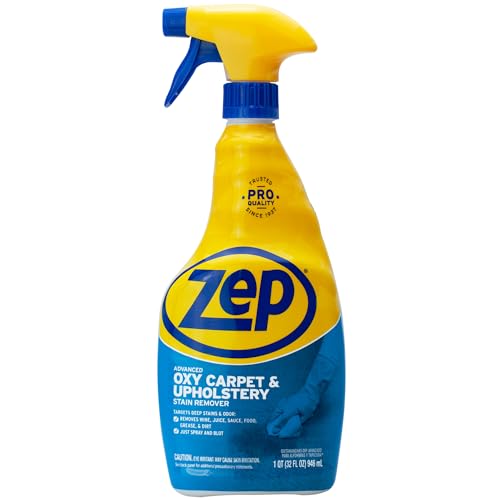
When choosing a commercial upholstery cleaner, make sure it’s designed for your sofa’s fabric to avoid damage. Always test the cleaner on a hidden spot first, and follow the instructions carefully for safe application. Taking these precautions helps keep your sofa looking fresh without risking stains or discoloration.
Choosing the Right Cleaner
How do you know which commercial upholstery cleaner is safe and effective for your sofa? Choosing the right cleaning products depends on understanding your sofa’s fabric and the stain types you’re dealing with. To maintain your freedom from worry and mess, follow these steps:
- Check the sofa’s care tag for recommended cleaners or restrictions.
- Identify the stain type—oil, dye, or protein-based—to pick a targeted cleaner.
- Opt for products labeled safe for your fabric type, like leather or microfiber.
- Review ingredients to avoid harsh chemicals that might damage fibers or cause allergies.
Application and Safety Tips
After selecting the right cleaner for your sofa, you’ll want to apply it carefully to avoid damage or irritation. Start by reading the label thoroughly and follow all safety precautions—wear gloves, guarantee proper ventilation, and keep pets and kids away. Test the cleaner on a hidden spot first to check for colorfastness. Use gentle application techniques like dabbing with a soft cloth rather than scrubbing aggressively, which can harm the fabric. Apply the cleaner sparingly; too much moisture can lead to mold or mildew. Always blot stains from the outside in, preventing them from spreading. Finally, let your sofa air dry completely before use. By respecting these safety precautions and application techniques, you’ll protect your sofa and enjoy a fresh, stain-free space with confidence.
Preventive Measures to Protect Your Sofa From Stains
Although stains can happen unexpectedly, you can take simple steps to protect your sofa and keep it looking fresh. Choosing stain resistant fabrics is a smart first move, letting you enjoy your space without constant worry. Protective sprays add an extra layer of defense, repelling spills before they soak in. Here’s how you can maintain freedom from stains:
- Opt for sofas made with stain resistant fabrics to reduce cleanup time.
- Regularly apply protective sprays, following product instructions carefully.
- Establish a no-food-or-drink rule to minimize accidents.
- Clean minor spills immediately to prevent set-in stains.
When to Call a Professional Upholstery Cleaner
If you’ve tried DIY methods and the stain still won’t budge, it might be time to call a professional upholstery cleaner. Knowing when to call is key to preserving your sofa’s look and feel without wasting time or risking damage. Pay attention to signs of damage like persistent discoloration, fabric weakening, or odors that won’t go away. Also, if your sofa is made from delicate or expensive materials, professionals can use specialized techniques that protect your investment. Don’t wait until damage becomes irreversible; a timely call can restore your sofa’s beauty and save you from costly replacements. Trusting an expert means freeing yourself from frustration and ensuring your sofa stays fresh and inviting longer.
Frequently Asked Questions
Can Steam Cleaning Damage My Sofa Fabric?
You might think steam cleaning could turn your sofa into a soggy swamp, but it’s actually pretty safe when done right. Steam cleaning benefits include deep sanitizing and lifting dirt without harsh chemicals. However, you’ve got to take into account your sofa fabric types—delicate silks or velvets might not handle steam well, while cotton or synthetic blends usually do. Always check the manufacturer’s tag and test a hidden spot first to keep your freedom to relax worry-free.
How Often Should I Deep Clean My Sofa?
You should consider scheduling deep cleans for your sofa every 6 to 12 months to keep it fresh and inviting. Regular deep cleaning helps extend your sofa’s life and maintain comfort. As part of sofa maintenance tips, vacuum weekly and address spills quickly to avoid tough stains. This way, you enjoy a cozy space without feeling tied down by constant upkeep, giving you more freedom to relax and entertain.
Are Microfiber Sofas Easier to Clean Than Leather?
You’ll find microfiber sofas easier to clean because microfiber benefits include resisting stains and drying quickly, giving you more freedom from constant upkeep. Leather durability means it can last long and handle wear well, but it needs special care and conditioning to avoid cracks. So, if you want low-maintenance freedom, microfiber is your go-to. But if you prefer something tough and classic, leather’s durability has its own charm.
What Is the Best Way to Dry a Wet Sofa?
Did you know over 60% of furniture damage comes from improper drying? When drying a wet sofa, you’ve got to master effective drying techniques to avoid mold and odors. Start by blotting excess water, then use fans or a dehumidifier for quick moisture removal. Keep windows open for fresh air flow if possible. With the right approach, you’re free to enjoy your sofa without worries about lingering dampness or damage.
Can Stain Protectors Cause Discoloration Over Time?
You might wonder if stain protectors can cause discoloration over time. While most modern stain treatments are designed with fabric care in mind, some can lead to slight color changes, especially if exposed to sunlight or harsh cleaning agents. To keep your freedom to enjoy vibrant upholstery, always test any product on a hidden spot first. Proper fabric care guarantees your sofa stays looking fresh without unexpected discoloration.

[…] sticking rollers, squeaks, and debris buildup. This guide walks you through removing loose grime, choosing the right cleaner, and scrubbing every channel so the door glides smoothly again. Follow it, and you’ll finish with […]
[…] In my experience maintaining cedar decks across changing seasons, the biggest difference comes from choosing the right cleaner chemistry and using controlled dwell time, soft agitation, and an end-to-end rinse that fully […]
[…] prevents streaks and damage. This guide tells you exactly what to do—from removing dust to choosing the right cleaner and drying technique—so the crystals shine without risking the wiring or finish. Follow these […]
[…] Choosing the right cleaner first prevents fiber damage, residue buildup, and lingering smells. Use products designed for automotive upholstery/carpet, and match the chemistry to the stain type rather than relying on harsh all-purpose solvents. A carpet cleaning standard in the industry (IICRC) emphasizes using compatible cleaning solutions and controlled moisture rather than saturating fibers. The CDC notes that mold can begin to grow within 24–48 hours after water exposure, making complete drying a critical step. For automotive interiors, “carpet-safe” cleaners are formulated to minimize dye transfer and reduce residue that attracts dirt. 🛒 Buy Carpet Cleaning Solution Now on Amazon […]
[…] coffee residue off fast—without damaging the glass. You’ll get the exact order to rinse, wash, remove stubborn stains, and dry so your next brew tastes clean. If you want a straightforward routine that works every […]
[…] damaging the fabric or coatings. You’ll get clear instructions for brushing and disinfecting, choosing the right cleaner, and drying the tent thoroughly so mold doesn’t come back. Follow these steps and you’ll know […]
[…] clean it off without damaging the stone. You’ll get step-by-step instructions for lifting soot, choosing the right cleaner, and removing stubborn black residue fast. Whether your stone is natural, brick-style, or sealed, […]
[…] how to clean imitation leather and remove stubborn stains fast, without ruining the finish. This guide gives you a simple step-by-step process that works on […]
[…] Can I soak a wood bowl to remove stubborn stains?No—soaking increases swelling risk and can trap odors deeper in the […]
[…] way to clean a diving board? This step-by-step guide lays out exactly what to do—from rinsing and choosing the right cleaner to scrubbing, sanitizing, and drying so you remove grime without damaging the surface. Follow it, […]
[…] method, and this guide shows exactly how. You’ll learn the simple steps to lift everyday grime, remove stubborn stains, and avoid cracking, streaks, or damaging delicate leaded sections. Follow the process here to get […]
[…] dirt, grime, and mildew without damaging the boards. You’ll get a clear plan for rinsing, choosing the right cleaner, scrubbing with the correct tools, and finishing with proper drying. Follow these deck-cleaning […]
[…] the paint film. This guide tells you exactly what to do—starting with gentle dusting, then choosing the right cleaner and method—so you don’t lift pigments or dull the finish. You’ll learn the one rule that […]
[…] make it look like new—without guessing. This guide walks you through identifying the stain type, choosing the right cleaner, and removing it safely so it won’t set or damage the fabric or leather. Follow the sequence […]
[…] answers exactly how to do it correctly, from emptying the enclosure and scrubbing the habitat to choosing the right cleaner and rinsing thoroughly. If you want the quickest path to a tank that’s truly clean—not just […]
[…] damaging the surface—this guide gives you the quickest safe steps, from protecting yourself to choosing the right cleaner for the material. You’ll learn exactly what to do first, how to disinfect effectively, and how to […]
[…] the fins or connections. This guide tells you exactly what to do—from shutting things down and choosing the right cleaner to rinsing, drying, and reassembling so it runs efficiently. You’ll also get quick, practical […]