

To remove stubborn stains from your fan, first unplug and carefully disassemble it. Use a soft cloth dampened with mild detergent to wipe away surface dirt. For tough grime, apply a baking soda paste, let it sit for 15 minutes, then gently scrub with a soft brush or toothbrush for hard-to-reach spots. Rinse residue with a damp cloth and dry thoroughly before reassembling. Following a few simple steps can make cleaning easier and keep your fan looking fresh longer.


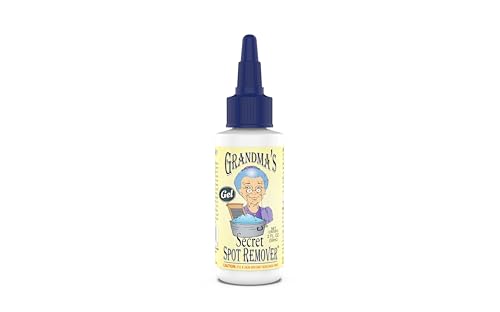
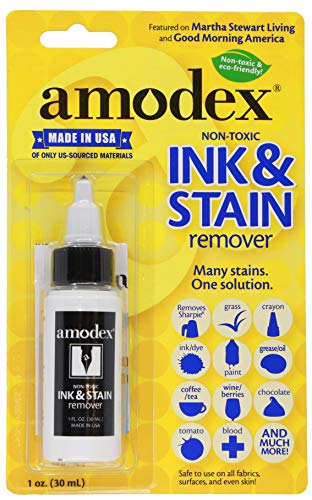
Identify the Type of Stain on Your Fan

How can you effectively remove stains if you don’t know what caused them? Before diving into cleaning, use stain identification techniques to recognize common fan stains like dust buildup, grease splatters, or water marks. Each stain type demands a different approach, so pinpointing the cause sets you free from trial and error. Look closely: dust appears powdery and light, grease feels sticky or slick, while water stains might show as faint rings or mineral deposits. Understanding these distinctions helps you target the right treatment, saving time and frustration. Don’t let stubborn stains trap you in a cycle of ineffective cleaning. Instead, empower yourself by identifying what you’re dealing with first—this knowledge brings you closer to a spotless, free-from-stain fan.
Gather the Necessary Cleaning Supplies
Before you start cleaning, make sure you have the right tools like microfiber cloths, a soft brush, and gloves. You’ll also need effective cleaning solutions such as mild detergent or vinegar mixed with water. Having these supplies ready will make removing stubborn stains much easier.
Essential Cleaning Tools
To tackle stubborn stains on your fan effectively, you’ll need the right cleaning tools at hand. Start with a soft microfiber cloth to avoid scratches and a small brush—like an old toothbrush—to reach tight spots. Rubber gloves protect your hands while you work freely without worry. Have a spray bottle ready for applying stain removers evenly. A plastic scraper can help lift off tough grime without damaging surfaces. Don’t forget a bucket for rinsing cloths and mixing mild cleaning solutions if needed. These essential cleaning tools streamline your process, giving you control and freedom to remove stains thoroughly. With these basics ready, you’re all set to restore your fan’s shine without hassle or damage.
Recommended Cleaning Solutions
Although having the right tools is essential, choosing the appropriate cleaning solutions is just as important for removing stubborn stains from your fan. You want to avoid harsh chemicals and embrace natural cleaners that are safe for you and the environment. Eco friendly solutions not only protect your health but also support a cleaner planet. Here are some recommended cleaning solutions to gather before you start:
- White vinegar mixed with water for gentle stain removal
- Baking soda paste for scrubbing tough spots
- Mild liquid dish soap diluted in warm water
- Lemon juice for natural bleaching and freshness
- Rubbing alcohol for dissolving sticky residues
Unplug and Disassemble Your Fan Safely

Before you start cleaning, make sure your fan is unplugged to avoid any accidents. Gather the tools you’ll need, like screwdrivers or pliers, to take it apart. Then, carefully remove the fan parts so you can access those stubborn stains.
Ensure Power Is Off
Since safety is your top priority, make certain you unplug your fan completely before you start cleaning. Ignoring safety protocols could expose you to electrical hazards, so double-checking is a must. Here’s how you ascertain the power is truly off:
- Unplug the fan from the wall socket firmly.
- Press the power button a couple of times to drain any residual electricity.
- Avoid using extension cords during cleaning.
- Inspect the cord and plug for damage before proceeding.
- Work in a dry environment to prevent accidental shocks.
Gather Necessary Tools
Once you’ve confirmed your fan is unplugged and safe to handle, gather the tools you’ll need for cleaning and disassembling it. Having the right cleaning tools at hand will make tackling different stain types much easier and quicker. You’ll want a soft cloth, mild detergent, a small brush or toothbrush for crevices, and perhaps some rubbing alcohol for tougher grime. Avoid harsh chemicals that could damage your fan’s finish. Additionally, keep a screwdriver set nearby if your fan has screws to remove. Preparing these tools in advance gives you the freedom to work smoothly without interruptions. Being organized lets you focus on restoring your fan’s clean look without hassle or risk, making the process efficient and safe from start to finish.
Carefully Remove Fan Parts
Although unplugging your fan is already done, you’ll want to handle each part carefully as you disassemble it to avoid damage. Different fan types have unique components, so applying proper safety precautions is key to keeping your fan intact and yourself safe. Take your time and follow these steps:
- Identify your fan type (tower, pedestal, ceiling) to know which parts to remove.
- Use the right tools to unscrew or release the fan grill and blades.
- Gently detach blades without forcing them to prevent bending or cracking.
- Keep screws and small parts in a safe container to avoid losing them.
- Avoid touching electrical components or wiring during disassembly for your safety.
Use a Soft Cloth and Mild Detergent for Surface Stains

A soft cloth paired with a mild detergent is your best bet for tackling surface stains on your fan without causing damage. Grab a soft cloth—something gentle enough to avoid scratches—and dampen it with a mixture of mild detergent and water. Avoid harsh chemicals; they can strip finishes or harm plastic parts. Gently wipe down the stained areas, letting the mild detergent break down dirt and grime. You’re in control here, so take your time and don’t rush. Once the stains lift, use a clean, damp cloth to wipe away any detergent residue. Dry the surface with a dry soft cloth to prevent water spots. This method keeps your fan looking fresh while preserving its condition, giving you freedom from stubborn stains without risk.
Apply Baking Soda Paste to Treat Tough Stains
If surface stains won’t budge with just a mild detergent, you can turn to a baking soda paste for tougher spots. Baking soda is a powerful yet gentle agent that excels in stain removal without harsh chemicals. Here’s how you can apply it effectively:
- Mix baking soda with a small amount of water to form a thick paste.
- Apply the paste directly onto the stubborn stains on your fan blades or housing.
- Let it sit for about 15 minutes to loosen the grime.
- Gently scrub using a soft brush or cloth, focusing on stained areas.
- Wipe away the residue with a damp cloth and dry thoroughly to prevent moisture buildup.
This method gives you freedom from tough stains while keeping your fan safe and clean.
Clean Fan Blades With a Vinegar Solution
Since vinegar is a natural disinfectant and deodorizer, you can use it to effectively cut through dirt and grease on your fan blades. Embrace the vinegar benefits by mixing equal parts white vinegar and water in a spray bottle. Spray the solution generously onto each blade, letting it sit for a few minutes to loosen stubborn grime. Then, wipe the blades clean with a soft cloth or sponge, enjoying the ease of natural cleaning without harsh chemicals. This method not only refreshes your fan but also keeps your environment healthier and toxin-free. By choosing vinegar, you’re freeing yourself from synthetic cleaners and embracing a simple, effective way to maintain your fan’s performance and appearance.
Remove Grease and Grime With Dish Soap
You’ll want to pick a dish soap that’s strong enough to cut through grease but gentle on your fan’s surface. Start by mixing a few drops of soap with warm water to create an effective cleaning solution. Then, use a soft cloth or sponge with gentle scrubbing motions to lift away grime without damaging the blades.
Choosing the Right Soap
One of the most effective ways to tackle grease and grime on your fan is by choosing the right soap. Not all soaps are created equal, and understanding soap types and soap concentrations helps you pick one that cuts through stubborn stains without damaging surfaces. Aim for soaps designed to break down oils—dish soaps are your best bet. Here’s what to contemplate:
- Opt for a concentrated dish soap for powerful grease removal with less product.
- Look for biodegradable formulas to keep your cleaning eco-friendly.
- Avoid soaps with harsh chemicals that can degrade fan materials.
- Choose a soap that rinses off easily, leaving no residue behind.
- Pick a soap with a fresh scent to keep your fan smelling clean and crisp.
This choice gives you freedom to clean effectively and safely.
Preparing the Cleaning Solution
Start by mixing a small amount of concentrated dish soap with warm water in a bucket or spray bottle. This simple blend is one of the most versatile cleaning agents you can use, especially when tackling various stain types like grease and grime on your fan. Dish soap is designed to break down oils, making it ideal for removing stubborn buildup without harsh chemicals. You’ll want just enough soap to create a gentle but effective solution—too much can leave residue, too little won’t cut through the dirt. By preparing your own cleaning solution, you take control of what touches your fan, avoiding unnecessary chemicals and embracing a straightforward, efficient approach. This prepped solution sets the stage for freeing your fan from stubborn stains with ease.
Effective Scrubbing Techniques
After mixing your dish soap solution, it’s time to tackle the stains with the right scrubbing method. You want to apply scrubbing techniques that balance effective pressure without damaging your fan’s surface. Here’s how to get it done:
- Use a soft-bristle brush or sponge to avoid scratches.
- Dip your tool in the soapy water frequently to keep it slippery.
- Apply firm but controlled pressure, focusing on grease spots.
- Work in circular motions to break down grime efficiently.
- Rinse the area with a damp cloth before the soap dries.
Use a Toothbrush for Hard-to-Reach Areas
When tackling stubborn stains in tight spots on your fan, a toothbrush can be your best tool. Its small size and firm bristles let you reach areas other tools can’t. To maximize efficiency, try different toothbrush techniques—like gentle circular motions or angled strokes—to loosen grime without damaging surfaces. Pay attention to cleaning angles, adjusting the brush to fit into crevices or between blades. This flexibility helps you target buildup lying flat or deep within narrow gaps. Using a toothbrush gives you control and precision, freeing your fan from dirt without hassle. Keep a damp cloth nearby to wipe away loosened debris as you go, preventing re-depositing dirt. Embrace this simple, effective method to restore your fan’s cleanliness and enjoy fresh air again.
Dry and Reassemble Your Fan Properly
Although cleaning is essential, drying your fan thoroughly is just as important to prevent damage and guarantee safe operation. Before you reassemble fan parts, make certain every piece is completely dry to avoid rust or electrical issues. Follow these steps for effective fan maintenance:
- Pat dry blades and grills with a soft towel.
- Leave parts in a well-ventilated area to air dry fully.
- Check for any moisture in the motor housing and dry gently.
- Once dry, carefully align and reattach each component.
- Tighten screws securely but avoid overtightening.
Taking your time here guarantees smooth operation and extends your fan’s lifespan. Proper drying and careful reassembly give you the freedom to enjoy cool breezes worry-free.
Tips for Regular Maintenance to Prevent Stains
To keep your fan looking clean and running smoothly, you’ll want to adopt some simple regular maintenance habits. Start by wiping down the blades and grill with a damp cloth every couple of weeks to prevent dust buildup, which leads to stubborn stains. Incorporate fan maintenance into your routine to avoid grime that’s harder to clean later. Use gentle cleaners that won’t damage the fan’s surface and always dry thoroughly to stop moisture stains. If you live in a humid area, consider using a dehumidifier to reduce moisture accumulation on your fan. Regularly checking and cleaning your fan not only guarantees stain prevention but also extends its lifespan. By staying consistent, you keep your fan fresh and free, letting you enjoy a clean breeze without hassle.
Frequently Asked Questions
Can I Use Bleach to Remove Fan Stains?
You can use bleach for stain removal, but you’ve got to be careful. Bleach effectiveness depends on the material—it’s great for whites and some plastics, but it might damage colored or delicate surfaces. If you want freedom from stubborn stains without ruining your fan, test a small spot first and dilute the bleach. That way, you’ll avoid any unwanted damage while still getting your fan looking clean and fresh.
How Often Should I Deep Clean My Fan?
Think of your fan like a trusty steed that needs regular grooming to keep running smoothly. You should deep clean it every one to two months, depending on dust accumulation in your space. Staying on top of fan maintenance not only prolongs its life but also frees you from breathing in trapped allergens. Keep your fan clean, and it’ll reward you with fresh, liberating air every time you switch it on.
Are There Any Stains That Can Damage the Fan Material?
Yes, some stains can damage fan material types like plastic, metal, or wood. Harsh chemicals or abrasive scrubs might cause discoloration, corrosion, or scratches. To keep your fan looking great, follow stain prevention tips such as wiping spills quickly, using gentle cleaners, and avoiding excessive moisture. By treating your fan with care, you’ll enjoy its freedom to cool your space without worrying about damaging its surface.
Can I Clean Fan Stains With a Steam Cleaner?
Did you know steam cleaners can eliminate up to 99.9% of bacteria? Using a steam cleaner on your fan can be quite effective for loosening stubborn grime without harsh chemicals. Just be cautious with delicate parts and always unplug the fan first. For fan maintenance tips, combine steam cleaning with regular dusting to keep your fan running smoothly and looking fresh. This way, you enjoy both cleanliness and freedom from heavy scrubbing.
Is It Safe to Use Commercial Stain Removers on Fans?
You can use commercial stain removers for stain removal techniques, but you’ve got to be cautious. Some chemicals might damage the fan’s finish or electrical parts. Always test a small, hidden area first and avoid soaking any electrical components. For fan maintenance tips, opt for gentle, non-abrasive cleaners and follow the product’s instructions closely. That way, you keep your fan looking great without risking damage or safety issues.
