Step-By-Step Guide to Cleaning School Bag
Start by gathering mild detergent, a soft brush, and a clean towel. Empty your school bag completely and check care labels for washing instructions. Remove loose dirt with a brush or vacuum, then spot clean stains gently using eco-friendly solutions. Depending on the label, hand wash or machine wash your bag carefully. Dry it fully in a shaded, well-ventilated area to prevent damage. Keeping your bag regularly clean and organized makes school days easier and more efficient—there’s more to know for the best results.
Gather Cleaning Supplies

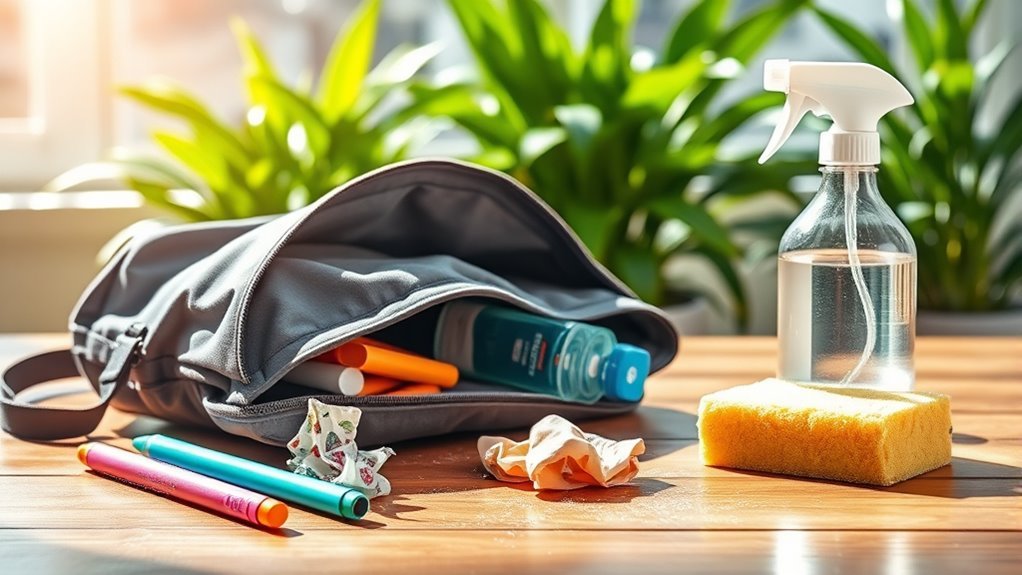
Before you start cleaning your school bag, gather all the necessary supplies. Having the right cleaning supplies and essential tools on hand will make the job easier and quicker, freeing you from unnecessary hassle. You’ll want a soft brush or cloth to gently remove dirt and dust, alongside a mild detergent or soap for spot cleaning. A small vacuum or handheld brush can help reach tight corners. Don’t forget a clean towel to dry your bag afterwards. These essential tools guarantee you won’t be interrupted mid-cleaning, letting you move smoothly through the process. By preparing properly, you maintain control and efficiency, giving you the freedom to enjoy a fresh, clean bag without stress or delay.
Empty and Organize Your Bag
Start by taking everything out of your school bag so you can see exactly what’s inside. This step frees you from clutter and lets you assess your bag contents clearly. Sort through each item—keep what’s essential and toss or relocate anything unnecessary. Use this chance to rethink how you organize; applying smart organization tips will make your bag easier to manage daily. Group similar items together, like stationery or snacks, and consider using small pouches or compartments to keep things tidy. When you put everything back, you’ll feel lighter and more in control. Embracing this simple routine not only cleans your bag but also frees your mind, giving you the space to focus on what truly matters.
Check Care Labels for Instructions
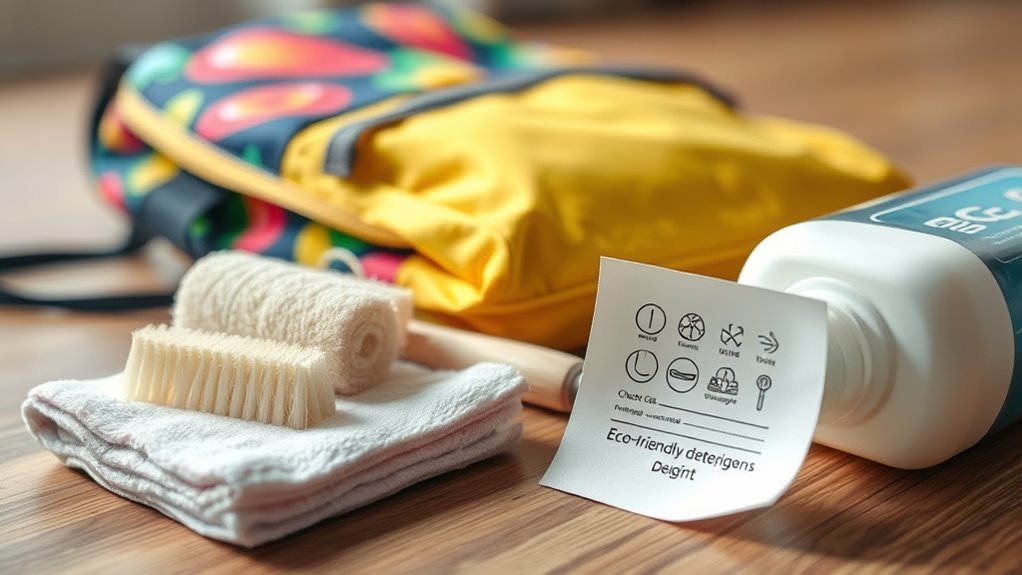
Once you’ve emptied and organized your bag, take a moment to check the care labels sewn inside. These labels offer essential care label insights that guide your fabric care approach, ensuring your bag stays in great shape without restrictions. Knowing how to treat your bag’s material freely while respecting its needs is the key to lasting freshness.
Here’s what to look for on those labels:
- Recommended washing method (hand wash, machine wash, or spot clean)
- Suitable water temperature for cleaning
- Warnings about bleach or harsh chemicals
- Instructions on drying (air dry or tumble dry)
Remove Loose Dirt and Debris
After understanding how to care for your bag’s fabric, the next step is to remove any loose dirt and debris. Start by turning your bag upside down and gently shaking it to let dirt and crumbs fall free. Use a soft brush or a handheld vacuum to sweep away stubborn particles from seams and pockets. These dirt removal techniques guarantee your bag feels fresh without damaging its material. For debris disposal methods, collect everything in a trash bin or compost if organic. Avoid letting dirt linger; it can attract moisture and wear down your bag’s fabric. Taking this simple step gives you the freedom to carry a clean, lightweight bag every day, ready for whatever your adventures bring.
Spot Clean Stains and Marks
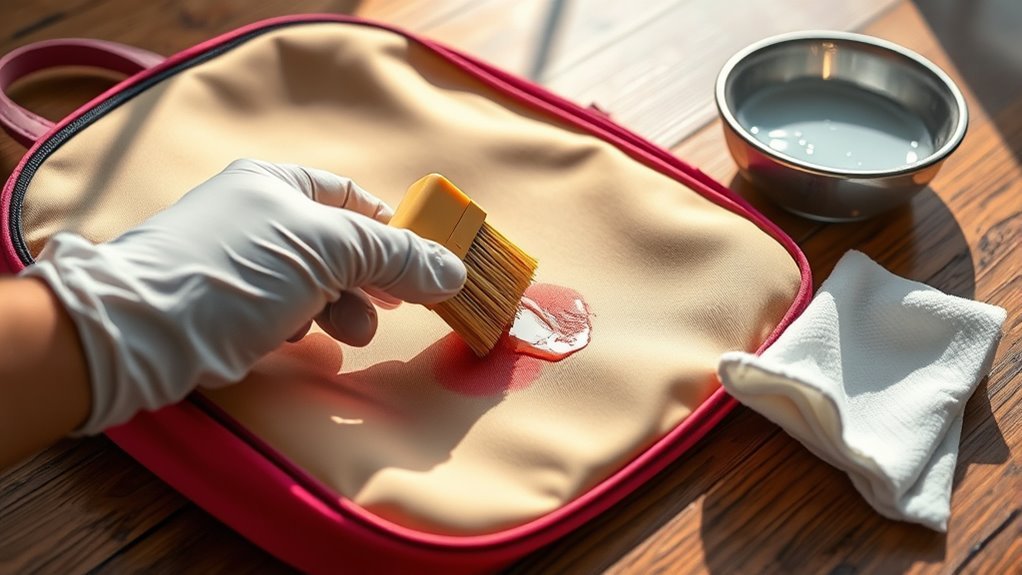
When you spot stains or marks on your school bag, the first step is to figure out what caused them. Picking the right cleaning solution depends on the type of stain, so be sure to choose carefully. Use gentle techniques to avoid damaging the fabric while you clean.
Identify Stain Types
Although stains can seem intimidating at first, identifying their type makes spot cleaning much easier and more effective. When you know what you’re dealing with, you can tackle ink stains, food spills, and other marks confidently. Here’s how to recognize common stain types on your school bag:
- Ink stains: Usually dark blue or black, often from pens or markers.
- Food spills: Greasy or sticky, sometimes colored by sauces or drinks.
- Mud or dirt: Brownish and dry, often crusty once dried.
- Sweat or deodorant marks: White or yellowish, usually near straps or handles.
Choose Cleaning Solutions
Choosing the right cleaning solution is key to effectively removing stains without damaging your school bag. You want something that works well but also respects the environment and your freedom to choose safer options. Eco friendly options like vinegar mixed with water or baking soda paste are excellent homemade solutions that tackle stains naturally. These ingredients are gentle yet powerful, avoiding harsh chemicals that could harm your bag’s material or the planet. You can easily whip up these solutions at home, giving you control over what touches your bag. Remember, picking the right cleaner means you don’t have to compromise between cleanliness and caring for the environment. This way, your bag stays fresh, and you stay true to your values.
Apply Gentle Techniques
Since your school bag faces daily wear and tear, you’ll want to tackle stains and marks carefully to avoid damage. Spot cleaning with gentle techniques keeps your bag looking fresh without harsh scrubbing that can wear down the fabric. Use soft cloths to apply your chosen cleaning solution and focus on targeted areas rather than soaking the entire bag. Here’s how you can do it right:
- Dampen a soft cloth with mild soap and water
- Gently scrub the stained spots in circular motions
- Avoid excessive pressure to protect fabric integrity
- Blot with a dry cloth to remove excess moisture
Hand Wash or Machine Wash the Bag
When deciding how to clean your school bag, you’ll need to contemplate whether hand washing or machine washing suits it best. Hand washing gives you control—perfect for delicate fabrics or bags with intricate details. You can focus on stubborn stains and avoid harsh agitation that might damage your bag. On the other hand, machine washing saves time and effort, especially if your bag is sturdy and labeled as machine-safe. Just toss it in a gentle cycle with mild detergent. Remember, not every bag can handle the spin; check the care label first. Choosing between hand washing and machine washing means balancing care with convenience—pick what fits your bag’s material and your lifestyle, so your bag stays fresh without losing its shape or charm.
Dry Your Bag Properly
After washing your school bag, make sure you dry it properly to keep it in good shape. You’ll want to choose a well-ventilated spot that isn’t in direct sunlight to prevent fading or damage. Letting air circulate around the bag helps it dry evenly and faster.
Choose the Right Spot
Finding the perfect spot to dry your school bag is key to keeping it in good shape. When choosing location, look for areas that protect your bag while letting it dry effectively. Avoid damp or dirty places to prevent mold or stains. Consider these points for suitable surfaces:
- Use a clean, elevated spot like a drying rack or a sturdy chair.
- Avoid direct sunlight to prevent fading or material damage.
- Pick a well-ventilated area but sheltered from rain or moisture.
- Guarantee the surface is flat and stable to keep your bag’s shape intact.
Use Air Circulation
Choosing the right spot sets the stage, but proper air circulation is what truly helps your school bag dry efficiently. To access the air circulation benefits, position your bag in a place with good airflow—near an open window or a fan works great. You want air to move freely inside and outside the bag, so unzip all compartments and open pockets wide. Using airflow techniques like hanging your bag or placing it on a mesh surface lets air reach every nook, speeding up drying and preventing musty smells. Avoid cramped spots where air gets trapped. By encouraging steady airflow, you’re giving your school bag the freedom to dry thoroughly and quickly, keeping it fresh and ready for your next adventure.
Avoid Direct Sunlight
A common mistake when drying your school bag is placing it in direct sunlight. While it may seem like a quick fix, sunlight damage can weaken the fabric and cause fabric fading, robbing your bag of its vibrant look. To keep your bag in top shape and enjoy its freedom of use longer, follow these tips:
- Dry your bag in a shaded, well-ventilated area
- Avoid prolonged exposure to direct sun rays
- Turn the bag inside out to protect colors
- Use a fan or natural breeze to speed drying
Maintain Cleanliness Regularly
Keeping your school bag clean means making it a regular habit rather than a one-time task. You’ll want to set up a simple cleaning schedule that fits your lifestyle—maybe a quick wipe down every weekend or a full clean once a month. Sticking to this routine prevents dirt and clutter from piling up, keeping your bag fresh and ready for anything. Plus, maintaining good bag organization helps you spot messes early, so you can tackle them before they turn into bigger issues. When you treat cleanliness as part of your daily freedom, it’s easier to stay on top of. You’re not just cleaning—you’re creating space for what truly matters, making your school bag an effortless extension of your life.
Frequently Asked Questions
How Often Should I Replace My School Bag?
You don’t wanna be lugging around a school bag that’s practically falling apart like it’s been through a tornado! The school bag lifespan varies, but generally, if you spot signs replacement is needed—like broken zippers, torn fabric, or sagging straps—it’s time to set yourself free with a new one. Don’t wait for disaster; your bag should support your journey, not hold you back. Keep it fresh and roll with the freedom!
What Are the Best School Bags for Durability?
If you’re after school bags that combine durable materials with stylish designs, look for options made from high-quality nylon or polyester—they resist wear and tear while keeping you looking sharp. You want something that stands up to daily adventures and lets you express your freedom. Brands like Herschel, JanSport, and North Face offer bags that last long and match your vibe. Choose one that fits your lifestyle and lets you move freely.
Can I Use Disinfectant Sprays on My School Bag?
When it comes to giving your school bag a little extra “spa treatment,” you can use disinfectant sprays, but you’ll want to tread carefully. Disinfectant effectiveness depends on the spray’s ingredients and your bag’s material. To keep spray safety in check, test a small area first to avoid any unwanted surprises. This way, you keep your bag fresh without compromising its freedom to last through your daily adventures.
How Do I Prevent Bad Odors in My Bag?
To prevent bad odors in your bag, start by emptying it regularly and airing it out—fresh air is one of the best bad odor solutions. Use odor-absorbing materials like baking soda or activated charcoal inside. When not in use, follow smart bag storage tips: keep it in a dry, well-ventilated spot, avoiding damp areas. This way, your bag stays fresh, and you’re free from stinky surprises every time you reach in.
Are Antibacterial Wipes Safe for All Bag Materials?
You might wonder if antibacterial wipes are safe for all bag materials. While their antibacterial effectiveness is great for killing germs, not every material can handle them. Some fabrics, like leather or suede, may get damaged or discolored, so you’ve got to check material compatibility first. To keep your freedom to clean without worry, test a small hidden spot before wiping the whole bag. That way, you protect both cleanliness and your bag’s look.