Natural Alternatives to Tile
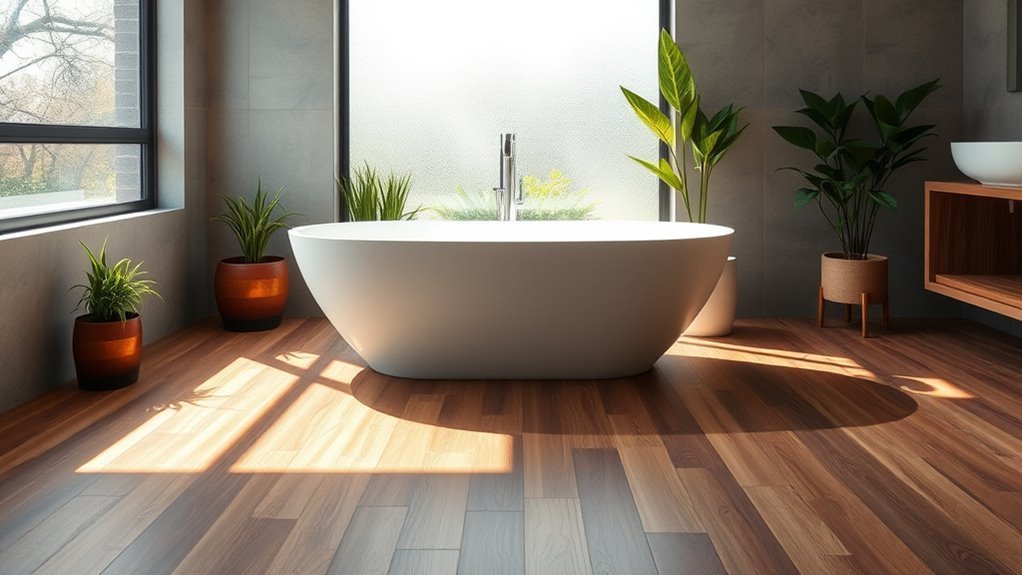
If you’re looking for natural alternatives to tile, consider reclaimed wood or bamboo for eco-friendly, stylish flooring that adds warmth and character. Cork provides comfort and insulation with sustainable harvesting, while natural stone like slate or travertine offers timeless textures and earthy tones. Clay and terracotta finishes bring an inviting, grounded feel to your space. These choices not only enhance your home’s beauty but also support sustainable living. There’s plenty more to explore about these authentic, natural options.
Benefits of Using Natural Materials Over Tile
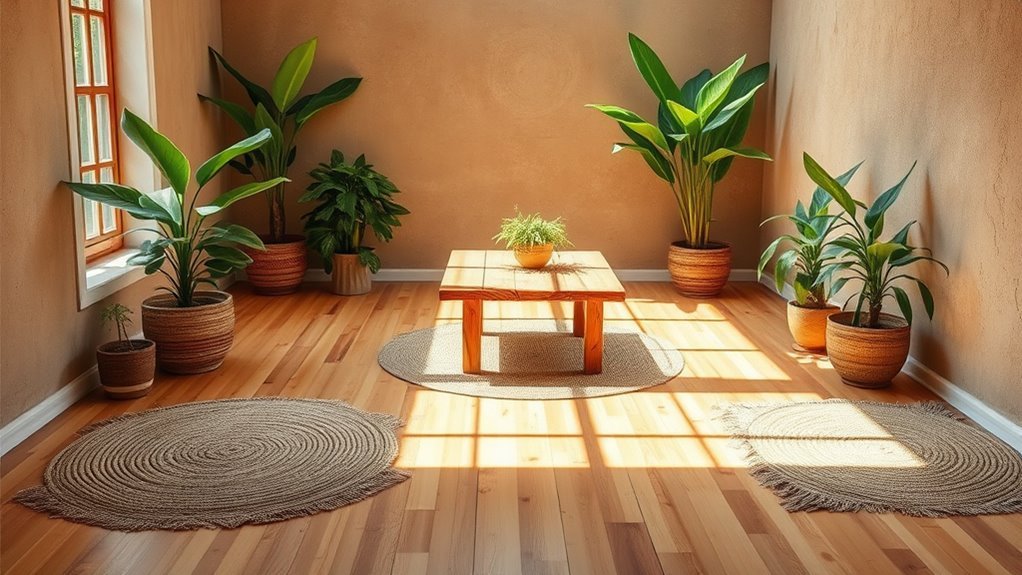
Although tiles are popular for their durability, natural materials offer benefits you can’t ignore. When you choose natural flooring, you’re embracing sustainability benefits that tiles often lack. These materials come from renewable sources, reducing your environmental impact and giving you the freedom to live more eco-consciously. Plus, natural floors bring unmatched aesthetic appeal—they each tell a unique story through texture and color variations that tiles simply can’t replicate. You’re not just installing flooring; you’re creating a space that feels alive and authentic, reflecting your values and lifestyle. By opting for natural alternatives, you break free from the uniformity of tile, allowing your home to express individuality while supporting a healthier planet. It’s a choice that blends beauty with responsibility effortlessly.
Reclaimed Wood: Sustainable and Stylish Flooring
When you choose reclaimed wood for your flooring, you’re not just selecting a material—you’re giving new life to history. This choice embraces wood sustainability by repurposing old timber, reducing waste, and sparing forests from further depletion. You get unique reclaimed aesthetics, with textures and colors that tell stories no new wood can match. It’s a bold way to express your independence from mass-produced, cookie-cutter designs. Plus, reclaimed wood floors age beautifully, gaining character over time as you live freely within your space. Opting for reclaimed wood means you’re making a conscious, stylish statement that aligns with your values—freedom to choose eco-friendly, distinctive flooring that stands apart and supports a sustainable future.
Cork as a Comfortable and Eco-Friendly Option
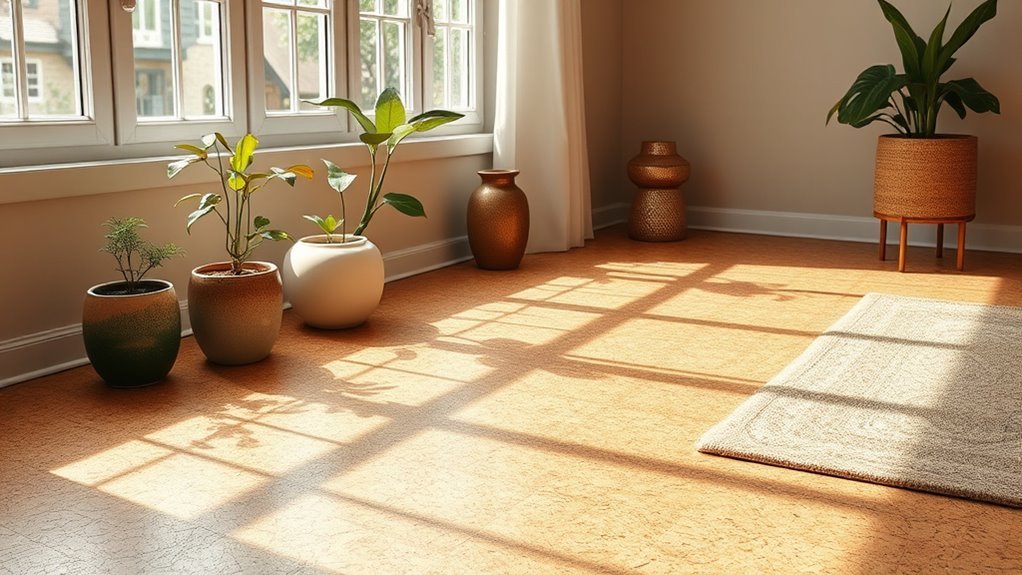
If you’re looking for flooring that’s both comfortable underfoot and kind to the planet, cork is an excellent choice. It offers a unique softness that cushions your steps, making you feel free to move without strain. Cork’s natural cork insulation helps regulate room temperature, keeping your space cozy in winter and cool in summer, so you save energy without sacrificing comfort. Plus, its cork durability means it resists wear and tear, lasting through daily life’s adventures while maintaining its charm. Harvested sustainably from cork oak trees without harming them, cork flooring lets you express your eco-conscious values without compromise. Choosing cork means embracing a natural, resilient material that supports your lifestyle and the environment, freeing you from conventional, less sustainable flooring options.
Natural Stone Varieties for a Timeless Look
If you want a timeless look, natural stone like marble, slate, or travertine could be perfect for your space. Each type has unique textures and colors that add character, but they also need proper care to keep them looking great. Let’s explore some popular stone varieties and simple maintenance tips to help you choose the best fit.
Popular Stone Types
Stone has been a favored choice for flooring and surfaces because of its natural beauty and durability. When exploring popular stone types, you’ll find that slate options offer rich, earthy tones perfect for a grounded, natural look. Marble textures bring timeless elegance with their smooth finish and unique veins, ideal for a sophisticated touch. Granite stands out for its toughness and speckled appearance, while travertine offers warm, classic charm with its porous surface. Here’s a quick look:
| Stone Type | Key Features | Ideal Use |
|---|---|---|
| Slate | Earthy, durable | Kitchens, patios |
| Marble | Elegant, veined | Bathrooms, living rooms |
| Granite | Tough, speckled | Countertops, floors |
| Travertine | Warm, porous texture | Indoor/outdoor flooring |
Choose a stone that fits your style and enjoy the freedom of natural beauty.
Stone Maintenance Tips
Although natural stone varieties bring timeless beauty to your home, they require proper care to maintain their charm. To keep your stone looking fresh, regular surface cleaning with a gentle, pH-neutral cleaner is essential—you’ll avoid harsh chemicals that can damage the stone’s natural finish. Don’t skip stone sealing; it acts as a protective barrier against stains and moisture, preserving your stone’s integrity and appearance. How often you seal depends on the stone type and usage, but once a year is a good rule of thumb. Embracing these simple maintenance steps gives you the freedom to enjoy your natural stone’s elegance without worry, ensuring it remains a stunning, lasting feature in your space for years to come.
Bamboo: A Fast-Growing Alternative to Traditional Tiles
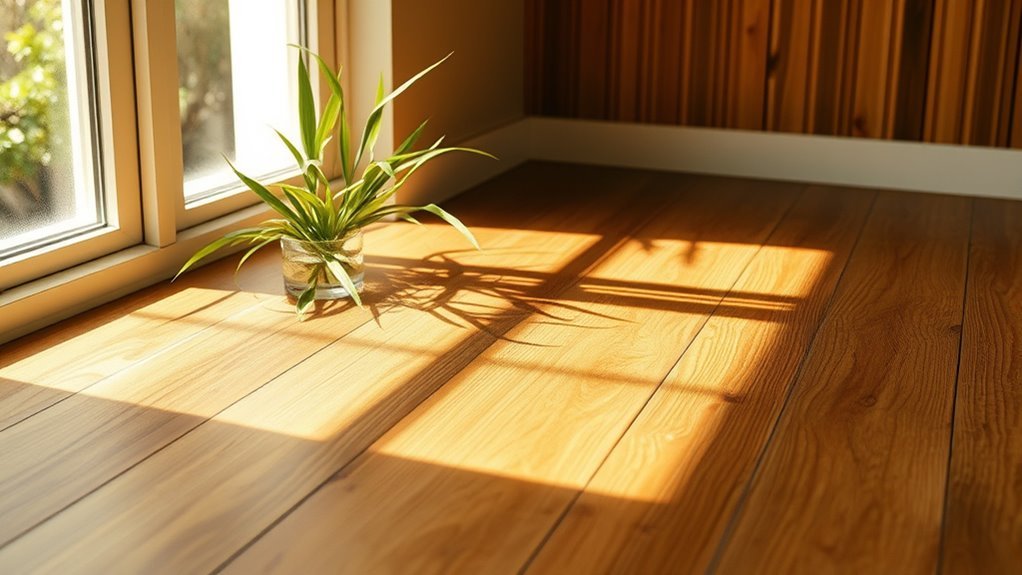
If you’re looking for an eco-friendly flooring option, bamboo might be just what you need. It grows incredibly fast, making it a sustainable alternative to traditional tiles. Plus, its natural durability gives you a stylish and long-lasting floor without harming the environment.
Bamboo Growth Benefits
When you choose bamboo as an alternative to traditional tiles, you’re opting for a material that grows incredibly fast—sometimes up to several feet in a single day. This rapid growth directly supports bamboo sustainability, making it a smart choice if you care about the planet and want freedom from slow-renewing resources. Plus, bamboo versatility means it can be used in numerous ways beyond flooring, adapting to your style and needs.
Here are three key bamboo growth benefits:
- Renewable Resource: Bamboo can be harvested every 3-5 years without replanting, unlike hardwood trees.
- Carbon Sequestration: It absorbs more CO2 than many other plants, helping reduce your carbon footprint.
- Soil Protection: Bamboo roots prevent erosion, preserving land health naturally.
Choosing bamboo frees you to live sustainably without sacrificing style.
Eco-Friendly Flooring Options
Bamboo’s rapid growth and environmental benefits make it an excellent choice for eco-friendly flooring options. When you choose bamboo, you’re embracing a material that regenerates quickly, reducing the strain on natural resources. Because bamboo is harvested through sustainable sourcing, you can enjoy your floors knowing they’re kind to the planet. Plus, bamboo flooring often features eco friendly finishes, which means fewer harmful chemicals and a healthier home environment. If you want freedom from conventional, resource-heavy tiles, bamboo offers a stylish, durable alternative that aligns with your values. It’s lightweight, easy to install, and brings a natural vibe that complements any space. With bamboo, you get flooring that’s not just beautiful but also a responsible, conscious choice you can feel good about.
Terrazzo With Natural Aggregates for Unique Patterns
While terrazzo has long been known for its durability and sleek finish, using natural aggregates allows you to create truly one-of-a-kind patterns that bring warmth and character to any space. By incorporating natural aggregate like river stones, shells, or recycled glass, your terrazzo design becomes a personal statement rather than a mass-produced look. You get to embrace freedom in creativity and sustainability simultaneously.
Here’s how natural aggregates elevate your terrazzo:
- Unique Textures and Colors: Each aggregate piece adds distinct hues and tactile interest.
- Eco-Friendly Choices: You can repurpose local materials, reducing environmental impact.
- Customizable Patterns: Mix and match aggregates to reflect your style and surroundings.
This approach turns your flooring into a living artwork that’s both natural and durable.
Clay and Terracotta: Earthy and Warm Finishes
If you’ve enjoyed the natural charm of terrazzo with its organic aggregates, you’ll appreciate how clay and terracotta bring a similarly earthy vibe to your space but with a softer, warmer touch. Clay finishes offer you a tactile connection to the earth, grounding your environment with rich textures and natural tones. Terracotta aesthetics evoke a timeless warmth that invites comfort and authenticity, perfect when you want your space to feel alive yet relaxed. These materials let you break free from cold, synthetic surfaces by embracing imperfections and natural variations. Whether in flooring or wall accents, clay and terracotta create a welcoming atmosphere that reflects your desire for freedom and natural beauty. Choosing them means celebrating raw, honest design that’s both durable and deeply personal.
Frequently Asked Questions
How Do Natural Alternatives Compare in Cost to Traditional Tile?
Imagine your budget as a river, flowing steadily toward your dream space. When you immerse yourself in a cost analysis, you’ll find natural alternatives often swim alongside traditional tile, sometimes costing more upfront but offering long-term value. Budget considerations matter here; you’re choosing freedom from frequent replacements and harsh chemicals. So, while the initial splash might be bigger, the journey ahead feels lighter, giving your wallet and space a refreshing change.
Are Natural Materials Suitable for High-Moisture Areas Like Bathrooms?
When you’re choosing materials for high-moisture areas like bathrooms, moisture resistance is key. Not all natural options hold up well, so your material selection matters a lot. Some stones and treated woods can handle humidity, but you’ll need to seal them properly to keep them durable. If you want freedom in design without sacrificing function, carefully pick materials known for resisting moisture and maintain them regularly for the best results.
What Maintenance Is Required for Natural Flooring Options?
Imagine you’ve got a beautiful cork floor in your living room. To keep it looking fresh, you’ll want to use gentle cleaning methods like damp mopping with mild soap—harsh chemicals can damage it. Sealing options, like water-based sealers, help protect against moisture and stains, letting you enjoy your space freely without worry. Just a bit of regular care keeps your natural flooring vibrant and carefree for years to come.
Can Natural Alternatives Be Used for Outdoor Applications?
Absolutely, you can use natural alternatives for outdoor applications. They often enhance your outdoor aesthetics by blending seamlessly with nature, giving your space a unique, organic vibe. Plus, choosing these materials usually means a lower environmental impact compared to synthetic options. You’ll enjoy freedom in design and sustainability, creating an inviting, eco-friendly outdoor area that reflects your personal style without compromising the planet.
How Durable Are Natural Materials Compared to Ceramic or Porcelain Tiles?
When you look at the durability comparison, natural materials often offer impressive material longevity but can vary widely depending on the type. Unlike ceramic or porcelain tiles, which are engineered for consistent strength and wear resistance, natural options like stone or wood might need more care to maintain their look and performance. If you want freedom in design and a unique vibe, they’re great, but keep in mind they might not last quite as uniformly over time.