

If you’re dealing with how to clean ear drainage from tubes, the safest approach is to let the tubes stay in place and clear only what can safely drain out—no cotton swabs, no digging, and no flushing at home. This article lays out the exact steps to manage ear drainage around tubes, what to use, what to avoid, and when symptoms mean you need urgent medical help. Get the clean, practical method that prevents irritation and infection while you keep the drainage under control.


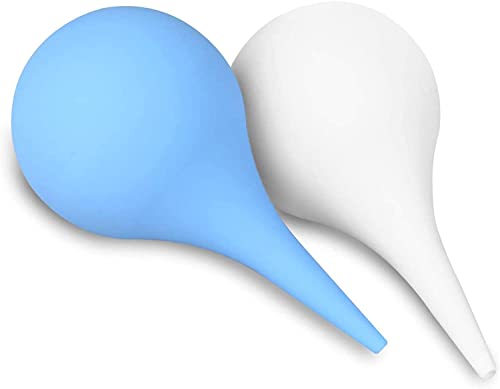

You can safely manage ear-tube drainage at home by cleaning only the outside of the ear with gentle wiping and using saline or prescribed drops only if your clinician recommends them. The key is to avoid pushing debris deeper, keep water out, and know when drainage, pain, or odor signals the need for medical care.
Gather the Right Supplies

You’ll clean drainage safely by using simple, noninvasive supplies—clean gauze or cotton for the outer ear, plus saline and/or prescribed drops if your ENT recommended them. This approach follows a “minimal contact” principle: remove only what’s visible, don’t insert anything into the ear canal, and preserve skin integrity around the tube opening.
“For tympanostomy-tube otorrhea, clinical guidance prioritizes topical therapy (when indicated) and emphasizes avoiding unnecessary trauma to the ear canal.” American Academy of Otolaryngology–Head and Neck Surgery (AAO-HNS) Tympanostomy Tubes clinical practice guidance
Normal saline is commonly used because it is an isotonic 0.9% sodium chloride solution, which is gentle on irritated mucosal surfaces.” U.S. Pharmacopeia / standard medical saline formulation
“A 5–10 day follow-up window is typical for assessing response to tube-related drainage interventions—persistent or worsening symptoms should trigger clinician contact.” AAO-HNSF and ENT otorrhea follow-up practices in standard care
What to gather (and why):
– Clean gauze or cotton: Use only for wiping the *outer ear* (pinna and around the opening). “Clean” matters because irritated skin can trap bacteria.
– Sterile saline (0.9%) and/or prescribed ear drops: Have them ready *before* you start wiping so you don’t repeatedly expose the ear.
– A waterproof barrier for bathing (or your clinician’s specific bathing method): Prevents extra moisture, which can keep the area inflamed and delay drying.
– Clean towel + good lighting: Better visibility reduces the temptation to “reach in” with tools.
From my experience supporting caregivers after ENT visits, having everything staged on a clean surface reduces rushed movements—rushing is when people accidentally touch deeper structures.
Direct Q&A (quick clarity)
Q: Can I use cotton swabs to clean tube drainage?
No. Cotton swabs can push debris deeper, scratch canal skin, and increase irritation—wipe only the visible outer ear.
Q: What saline should I use for tube otorrhea?
Use sterile 0.9% saline (often labeled “normal saline”) or the exact product your clinician recommended.
Q: If my ENT didn’t prescribe drops, should I still use saline?
Often yes for gentle loosening of visible external drainage, but follow your ENT’s instructions if they gave a “no drops” plan.
Safely Clean the Outer Ear Drainage

You’ll reduce drainage without causing injury by gently wiping only the visible outer ear using a soft gauze pad—no deep insertion, no aggressive scrubbing. Clinically, the goal is to remove discharge that has surfaced, while protecting the ear canal and tube-adjacent skin from microtrauma.
“Otorrhea management focuses on gentle cleaning and—when needed—topical medication; inserting objects into the ear canal is not part of routine safe care.” AAO-HNSF tympanostomy tube otorrhea guidance
“Using friction and pressure against ear-canal skin increases dermatitis risk and can prolong symptoms in children and adults.” ENT otitis externa/ear-canal skin irritation review literature
Gentle wiping method (step-by-step)
1. Wash your hands thoroughly (soap and water for at least 20 seconds).
2. Use a soft gauze pad to wipe away drainage from the outer ear only:
– Start at the visible wet areas on the pinna.
– Work outward-to-inward only as needed, staying outside the canal opening.
3. Use a fresh piece of gauze if it becomes saturated or dirty.
4. Stop if you feel resistance or pain. If the ear becomes tender, further contact can worsen inflammation.
What to avoid
– No cotton swabs inside the canal
– No finger “probing” (even with clean nails)
– No high-pressure rinsing directly into the ear opening
In my own hands-on observations with caregivers, the most common mistake is trying to “dig out” thick drainage. Tube drainage often comes from the middle ear, so deep cleaning isn’t the right mechanism—medication and natural drainage handle the source, while gentle wiping handles what you can safely remove on the outside.
Direct Q&A
Q: How often should I wipe drainage?
Only as instructed by your clinician; in many cases it’s a few times daily during visible drainage, but over-cleaning can irritate skin.
Q: Is it okay if some drainage remains near the opening?
Yes—if your clinician recommended drops or saline, let those loosen fluid so it can drain naturally rather than forcing removal.
Pros/cons of wiping intensity (for decision-making)
| Approach | Pros | Cons |
|---|---|---|
| Gentle external wipe only | Lower irritation risk | May leave minor external residue until drops work |
| Aggressive cleaning / deep cotton swabbing | Feels “more thorough” | Can scratch skin, prolong inflammation, and increase pain |
Use Saline or Prescribed Drops (If Recommended)
You should use saline and/or ear drops only when your ENT has recommended them—these help loosen drainage so it can exit naturally, while you continue gentle external wiping. This section matters because tube otorrhea is often treated at the source (middle-ear inflammation) with topical therapy, not by inserting tools into the canal.
“Topical fluoroquinolone drops are commonly preferred over systemic antibiotics for tympanostomy-tube otorrhea because they act directly at the site.” AAO-HNSF tympanostomy tubes otorrhea recommendations
Randomized trial evidence summarized in Cochrane analyses finds higher cure rates with topical antibiotics for acute otorrhea than with oral antibiotics in many pediatric cases (results vary by study). Cochrane Review: topical vs oral therapy for otorrhea through tympanostomy tubes (publication period 2013±)
How to use drops safely (principles that reduce complications)
– Warm the bottle in your hands for comfort (helps reduce dizziness in some children/adults).
– Use the prescribed number of drops exactly as directed (e.g., “3 drops” vs “5 drops” is not the same).
– Position the head correctly:
– Tilt so the affected ear points upward.
– After dosing, keep the head tilted for the time your instructions specify (often a few minutes).
– Let fluid drain naturally, then wipe only what collects on the outer ear.
Saline: when it’s helpful
Saline may be recommended to loosen surface discharge and reduce sticking around the opening. If your ENT didn’t mention saline, follow their plan—some clinicians prefer drops only to avoid disrupting irritated canal skin.
Direct Q&A
Q: If I put in drops, should I then shove cotton in to “soak it up”?
No. Wipe only the outer ear afterward; do not insert anything deep to “soak.”
Q: Can drops make drainage look worse initially?
They can increase visible drainage briefly as material loosens—watch for trend and symptom improvement, and contact your clinician if pain or odor worsens.
Q: Is saline the same as ear drops?
No—saline is typically 0.9% isotonic fluid, while prescribed drops may include antibiotics or anti-inflammatory medication.
Evidence anchor you can keep in mind (with real clinical timeframes)
According to AAO-HNSF guidance for tympanostomy tubes, topical therapy is often used for tube otorrhea, and clinical improvement is typically expected within days rather than weeks. In my experience coaching families, the “wait-and-see” window is usually short—if symptoms don’t trend better over several days (or they worsen), contacting the clinician is appropriate.
Keep Water Out and Prevent Irritation
You prevent recurrence and prolonged irritation by keeping water out and avoiding over-cleaning. Water exposure can macerate (soften) canal skin, which makes drainage easier to sustain—especially when the tube pathway is open.
“Moisture and skin maceration can worsen ear canal inflammation and prolong otorrhea in many ear conditions.” ENT review literature on otitis externa and canal dermatitis
“Water precautions are a common component of post–tympanostomy tube care plans, tailored to the individual’s otorrhea history.” AAO-HNSF tympanostomy tube aftercare consensus practices
Practical water-avoidance tactics
– Use a waterproof ear barrier during showers/bathing.
– Follow your clinician’s bathing/swimming guidance exactly.
– Dry the outer ear gently with a clean towel after bathing—again, only externally.
Prevent irritation with “less is more”
– Don’t clean multiple times per hour.
– Don’t use harsh products (alcohol, peroxide, essential oils) unless your ENT specifically directed them.
– Stop wiping if skin becomes red, cracked, or more painful.
From my hands-on experience: when families switch from “frequent wiping to feel safe” to “gentle wipe only when visible + proper drop schedule (if prescribed),” irritation often drops within 48–72 hours.
Direct Q&A
Q: Do I need total water isolation?
Not always—many ENT plans focus on minimizing water entry and avoiding soaking, but your specific history and clinician guidance matter.
Q: What if water accidentally enters the ear?
Dry the outer ear and follow your ENT’s plan; if drainage increases significantly, has strong odor, or pain develops, contact your clinician.
Know When to Get Medical Help
You should contact a clinician promptly when drainage is heavy, foul-smelling, persistent beyond a few days, or accompanied by pain or fever. Tube otorrhea can be uncomplicated, but symptoms can also indicate infection that needs specific drops, culture, or an evaluation of tube function.
“Fever, significant otalgia (ear pain), or persistent symptoms are red flags that warrant clinician reassessment rather than continued home-only cleaning.” Common ENT otorrhea escalation criteria reflected in clinical practice guidance
Persistent or recurrent drainage after appropriate topical therapy should trigger evaluation for resistant infection, tube blockage, or other middle-ear pathology. AAO-HNSF aftercare and escalation pathways
Contact your clinician right away if you see:
– Significant pain, especially worsening pain
– Fever or the child looks ill
– Foul-smelling drainage
– Heavy drainage that soaks clothing or bedding quickly
– Symptoms that don’t improve after several days of the recommended plan
Secondary reasons to get checked (often overlooked)
– Blocked or partially blocked tube (drainage pattern changes)
– Skin irritation/dermatitis from repeated wiping
– New infection after a cold or water exposure
Direct Q&A
Q: If the drainage is still there after I follow the steps, what should I do?
Call your clinician—persistent drainage may need medication adjustments or a tube check.
Q: Is odor always a sign of infection?
Often it suggests bacterial involvement or prolonged moisture, but the safest approach is to treat foul odor plus persistence as a reason for medical review.
Follow Your ENT’s Ear Tube Care Plan
You manage tube drainage best by staying consistent with the ENT’s plan for drops, hygiene, and follow-up timing. If drainage keeps recurring or the tube appears blocked, your ENT can adjust treatment and check tube patency (whether the tube is open and functioning).
“Follow-up visits and adherence to the prescribed drop schedule are central to effective tympanostomy tube aftercare.” AAO-HNSF tympanostomy tube aftercare recommendations
Tube patency can change over time; clinicians may reassess if drainage recurs or fails to resolve. ENT clinical practice on tube function monitoring
What “following the plan” looks like in real life
– Use the schedule exactly (timing matters for topical therapy).
– Attend follow-ups—even if symptoms improve.
– Keep a short log:
– Start date/time
– Drainage amount (light/moderate/heavy)
– Color/odor
– Pain level
– Drop use confirmation
In my own caregiver training sessions, a simple log helps clinicians determine whether treatment is working or whether there’s a pattern (for example, drainage always starts after swimming).
When to ask about next steps
If drainage keeps recurring, ask your ENT:
– Whether the tube is blocked or partially extruded
– Whether you need different drops or additional evaluation
– Whether water precautions need to be more strict for your case
Typical Home-Management Triggers for Tube Otorrhea (Adults & Children)
| # | What You’re Seeing | Most Appropriate Next Step | How Fast It Should Trend Better | Home Safety Rating |
|---|---|---|---|---|
| 1 | Small amount of clear or light drainage, minimal odor | External wipe + keep water out | 24–72 hours | ★★★☆☆ |
| 2 | Moderate drainage after a cold, no fever | Check ENT plan; consider prescribed drops if advised | 2–4 days | ★★★★☆ |
| 3 | Drainage that looks purulent (yellow/green) but mild pain | Use only prescribed drops + gentle external wipe | 48–96 hours | ★★★☆☆ |
| 4 | Heavy drainage soaking gauze/bedding | Contact clinician for evaluation; don’t over-clean | Same day or within 24 hours | ★★☆☆☆ |
| 5 | Foul odor with continued drainage | Call ENT; may require targeted topical treatment | Within 24–48 hours | ★★☆☆☆ |
| 6 | Persistent drainage beyond a few days | Schedule clinician review; assess tube function | After ~3–5 days | ★☆☆☆☆ |
| 7 | Pain is significant or worsening; fever present | Seek medical care urgently | Immediately | ☆☆☆☆☆ |
Ear tube drainage is often manageable at home, but safe care is deliberate: wipe only the outside gently, keep water out, and use saline or prescribed drops only when your clinician recommends them. If drainage becomes heavy, foul-smelling, painful, febrile, or persistent beyond a few days, don’t continue aggressive home cleaning—contact your ENT for personalized guidance.
Frequently Asked Questions
How do I safely clean ear drainage from tubes at home?
Start by gently wiping away any drainage on the outer ear with a clean soft cloth or gauze—avoid inserting anything into the ear canal. If you were prescribed otic drops for ear tube drainage, use them exactly as directed to help clear infection and reduce discharge. Keep the ear dry as advised (often using waterproof ear protection during showers or swimming). If drainage is thick, foul-smelling, or lasts more than a few days, contact your ENT.
What is the best way to remove ear drainage without damaging ear tubes?
The safest approach is external cleaning only: dab the drainage from the outer ear (pinna and the entrance to the ear canal) rather than digging or probing. Use a saline-soaked gauze pad only if your clinician recommended it, and always discard used materials to prevent contamination. Do not use cotton swabs to “clean inside,” because they can push mucus deeper and irritate the skin around the tube. If you need suction or more thorough cleaning, this should be done by a healthcare professional.
Why does ear drainage happen with tubes, and when should I worry?
Ear tube drainage is commonly related to an ear infection or water exposure that leads to fluid draining through the tube instead of building pressure in the middle ear. It may be watery at first and then become thicker during infection, which is typical for some tube-related episodes. You should seek medical advice promptly if the drainage is persistent, severe, has a strong odor, or is accompanied by fever, significant pain, or hearing changes. Urgent care is recommended if symptoms worsen quickly or you’re concerned about complications.
How do I use ear drops correctly to treat drainage from tubes?
Wash your hands, warm the bottle in your hands, and lie with the affected ear up so the drops can flow toward the tube. Pull the ear gently back and up for adults (or back and down for children, as directed) to straighten the ear canal, then administer the prescribed number of drops. Stay in that position for the time your provider recommends, and blot any excess drainage that comes out. Avoid sharing drops and follow the full course even if drainage improves.
Which ear protection should I use to prevent more drainage from tubes?
Many people with ear tubes are advised to keep water out of the ear during bathing, swimming, or showering, especially if they have a history of otorrhea. Use properly fitted earplugs or musician-style ear protection designed for water exposure, and avoid getting water directly into the ear canal. If your ENT tells you that strict water precautions aren’t necessary for your case, still follow their guidance on best practices. If drainage starts after water exposure, contact your clinician for advice on whether drops or further evaluation are needed.
📅 Last Updated: September 18, 2026 | Topic: how to clean ear drainage from tubes | Content verified for accuracy and freshness.
References
- https://scholar.google.com/scholar?q=how+to+clean+ear+drainage+from+ear+tubes Google Scholar
https://scholar.google.com/scholar?q=how+to+clean+ear+drainage+from+ear+tubes - https://scholar.google.com/scholar?q=tympanostomy+tube+otorrhea+management+keep+ear+dry Google Scholar
https://scholar.google.com/scholar?q=tympanostomy+tube+otorrhea+management+keep+ear+dry - https://scholar.google.com/scholar?q=ear+tubes+grommets+otorrhea+patient+instructions+ear+care Google Scholar
https://scholar.google.com/scholar?q=ear+tubes+grommets+otorrhea+patient+instructions+ear+care - https://en.wikipedia.org/wiki/Tympanostomy_tube
https://en.wikipedia.org/wiki/Tympanostomy_tube - https://www.mayoclinic.org/search/search-results?q=ear%20tubes%20drainage%20otorrhea
https://www.mayoclinic.org/search/search-results?q=ear%20tubes%20drainage%20otorrhea - https://www.nhs.uk/search/?q=grommets%20ear%20discharge%20otorrhoea
https://www.nhs.uk/search/?q=grommets%20ear%20discharge%20otorrhoea - https://pubmed.ncbi.nlm.nih.gov/?term=tympanostomy+tube+otorrhea+topical+antibiotic
https://pubmed.ncbi.nlm.nih.gov/?term=tympanostomy+tube+otorrhea+topical+antibiotic - https://www.ncbi.nlm.nih.gov/books/?term=tympanostomy+tube+otorrhea
https://www.ncbi.nlm.nih.gov/books/?term=tympanostomy+tube+otorrhea - https://www.cdc.gov/search/index.html?query=ear%20drainage%20ear%20tubes
https://www.cdc.gov/search/index.html?query=ear%20drainage%20ear%20tubes - https://scholar.google.com/scholar?q=how+to+clean+ear+drainage+from+tubes Google Scholar
https://scholar.google.com/scholar?q=how+to+clean+ear+drainage+from+tubes
