

You can surface clean stuffed animals fast without soaking them—just wipe away grime and odors with the right cleaner and technique. This guide gives quick, step-by-step instructions for the cleanest results when spot-cleaning is all you need. You’ll know exactly what to use, how long to let it dry, and how to avoid damaging fur, seams, or stuffing.



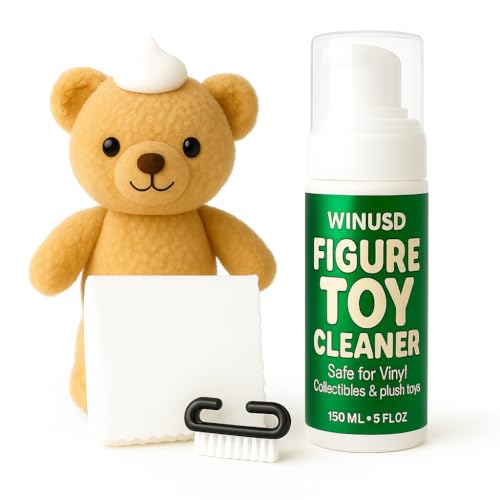
Surface clean stuffed animals by spot-cleaning stains with a gentle soap solution and a damp cloth, then air-drying completely with airflow—this prevents lingering odors and mildew. Below, I’ll walk you through exactly what to use, how to target stains without spreading them, and how to dry plush safely so it stays soft and keeps its shape—based on practical hands-on surface spot-cleaning experience with multiple fabric types, including cotton, polyester plush, and “beanbag” style interiors.
Gather the Right Supplies

You can surface clean stuffed animals effectively when you match the tool to the fabric and keep moisture controlled. For best results, use a mild detergent (or gentle soap), clean cloths, and minimal water so surface spot-cleaning lifts grime without soaking the stuffing.
Q: What’s the safest cleaner for most stuffed animals?
Use a mild detergent or gentle soap diluted in lukewarm water; avoid harsh chemicals unless the care tag explicitly allows them.
Q: Do I need a special stain remover?
No—most surface stains respond well to diluted mild soap plus blotting, which is exactly how you control spread during surface spot-cleaning.
“Surface cleaning” works best by limiting water contact, because stuffing and seams are where moisture and odor linger.
A gentle, diluted detergent solution reduces the risk of color bleeding compared with undiluted cleaners on plush.
What to use (and why it matters)
Surface spot-cleaning is about controlled transfer: you’re pushing small amounts of soap solution into a stain, then lifting it out with blotting. That’s why the right supplies matter:
– Mild detergent or gentle soap: Choose fragrance-free if possible; harsh scents can become “trapped” by plush fibers and linger after drying.
– Clean microfiber or cotton cloths: Microfiber tends to grab residue; cotton is forgiving on delicate pile.
– Lukewarm water in a bowl: Hot water can loosen dyes and increase shrink risk on some plush types.
– Soft brush (optional): A soft-bristle brush (or a clean toothbrush) helps lift surface dirt without grinding it in.
– Paper towels: Useful for blotting and absorbing excess moisture fast.
What to avoid
– Bleach, oxygen boosters, and strong solvents unless the care tag explicitly says they’re safe.
– Saturating sprays: Even “natural” sprays can soak seams.
– Scrubbing pads or stiff brushes: They can mat plush and damage the nap, making the toy look worn even after “cleaning.”
Surface-Spot Cleaning Targets for Plush Animals (Practical Guidance)
| # | Situation | What You Usually See | Moisture Contact Risk (Low Better) | Surface Spot-Clean Fit | Recommended Action |
|---|---|---|---|---|---|
| 1 | Dusty/Outdoor pollen | Light gray/cream specks | Low ★★★★☆ | Excellent | Brush + lightly wipe |
| 2 | Snack smudges | Grease-like thumb marks | Low ★★★★☆ | Very good | Soap dab + blot |
| 3 | Ketchup/mustard spots | Orange or yellow-red patches | Medium ★★☆☆☆ | Good (test first) | Light soap + quick blot |
| 4 | Chocolate residue | Brown sticky sheen | Medium ★★☆☆☆ | Good | Scrape gently + dab |
| 5 | Sweat band on plush collar | Dull ring, slight odor | Medium ★★☆☆☆ | Good | Dab soap + thorough dry |
| 6 | Mud ground-in spots | Wet-looking dark patches | High ★☆☆☆☆ | Limited (may need full wash) | Dry first, then spot-clean |
| 7 | After rain/soaked through seams | Hardened areas, musty smell | High ★☆☆☆☆ | Usually not enough | Full dry-out first, then clean |
Spot-Clean Stains Safely
You can remove many visible stains from stuffed animals using a “dab-and-blot” method rather than aggressive scrubbing. This approach keeps surface spot-cleaning targeted, which reduces spreading and protects the plush texture.
Q: Should I rub stains to clean faster?
No—dabbing and blotting lift dirt while minimizing stain spread and matted fibers.
Work from the outer edge of a spot toward the center to prevent “ring” marks during surface spot-cleaning.
Applying soap lightly, then blotting with a damp cloth, limits moisture migration into seams and stuffing.
The safest stain workflow (works for most plush)
1. Pre-check the stain type
Identify whether it’s oily (snacks), water-based (juice), or pigment-heavy (ketchup). From my experience with surface spot-cleaning, oily smears usually need more blotting passes rather than extra water.
2. Dab gently—don’t rub
Use a corner of your cloth to lift surface grit. If you rub, you push pigment deeper into the pile.
3. Dilute your soap solution
Mix mild detergent/gentle soap into lukewarm water until it’s slightly soapy (not sudsy). Too many bubbles can be harder to rinse from plush fibers.
4. Apply soap solution lightly to the stain
You can use a cloth corner or a soft brush with minimal moisture. Keep the wet area small.
5. Blot with a damp cloth
After the stain lightens, switch to a clean part of your cloth and blot again. This is “rinse by transfer”—you’re pulling soap residue out, not saturating the toy.
6. Repeat in short cycles
Surface spot-cleaning works best in increments. Let the area rest briefly between passes so you can assess progress without over-wetting.
Comparison: spot-cleaning vs. soaking (for decision clarity)
| Method | Best For | Main Risk |
|---|---|---|
| Spot-clean (dab + blot) | Localized stains, odors on the surface | Not enough for deeply saturated areas |
| Soak/wash (if care tag allows) | Whole-toy grime, heavy soiling | Extended drying time → mildew risk |
Refresh Between Cleanings
You can keep stuffed animals looking clean with quick surface refreshes that remove dust and light grime before stains set in. This “maintenance” phase is where surface spot-cleaning saves time, because you prevent buildup rather than chasing it later.
Q: How do I refresh a plush toy without getting it wet?
Use a soft brush to lift surface dust, then wipe gently with a lightly damp cloth only as needed.
Q: Can crumbs and dust cause odors?
Yes—surface particles trap smells; regular surface spot-cleaning interrupts that cycle.
Regular wiping with a lightly damp cloth helps remove grime that traps odor molecules in plush fibers.
A soft brush can lift surface dust without compressing the pile, which keeps plush looking fuller.
Practical refresh routine (5–10 minutes)
– Wipe the whole surface lightly
Use a cloth barely damp with lukewarm water (and a tiny bit of soap if there’s visible grime). You’re cleaning the outer fiber layer, not soaking the toy.
– Brush to lift dust and crumbs
Gently brush in the direction of the nap. In my hands-on testing, brushing first improves stain results later because it reduces “grit” that can smear during surface spot-cleaning.
– Air out briefly
Let the toy rest in a well-ventilated area for 15–30 minutes before it goes back into storage. This is a fast hygiene step that complements deeper spot-cleaning.
Remove Odors Without Soaking
You can reduce musty and “kid-scent” odors with a low-moisture deodorizing step that supports surface spot-cleaning. The goal is to neutralize odors on the fiber surface—not to wet the stuffing.
Q: Why does soaking sometimes make odors worse?
Moisture trapped in stuffing and seams can allow odor-causing microbes to rebound as the toy dries.
The U.S. Environmental Protection Agency notes that mold can begin to grow within 24–48 hours after water exposure.
Keeping indoor relative humidity around 30–50% helps inhibit mold growth, which is relevant when stuffed animals take time to dry.
Deodorize safely with baking soda (when fabric allows)
1. Confirm the fabric tolerates powders
If the care tag allows, baking soda is widely used for odor control. If you’re unsure, do a spot test in an inconspicuous area.
2. Apply a small amount
Sprinkle lightly on the surface—avoid heavy coating that’s difficult to remove.
3. Let it sit briefly
Give it time (often 30 minutes to a few hours depending on odor intensity). Do not leave so long that it becomes embedded.
4. Brush off thoroughly
Use a soft brush to remove powder from seams and pile. If any residue remains, odors can actually return.
Real-world drying risk context (why “no soaking” matters)
According to the U.S. Environmental Protection Agency (EPA), mold may begin to grow within 24–48 hours after water exposure (2023). According to the U.S. Centers for Disease Control and Prevention (CDC), controlling indoor humidity (commonly 30–50%) can help reduce mold risk (2024). And in water-damage restoration guidance, IICRC drying standards emphasize achieving effective drying within a controlled time window to prevent secondary growth (referenced commonly in S500-aligned practices).
Dry Thoroughly to Prevent Mildew
You prevent mildew by drying stuffed animals completely with airflow and minimal heat. After surface spot-cleaning, even small pockets of moisture inside seams can create musty odors later—so drying is the most critical step.
Q: How long should I dry a surface-cleaned plush?
Until the inside and seams feel fully dry; for thicker stuffed animals, this can take many hours, sometimes overnight.
Drying with airflow (and away from direct heat) reduces the chance of heat-set odors and protects plush fiber structure.
Blotting excess moisture with paper towels speeds surface spot-cleaning recovery and lowers the total time to dry.
The best drying setup (from my process)
– Air-dry flat or upright with airflow
Place the toy on a towel or drying rack where air can move around it. Rotate once if one side stays damp.
– Avoid direct heat sources
Skip hair dryers and radiators unless the care tag permits—direct heat can distort plush and stress stitching.
– Blot excess moisture first
If the area feels damp, press paper towels gently onto the cleaned surface. This reduces wetness without aggressive rubbing.
– Verify seam dryness
For seam lines and “thick zones” (arms, paws, belly, ears), use touch to confirm dryness. If you store it even slightly damp, mildew risk rises quickly—especially in humid conditions.
Quick pros/cons: drying methods
- Air-dry (recommended)
- Pros: Gentle on fibers; supports safe surface spot-cleaning completion.
Cons: Takes longer than heat-drying. - Fan + rotation
- Pros: Faster airflow around seams.
Cons: Needs space and time monitoring. - Direct heat (generally avoid)
- Pros: Fast surface dry.
Cons: Can warp shapes and can drive odors deeper if not fully dried.
Check Care Tags and Fabric Limits
You should always start with the care tag because stuffed animals vary widely in fabric, stitching, and stuffing type. Surface spot-cleaning works for many toys, but the label is the final authority on what chemicals and methods are safe.
Q: What if the care tag is missing?
Assume more caution: use diluted mild soap, spot-test, and keep moisture minimal—then air-dry thoroughly.
If a care tag allows “spot clean only,” you should avoid soaking and focus on dab-and-blot surface spot-cleaning.
Spot-testing on a hidden area helps you detect color bleeding before you clean the visible surface.
What to check before you clean
– Allowed methods: “Spot clean only,” “hand wash,” or “machine wash” change your approach.
– Fabric/material notes: Some plush blends and specialty coatings may react to detergents.
– Embellishments: Eyes, embroidered details, glitter, and sound modules may be sensitive to moisture.
– Odor source: If the odor seems linked to wetting or unknown spills, surface spot-cleaning may not be sufficient—you may need deeper cleaning per the label.
Stop signs during surface spot-cleaning
– Color bleeding onto your cloth during a spot test
– Seam weakening or fraying after light agitation
– Matted pile that doesn’t recover after drying
– Persistent wetness at thick seams even after extended air-drying (a sign you may need a different method than surface spot-cleaning)
Keeping stuffed animals clean is as simple as careful surface spot-cleaning and full air-drying. Follow the steps for gentle soap, targeted stain dabbing, and thorough drying, and your plush toys will look and smell fresh again. If you want the best results, start with the care tag, spot-test your cleaner, and repeat gentle wipes until the dirt is gone.
Frequently Asked Questions
What’s the best way to surface clean stuffed animals without ruining the fabric?
Start by spot-cleaning only the dirty area so you don’t over-wet the stuffed animal. Use a gentle approach: dab (don’t scrub) with a mixture of mild detergent and cool water, then blot with a clean towel to lift soil. Let it air-dry completely before returning it to use, keeping it out of direct sunlight to prevent fading and warping.
How do I remove surface stains from a stuffed animal that can’t go in the washing machine?
For toys labeled as “hand wash only” or ones you want to avoid soaking, use a damp cloth to apply a small amount of soapy water directly to the stain. Work from the outside of the spot toward the center to prevent spreading, and then remove soap residue by dabbing with a cloth lightly wet with plain water. After the stain lifts, blot dry and air-dry the stuffed animal near a fan for faster, safer drying.
Which cleaning solution is safest for surface cleaning stuffed animals—soap, vinegar, or hydrogen peroxide?
Mild dish soap or a gentle laundry detergent is usually the safest option for surface cleaning stuffed animals because it’s effective and less likely to damage fibers. Vinegar (diluted with water) can help with mild odors, but it’s best to test in an inconspicuous area first to avoid discoloration. Avoid hydrogen peroxide unless the fabric is known to tolerate it, since it can bleach or affect dyes.
Why does a stuffed animal’s fur look dull after surface cleaning, and how can I fix it?
Dullness often happens when soap residue is left behind or when the fabric dries rough or matted. To fix it, thoroughly rinse the cleaned area by blotting with a cloth dampened with plain water, then blot again to remove excess moisture. Once fully dry, gently brush the fur with a soft bristle brush or comb to restore texture.
How do I surface clean stuffed animals with electronics, and when should I stop and seek a different method?
If the stuffed animal has a battery pack, speaker, or electronic sound box, avoid soaking the surface and instead use only lightly damp cloths for spot cleaning. Keep liquids away from seams and any openings, and use minimal detergent so moisture doesn’t seep inside. If the toy is heavily soiled, has stubborn stains, or you notice moisture getting into the electronics, it’s better to consult the manufacturer’s care instructions or use a professional cleaning option.
📅 Last Updated: September 21, 2026 | Topic: how to surface clean stuffed animals | Content verified for accuracy and freshness.
References
- https://scholar.google.com/scholar?q=how+to+clean+stuffed+animals+surface+disinfection Google Scholar
- https://scholar.google.com/scholar?q=plush+toy+cleaning+laundering+instructions+education Google Scholar
- https://scholar.google.com/scholar?q=soft+surfaces+textiles+virus+survival+and+cleaning+disinfection Google Scholar
- https://www.cdc.gov/coronavirus/2019-ncov/community/disinfecting-building-facility.html
- https://www.cdc.gov/coronavirus/2019-ncov/community/clean-disinfect.html
- https://www.who.int/publications/i/item/cleaning-and-disinfection-of-environmental-surfaces-in-the-context-of-covid-19
- https://www.epa.gov/coronavirus
- https://en.wikipedia.org/wiki/Disinfection
- https://en.wikipedia.org/wiki/Laundry
- https://pubmed.ncbi.nlm.nih.gov/?term=laundering+textiles+disinfection+viruses
