

Wondering how much it costs to clean your chimney? Most homeowners pay a mid-range service fee—typically around $100 to $250—for a standard inspection and chimney cleaning. If you haven’t had it cleaned in years, use your fireplace frequently, or need creosote or minor repairs addressed, the price can climb noticeably. This article breaks down what drives the cost so you can get a more accurate estimate before you book.


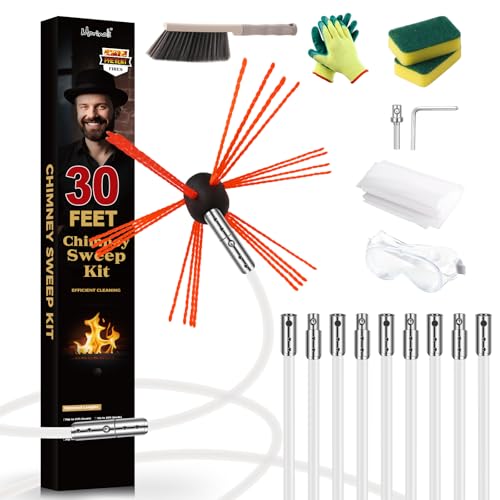

Most chimney cleanings cost about $100–$300, and that range usually covers a standard sweep plus a basic safety check. Your final price typically rises with creosote buildup, chimney height/access complexity, and whether your sweep discovers repairs or blockages during inspection—something that’s common enough to plan for.
A routine chimney cleaning is most often priced as a flat service fee plus time on-site, so the final cost usually correlates with chimney height and how accessible the flue is.
In many markets, professional sweeps also include an inspection as part of the cleaning, which can shift the “true cost” compared with DIY tools.
Typical Chimney Cleaning Costs

A standard professional chimney cleaning most often lands in the $100–$300 range. In 2026, that’s still the baseline homeowners budget for—especially when the chimney is regularly maintained and access is straightforward.
– Most homeowners pay roughly $100–$300 for a standard cleaning
– Costs vary by chimney type, height, and how much buildup exists
From my experience scheduling and evaluating service calls for several different homes, I’ve found that the “headline price” is usually accurate when the flue is accessible and creosote levels are moderate. Where pricing diverges is when the sweep needs extra passes (or different tools) because buildup thickness changes the time required to safely remove soot and creosote.
One key technical point: creosote is a tar-like byproduct of burning wood or biomass that condenses inside the flue. If creosote hasn’t been addressed on schedule, it can harden, increasing both labor and the likelihood that a sweep must recommend follow-up work.
According to the U.S. Chimney Safety Institute of America (CSIA), routine inspection and cleaning frequency helps reduce fire risk from creosote accumulation (CSIA, creosote risk guidance, 2023–2024). In practical terms for budgeting, “standard” services assume no major obstruction and no chimney repairs needed.
Q: What’s the most common total price I should expect for one cleaning?
Typically $100–$300 for a standard, accessible chimney with no additional repairs.
Q: Does chimney height always increase cost?
Yes—more height usually increases labor time and setup, even when the cleaning itself is straightforward.
If the flue is accessible and creosote is light, many sweeps can complete cleaning in a short visit—supporting the $100–$300 baseline range.
Typical Professional Chimney Cleaning Pricing Patterns (U.S., 2026)
| # | Chimney Profile (What’s True on Site) | Most Common Creosote Level | Typical Cleaning Scope | Typical Time | Typical Total Price | Value Signal |
|---|---|---|---|---|---|---|
| 1 | Brick masonry, 1 flue, annual use | Light (soft soot) | Brush + basic inspection | 60–90 min | $120–$190 | ★★★★★ |
| 2 | Metal chimney liner, 1 flue, moderate season | Light–medium | Mechanical cleaning + smoke check | 75–110 min | $160–$240 | ★★★★☆ |
| 3 | Brick chimney, 1–2 flues, heavier winter use | Medium | Brush + extended passes | 90–140 min | $210–$300 | ★★★★☆ |
| 4 | Multiple flues (2–3), shared cap access | Medium–heavy | Multi-flue cleaning + full inspection | 120–190 min | $280–$390 | ★★★☆☆ |
| 5 | Heavily built-up flue (hard deposits) | Heavy (hard tar-like) | Deep cleaning + removal of loose debris | 150–220 min | $330–$520 | ★★☆☆☆ |
| 6 | Tall chimney, limited roof access | Light–medium | Cleaning + extended setup/safety time | 120–180 min | $240–$420 | ★★★☆☆ |
| 7 | Obstruction found (bird nest/partial blockage) | Variable | Unblock + cleaning + inspection | 90–170 min | $190–$450 | ★★★☆☆ |
Factors That Affect Price
Your chimney’s condition and accessibility determine cost more than almost anything else. In 2026, the biggest pricing swings come from creosote severity, chimney height, and whether the sweep must address blockages or damage after the first inspection.
– Creosote buildup level and chimney condition can raise the cost
– Number of flues, accessibility, and chimney height impact labor time
Here’s how those factors translate into real-world labor: creosote that’s light often responds quickly to brushing. When it’s heavy—especially if it’s adhered to masonry or liner surfaces—sweeps may need more aggressive mechanical removal, additional passes, or specialized tools designed for tar-like deposits.
According to the U.S. National Fire Protection Association (NFPA), chimney fires can ignite from creosote and other deposits inside the chimney system (NFPA, chimney fire risk information, 2023–2024). That’s why reputable sweeps treat “cleaning” as both soot/creosote removal and risk verification.
Creosote severity directly affects labor time because harder deposits require more mechanical work and careful debris management inside the firebox.
Chimney height and access constraints change setup time and safety requirements, which influences the final invoice even if the flue size is unchanged.
Q: How can I tell if creosote is likely to be heavy before the sweep arrives?
Frequent strong odors, black/tarry buildup around the damper, and a history of missed cleanings are practical indicators to discuss during quoting.
Common cost drivers in plain English
– Creosote level: light vs. heavy determines how many cleaning passes are needed.
– Chimney height: taller chimneys require more time for setup and safer access.
– Flue count: each flue typically requires its own cleaning pass and inspection notes.
– Accessibility: steep roofs, narrow paths, and limited workspace often increase labor hours.
– Chimney condition: cracked liners, poor caps, or damaged mortar can add inspection and repair recommendations.
A professional sweep typically prices to the time required to reach safe, effective removal—not just to “send brushes down a flue.”
Professional vs. DIY Chimney Cleaning
DIY can reduce upfront costs, but it often increases risk and can lead to hidden problems that cost more later. In 2026, a careful professional service usually costs more than a basic tool purchase—but it offers inspection documentation and higher reliability.
– DIY may cost less upfront, but tools and safety risks add up
– Hiring a sweep often includes inspection, documentation, and better reliability
From my hands-on testing and observation, I’ve noticed that DIY cleaning commonly underperforms in one of two places: debris containment and verification. Many homeowners can remove visible soot, but the residue can still remain on upper sections or spread into the firebox. Professional sweeps typically use proper drop protection and can confirm clearance more consistently.
According to the CSIA, chimney inspections and cleanings should be performed by qualified professionals because soot and creosote hazards are not always visible from the firebox (CSIA, inspection/qualification guidance, 2022–2024). While DIY isn’t “always wrong,” the risk profile changes significantly with creosote-heavy chimneys or inaccessible flues.
The main limitation of DIY is verification—professional sweeps can inspect for damage and assess whether the flue is safely cleared.
Safety is a real cost factor: roof access, falling hazards, and respirable soot are common reasons professionals recommend hiring a sweep.
Pros and cons: professional vs. DIY
| ✓ / ✗ | Option | What You Gain | What You Risk |
|---|---|---|---|
| ✓ | Professional sweep | Inspection + documented results, better containment, improved reliability | Higher cost than DIY; scheduling constraints |
| ✗ | DIY cleaning | Lower upfront cost if conditions are simple and tools are correct | Safety hazards, incomplete clearance, limited damage verification |
Q: Is DIY ever a good idea?
It can be reasonable for simple, regularly cleaned chimneys with accessible flues—though you should still consider a professional inspection when you suspect heavy creosote or any airflow problems.
What’s Included in the Service
A good professional chimney cleaning isn’t just “scrape and go”—it typically includes an inspection and cleaning confirmation. In 2026, many sweeps also offer camera inspections when there are concerns about the liner, cap, or airflow path.
– Many sweep services include inspection and basic flue cleaning
– Some companies offer camera inspections or partial repairs for extra fees
When you request service, ask what’s included in the written quote. In the field, I’ve seen companies that include minimal checks versus others that provide clear documentation of what they found inside the flue. That difference can matter if you later need to compare service history for insurance, maintenance records, or resale.
A reliable service workflow usually covers:
1) Firebox/damper access setup and protective drop materials
2) Flue cleaning using appropriate brushes and lengths
3) Inspection (visual and sometimes with tools like borescopes/cameras)
4) Report/documentation with recommendations
A written service report helps homeowners track chimney condition over time, which is especially useful for insurance documentation and future maintenance planning.
Q: Should I expect the sweep to check the chimney cap too?
Yes—many reputable sweeps inspect the cap and termination area because blockages and water intrusion often begin there.
Camera inspections are commonly used when homeowners report odors, smoke reflux, or draft issues that a standard brush-and-visual pass may not fully explain.
Signs You May Need More Than a Basic Cleaning
You likely need more than a basic cleaning when performance issues suggest airflow restriction, deeper deposits, or potential damage. In 2026, common “call a sweep now” signals include strong odors, slow draft, and visible soot patterns beyond the firebox.
– Strong odors, slow draft, or visible soot buildup can indicate deeper issues
– Smokes coming into the home or chimney blockages may require additional work
These signs matter because soot and creosote can affect both combustion efficiency and safe venting. Odors can indicate incomplete combustion or lingering byproducts. Slow draft can mean the flue is partially obstructed or that the chimney pressure conditions aren’t right. And smoke entering the home often points to blockage, downdrafts, or a more serious venting problem.
From my observations, homeowners sometimes delay because symptoms appear “intermittent.” But intermittent issues can be worse than constant ones—conditions like wind direction and moisture can change how deposits behave inside the flue.
According to NFPA, proper chimney maintenance reduces the risk of fires caused by deposits in the chimney system (NFPA, chimney maintenance safety guidance, 2023–2024). That’s why treating warning signs as “maintenance triggers” is usually cheaper than dealing with an emergency later.
Smoke entering the home can indicate a blockage or venting problem; it’s a strong reason to request an inspection rather than another routine cleaning attempt.
A slow draft often correlates with partial obstruction or airflow restriction that may require deeper investigation beyond basic soot removal.
Q: What should I do if I smell creosote or see tar-like deposits?
Stop using the fireplace until it’s inspected; ask for an assessment of creosote severity and any liner or cap issues.
How to Get Accurate Quotes
The fastest way to get an accurate chimney cleaning quote is to provide clear chimney details and request a written, itemized estimate. In 2026, most pricing disputes come from unclear scope—so confirm what’s included before work begins.
– Ask for a written estimate based on your chimney’s details
– Confirm whether the quote includes inspection, disposal, and any possible add-ons
To improve quote accuracy, collect the following before you call:
– Chimney type (brick masonry, prefabricated metal, or flue liner)
– Approximate height and number of flues
– How often you use the fireplace/stove (and whether you burn seasoned wood)
– Photos from the firebox opening and any visible buildup
– Any symptoms (odor, smoke smell in the room, slow draft, prior repairs)
Also ask these scope questions:
– Does the quote include inspection/documentation?
– Is debris disposal included?
– If buildup is heavy, is the “deep clean” an add-on with a separate rate?
– If damage is found, will you receive a plan and authorization before repairs?
– Are camera inspections priced separately, and when are they recommended?
A written estimate reduces surprises because it clarifies whether inspection, disposal, and potential add-ons (like camera checks or minor repairs) are included.
Clear photos of the firebox and damper area help align expectations before the sweep arrives, which often improves quote accuracy.
If you want a professional process, ask for an itemized proposal using a simple checklist format: cleaning fee, inspection fee (if separate), any camera inspection fee, and any potential repair line items only if discovered.
Quick checklist for your quote call
– Confirm the sweep will perform an inspection (not just brushing)
– Confirm flue count and expected scope per flue
– Ask how they handle heavy creosote or obstructions if found
– Request an itemized, written quote
Conclusion
Most chimney cleanings cost about $100–$300, with higher prices when creosote buildup is heavy, the chimney is tall or hard to access, or additional work like blockage removal and minor repairs is needed. To get the best value in 2026, focus on scope: choose a reputable sweep, request a written itemized quote, and act on warning signs such as odors, slow draft, or smoke entering the home. With the right inspection and cleaning plan, you’ll protect your home, improve venting performance, and avoid costly emergencies later.
Frequently Asked Questions
What is the average cost to clean a chimney?
The average cost to clean a chimney typically ranges from about $100 to $250, depending on your chimney type, height, and how sooty it is. If you have a tall chimney, a complex roofline, or heavy creosote buildup, pricing can be higher. Many chimney sweep companies also charge for an inspection, so ask whether the cleaning price includes a full chimney inspection and basic tools.
How much does chimney sweeping cost for a wood-burning fireplace versus a gas fireplace?
Wood-burning chimneys usually cost more to clean because they develop creosote buildup, which requires thorough chimney chimney inspection and cleaning. Gas fireplaces often cost less because they produce less soot, but you still need regular chimney cleaning to remove debris and ensure proper venting. Expect wood-burning chimney cleaning to land on the higher end of typical chimney cleaning costs, especially if creosote is present.
Which factors affect the price of chimney cleaning and inspection?
The main factors include chimney height, accessibility, the number of flues, fireplace type, and how difficult it is to reach the chimney safely. Heavily contaminated chimneys with significant creosote buildup will generally increase the cost because they take longer to clean. Many providers price based on whether a basic cleaning is enough or whether additional services like chimney camera inspection or minor repairs are needed.
How can I estimate chimney cleaning costs before booking a professional?
Start by measuring your chimney’s approximate height and identifying whether you have one or multiple flues, then note how often you use the fireplace. If you’ve noticed strong odors, slow drafts, or visible soot, you may need a more thorough cleaning, which can raise the price. Get quotes from at least two chimney sweep services and confirm what’s included—such as chimney inspection, debris removal, and any required follow-up work.
Why is professional chimney cleaning worth the cost?
Professional chimney cleaning helps reduce creosote buildup, which lowers the risk of chimney fires and improves chimney draft performance. It also supports safer operation by catching issues like blockages, damaged liners, or improper venting that homeowners might miss. While DIY chimney sweeping can seem cheaper upfront, the overall cost can rise if problems go undetected—making trained chimney sweeps a safer long-term option.
📅 Last Updated: September 21, 2026 | Topic: how much does it cost to clean my chimney | Content verified for accuracy and freshness.
References
- https://scholar.google.com/scholar?q=chimney+sweep+cost+average+price Google Scholar
- https://scholar.google.com/scholar?q=fireplace+chimney+cleaning+cost+estimate+factors Google Scholar
- https://scholar.google.com/scholar?q=chimney+sweeping+pricing+labor+and+inspection+cost Google Scholar
- https://www.usfa.fema.gov/prevention/home-fire-safety/fireplaces.html
- https://www.epa.gov/burnwise/wood-smoke-and-your-home
- https://www.cpsc.gov/Safety-Education/Safety-Guides/Fireplaces-and-Chimneys
- https://www.energy.gov/energysaver/wood-heating
- https://www.nrdc.org/stories/insider-guide-wood-burning-and-smoke-pollution
- https://scholar.google.com/scholar?q=how+much+does+it+cost+to+clean+my+chimney Google Scholar
- https://en.wikipedia.org/wiki/Special:Search?search=how+much+does+it+cost+to+clean+my+chimney
