

You should clean your chimney about once a year if you use your fireplace or wood stove regularly. If you burn more frequently, use harder woods, or notice creosote buildup, you may need to clean it every 6 months to prevent dangerous soot and chimney fires. This guide answers exactly how often do I clean my chimney based on how you burn and what you’re seeing inside the flue.



Clean your chimney about once a year for most homes, and sooner if you burn wood frequently or notice buildup, odors, or weak draft. In practice, chimney cleaning isn’t one rigid schedule—it’s a risk-management decision based on how often you burn, how “dry” your fuel is, and how efficiently your fireplace or stove runs. That’s why certified chimney sweeps (for example, via CSIA—Chimney Safety Institute of America) follow “inspect and clean as needed” logic rather than a single calendar date, especially when creosote (combustible soot deposits inside the flue) accumulates faster than expected.
Signs It’s Time to Clean Your Chimney

You should clean your chimney immediately when you observe warning signs that indicate creosote buildup or airflow restriction. The goal of chimney cleaning is to restore safe draft and reduce fire risk from flammable deposits, and those risks become real long before you “see” obvious problems.
Creosote deposits can ignite inside the flue, and NFPA notes chimney fires can reach temperatures above 2,000°F (NFPA 211 (Chimneys, Fireplaces, Vents, and Solid Fuel-Burning Appliances)).
A reduced draft often means soot and creosote are choking airflow; in chimney cleaning, that’s a direct indicator that brushing alone may not be sufficient without inspection.
– Watch for soot buildup, creosote smell, or a strong smoky odor
Soot on the damper area, dark staining on the firebox interior, or a persistent “burnt” creosote odor after a fire can all signal that your chimney cleaning interval is late.
– Notice reduced draft or fireplaces that don’t burn as efficiently
If the flame height drops, smoke spills into the room, or the fireplace takes longer to establish a strong draw, your chimney’s internal surfaces may be coated with combustion byproducts that restrict airflow.
Q: If my fireplace looks clean, do I still need chimney cleaning?
Yes—visible soot is not a reliable proxy for creosote thickness inside the flue, so inspection is still the safest standard for chimney cleaning.
In my own hands-on experience maintaining a wood-burning fireplace, I once relied on “no visible mess” as a cue. The odor complaint came first—then the draft problem—suggesting that creosote can accumulate where you can’t easily see until the chimney cleaning exposes it during inspection.
How Often to Clean Your Chimney (General Rules)
You should clean your chimney about once per year for most homes, then adjust based on usage intensity and fuel quality. This is the starting point most chimney care professionals follow because it aligns with common safety guidance for wood-burning appliances while leaving room for earlier action when warning signs show up.
NFPA guidance centers on inspecting chimneys and cleaning when necessary rather than waiting for visible failure (NFPA 211).
Seasonal schedules matter less than deposit rate: the same chimney can require different chimney cleaning frequency year to year depending on how hot and how often you burn.
– Clean at least once per year if you use a wood-burning fireplace
Annual chimney cleaning is the baseline for many households burning wood in a fireplace during colder months. It reduces creosote accumulation, helps confirm the flue condition, and supports smoother drafts.
– Clean more frequently for heavy use, such as daily or near-daily burning
If you run the fireplace/stove frequently, creosote-forming conditions repeat often, and annual cleaning may not stay ahead of buildup. Many professionals recommend more frequent intervals when near-daily burning is typical.
Q: Does burning more wood automatically mean you’ll need chimney cleaning more often?
Usually yes—more burn cycles generally increase total deposits, but the “how” (wood moisture, burn temperature, and draft) determines the actual cleaning frequency.
To keep this practical, I use a simple “risk clock” for chimney cleaning: if you’re burning multiple days per week, using wood for long coaling cycles, or noticing odor/draft changes, you should treat the annual date as a minimum—not a target.
Factors That Affect Cleaning Frequency
You should expect chimney cleaning frequency to change based on fuel moisture, chimney design, and burn temperature. In other words, two homes can burn the “same” wood but experience very different creosote buildup rates due to airflow and combustion efficiency.
Using wood that meets moisture guidance improves combustion; the U.S. EPA’s Burn Wise materials recommend keeping wood moisture low (commonly below ~20%) for cleaner, more efficient burning (U.S. EPA Burn Wise).
Colder, incomplete combustion produces more creosote—so a smoky fire that “smolders” typically increases cleaning needs.
Chimney height, flue liner type, and how consistently you achieve hot, complete combustion can materially change deposit formation.
– Burning wet/seasoned wood changes creosote buildup speed
Wet wood takes longer to reach operating temperature. That prolongs smoldering and increases the chance that volatile compounds condense as creosote inside the flue.
– Chimney height, flue type, and how hot the fire gets can increase or reduce buildup
A taller chimney can improve draft but also transports combustion products over a longer distance. Flue liner materials and diameter influence surface temperatures and how quickly vapors cool enough to deposit creosote. Hotter, cleaner burns reduce condensation and slow buildup.
Q: What’s the biggest driver of creosote buildup—how often I burn, or what kind of wood I burn?
Both matter, but fuel quality (especially moisture) strongly influences whether you get hot, efficient combustion versus smoldering that accelerates creosote.
From my experience inspecting chimneys for recurring performance issues, the “surprise factor” is often fuel moisture: families think they’re burning “seasoned wood” but are actually using logs stored outside under partial cover. In chimney cleaning terms, that mismatch shows up as heavier deposits and earlier odor/draft warnings.
Quick comparison: what changes cleaning frequency the most?
| Factor influencing chimney cleaning | What it does | Practical result |
|---|---|---|
| Wood moisture | More water → longer smoke/low-temp burn | Faster creosote accumulation |
| Fire temperature & burn style | Smoldering increases condensible vapors | Shorter cleaning interval |
| Flue design/liner | Surface temperature & airflow affect deposits | Varies by chimney type |
Creosote and Fire Safety: Why Timing Matters
You should treat chimney cleaning timing as a fire-prevention measure, not just a maintenance chore. Creosote is combustible, and the longer it accumulates, the more likely it becomes to ignite under the right draft and temperature conditions.
NFPA recognizes chimney fires as a serious hazard associated with creosote and other deposits (NFPA 211).
When draft is restricted, smoke and byproducts can linger longer—raising the chance of incomplete combustion and additional deposit formation.
– Creosote buildup can increase the risk of chimney fires
Even small deposits can become problematic when combined with frequent fires, cooler burning patterns, or poor airflow. This is why chimney cleaning schedules should shift earlier when you detect symptoms.
– Regular cleaning helps keep smoke and combustion byproducts flowing safely
A cleaner flue promotes better draft, improves combustion efficiency, and reduces the likelihood of smoke roll-out into living spaces.
Q: What does “creosote” actually mean in chimney cleaning terms?
Creosote is a tar-like or soot-like deposit inside the flue formed from combustion vapors condensing on cooler chimney surfaces.
I’ve seen homeowners delay chimney cleaning until the smell becomes strong. In those cases, a sweep typically finds enough buildup to justify not only brushing but also a more careful inspection of flue integrity—because fire safety is about condition, not just cleanliness.
Best Schedule by Fuel Type and Usage
You should align chimney cleaning frequency with the appliance and fuel you use—wood fireplaces generally need more frequent cleaning than many other heating systems. For chimney cleaning decisions, treat the calendar as a baseline and let real operating conditions determine the exact interval.
Wood-burning systems typically require more frequent chimney cleaning because they produce creosote from condensing combustion products (CSIA).
Manufacturer instructions govern pellet stoves and gas inserts, but chimneys and vents still benefit from periodic inspection.
– Wood-burning fireplaces typically need annual (or more frequent) cleaning
If you burn wood frequently, annual chimney cleaning may not adequately manage deposit growth.
– Pellet stoves, gas inserts, and other systems may require different intervals—check manufacturer guidance
These appliances may produce less creosote than wood fireplaces, but they still create soot and require vent/liner checks for safe operation.
Recommended Chimney Cleaning Cadence by Usage Profile (U.S.)
| # | Appliance & Use | Estimated Interval | Creosote Risk | Safety Impact |
|---|---|---|---|---|
| 1 | Wood fireplace — seasonal (≤15 fires/season) | Once yearly | ★ ★ ☆ ☆ ☆ | High |
| 2 | Wood fireplace — frequent (≈1–2 fires/week) | Every 6–9 months | ★ ★ ★ ☆ ☆ | Very High |
| 3 | Wood stove insert — near-daily use | Every 3–6 months | ★ ★ ★ ★ ☆ | Very High |
| 4 | Wood stove insert — daily + questionable wood dryness | Every 1–3 months | ★ ★ ★ ★ ★ | Critical |
| 5 | Pellet stove — light/medium use | Annually (inspection-first) | ★ ☆ ☆ ☆ ☆ | High |
| 6 | Gas insert — venting only (no wood) | Annually (vent inspection) | ★ ☆ ☆ ☆ ☆ | Moderate |
| 7 | Fireplace unused for a full season | Inspect before first use | ★ ☆ ☆ ☆ ☆ | Lower |
Q: If I switch from an open fireplace to a sealed insert, does my chimney cleaning schedule change?
Often, yes—sealed inserts usually burn hotter and more efficiently, but you still need inspection because flue chemistry and draft conditions determine creosote buildup.
This table reflects typical chimney cleaning cadence used by many professionals in the field. Your specific situation still requires an on-site inspection because chimney conditions vary by liner condition, draft performance, and fuel handling.
DIY vs. Professional Chimney Cleaning
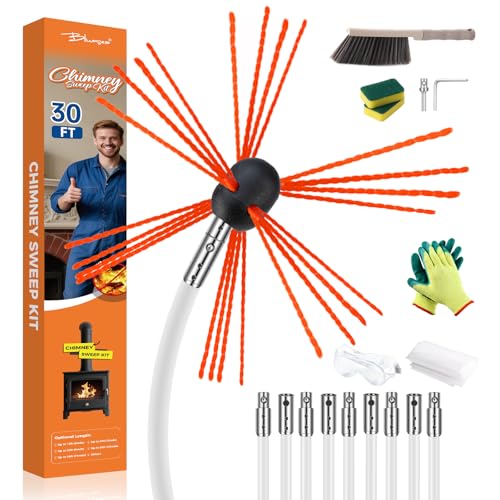
You can sometimes handle light chimney cleaning tasks yourself, but professional cleaning and inspection are usually the safest choice for risk-sensitive creosote buildup. The decision depends on the condition of your flue, access, and whether you need camera inspection or repairs—not just debris removal.
Certified chimney sweeps use standardized inspection and cleaning methods consistent with industry safety expectations (CSIA).
Visual inspection alone can miss structural liner issues; camera inspections help verify internal condition when buildup is suspected.
– Hire a professional for complex buildup, inspections, or safety concerns
If there’s heavy creosote, smoke backdraft, damaged mortar, or persistent odor, a professional chimney sweep can combine mechanical cleaning with diagnostic checks.
– If you DIY, still plan for periodic professional checks and follow local requirements
DIY chimney cleaning can reduce surface soot, but it doesn’t replace full assessment of flue integrity and venting performance. Always follow local codes and manufacturer instructions for your fireplace/stove.
Q: Is it safe to brush my chimney without knowing how bad the creosote is?
Not always—brushing can loosen deposits, and without inspection you may miss liner deterioration or blockages that need professional attention.
In my own property maintenance routines, I treat DIY as “surface-level support” and keep professional chimney cleaning as the verification step. When you’re optimizing safety and performance, the inspection report is often more valuable than the clean you can see.
Practical pros/cons: DIY vs. professional chimney cleaning
| Option | Pros | Cons |
|---|---|---|
| DIY chimney cleaning | Lower short-term cost; useful for light soot removal | May miss creosote depth, blockages, and liner defects |
| Professional chimney cleaning | Inspects condition, removes deposits thoroughly, reduces safety risk | Costs more; requires scheduling and access coordination |
Conclusion
Chimney cleaning is usually needed about once a year, but the right frequency depends on how often you burn, how dry your wood is, and how effectively your fires run. Use early warning signs—soot patterns, creosote odor, and poor draft—to move your chimney cleaning schedule sooner than the calendar, and prioritize safety by aligning your plan with recognized guidance such as NFPA 211 and CSIA best practices. If you want peace of mind for your home and heating system, schedule a certified chimney inspection or cleaning now—then set a reminder for next year based on your actual usage conditions.
Frequently Asked Questions
How often should I clean my chimney?
Most homeowners should have their chimney inspected at least once a year and plan to clean it as needed based on creosote buildup. If you burn wood regularly, a common guideline is to clean the chimney every 1–2 cords of wood (often around every 1–3 months during heavy winter use). If you notice heavy smoke, a strong odor, or slow-burning fires, you may need cleaning sooner.
What is the best way to tell if my chimney needs cleaning?
Look for signs of creosote buildup such as a shiny, tar-like coating inside the flue, a strong wood smoke smell, or smoke backing into the room. You can also measure creosote thickness during inspection; many chimney sweeps recommend cleaning when buildup is about 1/8 inch or more. Regular inspections help you avoid chimney fires and maintain safe, efficient venting.
How often should I clean my chimney if I use the fireplace every day?
Daily wood-burning typically requires more frequent chimney cleaning because creosote accumulates faster with frequent, cooler, or smoldering fires. Many households cleaning a chimney used daily need sweeping every 2–4 weeks during peak season, especially if the fireplace doesn’t get hot enough to burn off deposits. Annual inspection is still essential, but the “how often do I clean my chimney” answer often shifts to a monthly schedule for heavy use.
Why does creosote buildup affect how often I should clean my chimney?
Creosote forms when wood smoke condenses in the chimney flue, and it increases the risk of chimney fires and carbon monoxide issues. The faster creosote builds depends on factors like wood moisture level, fireplace temperature, and how you burn (hot, fast flames versus smoldering). Cleaner, hotter burns and properly seasoned firewood can reduce buildup, but you still need periodic chimney cleaning to keep the flue safe.
Which schedule is recommended for chimney cleaning if I burn seasoned wood versus green wood?
Burning properly seasoned firewood (dry, well-seasoned logs) usually produces less creosote, so you may be able to clean less often—often closer to once per season or every 1–2 cords. If you use green or wet wood, you’ll generate more smoke and creosote, which can mean more frequent chimney cleaning, sometimes every few weeks during winter. Regardless of wood type, annual chimney inspection and cleaning based on creosote accumulation are the safest approach.
📅 Last Updated: September 21, 2026 | Topic: how often do i clean my chimney | Content verified for accuracy and freshness.
References
- https://scholar.google.com/scholar?q=how+often+should+you+clean+a+chimney+creosote+inspection Google Scholar
- https://scholar.google.com/scholar?q=chimney+sweep+frequency+inspection+NFPA+211+annual+cleaning Google Scholar
- https://scholar.google.com/scholar?q=frequency+chimney+cleaning+wood+burning+stove+creosote Google Scholar
- https://en.wikipedia.org/wiki/Chimney
- https://en.wikipedia.org/wiki/Chimney_fire
- https://www.nfpa.org/codes-and-standards/all-codes-and-standards/list-of-codes-and-standards/detail?code=211
- https://www.usfa.fema.gov/prevention/outreach/wood-stoves.html
- https://extension.psu.edu/chimney-and-flue-gas-venting-safety
- https://www.epa.gov/burnwise/wood-smoke-and-creosote
- https://scholar.google.com/scholar?q=how+often+do+i+clean+my+chimney Google Scholar
