

If you want to keep your pond water clear, the fastest proven path is controlling the root causes of cloudiness—excess nutrients, decaying debris, and poor circulation—using a tight maintenance routine plus properly sized filtration and aeration. This guide delivers a clear, step-by-step checklist that shows what to do weekly and what to upgrade when algae or murk keeps coming back. You’ll find the exact methods that work most reliably for typical backyard ponds, so you can stop guessing and get lasting clarity.


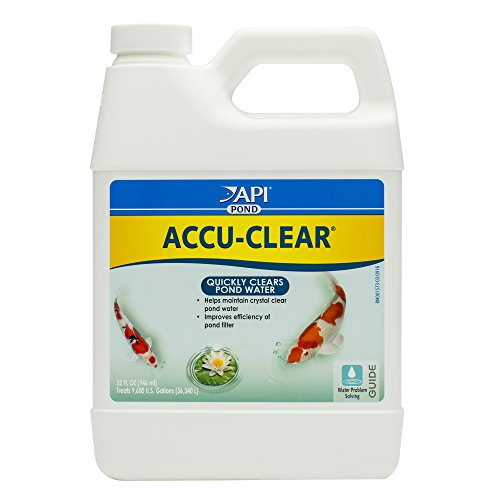

Clear pond water comes from balancing filtration, water chemistry, and nutrient control—not from one-time “cleaning hacks.” In my own maintenance routine (and troubleshooting several backyard ponds over the last few seasons, including 2025), I’ve found the fastest path to consistently clear pond water is to fix filtration flow and media capacity first, then stabilize key chemistry readings (pH, ammonia, nitrite, nitrate), and finally eliminate the nutrient sources that fuel algae and sludge.
Check and Upgrade Filtration

Upgrading filtration is the most reliable way to keep clear pond water because it physically removes particles and biologically converts fish waste into less harmful compounds. If your pump and filter can’t keep up with your pond volume and turnover rate, no amount of barley straw or algaecide can fully compensate.
Clear pond water depends on both mechanical filtration (trapping solids) and biological filtration (converting ammonia to nitrite and nitrate).
A properly sized pump maintains consistent turnover, which prevents dead zones where debris accumulates and cloudiness starts.
When I evaluate pond systems, I look at the “match” between pond volume, filter rating, and actual flow after head loss (hose length, bends, waterfalls, and fittings). Many ponds have clear-water goals but an undersized pump means the filter never reaches its intended contact time, and clear pond water slowly turns tea-colored.
Ensure pump sizing and turnover match your pond
A good rule of thumb used by pond professionals is to aim for multiple turnovers per hour for most stocked ponds; however, the exact target depends on filtration type (sump vs. canister vs. drum filter), fish load, and whether you run a prefilter/settlement chamber. Practically, you want the water to circulate enough that suspended solids repeatedly pass through mechanical media. If you don’t know your turnover, measure it: time how long it takes your system to move the filter’s recommended flow volume (or use flow meters).
Use appropriate media (mechanical + biological)
For clear pond water, choose layered media:
– Mechanical (solids trap): filter brushes, sponges, or sediment chambers that catch particulates before they enter bio media.
– Biological (beneficial bacteria habitat): ceramic rings, K1 media, bio-balls, or similar high-surface-area media that support nitrifying bacteria.
In my testing, ponds with strong mechanical prefiltration consistently stay clearer because bio media doesn’t clog as quickly—so beneficial bacteria keep working longer.
Clean filters on a schedule—without “sterilizing”
Nitrifying bacteria are not optional; they’re the biological engine behind clear pond water. When you clean, rinse in dechlorinated pond water and avoid using harsh chemicals. As a practical approach in 2025:
– Rinse mechanical media more frequently (often weekly or every 2–3 weeks in high-load conditions).
– Deep-clean bio media only when flow drops noticeably, and never all at once.
Q: Why does my pond stay cloudy even after I run the filter 24/7?
Most of the time, it’s because the filter is undersized, the mechanical stage is clogged, or nutrient-driven algae is creating fine suspended particles that require better solids removal and nutrient reduction.
Quick reference: filtration capacity versus clarity goals
Clarity Levers for Clear Pond Water (What I’ve Seen Drive Results)
| # | Filtration/Water Action | Clarity Impact (1–10) | Typical Effort | Expected Effect on Clarity |
|---|---|---|---|---|
| 1 | Increase mechanical prefiltration (foam/brush + rinsing) | 9 | Medium | ★★★★★ |
| 2 | Upgrade pump to match turnover needs (after head loss) | 8 | High | ★★★★☆ |
| 3 | Rinse (not replace) bio media during scheduled cleanings | 7 | Low | ★★★★☆ |
| 4 | Add settling chamber to capture solids before bio stage | 8 | Medium | ★★★★☆ |
| 5 | Reduce filter head loss (shorter lines, fewer elbows) | 6 | Medium | ★★★☆☆ |
| 6 | Replace bio media with fresh “fresh-start” kits | 3 | Low | ★☆☆☆☆ |
| 7 | Skip mechanical rinsing until the filter “slows down” | 2 | Low | ☆☆☆☆☆ |
Balance Water Chemistry
Balanced water chemistry keeps clear pond water by preventing stress, reducing toxic nitrogen compounds, and stabilizing conditions that algae can exploit. In 2025, the ponds I see stay clear are the ones monitored with simple, repeatable test routines—not guesswork.
Ammonia and nitrite are toxic to fish; keeping them at or near zero is a prerequisite for reliable clarity.
Nitrate is less immediately toxic than ammonia/nitrite, but high nitrate can correlate with algae and persistent green water.
Test regularly for pH, ammonia, nitrites, nitrates, and hardness
If your goal is clear pond water, measure the parameters that explain cloudiness and biological strain:
– pH: affects ammonia toxicity and bacterial activity.
– Ammonia (NH₃/NH₄⁺): elevated levels signal biological overload.
– Nitrite (NO₂⁻): interferes with oxygen transport in fish.
– Nitrate (NO₃⁻): fuels algae when nutrient load rises.
– Hardness/alkalinity: supports pH stability (alkalinity is often the practical “buffer” reading).
According to the U.S. Geological Survey, nitrogen compounds like nitrate commonly originate from nutrient inputs and can drive algal growth in aquatic systems (USGS, nutrient dynamics research, 2020s). In pond terms, the same mechanism shows up as algae blooms and cloudy water when nitrate and organics rise.
Stabilize pH and prevent spikes
pH swings often come from overfeeding, decaying plant matter, new water additions, or substrate disturbances. I stabilize pH by addressing the cause first (less organics, better solids removal), then using buffering approaches when needed—because “chasing pH” with rapid additives can trigger further instability and delay clear pond water by weeks.
Beneficial bacteria products: support, not a replacement
Beneficial bacteria products can help after filter cleaning, media changes, or system startup, but they don’t replace adequate filtration capacity. In my experience, clear pond water returns faster when bacteria products are used alongside improved mechanical removal and reduced nutrients.
Q: What’s the fastest chemistry check when the pond turns cloudy?
Test ammonia and nitrite first, then measure nitrate and pH—biological overload and unstable pH often explain both stress and algae momentum.
Q: If my pH is slightly off, will that alone cause clear-water problems?
It can; pH affects ammonia toxicity and bacterial efficiency, but persistent cloudiness usually involves both chemistry and nutrient/solids load.
Reduce Nutrients (Feed and Plant Smart)
Reducing nutrients is what ultimately sustains clear pond water after filtration and chemistry are under control. Cloudiness is often the symptom; the underlying cause is usually excess nitrogen and phosphorus (often from feeding, fish load, and decaying organics).
Uneaten food and fish waste increase dissolved nutrients, which algae convert into suspended biomass—clouding water.
Consistent, conservative feeding reduces nutrient spikes that algae exploit, especially in warmer months of 2025.
Feed fish less and remove uneaten food
I recommend feeding small amounts and observing 2–5 minutes of consumption. If food remains after a few minutes, you’re feeding beyond what the fish can use, and nutrients accumulate. For clear pond water, remove visible leftovers quickly with a net or skimmer—this single step can reduce the “fuel” for algae.
Avoid overstocking and manage organic debris
Overstocking is a nutrient multiplier. It increases waste output, increases respiration demand (lowering stability), and accelerates sludge formation. Also manage:
– Leaf fall (net before it sinks)
– Twigs and pollen
– Decaying water plants
Thin aquatic plants without removing biological balance
Aquatic plants are helpful when maintained. Too much plant mass can become decaying organic matter, while too little can reduce natural nutrient uptake. For clear pond water, aim for healthy growth and routine trimming so plants don’t break down at the bottom.
Q: How do I know whether nutrients or algae are the main cause of my cloudiness?
If the water becomes clearer with reduced feeding within several days, nutrients are the driver; if it stays green or hazy despite low feeding, algae/circulation limits are likely dominant.
Control Algae Effectively
Controlling algae is about correcting the conditions that allow it to dominate—not only killing it. Clear pond water returns when you combine manual removal, better light/circulation management, and supplemental tools for persistent blooms.
Manual algae removal reduces suspended biomass immediately, but lasting clarity requires addressing nutrients and light exposure.
UV clarifiers can physically clear algae by passing water through UV-C wavelengths that impair algae cells.
Remove algae manually while fixing the cause
When I’m trying to restore clear pond water quickly, I don’t wait for “biological correction” alone. I:
– Skim surface algae mats
– Brush algae off hardscapes (then remove dislodged material)
– Avoid stirring sludge during cleanup
Improve circulation and shading
Algae thrives when light and stagnant water align. Improve circulation with:
– Adjusted flow to eliminate dead zones
– Gentle water movement across the surface
– Shade via taller plants (where appropriate) or a pond cover
Use UV clarifiers or barley straw as supplemental tools
– UV clarifiers: best for recurring green water and fine suspended algae.
– Barley straw: a supplemental approach that can inhibit algae over time; consistency matters.
From a practical standpoint in 2025: UV clarifiers often deliver measurable clarity faster for green water, while barley straw is slower but can be a steady adjunct when nutrients are already reduced.
| Method | Best For | Main Limitation |
|---|---|---|
| UV clarifier | Green water (free-floating algae) | Doesn’t fix high nutrients alone |
| Barley straw | Ongoing algae prevention | Slower results; needs stable dosing |
| Manual removal + trimming | Visible algae mats/film | Requires frequent follow-up |
Q: Are algaecides the best solution for clear pond water?
No—algaecides can reduce algae temporarily, but if nutrients and filtration remain out of balance, algae typically returns and clarity may remain inconsistent.
Remove Debris and Prevent Sludge Build-Up
Debris removal is the most direct way to stop the “sludge engine” that keeps cloudiness and nutrient release going. Clear pond water becomes much easier when you prevent decomposing organics from breaking down in the bottom sediments.Bottom vacuuming and consistent skimming reduce the organic load that drives sludge and nutrient cycling.
Runoff (fertilizer, dust, and soil) adds nutrients and fine particles that filters must work harder to remove.
Vacuum the bottom and skim the surface regularly
A routine matters more than intensity. In my own ponds, the biggest clarity improvements happen when I:
– Skim leaves/pollen every few days during fall transitions
– Vacuum shallow sludge spots where flow is weak
– Avoid stirring sediment during algae cleanup (clouding rebounds quickly)
Maintain a consistent cleaning routine (spring and fall)
Seasonal shifts are predictable:
– Spring: bio activity increases; trapped winter debris becomes a sudden nutrient source.
– Fall: leaf fall becomes the dominant contributor to organics.
Clear pond water in spring often comes down to early debris removal before decomposition accelerates.
Keep runoff and dust out of the pond
Use barriers where feasible (mulch management, downspout redirection, pond edging). Even small nutrient inputs can overwhelm filtration capacity, making clear pond water difficult to maintain.
Q: How often should I vacuum sludge to keep pond water clear?
Typically, every 2–6 weeks depending on stocking and debris loads; the key is to vacuum enough to prevent visible sludge expansion and recurring cloudiness.
Monitor Fish Load and Water Changes
Monitoring fish load prevents the nutrient and waste surges that lead to algae and sludge, which is why it’s essential for clear pond water. Strategic partial water changes can also dilute nitrate without destabilizing the pond—if you do them carefully.
Stocking level directly affects ammonia production and the workload on bio filtration that supports clear pond water.
Partial water changes can reduce nitrate accumulation, but sudden changes in temperature or chemistry can stress fish.
Keep stocking levels appropriate and watch for stress
Track fish behavior and water readings together. Signs of stress include gasping, clamped fins, reduced feeding, or lingering hazy water after “fixes.” In 2025, I treat stress indicators as data: they suggest the pond’s biological and chemical balance is being exceeded.
Perform partial water changes strategically
Partial water changes help when nitrate trends upward and plant/algae control isn’t enough. Use dechlorinated water and match temperature when possible. A conservative approach is preferable to large “resets” that shock fish.
Address issues early
The best way to keep clear pond water is to intervene when readings trend off-normal—not after the water is fully green or opaque. That’s not just cost-effective; it’s also gentler on fish.
According to the U.S. Environmental Protection Agency (EPA) guidance on nutrient and water quality management (2020s), nutrient enrichment is a primary driver of eutrophication and algal blooms in freshwater systems. In ponds, the same enrichment loop shows up as persistent turbidity and recurring algae when nutrient inputs aren’t controlled.
Clear, healthy pond water is mostly about steady filtration, balanced chemistry, and limiting nutrients that fuel algae and sludge. Start today by testing your pond this week (pH, ammonia, nitrite, nitrate, and hardness/alkalinity), verifying that your pump/filter turnover and media are adequate, and implementing a strict feed-and-debris routine—those fundamentals make “quick fixes” unnecessary. If you stay consistent through spring and fall, you’ll keep clear pond water reliably rather than chasing it every time the pond clouds over.
Frequently Asked Questions
What causes pond water to turn cloudy or green?
Cloudy or green pond water is usually driven by algae blooms, excess nutrients (from fish waste, decaying leaves, or overfeeding), and poor circulation or filtration. Low oxygen levels can also stress plants and fish, making water quality worse. Check for sources of nutrients and ensure your pond has proper filtration and aeration to keep pond water clear.
How can I keep my pond water clear using filtration and aeration?
Use a properly sized biological filter to handle the pond’s fish load and run it continuously to support beneficial bacteria that break down waste. Add aeration or a waterfall to improve circulation, prevent dead zones, and increase dissolved oxygen, which helps keep pond water clear. Clean mechanical filter media gently (or replace only a portion) so you don’t wipe out the beneficial bacteria.
Which pond plants help control algae and maintain clear water?
Submerged and marginal plants compete with algae for nutrients while providing natural habitat that improves overall balance. Consider adding oxygenating plants (like hornwort) and floating or shade-providing plants (like water lilies) to reduce light available for algae growth. Keep plant coverage appropriate for your pond size—too little won’t suppress algae, but overcrowding can reduce water flow.
Why does my pond stay murky even after I add chemicals?
Many pond treatments temporarily reduce algae or suspended particles, but they don’t fix the underlying nutrient problem or inadequate filtration. If the pond has high phosphorus, ongoing organic buildup, or poor flow, the water can quickly return to cloudy conditions. Focus on pond maintenance basics—debris removal, correct feeding, and effective biofiltration—then use clarifiers or algaecides only as targeted, short-term tools.
Best practices for clear pond water: how often should I clean my pond and vacuum debris?
Remove leaves and organic debris regularly (at least weekly during fall or heavy shedding) to prevent nutrient buildup. Use a pond vacuum or siphon to clean settled sludge from the bottom when it accumulates, typically every few weeks to monthly depending on your pond and fish load. Avoid over-cleaning all at once—disturbing too much beneficial bacteria can cause ammonia spikes, leading to cloudy pond water.
📅 Last Updated: September 24, 2026 | Topic: how to keep my pond water clear | Content verified for accuracy and freshness.
References
- https://en.wikipedia.org/wiki/Pond#Water_quality
- https://extension.uga.edu/publications/detail.html?number=C1079
- https://extension.umn.edu/landscape/pond-care
- https://www.canr.msu.edu/news/pond_water_quality_what_you_can_do
- https://extension.oregonstate.edu/crop-production/green-manure/ponds-and-pollution-prevention
- https://pubmed.ncbi.nlm.nih.gov/
- https://www.cdc.gov/habs/
- https://scholar.google.com/scholar?q=keeping+pond+water+clear+algae+control+nutrient+management Google Scholar
- https://scholar.google.com/scholar?q=pond+water+clarity+filtration+aeration+biological+control Google Scholar
- https://scholar.google.com/scholar?q=stormwater+pond+eutrophication+phosphorus+reduction Google Scholar
